
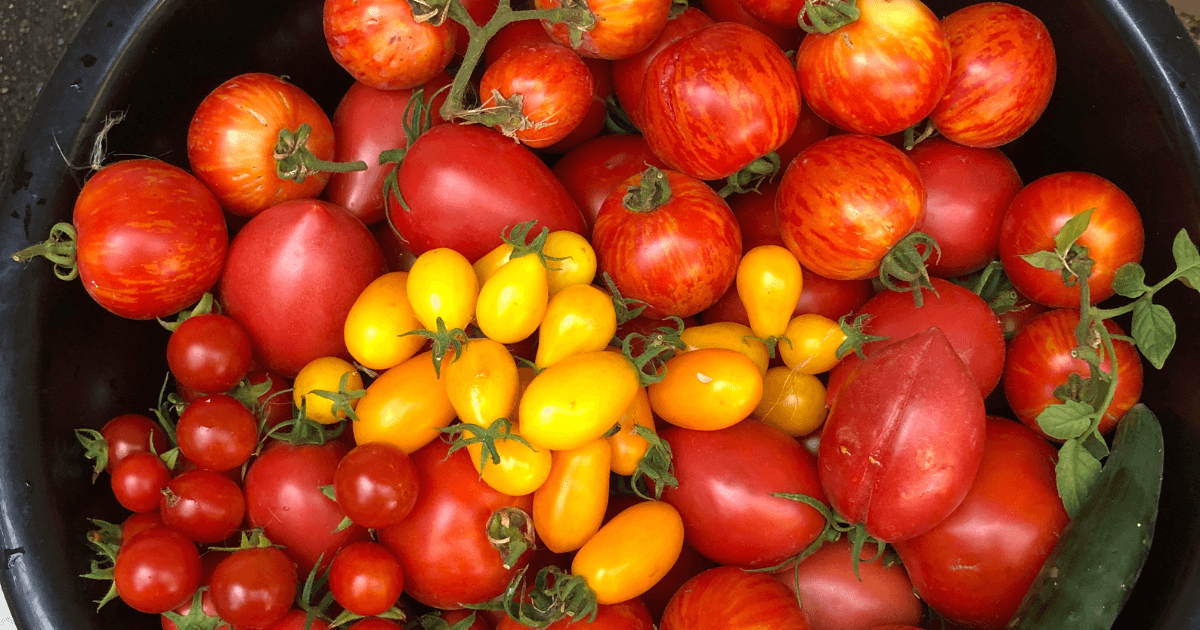
The best tomato varieties depend on your climate, available space, growing setup, and how you plan to use the harvest. A tomato that performs beautifully in one garden may struggle in another, which is why choosing the right variety often matters more than gardeners expect.
There is no single “best” tomato for every garden. The best variety depends on your climate, available space, how much maintenance you want to do, and what you actually want to use the tomatoes for.
The right match usually leads to healthier plants, easier growing, and a much more satisfying harvest.
Quick starting points:
- Small space or containers → Compact determinate or dwarf varieties
- Long harvest season → Indeterminate tomatoes
- Best beginner success → Cherry tomatoes
- Best sauce tomatoes → Roma and San Marzano
- Best flavor → Heirloom varieties
- Hot, humid climate → Disease-resistant hybrids
If you’re still planning your tomato garden, start with my complete guide on how to grow tomatoes before choosing specific varieties.
Best Tomato Varieties by Situation
Choosing by situation is often easier than choosing by popularity alone. A tomato that performs beautifully in one garden may disappoint in another if the climate, space, or harvest goal does not match.
| Situation | Best Tomato Varieties |
|---|---|
| Best overall | Sungold, Cherokee Purple, Better Boy |
| Best for beginners | Early Girl, Celebrity, Better Boy |
| Best flavor | Brandywine, Cherokee Purple, Sungold |
| Best for containers | Patio, Tiny Tim, Bush Early Girl |
| Best for sauce | Roma, San Marzano, Amish Paste |
| Best for high yield | Sweet Million, Supersweet 100, Juliet |
| Best for short seasons | Early Girl, Stupice |
| Best for hot climates | Heatmaster, Solar Fire |
| Best for humid or disease-prone gardens | Celebrity, Defiant, Better Boy |
| Best large slicers | Better Boy, Brandywine, Cherokee Purple |
Best Overall Tomato Varieties
- Sungold
- Brandywine
- Cherokee Purple
These combine strong flavor, good productivity, and reliable garden performance when conditions suit them.
Best Tomato Varieties for Beginners
- Early Girl
- Better Boy
- Celebrity
These varieties are more forgiving with watering fluctuations, weather changes, and common garden mistakes.
Best Tomato Varieties for Containers
- Patio
- Tiny Tim
- Bush Early Girl
Compact growth matters much more than people realize in containers. Large indeterminate plants quickly outgrow small pots.
Best Tomato Varieties for Sauce
- Roma
- San Marzano
These have thicker flesh, fewer seeds, and lower water content, which makes cooking easier.
Best Tomato Varieties for High Yield
- Sweet Million
- Supersweet 100
- Juliet
Cherry tomatoes and small-fruited hybrids often outproduce large slicers by a huge margin through summer.
Understanding Tomato Types
Before choosing individual varieties, it helps to understand the main tomato categories. Most problems with overcrowding, disappointing harvests, or difficult maintenance start here rather than later in the season.
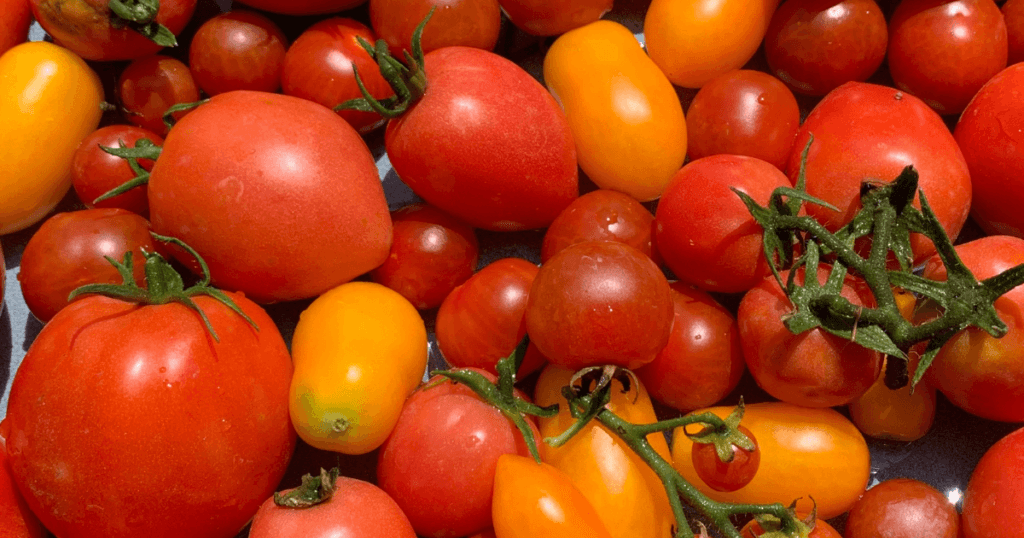
A tomato label tells you much more than flavor alone. Growth habit, days to maturity, disease resistance, and fruit type all affect how successful a variety will be in your garden.
Understanding Days to Maturity
Days to maturity estimates how long a tomato variety usually takes to begin producing ripe fruit after transplanting outdoors. Earlier tomatoes are often better for shorter growing seasons, while larger late-season varieties usually need more warmth and time to fully mature.
Determinate vs Indeterminate
Determinate tomatoes grow to a set size, produce most of their fruit over a shorter period, then slow down significantly. They usually need less pruning and are easier to manage in smaller spaces.
Indeterminate tomatoes continue growing, flowering, and producing fruit until frost or disease stops them. They usually need regular support, tying, and occasional pruning through the season.
Some compact determinate tomatoes need only small cages or stakes, while large indeterminate varieties may require tall trellises or heavy-duty support systems by midsummer.
Determinate Tomatoes Work Best For
- Containers
- Raised beds with limited space
- Smaller gardens
- Gardeners want simpler maintenance
- Sauce making with concentrated harvests
Indeterminate Tomatoes Work Best For
- Long harvest seasons
- Large gardens
- Continuous picking all summer
- Maximum production per plant
In gardens, indeterminate plants often become much larger than beginners expect. By midsummer, some can easily reach 6-8 feet tall and spread heavily if not pruned.
Heirloom vs Hybrid
This choice usually comes down to flavor versus reliability, though the difference is not always absolute.
Heirloom tomatoes are older, open-pollinated varieties passed down over generations. Many gardeners grow them for exceptional flavor, unique colors, and interesting shapes.
Hybrid tomatoes are bred for consistency, disease resistance, productivity, and garden performance.
Heirloom Advantages
- Excellent flavor
- Unique appearance
- More variety in colors and shapes
- Seed saving possible
Hybrid Advantages
- Better disease resistance
- More reliable yields
- Improved crack resistance
- More consistent fruit production
A smart approach for many home gardens is growing both. Many experienced gardeners plant a few reliable hybrids for dependable harvests and add one or two heirlooms mainly for flavor.
Tomato Categories by Use
Tomato size and type strongly affect how they perform in the kitchen and garden. Choosing the right tomato type for how you actually cook and eat tomatoes usually matters more than choosing the “best” variety overall.
Cherry Tomatoes
- Sweet flavor
- Heavy producers
- Usually easiest for beginners
- Great for salads and snacking
Slicing Tomatoes
- Large fruits
- Fresh eating and sandwiches
- Often lower total yield per fruit count
- More prone to cracking during uneven watering
Many large slicing tomatoes are also classified as beefsteak tomatoes because of their size and meaty texture.
Paste Tomatoes
- Dense flesh
- Less water and fewer seeds
- Best for sauces, roasting, and cooking
- Often, more concentrated harvests
Heirloom Tomatoes
- Flavor-focused
- Often softer fruit
- More irregular shapes
- Can be less predictable in difficult weather
Best Tomato Varieties for Beginners
Beginners usually succeed fastest with varieties that tolerate small mistakes and continue producing even through uneven conditions.
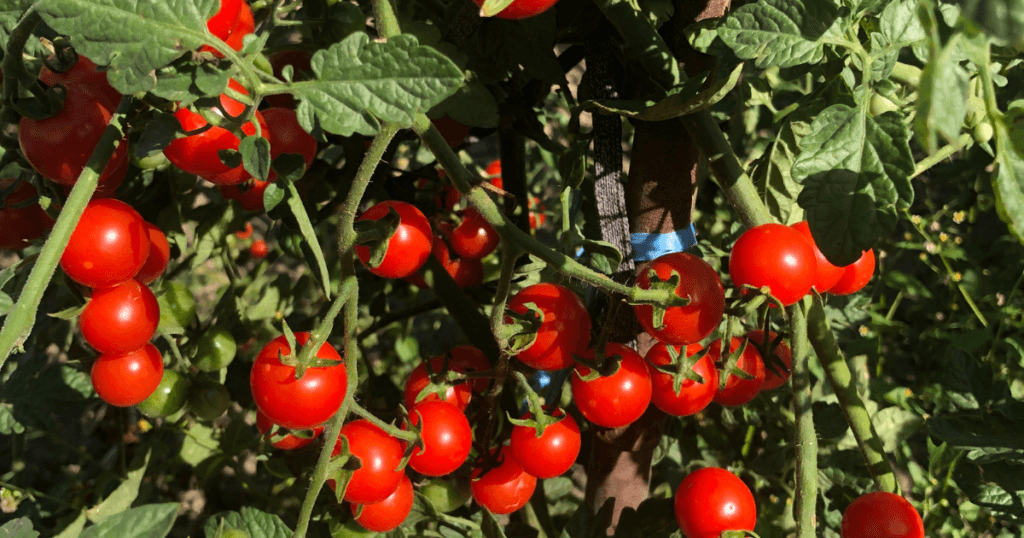
Cherry tomatoes are especially forgiving because they ripen quickly and continue flowering aggressively through the season.
Smaller-fruited tomatoes also tend to crack less, ripen faster, and recover better from minor watering mistakes than large slicing tomatoes. That is one reason many experienced gardeners recommend starting with cherry varieties first.
Cherry Tomatoes (Most Reliable)
Cherry tomatoes are often the easiest path to success. Even when larger tomatoes struggle with weather swings or inconsistent watering, cherry tomatoes usually continue producing.
Sungold
Sungold has a strong reputation for good reason. The fruits are extremely sweet, productive, early, and reliable even in less-than-perfect summer conditions.
What gardeners usually notice first is how aggressively the plant grows once summer heat arrives. It needs solid support but rewards the effort with heavy harvests.
Sweet 100
Sweet 100 produces long clusters packed with fruit throughout the summer.
It performs especially well for gardeners wanting continuous harvests rather than large individual tomatoes.
Sweet Million
Sweet Million combines heavy production with strong crack resistance compared to many other cherry tomatoes.
This matters more in rainy periods when some varieties split badly after sudden moisture changes.
Reliable Slicing Tomatoes
Large tomatoes can be more challenging, but some varieties are much easier than others.
Larger slicing tomatoes usually need stronger support and more consistent watering than cherry tomatoes, especially once fruit production increases.
Better Boy
Better Boy balances flavor, size, reliability, and disease resistance well. It is productive without being overly difficult to manage.
Celebrity
Celebrity performs especially well in difficult climates and humid regions where disease pressure becomes a major issue later in summer.
It may not have the complex flavor of heirlooms, but it often produces dependable harvests when other varieties struggle.
Easy Paste Tomatoes
Paste tomatoes are useful even for gardeners who do not make large batches of sauce because their dense texture also works well for roasting, drying, and cooking down quickly.
Roma
Roma is compact, productive, and relatively simple to grow.
San Marzano
San Marzano is popular for sauce because of its rich flavor and lower seed content, though it usually performs best with consistent warmth and good support.
Best Tomato Varieties for Flavor
Flavor preferences vary widely, but certain tomatoes consistently stand out in home gardens.
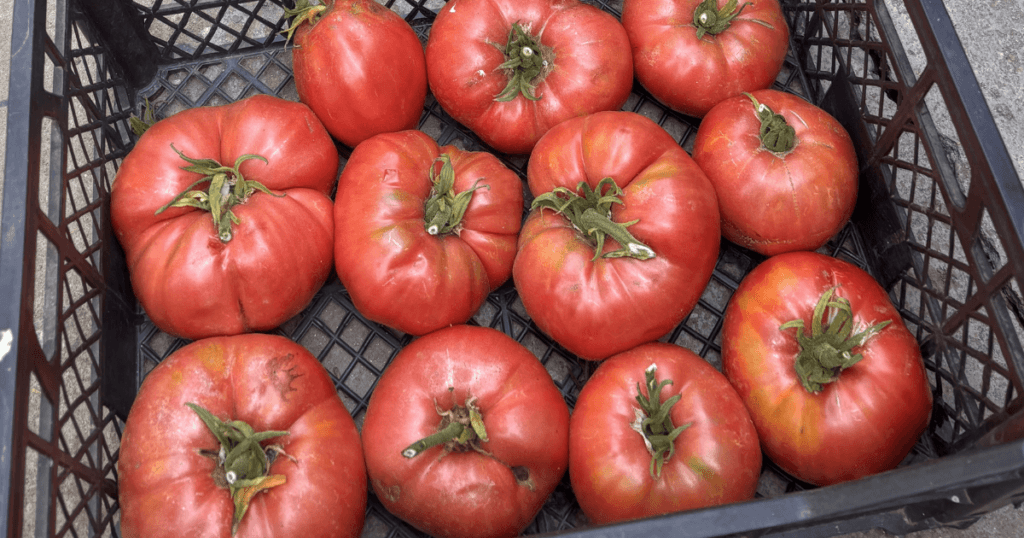
The trade-off is that flavor-focused varieties are often softer, more delicate, and less shelf-stable than commercial hybrids.
Many heirloom tomatoes are also more prone to cracking during uneven watering or heavy summer rain, especially once fruits begin fully ripening.
Heirloom Tomatoes
Heirlooms are often chosen mainly for eating fresh. Many gardeners grow them specifically for peak summer sandwiches and salads.
Brandywine
Brandywine is famous for its rich, old-fashioned tomato flavor.
The downside is slower production and somewhat lower disease resistance compared to modern hybrids.
Cherokee Purple
Cherokee Purple combines deep flavor with a smoky sweetness many gardeners prefer over standard red slicers.
It also handles heat better than some other heirlooms.
Paul Robeson
Paul Robeson produces dark fruits with a strong savory flavor and performs surprisingly well in cooler climates.
Sweet Cherry Tomatoes
Sweet cherry tomatoes are often the most consistently flavorful tomatoes in home gardens.
Sungold
Many gardeners consider Sungold one of the best-tasting tomatoes of any type, not just cherry tomatoes.
Sweet Million
Sweet Million balances sweetness with strong production and slightly firmer fruit.
One thing gardeners notice quickly with sweeter tomatoes is shorter shelf life. The fruit is best used soon after harvest rather than stored for long periods.
Best Tomato Varieties for High Yield
High-yield tomatoes are useful for gardeners wanting frequent harvests from limited space.
Cherry tomatoes dominate here because small fruits mature faster, and plants continue setting large numbers throughout summer.
High-yield varieties also tend to recover faster from heat stress and minor pruning mistakes because they flower so aggressively through the season.
Cherry Tomatoes (Top Producers)
Sweet Million
Produces large clusters continuously once mature.
Supersweet 100
Extremely productive in warm weather and capable of producing until frost under good conditions.
These vigorous varieties need sturdy cages or trellises. Unsupported plants often become tangled masses by midsummer.
Productive Indeterminate Varieties
Juliet
Juliet produces small, elongated fruits with excellent crack resistance and unusually long harvest periods.
Better Boy
Better Boy remains one of the more dependable, productive slicers for home gardens.
For heavy-producing indeterminate tomatoes, strong support, airflow, and occasional pruning become increasingly important later in the season as plants become dense and heavy.
Related reading:
Best Tomato Varieties for Containers and Small Spaces
Containers change tomato growing conditions significantly. Soil dries faster, root space becomes limited, and large plants can quickly outgrow their setup. Sunlight and watering consistency also become much more important in containers than in-ground gardens.
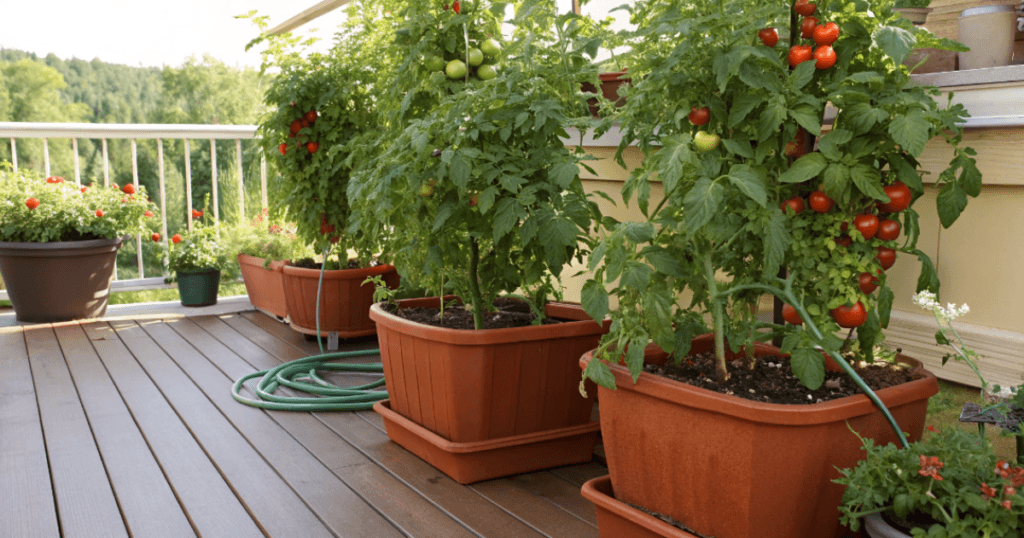
Many struggling container tomatoes are simply planted in pots that are too small for the variety.
In small containers, even healthy tomato plants can become stressed surprisingly fast during hot weather. Leaves may wilt by afternoon, fruits may crack after watering, and production often slows once roots become crowded.
Compact Determinate Varieties
Compact determinate tomatoes are usually the easiest choice for containers because they stay smaller, need less pruning, and are easier to support in limited space.
Patio
Patio tomatoes stay manageable while still producing decent-sized fruit. They also require less pruning and support than larger indeterminate plants.
Bush Early Girl
Bush Early Girl gives earlier harvests without the massive growth of standard indeterminate types.
Dwarf Tomatoes
Dwarf tomatoes work especially well for balconies, patios, and very small gardens.
Many dwarf varieties also mature earlier, which helps in shorter growing seasons or partially shaded spaces.
Tiny Tim
Tiny Tim stays extremely compact and works well even in small containers, patio pots, or balcony setups. It is a good choice when you want a true small-space tomato without dealing with heavy pruning or large support structures.
Tumbling Tom
Tumbling Tom trails naturally and works nicely in hanging baskets or elevated containers. It is especially useful where you want tomatoes to spill over the edge instead of growing upright, but it still needs consistent watering because hanging baskets dry out quickly.
Matching Plant Size to Container
Container size matters more than many gardeners expect.
General Guidelines
- Small dwarf tomatoes → 1–3 gallon containers
- Medium compact tomatoes → 5-gallon containers
- Large indeterminate tomatoes → 10+ gallon containers
Bigger containers usually create more stable growing conditions because the soil dries out more slowly and root temperatures fluctuate less during summer heat. When gardeners struggle with container tomatoes, undersized pots are often part of the problem.
Large, indeterminate tomatoes in undersized pots often struggle with blossom end rot, fruit cracking, and weak production because moisture levels fluctuate too quickly.
Container tomatoes typically require more frequent watering and fertilizing than in-ground plants once summer heat arrives.
Good drainage matters just as much as container size. Tomatoes growing in waterlogged pots often develop weak roots and slower growth, surprisingly quickly.
Related:
- Growing Tomatoes in Containers
Best Tomato Varieties for Raised Beds
Raised beds can grow almost any tomato variety, but plants that strike a balance between productivity and manageable growth are often the easiest to maintain.
Good raised bed choices include:
- Better Boy
- Celebrity
- Early Girl
- Sungold
- Juliet
Large indeterminate tomatoes also perform extremely well in raised beds when strong support systems and adequate spacing are provided.
The main challenge in raised beds is not production but overcrowding. Varieties that look manageable in spring can become surprisingly large by midsummer if spacing is ignored.
Best Tomato Varieties for Different Climates
Climate compatibility strongly affects tomato success. A variety that thrives in dry western summers may struggle badly in humid southern gardens.
Matching maturity speed and disease resistance to local conditions usually yields better results than chasing trendy varieties. A tomato that performs well in one region may struggle badly somewhere with different humidity, heat, or season length.
Short Growing Seasons
Short-season gardeners usually benefit from smaller or earlier-maturing tomatoes that begin ripening before cool weather arrives in late summer or early fall.
Early Girl
Reliable and productive with faster maturity than many large slicers. It is especially useful in climates where frost arrives early or summers stay relatively mild.
Stupice
Performs especially well in cooler climates and continues producing steadily even during milder summer temperatures that slow down some larger tomato varieties.
Hot Climates
Some tomatoes struggle once temperatures stay consistently above 90°F. In very hot weather, many tomato plants continue growing but temporarily stop setting fruit.
Heat-tolerant varieties usually handle these conditions more reliably and resume production faster once temperatures stabilize.
Heatmaster
Bred specifically for hot summer conditions and more reliable fruit set during extended heat waves.
Solar Fire
Handles heat stress better than many standard slicers and performs more consistently during long stretches of high daytime temperatures.
Humid or Disease-Prone Areas
Humidity increases fungal disease pressure significantly by midsummer.
In humid climates, dense foliage and poor airflow often make disease problems spread much faster later in the season.
Celebrity
Strong disease resistance, dependable production, and good overall adaptability in difficult summer conditions.
Defiant
Useful in areas where blight problems regularly affect tomatoes.
In humid gardens, disease-resistant hybrids often outperform delicate heirlooms over the full season, especially once heavy summer rains arrive.
Best Tomato Varieties for Crack Resistance
Fruit cracking becomes a common frustration during rainy periods or after uneven watering. Some tomato varieties tolerate moisture fluctuations much better than others.
Varieties often praised for crack resistance include:
- Juliet
- Celebrity
- Defiant
- Sweet Million
- Better Boy
Even crack-resistant varieties can split during extreme weather swings, but they usually perform more reliably than delicate heirlooms with thinner skins.
Best Tomato Varieties by Use
Different kitchen uses call for different tomato characteristics.
Trying to use one tomato for everything rarely gives the best results because flavor, texture, moisture content, and productivity vary heavily between tomato types.
Fresh Eating
Brandywine and Cherokee Purple are excellent fresh-eating tomatoes because they have rich flavor and a juicy slicing texture. They shine when sliced fresh and eaten quickly after harvest, especially for sandwiches, caprese salads, and peak summer eating.
Salads
Sungold and Sweet Million are great salad tomatoes because they are sweet, bite-sized, and easy to harvest daily. They hold their texture well, rarely need slicing, and keep producing through summer.
Cooking and Sauce
Roma and San Marzano are classic sauce tomatoes because they have meatier flesh, fewer seeds, and lower moisture content. They cook down faster than juicy slicing tomatoes and help create thicker sauces with less simmering time.
Paste tomatoes reduce faster during cooking because of lower moisture content and meatier flesh, which helps create thicker sauces with less simmering time.
How to Choose the Right Tomato Variety (Step-by-Step)
This is where many gardeners make better decisions. Instead of choosing based on popularity alone, start with your actual growing conditions and goals.
A variety that fits your garden usually performs better with less frustration, fewer disease problems, and more consistent harvests.
Step 1: Start With Space
Space limitations affect almost everything else. Many beginner problems start with overcrowding or choosing plants that eventually outgrow their support system.
Containers or Small Beds
Choose:
- Determinate tomatoes
- Compact hybrids
- Dwarf tomatoes
Larger Gardens
Indeterminate tomatoes become more practical when you have room for trellising, airflow, and wider plant spacing later in summer.
Step 2: Decide How You’ll Use Them
Kitchen use matters more than many beginners expect. Some tomatoes taste excellent fresh, but become watery in sauce, while dense paste tomatoes may feel less juicy for slicing.
Fresh Eating
Choose:
- Slicing tomatoes
- Cherry tomatoes
- Flavor-focused heirlooms
Cooking and Sauce
Choose:
- Roma types
- Paste tomatoes
- Dense-fleshed varieties with lower moisture content
Step 3: Match Your Climate
Climate mismatches cause many disappointing seasons. A variety that performs beautifully in one region may struggle badly somewhere with shorter summers, heavy humidity, or prolonged heat waves.
Short Season
Choose:
- Early tomatoes
- Faster maturity dates
- Smaller-fruited varieties
Hot Climates
Choose:
- Heat-tolerant hybrids
- Crack-resistant and heat-tolerant varieties
Step 4: Choose Maintenance Level
Some tomatoes need much more support, pruning, and monitoring than others. Larger indeterminate plants often become much more demanding by midsummer once growth and fruit production accelerate.
Cherry tomatoes and compact disease-resistant hybrids are usually the easiest tomatoes for beginners who want lower-maintenance plants.
Lower Maintenance
- Determinate varieties
- Disease-resistant hybrids
- Compact plants
Higher Yield Potential
- Indeterminate tomatoes
- Vigorous cherry tomatoes
- Large heirlooms with strong support systems
How Many Tomato Varieties Should You Grow?
Growing several tomato types usually gives more reliable harvests and spreads the risk throughout the season.
Most experienced gardeners eventually move toward mixed plantings rather than growing only one favorite variety.
Even small gardens usually benefit from growing at least two or three different tomato types. One variety may struggle with heat, disease, cracking, or poor fruit set, while another continues producing normally.
Mix Types for Better Results
A balanced garden often includes:
- Cherry tomatoes
- Slicing tomatoes
- Paste tomatoes
This gives flexibility for fresh eating, cooking, preserving, and steady harvesting throughout summer.
Combine Early, Mid, and Late Producers
Different maturity times help prevent feast-or-famine harvest patterns.
Early tomatoes start first, while larger late-season varieties continue producing deeper into summer. Without staggered maturity times, many gardens produce heavily for a short window and then slow down quickly later in the season.
Avoid Planting Only One Variety
Weather, disease, cracking, or poor fruit set can wipe out a single variety unexpectedly, especially during difficult summers.
Mixed plantings improve resilience naturally.
Disease-Resistant Tomato Varieties
Disease resistance becomes increasingly important in humid climates, rainy summers, or gardens where tomatoes are grown repeatedly in the same area.
It does not make plants immune, but it often keeps them productive much longer.
Disease-resistant tomatoes usually decline more slowly once summer disease pressure builds. In difficult years, that can mean the difference between harvesting into late summer or losing plants early.
Best Disease-Resistant Tomato Varieties
For gardeners dealing with repeated blight, wilt diseases, or humid summer conditions, some of the most dependable disease-resistant varieties include:
- Celebrity
- Defiant
- Better Boy
- Iron Lady
- Mountain Merit
Choosing resistant varieties often reduces problems more effectively than trying to treat the disease after symptoms appear.
Why It Matters
For many home gardeners, disease resistance makes tomatoes noticeably easier to manage through unpredictable weather.
Disease-resistant tomatoes usually provide:
- Easier growing
- Longer harvest periods
- Less crop loss
- Better performance in difficult weather
What Resistance Labels Mean
Seed packets often include resistance codes that help identify which diseases a variety tolerates better.
Common examples:
- V – Verticillium wilt resistance
- F – Fusarium wilt resistance
- N – Nematode resistance
- T – Tobacco mosaic virus resistance
- A – Alternaria resistance
These labels help gardeners match varieties to local problems.
Reliable Disease-Resistant Options
Celebrity, Better Boy, and Defiant are hybrids, popular partly because they continue producing reasonably well even once disease pressure, humidity, and plant stress increase later in summer.
Common Variety Selection Mistakes
Most tomato disappointment starts before planting. Choosing varieties that do not match the growing setup often creates avoidable problems later, even when the plants themselves are healthy.
Choosing Based on Popularity Only
Popular heirlooms may not suit every climate or gardener. Some produce incredible flavor but struggle with cracking, disease pressure, or shorter growing seasons. Gardeners in rainy or humid climates often benefit from choosing crack-resistant hybrids instead of delicate thin-skinned heirlooms.
Ignoring Plant Size
A single indeterminate tomato can overwhelm a small raised bed surprisingly fast once summer growth accelerates and vines begin spreading heavily.
Picking Only Large Tomatoes
Large slicers are rewarding but usually less productive overall than cherries and often take longer to begin ripening.
Ignoring Climate Compatibility
Late-season heirlooms may struggle badly in short growing seasons where cool weather arrives before fruits fully ripen.
Not Mixing Types
Gardens with only one tomato type lose flexibility and resilience if weather, disease, or poor fruit set affects that variety.
Choosing Tomatoes That Mature Too Late
Large late-season tomatoes may still be green when cooler fall weather arrives in shorter climates. Checking days-to-maturity before planting helps avoid disappointing late harvests.
Choosing Tomatoes That Need More Maintenance Than You Want to Give
Some tomato varieties need frequent pruning, tying, and monitoring throughout the season. Choosing high-maintenance indeterminate varieties can become frustrating if you prefer a simpler, lower-effort garden.
Quick Tomato Variety Selection Guide
If you are unsure where to start, this quick guide simplifies the most common tomato-growing goals.
| Goal | Best Choice |
|---|---|
| Best flavor | Cherokee Purple |
| Best beginner variety | Early Girl |
| Best overall variety | Sungold |
| Best sauce tomato | San Marzano |
| Best container tomato | Patio |
| Best high-yield variety | Sweet Million |
| Best disease resistance | Celebrity |
| Best short-season tomato | Stupice |
| Best hot-climate tomato | Heatmaster |
Conclusion
The best tomato variety is usually the one that suits your climate, available space, and how you intend to use the harvest.
For beginners, reliable cherry tomatoes and disease-resistant hybrids often provide the fastest success. Gardeners who prioritize flavor may prefer heirlooms, despite their extra maintenance requirements. Small-space gardeners usually benefit from compact determinates or dwarf tomatoes instead of oversized indeterminate plants that quickly outgrow smaller containers or beds.
A mixed approach often works best in home gardens:
- One productive cherry tomato
- One reliable slicer
- One paste tomato
- One flavor-focused heirloom
That combination usually creates steadier harvests, better resilience through changing weather, and more flexibility in the kitchen throughout the season.

Leave a Reply