
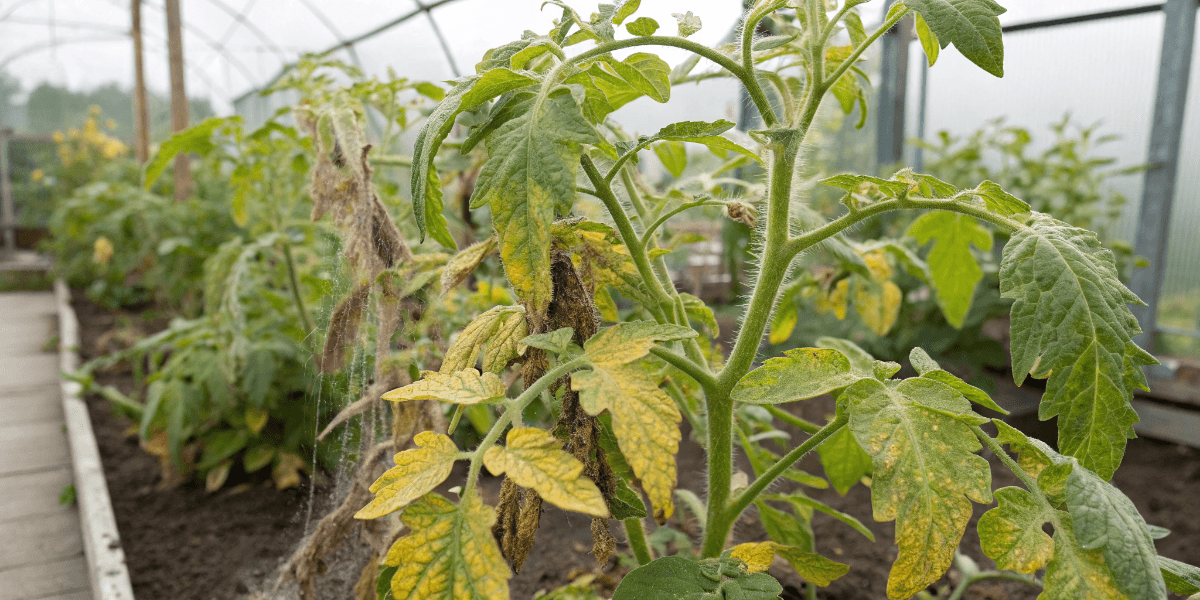
Common tomato pests can damage leaves, stems, flowers, and fruit throughout the growing season. Some insects chew large holes overnight, while others slowly weaken tomato plants by feeding on sap or spreading disease. Correctly identifying the pest is the first step toward choosing the most effective treatment.
Many tomato pests hide underneath leaves or feed at night, so a glance at the plant is rarely enough. Looking closely before treating often saves time and avoids unnecessary spraying later. Tiny holes, sticky leaves, curled growth, webbing, cut seedlings, or damaged fruit can all point to different pests, and each problem calls for a different first step.
Common tomato pests include hornworms, aphids, whiteflies, spider mites, flea beetles, cutworms, stink bugs, leaf-footed bugs, fruitworms, pinworms, leafminers, thrips, slugs, and snails.
This guide focuses on identifying tomato pests by their symptoms first, then on choosing practical, first-fix solutions that home gardeners can actually use.
For a more detailed explanation, read my full article on how to grow tomatoes for beginners.
Most Common Tomato Pests at a Glance
| Pest | Most Common Damage |
|---|---|
| Tomato hornworms | Large missing leaves and stripped stems |
| Aphids | Sticky, curled new growth |
| Whiteflies | Tiny white insects and yellowing leaves |
| Spider mites | Fine webbing and speckled leaves |
| Flea beetles | Tiny shot holes in leaves |
| Cutworms | Seedlings cut off at soil level |
| Stink bugs | Cloudy spots on fruit |
| Leaf-footed bugs | Fruit damage and uneven ripening |
| Tomato fruitworms | Holes and tunnels inside fruit |
| Leafminers | Winding trails inside leaves |
| Thrips | Silvery scars and distorted growth |
| Slugs and snails | Irregular holes and slime trails |
Identify Tomato Pests by Their Damage
Tomato pest damage often looks very different depending on the insect involved. Some pests destroy leaves quickly, while others feed quietly for weeks before gardeners notice a problem. Looking at the type of damage first is usually faster than trying to identify the insect immediately.
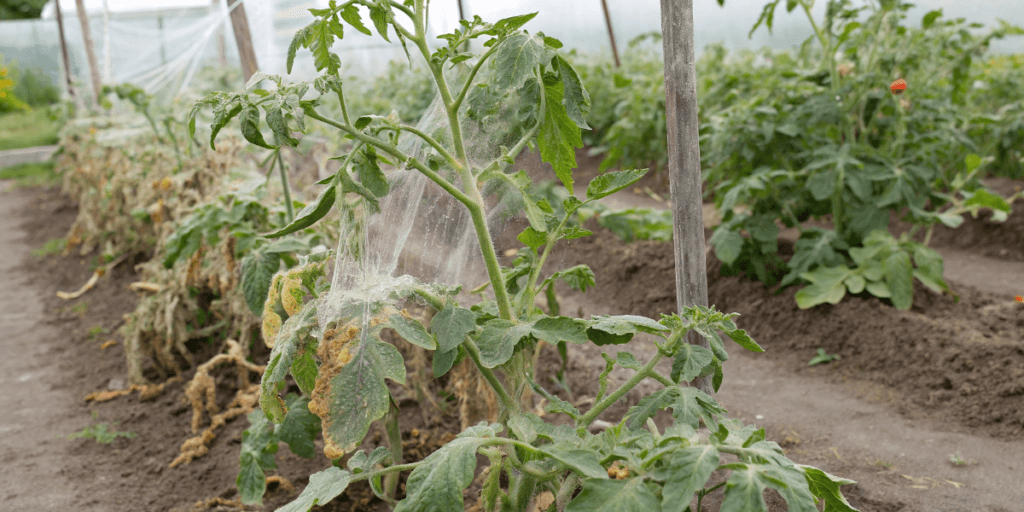
Many pests also prefer specific conditions. Spider mites often build up during hot, dry weather, while slugs and snails usually appear during damp periods or in crowded beds with poor airflow. When checking a tomato plant, look at the leaves, stems, fruit clusters, and soil line before deciding what to do.
Large Chewed Leaves or Missing Foliage
Large missing sections of leaves usually point toward chewing caterpillars rather than tiny sap-feeding insects.
Likely pests:
- Tomato hornworms
- Caterpillars
- Armyworms
What to check:
- Stems and undersides of leaves
- Dark droppings near damaged foliage
- Small eggs or young caterpillars near new damage
Hornworms, especially, can strip major foliage surprisingly fast once plants become large and dense.
Tiny Holes in Leaves
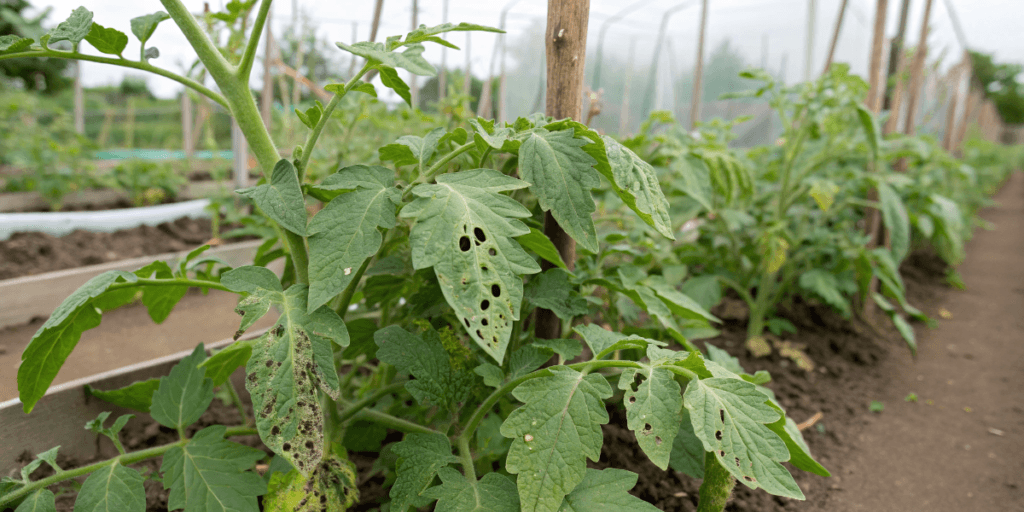
Tiny scattered holes, often called shot-hole damage, usually appear early in the season, shortly after transplanting.
Likely pests:
- Flea beetles
- Young chewing insects
What to check:
- Young seedlings
- Newly transplanted tomatoes
- Tiny jumping beetles when leaves are disturbed
Small seedlings usually suffer the worst damage because they have limited foliage to recover from feeding.
Sticky, Curled, or Yellowing Leaves
Sticky residue and curling growth usually indicate sap-feeding insects rather than chewing pests.
Likely pests:
- aphids
- whiteflies
- thrips
What to check:
- tender new growth
- undersides of leaves
- sticky residue
- ants moving up and down the plant
Ants are often a clue that aphids are present because they feed on the sticky honeydew aphids leave behind.
Speckled Leaves or Fine Webbing
Fine speckling combined with dusty-looking leaves often points toward spider mites.
Likely pests:
- spider mites
What to check:
- hot, dry conditions
- leaf undersides
- dusty-looking foliage
- fine webbing between leaves and stems
Mite damage often worsens quickly during heat waves when container tomatoes dry out faster than usual.
Winding Trails or Silvery Leaf Scarring
Winding trails or silvery scraped areas usually point to pests that feed inside or scrape the leaf surface.
Likely pests:
- leafminers
- thrips
What to check:
- pale winding tunnels inside leaves
- silvery streaks or scarring
- distorted tender growth
This damage is often more noticeable on leaves than fruit unless the infestation becomes severe.
Holes, Spots, or Tunnels in Tomato Fruit
Fruit damage becomes more common once tomatoes begin ripening.
Likely pests:
- tomato fruitworms
- tomato pinworms
- stink bugs
- leaf-footed bugs
What to check:
- entry holes near the stem end
- cloudy spots
- soft damaged areas
- tunnels or dark frass inside damaged fruit
- bugs feeding on ripening fruit
Some fruit damage may not appear obvious until tomatoes begin coloring up.
Seedlings Cut Off at Soil Level
Sudden overnight seedling collapse usually points toward cutworms.
Likely pest:
- cutworms
What to check:
- soil around the base of young plants
- overnight damage
- curled larvae hiding just under the soil surface
Young transplants are most vulnerable during the first week after planting.
What Bugs Eat Tomato Plants?
Many different insects feed on tomato plants, but they do not all damage the plant in the same way. Some chew leaves, others suck sap, and some feed directly on ripening fruit.
The most common tomato plant pests include:
- Tomato hornworms
- Aphids
- Whiteflies
- Spider mites
- Flea beetles
- Cutworms
- Stink bugs
- Leaf-footed bugs
- Fruitworms
- Leafminers
- Thrips
- Slugs and snails
The type of damage is often a better clue than the insect itself, especially since many pests feed at night or hide beneath leaves during the day.
Tomato Hornworms
Tomato hornworms blend into healthy green foliage surprisingly well, making them difficult to spot until you slow down and inspect plants carefully.
A healthy-looking tomato plant can suddenly appear stripped or uneven almost overnight once hornworms become active.
How to Identify Hornworms
Tomato hornworms are large green caterpillars with white V-shaped markings along the body and a horn-like projection near the tail end.
They usually cling tightly to stems or leaf undersides during the day. If you notice fresh dark droppings (frass) on lower leaves or the ground beneath the plant, look directly above them; hornworms are often feeding nearby.
Hornworms often match the exact color of healthy tomato foliage, making them surprisingly difficult to spot until feeding damage becomes severe. Looking for fresh droppings is usually much faster than searching leaf by leaf.
Penn State Extension notes the rear horn and V-shaped markings as key identification features.
Damage They Cause
Hornworms chew large sections from leaves and can defoliate mature plants quickly if several are feeding together.
Common signs include:
- missing foliage
- stripped stems
- large dark droppings on leaves or soil
- partially chewed green tomatoes
Damage often starts near the upper canopy where plants are thickest.
How to Control Them
Handpicking is usually the fastest and most effective home-garden solution.
- handpick early morning or evening
- inspect leaves and stems carefully for several days after finding one hornworm
- leave hornworms with white parasite cocoons alone
- drop pests into a bucket of soapy water
Those white cocoons belong to beneficial parasitic wasps that naturally help control hornworms.
Aphids on Tomato Plants
Aphids usually gather on tender new growth, flower buds, and the undersides of young leaves where plant tissue is softest. Small populations are common and often manageable, but large outbreaks can weaken plants quickly if ignored during warm weather.
They reproduce rapidly, so a small colony can become a large infestation within days during warm weather.
How to Identify Aphids
Aphids are tiny pear-shaped insects that cluster on stems, leaf undersides, or new growing tips.
They may appear:
- green
- black
- yellow
- gray
Leaves often look crowded or distorted before gardeners notice the insects themselves.
Signs of Aphid Damage
Aphids feed by sucking sap from plants.
Common signs include:
- curled leaves
- sticky residue
- distorted growth
- yellowing foliage
- stunted new growth
- ants climbing plants
Heavy infestations can slow plant growth and reduce overall vigor.
First Fixes
Small infestations are often easy to manage without aggressive spraying.
- spray off with water
- prune heavily infested tips if needed
- encourage ladybugs and lacewings
Strong water sprays work best early before colonies spread through the plant canopy.
Whiteflies
Whiteflies are especially common in warm climates, greenhouses, patios, and crowded container setups. They tend to gather under leaves, where they stay protected from direct sunlight and predators.
Many gardeners first notice them when tiny white insects suddenly fly upward after brushing the plant.
How to Identify Whiteflies
Whiteflies are tiny white-winged insects that cluster under leaves. If disturbed, the adults fly up in small clouds, but the immature stages remain attached underneath the leaves and continue feeding.
You’ll usually find them concentrated around:
- lower leaf undersides
- crowded foliage
- tender growth
Damage They Cause
Whiteflies feed on plant sap and weaken tomatoes gradually over time.
Common symptoms include:
- Yellowing leaves
- Sticky honeydew
- Reduced plant vigor
- Slowed plant growth
- Leaf drop during heavy infestations
Sticky residue can eventually lead to black sooty mold on leaves.
How to Manage Whiteflies
Consistent monitoring matters more than occasional heavy treatment.
- Inspect undersides of leaves
- Remove badly infested leaves
- Use yellow sticky traps to monitor adult populations
Crowded patio tomatoes often develop worse whitefly problems because poor airflow allows populations to build more quickly.
Spider Mites
Spider mites become most aggressive during hot, dry weather, especially when tomatoes experience watering stress. They are tiny enough to miss at first, which is why many infestations go unnoticed until leaves start bronzing or looking dusty.
Container tomatoes and greenhouse-grown plants commonly develop mite problems during prolonged hot weather.
How to Identify Spider Mites
Spider mites are extremely small and usually found underneath leaves, so the fine speckling they leave behind is often the first sign gardeners notice.
Signs include:
- tiny pale speckles
- fine webbing
- dull gray-green foliage
- bronzed leaves
- yellowing leaves during heavy infestations
Webbing usually appears once infestations become more severe.
Why They Become a Problem
Spider mites thrive during:
- heat waves
- dry conditions
- inconsistent watering
- dusty environments
Plants growing near hot patios, walls, or reflective surfaces often struggle more with mites.
First Fixes
Early intervention helps prevent explosive outbreaks.
- rinse leaf undersides with a strong stream of water
- improve watering consistency
- remove badly damaged foliage
Rinsing works best when repeated consistently every few days rather than only once.
Flea Beetles
Flea beetles are mostly an early-season problem, especially for young tomato transplants. Mature plants usually outgrow minor feeding damage, but seedlings can become severely weakened when populations are high.
NC State lists flea beetles among pests that commonly threaten tomato transplants.
How to Identify Flea Beetle Damage
Flea beetles leave many tiny “shot holes” across leaves.
You may also notice tiny dark beetles jumping quickly when disturbed. They often jump or fly away when the leaves are touched, making them easier to notice than to catch.
Damage is usually worst on:
- Seedlings
- Newly transplanted tomatoes
- First true leaves
- Young tender foliage
When Flea Beetles Are Most Harmful
Young plants are most vulnerable because they have limited leaf area to recover from damage.
Flea beetles tend to appear heavily during:
- Warm spring weather
- Dry conditions
- Early transplant periods
Older established plants usually tolerate feeding much better.
How to Protect Young Plants
Protecting tomatoes early often prevents long-term setbacks.
- Row cover early if needed
- Keep seedlings healthy
- Remove nearby weeds
Healthy fast-growing transplants typically recover better than stressed seedlings.
Cutworms
Cutworms are frustrating because the damage appears suddenly. A healthy transplant can look perfectly fine in the evening, then collapse by morning with the stem severed near soil level.
They usually attack young plants shortly after transplanting. Cutworms feed mostly at night and hide in the soil during the day, which is why gardeners often see the damage before they ever see the pest.
How to Identify Cutworm Damage
Cutworms chew through stems right at or just below the soil line.
Common signs include:
- fallen seedlings
- cut stems
- overnight damage
- missing young plants
Sometimes the plant remains attached but badly weakened. A single cutworm may damage more than one young plant in the same night.
Where Cutworms Hide
Cutworms hide during the day in nearby soil, mulch, or debris.
Check:
- Soil around damaged plants
- Shallow soil cracks
- Mulch near stems
They are easiest to find shortly after damage appears.
Prevention and Fixes
Prevention works much better than reacting after plants are cut.
- use cardboard or foil collars around new transplants
- check soil near damaged seedlings
- keep beds clean before planting
Simple cardboard or foil collars often protect stems effectively during the vulnerable transplant stage.
Stink Bugs and Leaf-Footed Bugs
These pests mainly target tomato fruit rather than foliage. They feed using piercing mouthparts that damage fruit internally, sometimes before gardeners notice visible symptoms.
They feed on both green and ripening tomatoes, although damage often becomes more noticeable as fruit begins to color.
How to Identify Them
Stink bugs are shield-shaped insects, while leaf-footed bugs have flattened leaf-like expansions on their hind legs.
They usually gather around:
- ripening tomatoes
- fruit clusters
- upper stems
- warm sunny foliage
Damage They Cause
Feeding damage often appears as:
- pale or cloudy spots on fruit
- tough patches under skin
- uneven ripening
University of Maryland describes this as “cloudy spot” damage.
Fruit may still look mostly normal outside while developing tough internal tissue.
How to Reduce Damage
Reducing hiding places helps limit populations.
- remove weeds near tomato beds
- handpick when numbers are low
- harvest ripe fruit promptly
Overripe fruit left hanging tends to attract more feeding activity.
Tomato Fruitworms and Pinworms
Fruitworms and pinworms usually become noticeable once tomatoes start forming and ripening. Unlike foliage pests, these insects damage the actual harvest directly.
Small entry holes often appear near the stem before soft rot follows.
How to Identify Fruit Damage
Look for:
- small holes in fruit
- tunneling inside tomatoes
- soft damaged areas
- dark feeding spots
- dark droppings (frass) near entry holes
Nearby fruit clusters often contain additional damage.
When They Become a Problem
Fruitworms tend to increase during warm midsummer weather when tomatoes are ripening heavily.
Problems become worse when:
- Damaged fruit stays on plants
- Harvesting becomes inconsistent
- Overripe tomatoes remain hanging
What to Do
Early cleanup helps limit spreading damage.
- Remove damaged fruit
- Inspect nearby fruit clusters, because nearby fruit is often affected first
- Keep plants picked regularly
Do not compost heavily infested fruit unless your compost pile gets hot enough to kill insect larvae.
Leafminers and Thrips
These pests often cause cosmetic foliage damage first, though severe infestations can weaken plants over time. Thrips also matter because some species may spread tomato viruses in certain regions.
They are easier to control early before populations build, but the damage they leave behind can look different from chewing pests. Leafminers leave trails inside the leaf, while thrips scrape and scar tender tissue.
Leafminer Damage
Leafminers create:
- Winding trails inside leaves
- Blotchy pale tunnels
- Translucent damaged areas
Damage is mostly cosmetic unless infestations become severe. Since the larvae feed inside the leaf, sprays usually do not fix existing leafminer trails; removing badly affected leaves is often the most practical first step.
Thrip Damage
Thrips commonly cause:
- Silvery scarring
- Distorted tender growth
- Rough leaf texture
- Possible virus risk in some regions
Tiny dark specks of waste sometimes appear near damaged tissue. If you are unsure, gently shake flowers or tender growth over a sheet of white paper and look for tiny, narrow insects moving around.
First Fixes
Most mild infestations improve with early cleanup and stronger plant health.
- Remove badly affected leaves
- Encourage beneficial insects
- Avoid unnecessary broad spraying
Broad insecticide spraying often kills beneficial predators that naturally help control thrips.
Slugs and Snails Around Tomato Plants
Slugs and snails usually target lower foliage and fruit touching damp soil. Problems often increase during rainy stretches, heavy mulch buildup, or overcrowded beds with poor airflow.
Raised beds can still develop slug problems, especially in shaded or overly moist sections. The easiest time to confirm them is early morning, evening, or after rain, when they are more likely to be active.
Signs of Slug or Snail Damage
Common signs include:
- Irregular holes
- Slime trails
- Chewed low leaves
- Damaged fruit near soil
Damage is often worse overnight, after rain, or during extended periods of damp weather.
Why They Show Up
Slugs thrive in:
- Damp mulch
- Crowded beds
- Shaded conditions
- Overly wet soil
Tomatoes sprawling across the ground create ideal hiding spots.
Fixes
Simple environmental changes often reduce problems significantly.
- Keep fruit off the ground
- Avoid overly wet conditions
- Improve spacing and support
- Remove boards, weeds, or debris where slugs hide during the day
Morning watering usually dries beds faster than evening watering.
Beneficial Insects You Should Not Remove
Not every insect on tomato plants is harmful. Many beneficial predators actively reduce pest populations naturally, especially in gardens with diverse flowers and limited pesticide use.
Gardeners sometimes accidentally remove their best pest control helpers, especially when they spray before identifying the pest.
Ladybugs and Lacewings
Ladybugs and lacewing larvae feed heavily on:
- Aphids
- Whiteflies
- Small soft-bodied pests
Lacewing larvae are especially useful because they feed actively while they are young.
Parasitic Wasps
Parasitic wasps help control:
- Hornworms
- Caterpillars
Hornworms covered in white cocoons should be left alone because those cocoons contain beneficial wasp pupae.
Spiders, Ground Beetles, and Predatory Beetles
Spiders, ground beetles, and predatory beetles help reduce pest populations naturally.
They commonly hunt:
- Caterpillars
- Aphids
- Mites
- Small insects
- Soil-level pests
A healthy garden usually contains a mix of predators alongside minor pest populations.
Pest Problems in Container Tomatoes
Container tomatoes often experience different pest patterns than in-ground plants because pots heat up and dry out faster. Stress alone can make plants more attractive to sap-feeding pests.
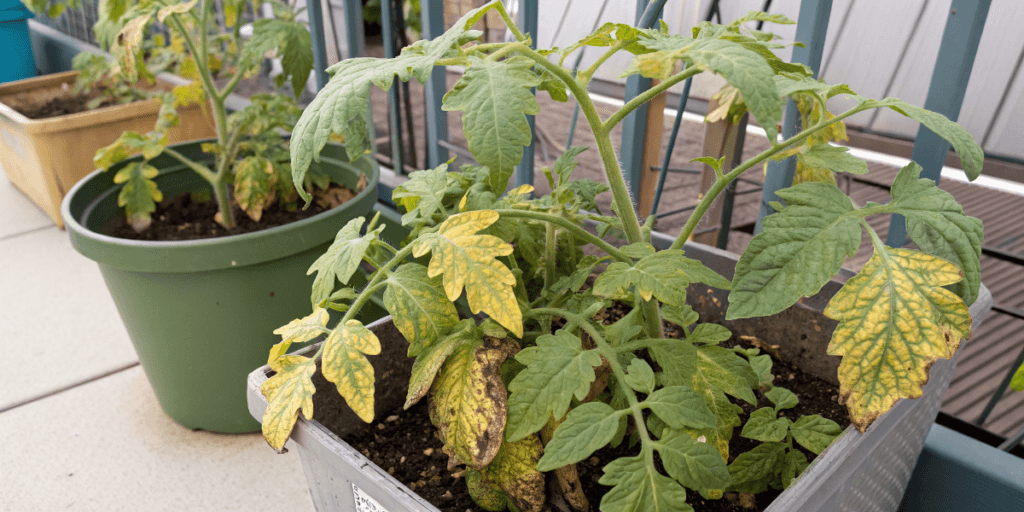
Patio corners with limited airflow also tend to trap heat and insects.
Common Container Tomato Pests
Common pests include:
- Aphids
- Whiteflies
- Spider mites
Spider mites are especially common during prolonged hot weather, while aphids and whiteflies often gather on tender new growth and leaf undersides.
Why Containers Can Attract Pests
Container stress factors include:
- Heat stress
- Drying soil
- Crowded patio conditions
- Reused pots with old plant debris
Light-colored containers generally stay cooler than dark pots, which may help reduce heat stress during extremely hot weather.
Container Pest Prevention
Consistent care prevents many outbreaks.
- Check plants often, especially during hot weather
- Water consistently
- Avoid placing pots too close together
- Remove old leaves and fallen fruit from the pot surface
- Use yellow sticky traps nearby to monitor whiteflies
Even small spacing improvements between containers can noticeably improve airflow.
Pest Problems in Raised Bed Tomatoes
Raised beds improve drainage and soil warmth, but they can still develop pest problems depending on spacing, moisture, and planting habits.
Dense tomato growth often creates humid interior foliage where pests hide easily. Raised beds are also easy to overplant, which makes pest scouting harder later in summer.
Common Raised Bed Pest Patterns
Common patterns include:
- Hornworms on mature plants
- Flea beetles on young transplants
- Slugs in damp beds
- Stink bugs or leaf-footed bugs near ripening fruit
Beds packed tightly with tomatoes usually become harder to inspect thoroughly later in summer.
Raised Bed Prevention Tips
Good cleanup and spacing help prevent recurring infestations.
- avoid overcrowding
- keep lower fruit and foliage off the soil
- rotate tomatoes or other nightshades when possible
- remove old tomato debris after harvest
Old plant debris often shelters overwintering pests.
Natural Ways to Prevent Tomato Pests
Prevention is usually easier than controlling large infestations later. Healthy, regularly inspected plants tend to recover faster and attract fewer severe pest problems overall.
Most serious outbreaks begin with small unnoticed populations. During hot, humid, or very dry weather, check more often because pest numbers can increase quickly. Just five minutes spent inspecting tomato plants every few days often prevents more damage than treating a large infestation later.
Inspect Plants Weekly
Check:
- Leaf undersides
- Stems
- Fruit clusters
- New growth
- Soil line around young plants
Early detection often prevents major damage. During peak pest season, a quick check every few days is better than waiting a full week.
If you suspect hornworms, cutworms, slugs, or snails but cannot find them during the day, inspect your plants with a flashlight after dark. Many of these pests are much easier to spot when they are actively feeding.
Support Beneficial Insects
Flowering herbs and pollinator plants help attract natural predators.
Avoid spraying broad insecticides unless necessary.
Keep Plants Healthy
Healthy, actively growing tomato plants recover from minor pest feeding much more easily than stressed plants. Good spacing, airflow, and steady growth all help reduce pest pressure.
Remove Pest Hiding Places
Clean up:
- Weeds
- Fallen fruit
- Damaged foliage
- Old tomato debris
Overgrown areas near beds often shelter pests.
Use Row Covers at the Right Time
Row covers work best:
- Early in the season
- Right after transplanting
- Before pests are already inside
- Before flowering
Covers usually need removal once pollination becomes important.
When Pest Damage Is Not Caused by Insects
Before treating tomato pests, make sure insects are actually causing the problem. Yellow leaves, brown spots, blossom-end rot, sunscald, nutrient deficiencies, and drought stress can all look similar but require different solutions.
If you cannot find insects, webbing, droppings, tunnels, eggs, or feeding damage after a careful inspection, consider whether disease or environmental stress may be the real cause instead.
Recheck the plant over the next day or two before treating, since some pests feed only at night or hide during the day.
Safe Pest Control Methods for Home Gardeners
Many tomato pest problems improve with simple physical control methods rather than heavy chemical treatment. Home gardens usually respond best to targeted action instead of broad spraying.
Always identify the pest first before choosing treatment. The safest first fix is usually the one that solves the problem with the least disruption to the plant, pollinators, and beneficial insects.
Handpicking
Handpicking works best for:
- Hornworms
- Larger caterpillars
- Stink bugs
- Leaf-footed bugs
Early morning and evening inspections are usually most effective because many pests are slower and easier to spot then.
Strong Water Spray
Strong water sprays help remove:
- Aphids
- Spider mites
- Whiteflies
Focus especially on leaf undersides, where these pests usually gather. Repeat every few days if needed, because one rinse rarely removes every insect or egg.
Pruning Infested Leaves
Pruning works well when infestations remain localized.
Remove heavily damaged or crowded foliage before pests spread through the canopy. Avoid stripping too many healthy leaves at once, especially during hot weather, because tomatoes still need foliage to shade fruit and support growth.
Insecticidal Soap or Horticultural Oil
These products work best for soft-bodied pests.
- Best for aphids, whiteflies, mites, and thrips
- Must contact the pest directly
- May need repeat applications
- Avoid spraying during hot sun or on drought-stressed plants
Horticultural oils and insecticidal soaps can help when used carefully, but they are not “set it and forget it” treatments. Good coverage on leaf undersides matters more than applying extra product.
When to Use Organic Pest Products
Use stronger products only after identifying the pest clearly.
- Only after identifying the pest
- Follow label instructions exactly
- Avoid spraying open flowers when pollinators are active
- Choose the most targeted option for the pest
Even organic products can harm beneficial insects if overused.
When Pest Damage Is Serious
Not every damaged leaf requires intervention. Tomato plants often tolerate mild feeding surprisingly well once they become large and established.
The bigger concern is rapid escalation. If damage spreads from a few leaves to whole branches, fruit clusters, or several plants, it is time to act more quickly.
Minor Damage Is Usually Manageable
A few holes or occasional damaged leaves rarely justify aggressive treatment.
Healthy tomatoes often outgrow small amounts of pest feeding naturally.
Serious Damage Signs
Watch for:
- Fast leaf loss
- Wilting seedlings
- Multiple damaged fruits
- Pest numbers increasing quickly
- Damage spreading to several plants
- Pests returning after repeated first fixes
Rapid decline usually signals a larger active infestation.
When to Remove Damaged Fruit or Leaves
Selective cleanup often improves control.
- Remove fruit with holes or soft damage
- Prune infested leaves badly if it improves control
- Remove fallen fruit from the soil surface
Do not remove excessive healthy foliage during hot weather.
Common Tomato Pest Control Mistakes
Many pest problems worsen because gardeners react too quickly or wait too long. Correct identification and steady monitoring usually matter more than aggressive treatment.
Small, consistent actions tend to work better than occasional heavy intervention.
Treating Before Identifying the Pest
Different pests require different approaches.
Spraying randomly often wastes time, misses the real pest, and may harm beneficial insects.
Killing Beneficial Insects
Broad spraying may remove:
- Ladybugs
- Lacewings
- Parasitic wasps
- Predatory beetles
This sometimes creates even larger pest outbreaks later.
Ignoring Leaf Undersides
Many pests hide underneath leaves where gardeners rarely look.
A quick top-down inspection often misses aphids, whiteflies, mites, eggs, and young insects.
Waiting Until Damage Is Severe
Most pests are easier to manage early.
Large infestations spread much faster through dense summer foliage.
Spraying During Hot Midday Weather
Insecticidal soaps and horticultural oils can damage tomato leaves if applied during hot, sunny conditions. Spray early in the morning or later in the evening, and always follow the product label.
Overcrowding Tomato Plants
Crowded plants reduce airflow and make inspections harder.
Dense canopies also shelter pests from predators and make sprays less effective when treatment is needed.
Leaving Damaged Fruit on the Plant
Damaged fruit attracts additional insects and sometimes rot problems.
Frequent harvesting and quick cleanup help reduce ongoing pest pressure.
Quick Tomato Pest Identification Chart
Quick symptom matching helps narrow problems faster before damage spreads.
Leaves Stripped Overnight
- Likely pest: hornworms
- First fix: handpick and inspect foliage
Tiny Holes in Leaves
- Likely pest: flea beetles
- First fix: protect young plants with row covers
Sticky Curled Leaves
- Likely pest: aphids, whiteflies, thrips
- First fix: spray with water and encourage beneficial insects
Tiny White Insects Fly Up When Disturbed
- Likely pest: whiteflies
- First fix: inspect leaf undersides and use yellow sticky traps to monitor adults
Winding Trails Inside Leaves
- Likely pest: leafminers
- First fix: remove badly affected leaves and monitor new growth
Seedlings Cut at Soil Level
- Likely pest: cutworms
- First fix: add collars around young plants
Pale Spots on Fruit
- Likely pest: stink bugs or leaf-footed bugs
- First fix: remove nearby weeds, handpick bugs, and monitor ripening fruit
Webbing and Speckled Leaves
- Likely pest: spider mites
- First fix: rinse leaf undersides and reduce plant stress
Slime Trails or Irregular Holes Near the Ground
- Likely pest: slugs or snails
- First fix: improve airflow, keep fruit off the ground, and reduce overly wet conditions
Holes in Fruit
- Likely pest: fruitworms or pinworms
- First fix: remove damaged fruit and inspect nearby clusters
Conclusion
Tomato pest problems can look overwhelming at first, especially during midsummer when plants are large and fruit is ripening heavily. But most home garden infestations become manageable once you slow down, identify the damage pattern correctly, and respond early.
A few missing leaves rarely ruin a healthy tomato plant. The bigger problems usually come from unchecked populations, stressed plants, overcrowding, or waiting too long to inspect regularly.
Most tomato pests are easiest to control while populations are still small, which is why regular inspection is usually more effective than reacting after serious damage appears.
Weekly plant checks, steady watering, good airflow, and quick cleanup of damaged foliage or fruit will prevent most serious pest problems before they spread. In many gardens, beneficial insects provide more long-term pest control than repeated spraying, making them one of your best tools for keeping tomato plants healthy.


Leave a Reply