
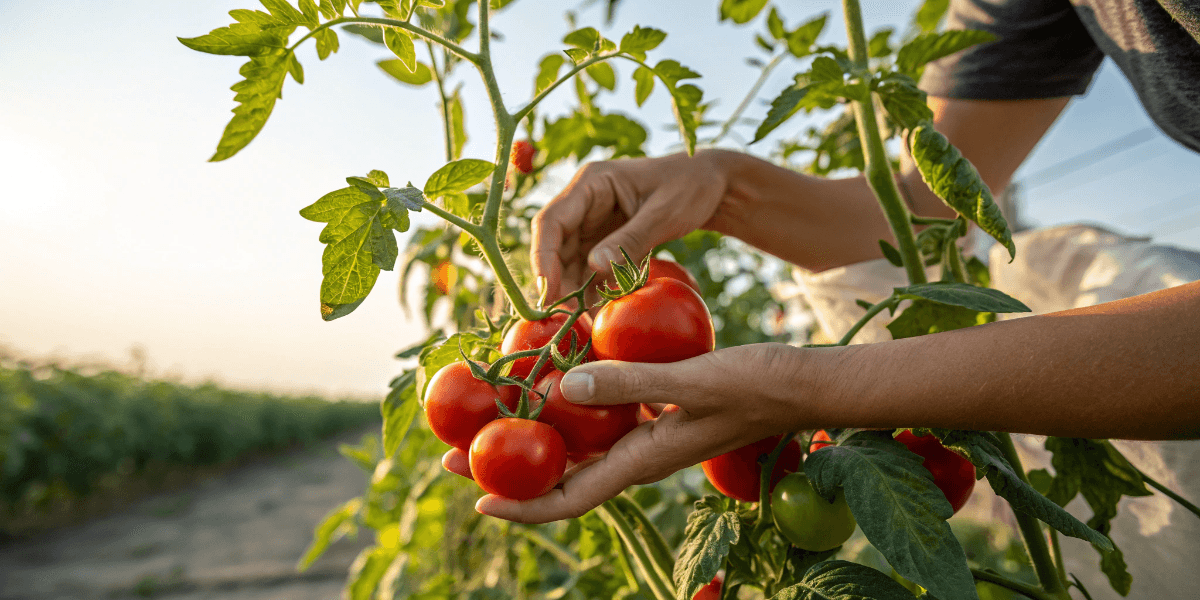
Knowing when to pick tomatoes comes down to the ripening stage, weather conditions, pest pressure, and how soon you plan to eat them. For the best balance of flavor and crop protection, tomatoes can usually be picked once they reach the breaker stage and begin showing their first mature color. If conditions are stable and you plan to eat them right away, leaving them on the vine until fully ripe gives you the softest texture and excellent fresh flavor.
Leaving tomatoes on the vine until they are fully colored and slightly soft can give them their best immediate flavor and texture. However, those extra days on the plant also increase the risk of cracking after rain, pest damage, and overripening.
The right harvest time, therefore, depends on the weather, pest pressure, and how soon you plan to use the tomatoes, not simply on whether the fruit has reached its final color.
Quick Harvest Guide:
- Pick at the breaker stage when heavy rain, pests, or extreme heat are expected.
- Leave tomatoes on the vine until fully ripe when conditions are stable, and you will eat them soon.
- Harvest mature green tomatoes only when frost is approaching or the season is ending.
- Check ripening plants every one to two days so fully ripe fruit does not remain on the vine too long.
Harvest timing is only one part of producing high-quality fruit. If you’re new to the crop, start with my complete guide on how to grow tomatoes for planting, watering, feeding, support, and seasonal care.
When to Pick Tomatoes
Tomatoes don’t all need to stay on the vine until they’re completely red. The best harvest time depends on the conditions in your garden and how soon you plan to use the fruit. Once tomatoes reach maturity, you can harvest them before they’re fully ripe if weather, pests, or timing make it the better choice.
Pick at Breaker Stage When
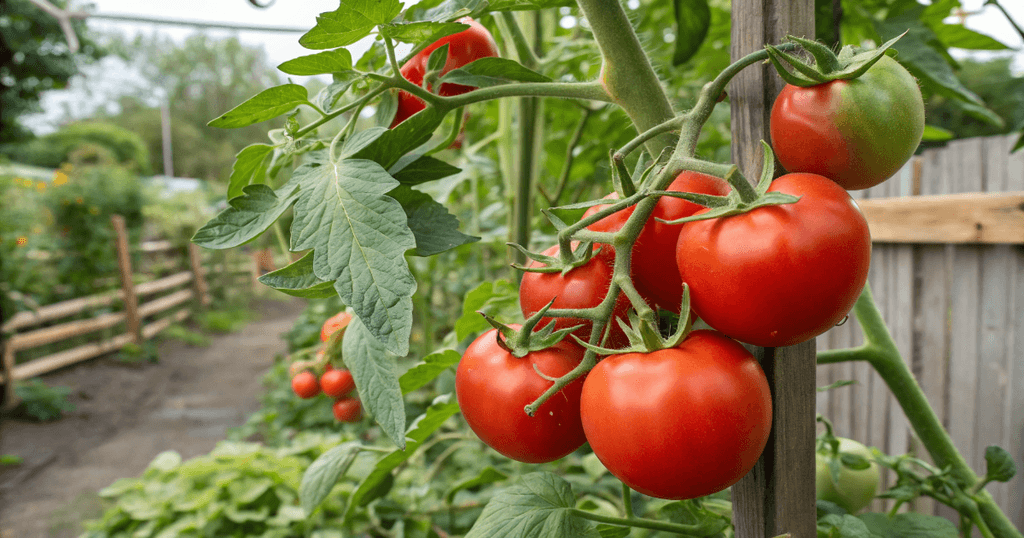
The breaker stage begins when about 10–30% of the tomato has changed from green to its final color.
Harvest at this stage if:
- Heavy rain is expected within the next day.
- Birds, squirrels, or insects have started damaging fruit.
- You want to reduce the risk of fruit cracking.
- The fruit has begun changing color.
- You want tomatoes to finish ripening indoors.
- You won’t be able to check your garden for several days.
Pick Fully Ripe When
Leave tomatoes on the vine until fully colored if:
- Weather is dry and stable.
- Pest pressure is low.
- You plan to eat them immediately.
- You want the softest texture for fresh sandwiches or salads.
Pick Early (Mature Green) Only When
Harvest mature green tomatoes when:
- You need to remove plants before frost or severe weather.
- Frost is forecast.
- The growing season is ending.
- The plant is declining rapidly.
What “Ripe” Really Means for Tomatoes
Many gardeners judge ripeness by color alone, but the best tomatoes show several signs that they’re ready to harvest. Looking at color, texture, and a few other clues together helps you harvest at the right time more consistently.
Color Development (First Reliable Sign)
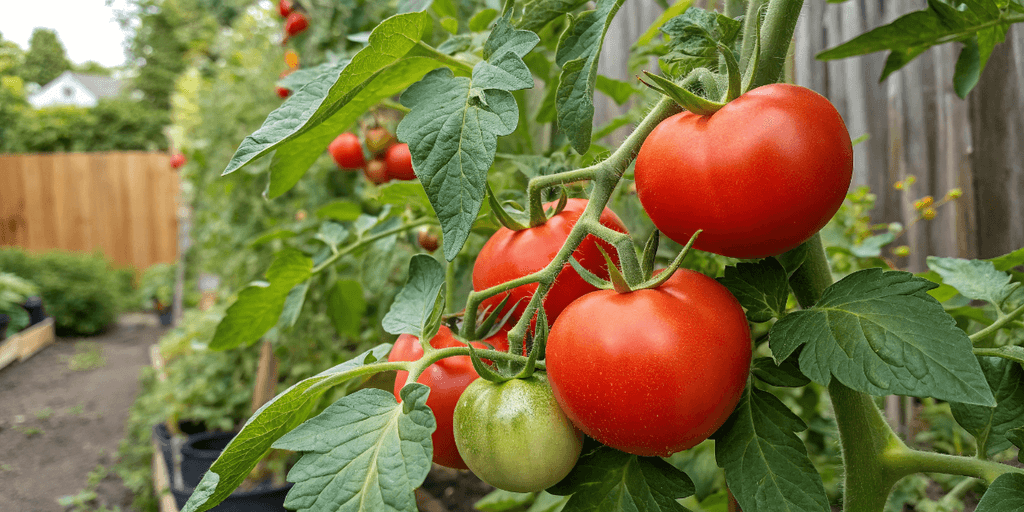
Color change is usually the first clue. Whether your variety ripens red, yellow, orange, purple, or nearly black, most of the fruit should have developed its mature color.
Some heirloom varieties naturally keep green shoulders or darker tops, so learn what your specific variety should look like. If you’re unsure, check the seed packet or variety description for its expected ripe color.
No single sign is perfect on its own, so use color, firmness, and ease of picking together when deciding whether to harvest.
Slight Softness (Not Mushy)
A ripe tomato should give slightly when gently squeezed.
It should feel:
- Firm but not hard.
- Slightly springy.
- Never squishy or collapsing.
Rock-hard tomatoes usually need more time, while very soft fruit should be harvested immediately.
Easy to Pick From the Vine
Ripe tomatoes usually separate from the vine with a gentle twist or slight lift.
If you have to pull hard, the fruit probably needs more time unless you’re intentionally harvesting at the breaker stage.
Smell and Fullness (Advanced Signal)
Fully ripe tomatoes develop a noticeable tomato aroma near the stem.
They also tend to look fuller and have a healthy sheen rather than the dull appearance of immature fruit. After harvesting a few batches, you’ll quickly learn what ripe fruit looks and feels like for each variety you grow.
Tomato Ripening Stages Explained
Tomatoes don’t all need to be harvested at the same stage. Understanding how each ripening stage looks and when it’s best to harvest helps you make better decisions based on weather, pests, and when you plan to use the fruit.
| Ripening Stage | Should You Pick? | Best For |
|---|---|---|
| Mature green | Only when necessary | Harvesting before frost or at the end of the season |
| Breaker | Yes | Best balance of flavor, indoor ripening, and crop protection |
| Turning / pink | Yes | Fresh eating soon or finishing ripening indoors |
| Fully ripe | Pick now | Best fresh flavor and texture |
| Overripe | Pick immediately | Sauces or cooking if the fruit is still sound |
Mature Green Stage
The tomato has reached full size but remains completely green. The fruit should feel firm and glossy rather than small or dull.
Characteristics include:
- Full-sized fruit.
- Mature seeds.
- Firm texture.
- No visible color change.
Harvest at this stage only when necessary, such as before frost.
Breaker Stage (Best Balance)
The breaker stage is often considered the sweet spot between flavor and protection.
Characteristics include:
- The first blush of the final color appears.
- About 10-30% of the fruit has changed color.
- Fruit continues ripening normally indoors.
- Reduces the risk of cracking, pests, and storm damage.
For most home gardeners, this offers the best balance between flavor, flexibility, and protecting the crop.
Turning / Pink Stage
Most of the tomato has changed to its final color, but it’s still slightly firm.
At this stage:
- Most flavor has already developed.
- Fruit finishes ripening quickly.
- A good choice for tomatoes you’ll eat within a couple of days.
Fully Ripe Stage
The tomato has reached its full mature color and gives slightly when gently squeezed.
This stage offers:
- Best texture for fresh eating.
- Excellent fresh flavor.
- Best eating quality immediately after harvest.
Don’t leave fully ripe tomatoes sitting on the vine longer than necessary. Harvesting promptly helps you stay ahead of weather, pests, and overripening.
Breaker Stage vs. Vine-Ripened Tomatoes
One of the most common tomato questions is whether fruit tastes better if it’s left on the vine until fully ripe. In most home gardens, the answer depends less on the last few days of ripening and more on the growing conditions throughout the season.
Why Breaker Stage Works
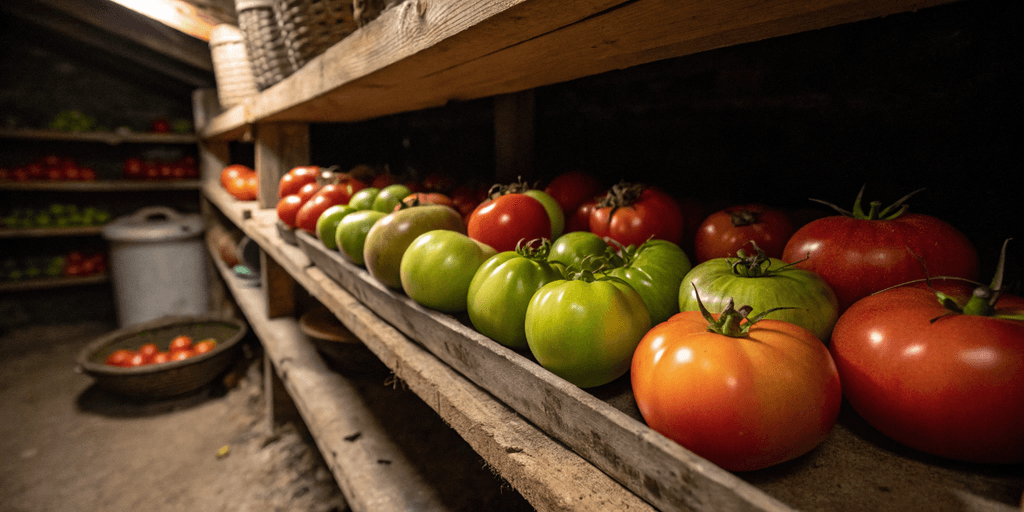
By the time a tomato reaches the breaker stage, it has completed most of its development and can finish ripening normally after harvest.
Harvesting at this stage offers several advantages:
- Tomatoes continue ripening naturally indoors.
- Lower risk of cracking after heavy rain.
- Reduced bird and insect damage.
- Easier harvest planning.
- Less chance of fruit becoming overripe on the vine.
When Vine Ripening Is Better
Leaving tomatoes on the vine until fully ripe makes sense when conditions are favorable.
Good situations include:
- Mild temperatures.
- Stable weather.
- Healthy plants.
- Low pest pressure.
- Daily garden checks.
- You can harvest the fruit as soon as it becomes fully ripe.
The Real Flavor Difference
Many gardeners expect a dramatic improvement from leaving tomatoes on the vine until completely ripe. In practice, the difference is usually modest.
For most home gardeners, these factors have a much greater impact on flavor than harvesting at the breaker stage versus full vine ripeness:
- Growing a flavorful variety.
- Consistent watering.
- Plenty of sunlight.
- Healthy soil.
- Harvesting before the fruit becomes overripe.
When to Pick Tomatoes Early (Critical Decision Section)
Harvesting tomatoes a little early can often preserve quality better than leaving them on the vine. Watching the weather and your plants helps you decide when protecting the crop is more important than waiting for full vine ripeness.
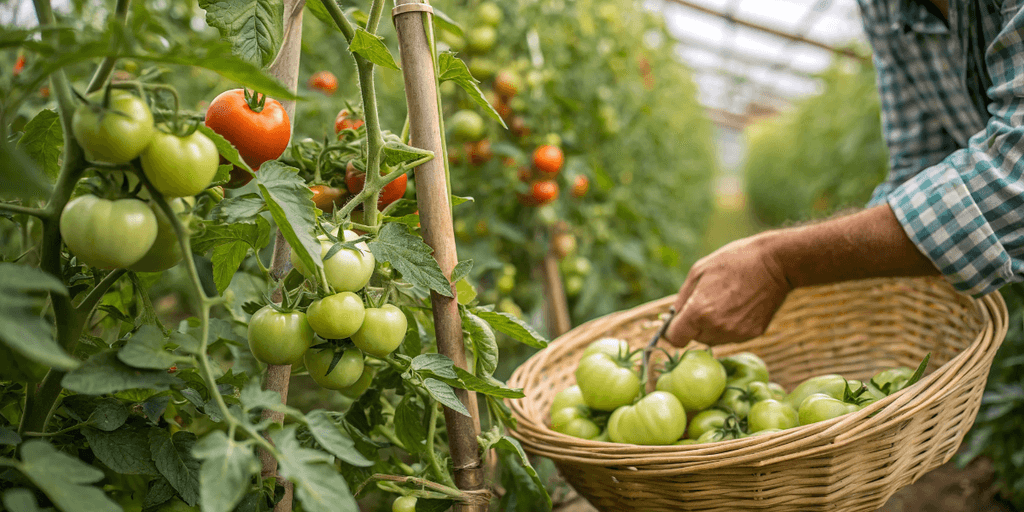
Before Heavy Rain
Heavy rain after a dry period commonly causes tomatoes to crack. If fruit has reached the breaker stage, harvest before the storm arrives.
The tomatoes will continue ripening indoors while avoiding cracks that reduce quality and storage life.
During High Pest Activity
Once birds, squirrels, stink bugs, or other pests discover ripe tomatoes, damage often increases quickly.
Harvest breaker-stage fruit before pests have a chance to damage them.
During Heat Waves
Extreme heat doesn’t necessarily improve ripening.
During prolonged temperatures above about 90°F (32°C), tomatoes may stop coloring normally, soften too quickly, or develop sunscald on exposed fruit. Harvesting breaker-stage fruit helps reduce the risk of sunscald and overripening.
Before Frost
Frost damages tomato tissue almost immediately.
If frost is expected:
- Harvest all breaker-stage fruit.
- Harvest mature green tomatoes.
- Remove nearly ripe fruit regardless of color.
Most mature green tomatoes will continue ripening indoors if they’ve reached full size before harvest.
When to Harvest Tomatoes by Type
Different tomato types ripen a little differently, but the same basic harvest principles apply. Knowing what to look for in each type helps you pick fruit at its best flavor and texture.
Cherry and Grape Tomatoes
Cherry and grape tomatoes often ripen very quickly once they begin changing color, especially during warm weather.
Harvest when:
- Fully colored.
- Slightly soft.
- Easy to remove from the vine.
Harvest individual fruits as they ripen rather than waiting for the entire cluster to color. Check plants daily because clusters can change quickly.
Roma and Paste Tomatoes
Paste tomatoes develop dense flesh and fewer seeds.
Harvest when:
- Fully colored.
- Firm but no longer hard.
- Slightly yielding.
For the best flavor and texture, harvest once they’re fully colored but still hold their shape.
Beefsteak and Slicing Tomatoes
Large tomatoes stay on the plant longer and are more prone to cracking.
The breaker stage often works especially well for beefsteak varieties when rain is forecast. Support the fruit with one hand while harvesting to avoid snapping heavy stems.
Heirloom Tomatoes
Heirlooms often ripen unevenly.
Instead of looking only at color:
- Feel for gentle softness.
- Check for aroma.
- Learn the normal appearance of your variety.
Some heirloom varieties naturally keep green shoulders or darker coloring even when fully ripe.
Best Time of Day to Pick Tomatoes
The time of day you harvest won’t change how ripe a tomato is, but it can affect fruit quality, handling, and how comfortable harvesting is.
Morning Harvest (Best)
Morning is usually the best time to harvest.
Benefits include:
- Cooler fruit.
- Less moisture loss.
- Easier handling.
- Lower risk of bruising.
- More comfortable working conditions.
Wait until the morning dew has dried before picking to avoid spreading diseases while moving through wet plants.
Avoid Hot Afternoon Picking
Tomatoes harvested during the hottest part of the afternoon are warmer and soften more quickly after picking.
They’re also easier to bruise while warm. If possible, harvest before midday during hot weather.
Harvest Before or After Rain (Strategically)
If heavy rain is expected, harvest breaker-stage tomatoes beforehand. This is especially helpful for large slicing and beefsteak tomatoes, which crack more easily.
After rain, wait until plants dry before walking through dense foliage. Wet leaves spread diseases more easily, and freshly soaked tomatoes may be more prone to splitting.
How Often to Harvest Tomatoes
Once tomatoes begin ripening, regular harvesting becomes part of the routine. Checking plants every day or two helps you pick fruit at its best quality while reducing losses from cracking, pests, and overripening.
Frequent Harvesting Increases Yield
Removing ripe tomatoes encourages the plant to keep putting energy into developing and ripening the remaining fruit.
Regular harvesting also reduces the chance of ripe fruit splitting or attracting pests while still on the plant.
Check Plants Every 1-2 Days
During peak summer production:
- Check cherry tomatoes daily.
- Check larger varieties every one to two days.
- Look beneath leaves for hidden fruit.
Container-grown tomatoes often ripen slightly faster during warm weather, so they may need more frequent checking.
Avoid Leaving Overripe Fruit
Overripe tomatoes are more likely to crack, attract insects, or develop rot while still on the vine.
Harvesting as soon as fruit is ready helps maintain better quality throughout the season.
How to Pick Tomatoes Without Damaging Plants
Picking tomatoes carefully helps prevent bruised fruit and broken stems, especially once plants are carrying heavy clusters. A few simple habits make harvesting quicker and reduce unnecessary damage.
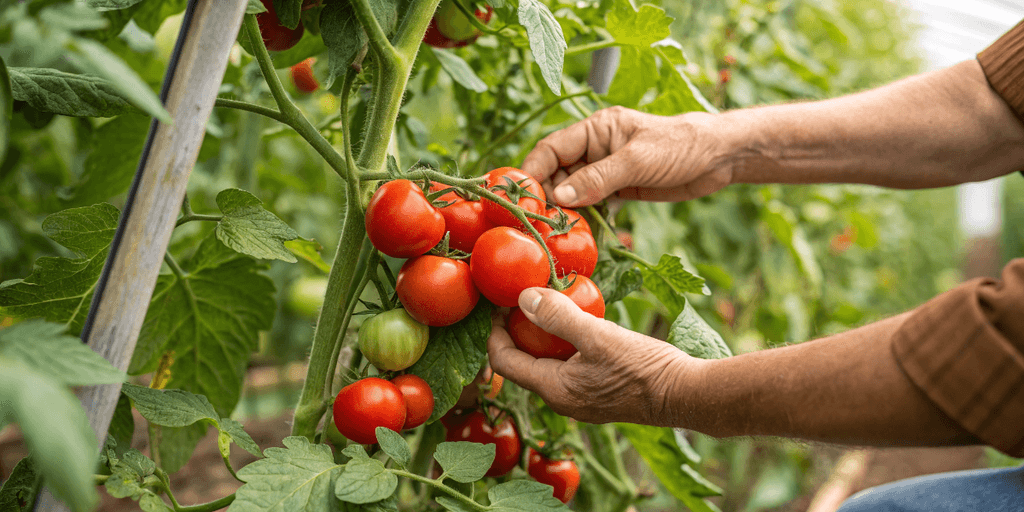
Twist or Clip Method
Most ripe tomatoes separate easily with a gentle twist or slight lift.
If the stem doesn’t release easily, use clean garden snips instead of pulling to avoid damaging the plant.
Support the Vine While Picking
Hold the vine or fruit cluster with one hand while removing the tomato with the other.
This helps prevent stems from snapping and keeps heavy fruit from falling.
If you’re growing indeterminate tomatoes on stakes, cages, or trellises, proper support also makes harvesting easier and reduces accidental damage. For more guidance, see our article on tomato support systems.
Handle Ripe Fruit Carefully
Place tomatoes gently into shallow baskets, buckets, or harvest trays.
Avoid overfilling containers because the weight of upper tomatoes can bruise those underneath.
Harvesting Tomatoes in Containers
Container-grown tomatoes follow the same ripeness signs as tomatoes grown in raised beds or garden rows. However, pots heat up and dry out more quickly, so fruit and soil conditions can change faster during warm weather.
Same Ripeness Signs Apply
Look for the variety’s mature color, slight softness, and easy separation from the stem. The same breaker-stage guidelines apply when rain, pests, or extreme heat make earlier harvesting safer.
Watch Heat and Moisture Closely
During warm weather, breaker-stage fruit can change quickly, but prolonged extreme heat may slow normal coloring. Pick fruit that has started changing color and let it finish ripening indoors if the container is exposed to intense heat.
Check More Frequently
Check container plants daily once fruit begins changing color, especially during heat waves or when watering needs increase.
Harvesting Tomatoes in Raised Beds and Garden Rows
Tomatoes grown in raised beds and garden rows follow the same ripeness signs as container plants, but dense growth can make ripe or damaged fruit easy to miss. Harvest methodically so you can reach the whole plant without breaking stems or spreading disease through wet foliage.
Watch for Hidden Fruit
Dense foliage often hides ripe tomatoes. Check beneath leaves, inside the canopy, and near the base of the plant.
Approach large plants from both sides of the bed or row when possible, since ripe fruit is easy to miss from one angle.
Work Around Foliage Carefully
Avoid pushing repeatedly through wet foliage. If you notice dead or diseased lower leaves while harvesting, remove them after the plants are dry rather than pruning healthy foliage simply to expose fruit.
Remove Damaged Fruit Promptly
Remove split, rotting, insect-damaged, and fallen tomatoes during each harvest. This keeps decaying fruit from accumulating beneath the plants and reduces food and hiding places for pests.
Use sound portions of freshly cracked tomatoes promptly, but discard fruit showing mold, leaking decay, or an unpleasant odor.
Common Harvesting Mistakes
Even experienced gardeners occasionally harvest too early or too late. Recognizing these common mistakes helps improve both flavor and yield.
Waiting Too Long
Leaving tomatoes on the vine well past ripeness increases:
- Cracking.
- Bird damage.
- Insect feeding.
- Soft spots.
Picking Too Early Without Proper Ripening
Immature green tomatoes won’t develop full flavor after harvest. Only pick green fruit once they’ve reached full size and maturity.
Rough Handling
Dropping tomatoes into buckets or squeezing them while picking creates bruises that shorten storage life. Gentle handling makes a noticeable difference.
Judging Ripeness Only by Color
Some varieties remain partly green or develop dark shoulders naturally. Always combine color with firmness, aroma, and ease of picking.
What to Do After Picking Tomatoes
A few simple steps after harvest help tomatoes finish ripening properly and keep their best flavor and texture.
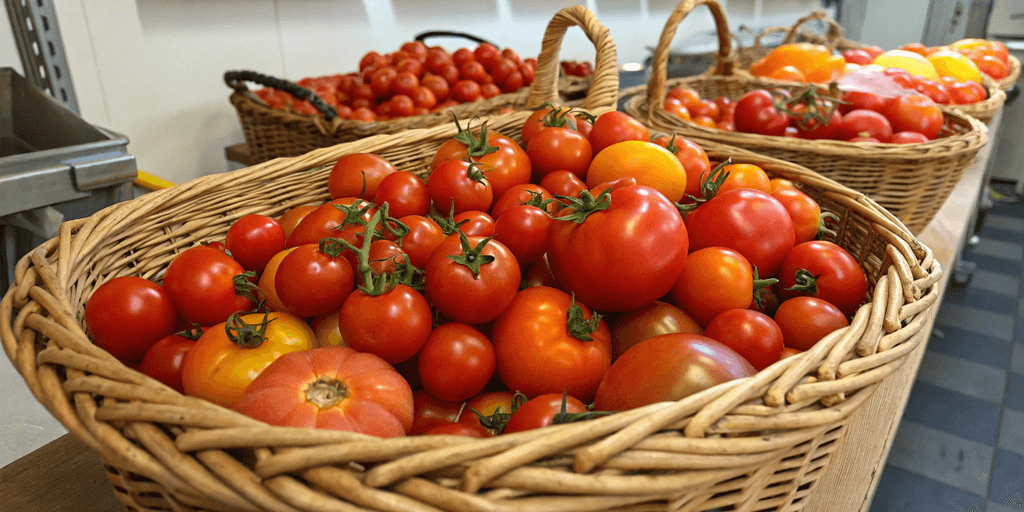
Ripen at Room Temperature
Breaker-stage tomatoes finish ripening best indoors at room temperature. Keep them out of direct sunlight and let them ripen at normal room temperature.
Avoid refrigerating tomatoes before they’re fully ripe, as cold temperatures can reduce flavor and slow normal ripening.
Sort by Ripeness
Keep fully ripe tomatoes separate from breaker-stage fruit.
This makes it easier to use the ripest tomatoes first while allowing the others to finish ripening naturally.
Use at Peak Flavor Quickly
For the best flavor and texture, use tomatoes within a few days of reaching full ripeness. For longer storage guidance, see our article on How to Store Tomatoes.
How to Tell When Tomatoes Are Overripe
An overripe tomato is softer and less firm than one at peak ripeness, but it may still be useful for sauce or cooking. The important decision is whether the fruit is simply past its best or has begun to spoil.
Very Soft Texture
The fruit feels very soft throughout and may flatten slightly under gentle pressure instead of springing back. Use it promptly if the flesh is otherwise sound.
Wrinkled Skin
Wrinkled or slightly shriveled skin, especially around the stem, usually means the tomato has begun losing moisture and is past peak freshness.
Leaking, Odor, or Decay
Use an overripe tomato promptly if it is only very soft or slightly wrinkled. Discard it if you notice mold, slimy or leaking tissue, a fermented or unpleasant odor, or sunken rotting spots.
A fresh crack alone does not necessarily mean a tomato is overripe, but cracked fruit should be inspected carefully and used quickly because damaged skin allows decay to begin more easily.
Conclusion
Knowing when to pick tomatoes is about more than waiting for them to turn red. In most home gardens, the best harvest time depends on the weather, the condition of your plants, and how soon you plan to use the fruit.
For the best balance of flavor and protection, harvest tomatoes at the breaker stage when rain, pests, or extreme heat threaten your crop. If conditions are ideal and you’ll enjoy them right away, letting them become fully ripe on the vine can provide the best fresh-eating experience.
By checking your plants every day or two, harvesting fruit carefully, and using simple ripeness cues instead of color alone, you’ll enjoy better-tasting tomatoes while reducing losses from cracking, overripening, and pest damage.

Leave a Reply