
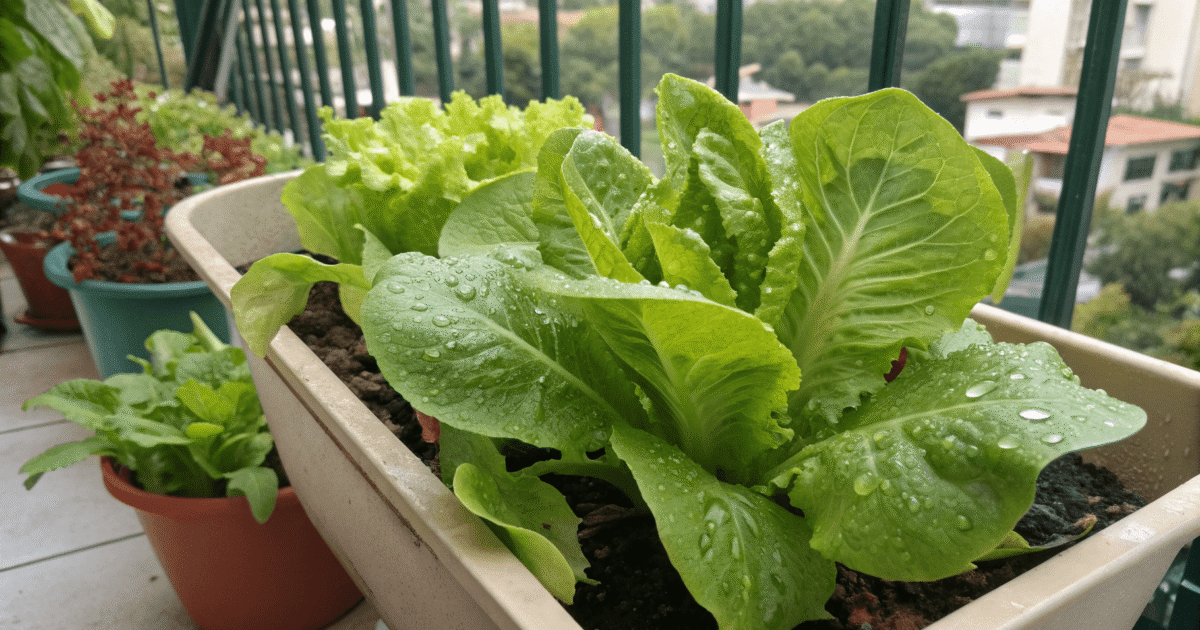
Hello again, everyone! I am excited for today’s article, where you will find out whether you can grow lettuce in containers and how!
In this guide, you’ll learn exactly how to grow lettuce in containers, including the best varieties, container sizes, soil mix, watering routine, and harvesting methods for consistent, sweet greens.
Whether you have a small balcony or just a sunny windowsill, you can grow crisp, delicious lettuce with just a few easy steps. Over the years, I’ve grown lettuce in containers on balconies, patios, and windowsills, and these methods consistently produce the best results.
If you are new to vegetable gardening, start from here: Vegetable Gardening for Beginners
Why Grow Lettuce in Containers?
Growing lettuce in containers has many benefits. First, it’s space-efficient, which is ideal for those of us who may not have a large yard or live in flats. Containers can be moved around for better sunlight or to protect plants from harsh weather.
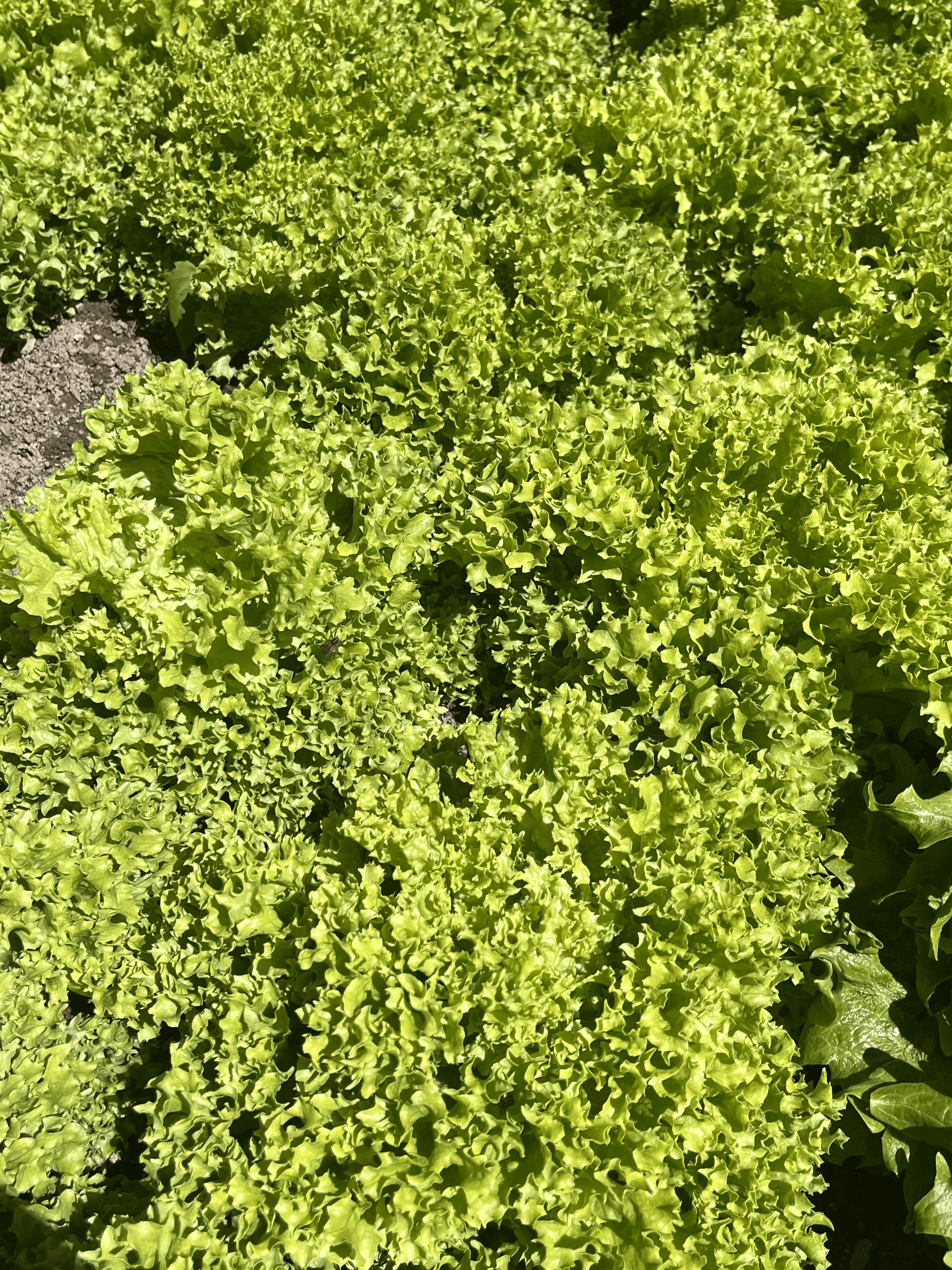
And, you have more control over the soil, drainage, and pest management. It’s an easy way to start gardening, and it’s rewarding to have a quick harvest in just a few weeks.
Let’s share the details of how to get started and what you need to know to enjoy fresh lettuce all season long.
More: How to Grow Lettuce – complete lettuce growing guide
Best Lettuce Varieties for Containers
Lettuce comes in a variety of types from iceberg, butterhead, looseleaf, mesclun to romaine. Different types of lettuce have a unique taste, and each brings its texture and growth habits.
If you like lettuce on sandwiches, I recommend trying growing loose-leaf or butterhead – they’re tasty and have sturdy leaves. Iceberg is one of my favorites it is crunchy and great for salads like Caeser, but it can fall apart a bit on a burger.
Mesclun (or baby lettuce mixes) is a colourful mixed lettuce that is a delicious garnish for different kinds of dishes.
1. Loose-Leaf Lettuce
Loose-leaf lettuce grows in loose, leafy heads, making it perfect for containers. It grows quickly, and you can harvest individual leaves as needed. The varieties of seeds I like and often use are “Black-Seeded Simpson”, an early, heat-tolerant variety with light green, crinkly leaves, “Salad Bowl”, and “Red Sails” with soft, ruffled leaves and a sweet flavour.
2. Butterhead
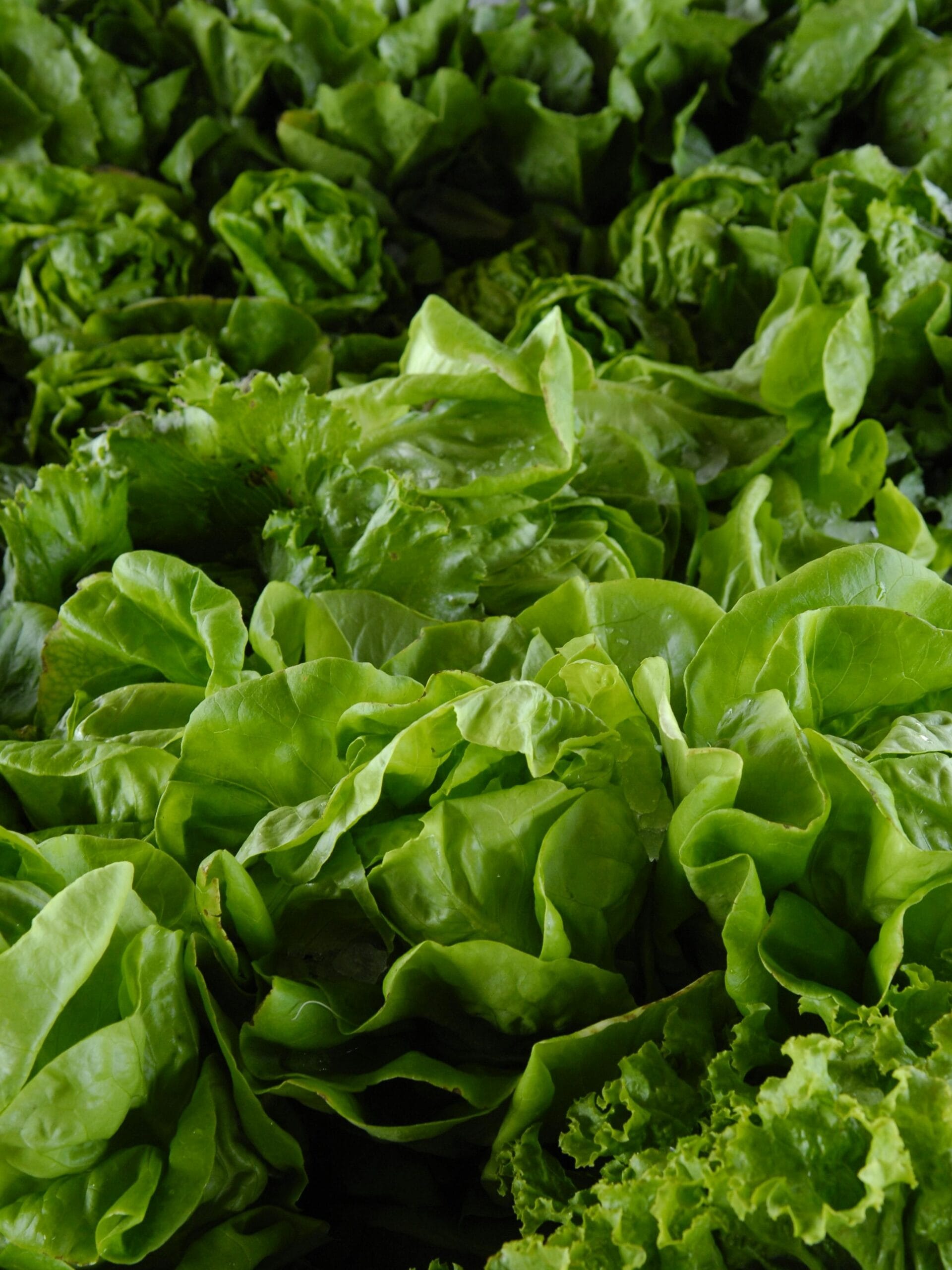
Butterhead varieties are known for their soft, juicy leaves. They don’t take up too much space, making them another good container option. You can try these seeds, “Buttercrunch (Bibb).”
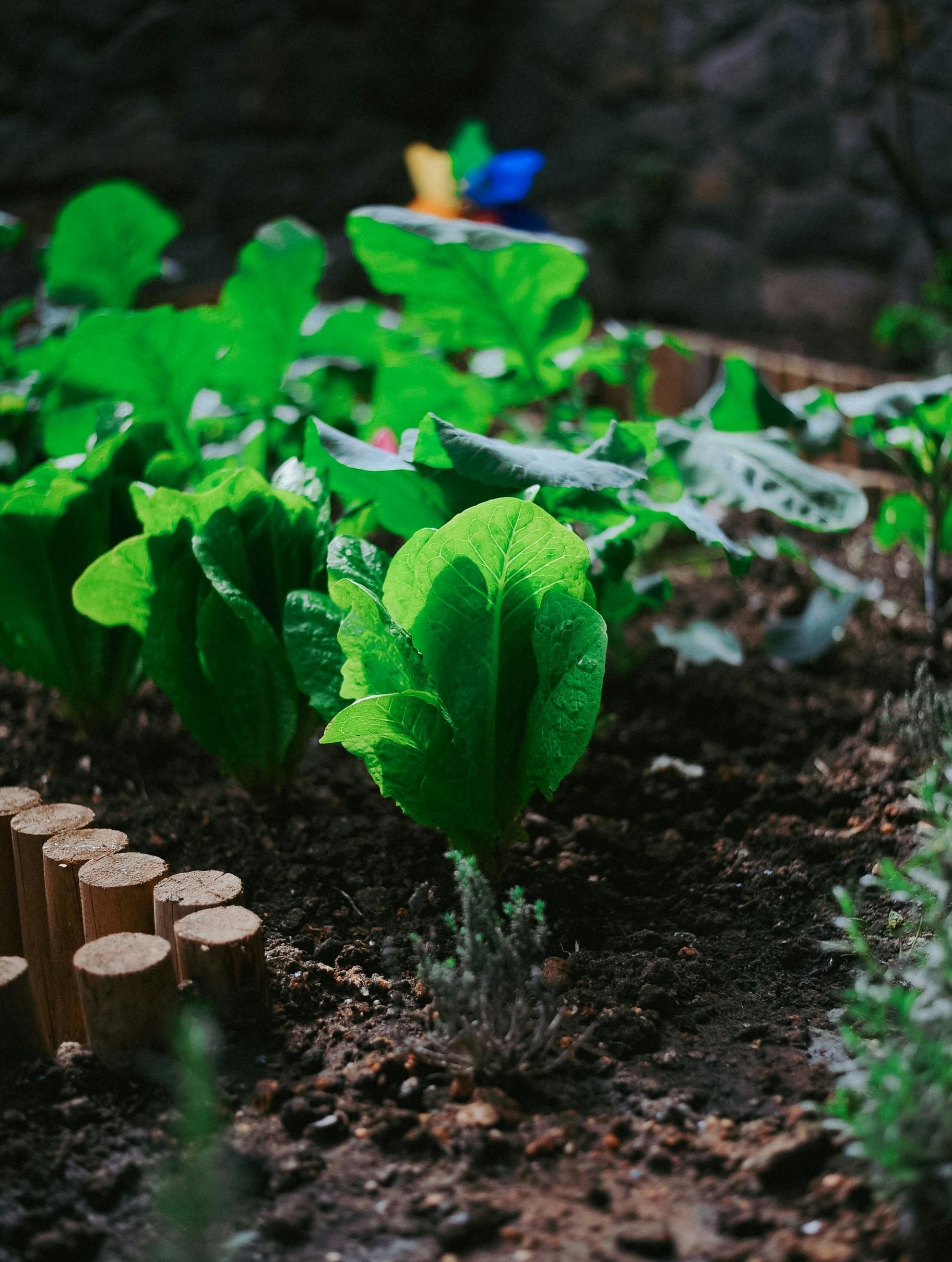
3. Romaine
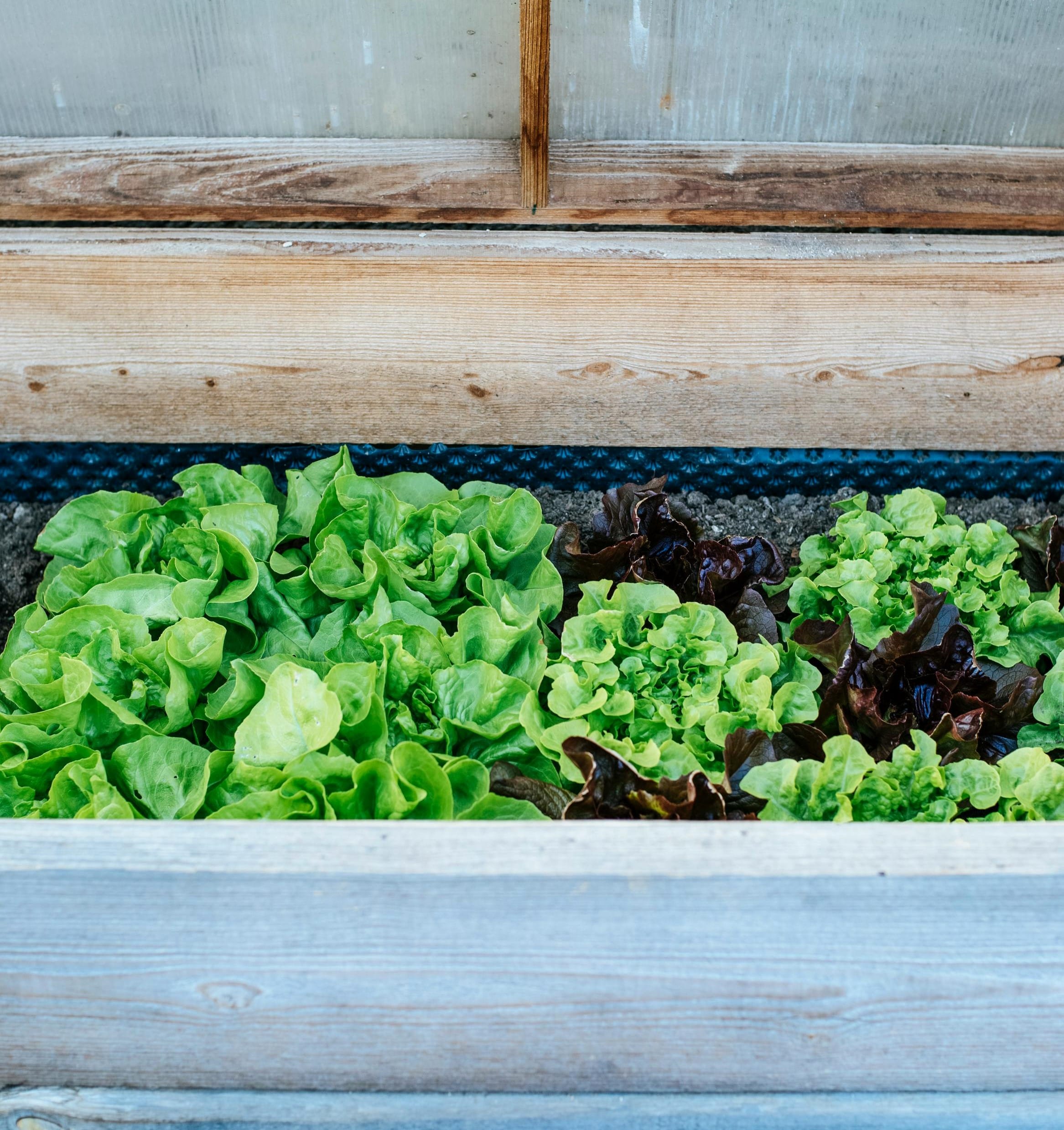
Romaine is slightly more structured than loose-leaf, with upright leaves and a bit more crunch. It takes a little longer to grow, but it’s worth the wait for its sturdy texture. I have tried these seeds, “Little Gem” with tender, sweet leaves and “Parris Island” with tall, dark green leaves and crunchy ribs.
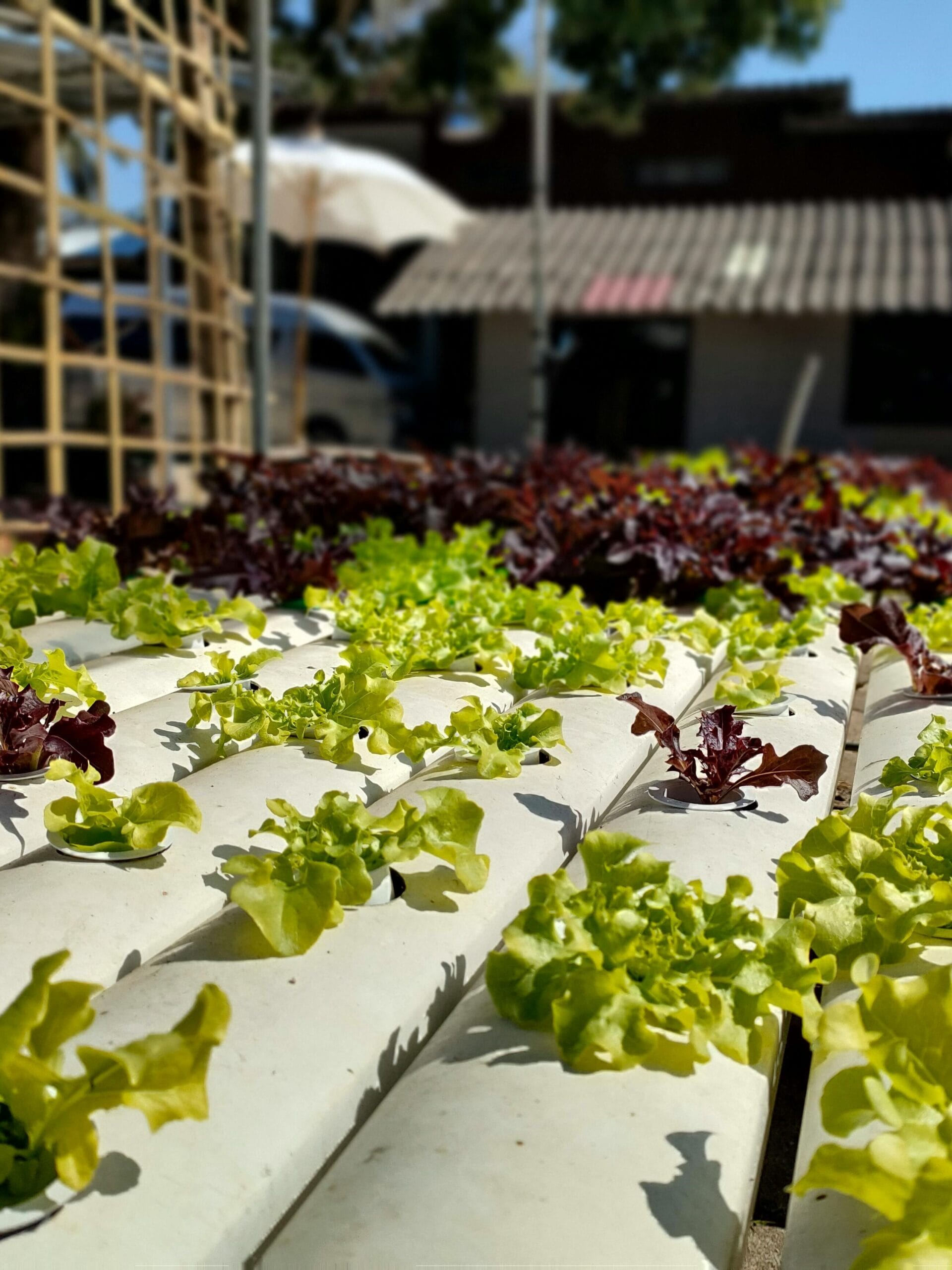
4. Baby Lettuce Mixes (Mesclun)
These mixes combine multiple varieties, so you get a blend of colors and flavors. They’re often sold as “baby greens” and are perfect for those who want a little variety.
5. Iceberg
Iceberg, also known as crisphead, is known for its crunchy texture and mild flavor. It grows in tight, round heads with pale green leaves and is very popular in salads.
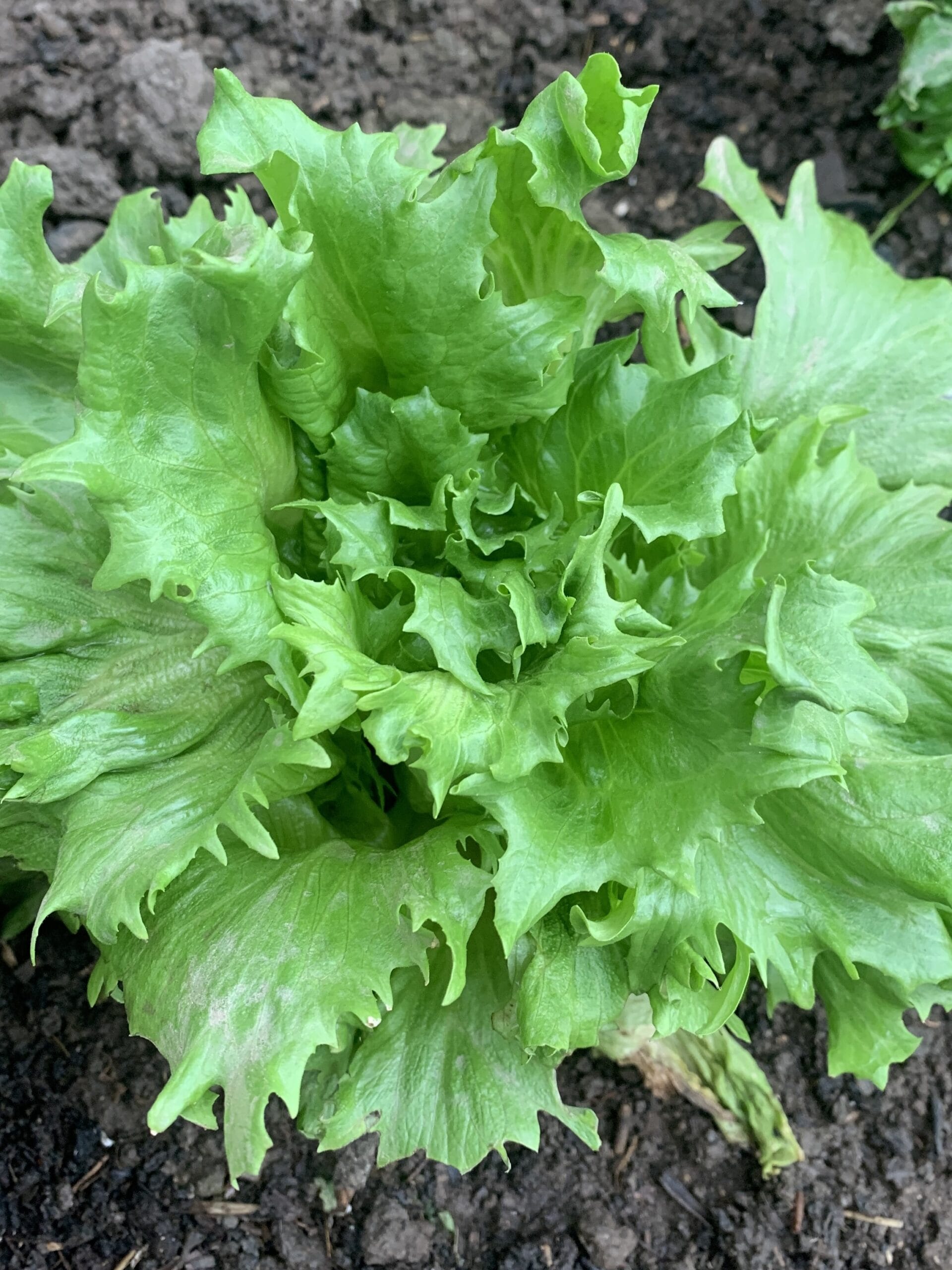
Icebergs are a bit more challenging to grow than other types, as they need cooler temperatures and more space to form those dense heads. I prefer to grow “Great Lakes” and “Summertime”, as these seeds are more tolerant of heat, and sometimes “Igloo” that’s great for containers since it doesn’t take up as much space as traditional iceberg types.
With so many options, it’s easy to find a lettuce variety that fits your taste and gardening style. Trying a mix of types can also give you a beautiful, tasty blend to enjoy all season long! When choosing your lettuce varieties, keep these tips in mind:
- Space Considerations
For container gardens, smaller or loose-leaf types like butterhead, leaf, and mini romaine varieties like ‘Little Gem’ are ideal.
They don’t need as much room and are easy to harvest.
- Harvest Preferences
If you like harvesting often, try leaf lettuces or mini romaine types that let you pick leaves as needed.
For larger heads, opt for varieties like iceberg or romaine that you can harvest once the heads form fully.
Choosing Lettuce Varieties for Your Climate (Containers)
If you’re growing lettuce in containers, climate matters just as much as variety. Matching lettuce types to temperature helps prevent bolting and bitterness.
Heat-Tolerant Lettuces (Warm Weather)
Heat-tolerant varieties are bred to resist bolting and stay crisp even when temperatures rise above 24°C (75°F).
How they behave:
- Grow well in late spring → early summer
- Stay tender longer before turning bitter
- Great for sunny balconies, patios, and warm climates
Examples:
- Romaine: Parris Island
- Batavia (Summer Crisp): Nevada, Muir
- Loose-Leaf: Black Seeded Simpson, Red Sails
Where to use them:
- Areas with hot summers
- Containers you can move to afternoon shade
- South-facing balconies
Related: Why Lettuce Turns Bitter (6 causes and fast fixes)
Cold-Tolerant Lettuces (Cool Weather)
These varieties prefer cooler temperatures (40-65°F/4-18°C) and grow best in early spring and fall.
How they behave:
- Stay sweet and crisp in cold nights
- Can survive light frosts
- Grow more slowly in heat and bolt quickly when hot
Examples:
- Butterhead: Buttercrunch, Bibb
- Iceberg (Crisphead): Great Lakes, Ithaca
- Loose-Leaf: Oak Leaf, Lolla Rossa
Where to use them:
- Early spring planting
- Fall gardening
- Shaded or cooler microclimates
Container Placement Tips by Climate
Some lettuces, like romaine and Batavia, handle heat better. If you live in a warmer area, these types are often less prone to bolting (going to seed).
Iceberg and butterhead varieties typically do best in cooler weather.
- Hot climates → morning sun, afternoon shade
- Cool climates → full sun
- Move containers easily to avoid heat stress
Choosing the Right Container
The right container makes a big difference for growing healthy lettuce. Lettuces don’t need a large pot to grow, because the plant has a shallow root system.
Also, find out how deep should a raised bed garden be!
Ideal Size and Depth
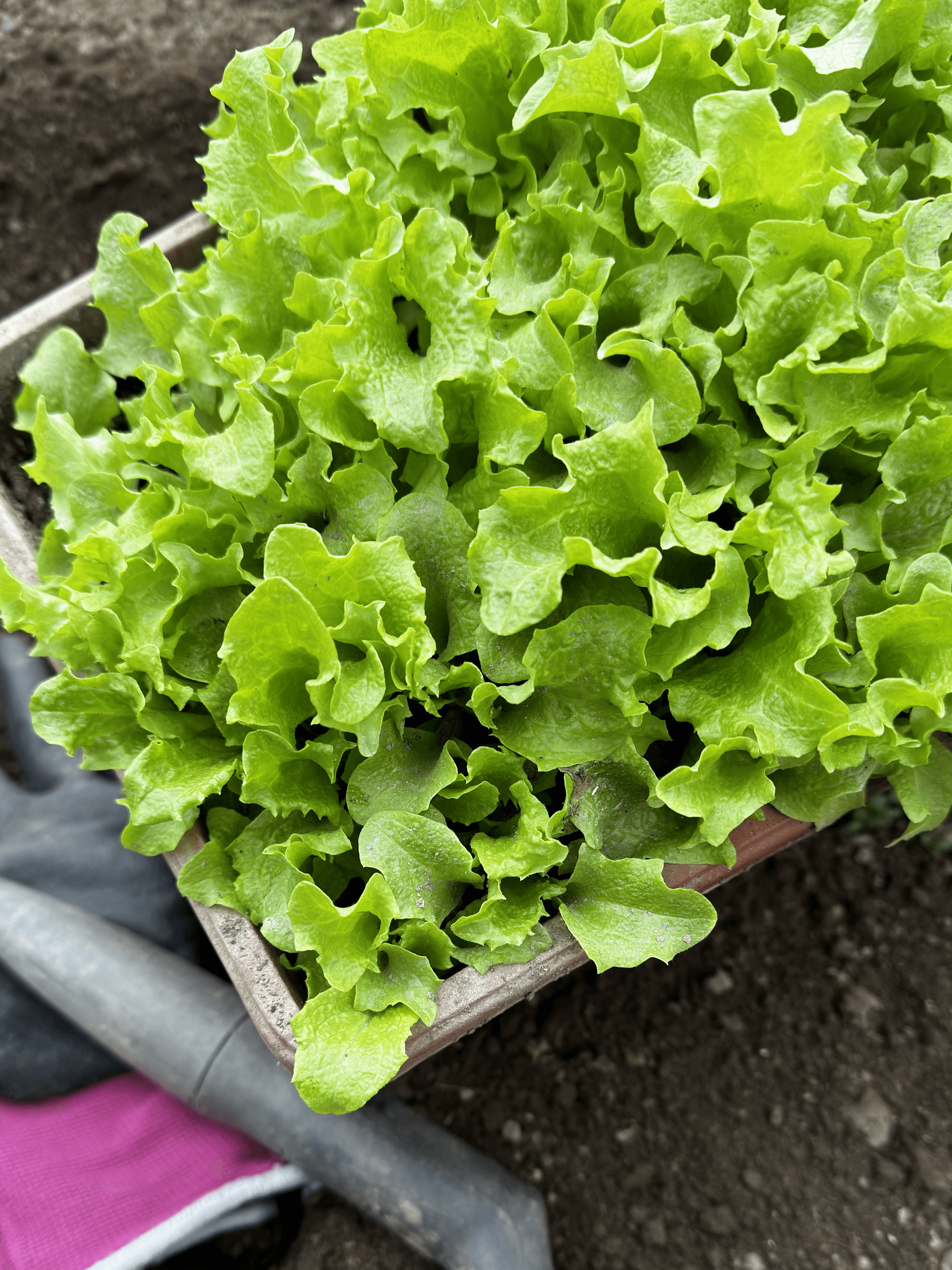
As I mentioned lettuce has shallow roots, so it doesn’t require a very deep container. A depth of 6-8 inches (15-20 cm) is usually enough. In containers that are 12 to 18 inches (30-45 cm) wide can grow several heads of lettuce or a mix of loose-leaf varieties.
Drainage Requirements
Good drainage is important. Make sure your container has drainage holes to prevent water from pooling at the bottom, which can cause root rot. If you’re using a pot without drainage, consider drilling holes or adding a layer of pebbles to help water escape.
Best Container Materials
- terracotta pots
- wooden planters
- fabric grow bags
I’ve found that terracotta pots are breathable and help with moisture control, though they may dry out faster than plastic. Plastic or ceramic pots are more lightweight and retain moisture well. For best results, select a natural material container that doesn’t contain chemicals that could seep into the soil.
Choose whatever works best for your space and maintenance preferences. In my experience, these types of containers work best for container gardening:
Best Soil Mix for Container Lettuce
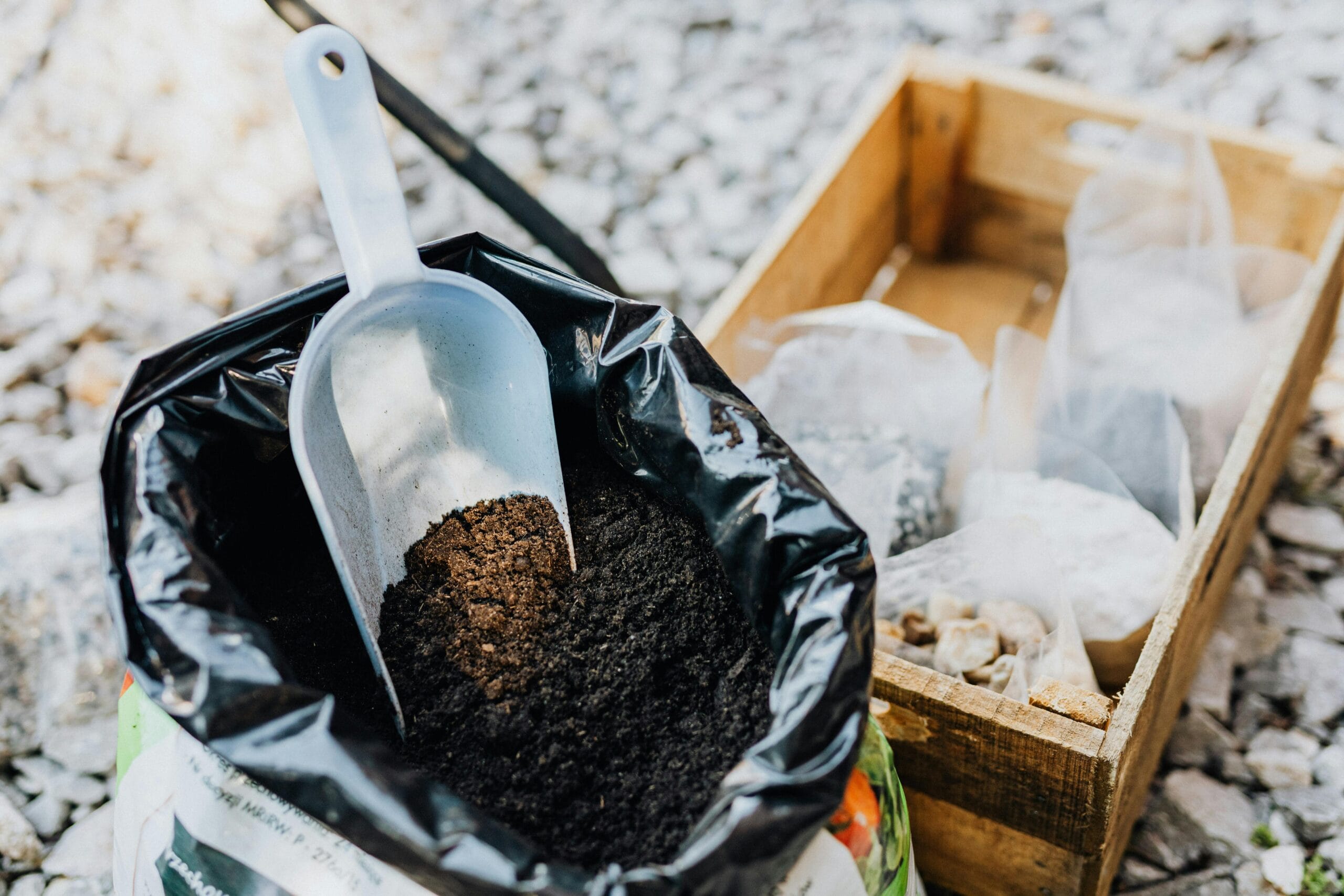
The best soil for growing lettuce is rich in organic matter, well-draining, and retains moisture. Here’s how to create the perfect growing environment.
Recommended Potting Mix
Use a high-quality potting soil mix, preferably one that’s labeled as well-draining or special for containers. Avoid garden soil, which can compact in containers and make it difficult for roots to spread.
Adding Compost
You can grow your lettuce with potting soil only, but for a stronger start, I recommend to try mixing in some compost. Compost is like gold for lettuce Mixing a few inches of rich compost into the top layer of the soil gives your lettuce the nitrogen it needs and saves on fertilizer costs.
Compost gives the soil a nutrient boost and improves drainage, helping lettuce grow lush and green. Think of compost as your garden’s multi-vitamin!
Ideal pH Level
Lettuce prefers slightly acidic to neutral soil, with a pH between 6.0 and 7.0. Most potting mixes are already within this range, but if you’re repurposing soil, a pH test kit can help you check.
Related: Best Seed Starting Soil Mix (light and container-friendly)
How to Plant Lettuce in Containers
You can grow lettuce from seeds or buy transplants from a greenhouse. I usually start with seeds because they’re inexpensive and let me try different varieties in one container.
Choose seeds from companies that focus on heirloom, organic, and non-GMO options. Local, responsibly grown seeds are an even better choice if available!
Recently, many imported seeds have had low germination rates, sprouting only one or two seeds at a time.
The best solution is to save seeds from your plants to ensure pure and reliable production.
Planting From Seed
- Depth
Plant seeds about 1/8 inch (3 mm). They are tiny and delicate, so don’t plant lettuce seeds too deep. A simple way to plant is to sprinkle the tiny lettuce seeds on top of the soil and water well. I recommend just atomizing them and covering them with a light layer of potting soil.
2. Spacing
Plant the seeds close together for baby greens. If you want full heads of lettuce, space the seeds or seedlings 6-12 inches (15-20 cm) apart, depending on the variety.
3. Watering
Keep the soil moist but not waterlogged. A gentle misting daily is usually enough, especially in warm weather.
Planting Transplants
- Depth
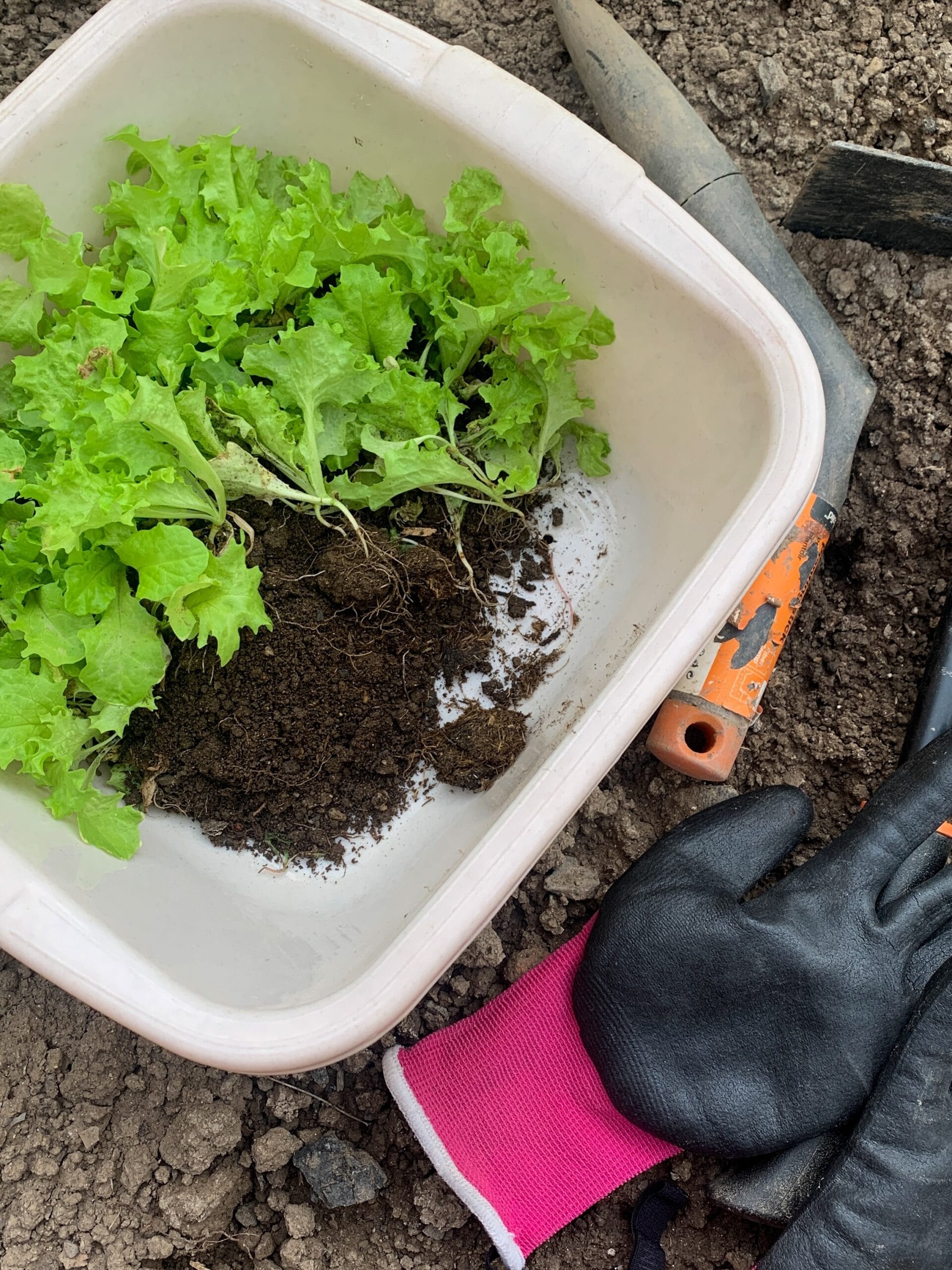
Place the lettuce transplants at the same depth they were growing in their nursery pot. The top of the root ball should be level with the soil surface.
2. Spacing
For baby greens, space the plants about 4-6 inches apart. For full heads of lettuce, space them 6-12 inches apart to allow for proper growth.
3. Watering
Water well after planting to help them settle in, then maintain even moisture. Water regularly, especially during dry periods, to keep the plants hydrated.
Sunlight and Temperature Requirements
Light Needs (Daily Hours)
Lettuce loves cool weather and doesn’t do well in extreme heat, but some types can’t handle much heat. They should get 4 to 6 hours of sunlight daily.
If you live in a hot climate, place containers where they get morning sun and some shade in the afternoon, as the afternoon sun can be too strong and dry it out.
If the leaves look wilted, consider providing more shade. The advantage of container planting is that it’s easy to move them to a better spot if needed. During summer, I often move my pots to a shaded part of the balcony to keep them cooler.
Best Temperatures for Growth
Lettuce prefers temperatures between 45-75°F (7-24°C), so that means the best times for growing them are in the spring and autumn months. If you’ve been wondering, “Why is my garden lettuce bitter?” warmer weather might be the cause.
In hotter temperatures, lettuce often begins to flower, a process called bolting, which can lead to a bitter taste in the leaves. If temperatures rise, consider using a shade cloth or moving your containers indoors near a sunny window to keep them cool.
Related: Hydroponic Lettuce vs Soil-Grown Lettuce
Preventing Heat Stress & Bolting
Container-grown lettuce needs consistently moist soil, but too much water can lead to root rot. Also, lettuce plants can develop fungal and bacterial rot due to their crowded leaves, especially if the soil is too wet.
Check the soil often and make sure it doesn’t dry out completely. Not enough water can cause seedlings to fail or seeds not to sprout.
Watering Container Lettuce
How Often to Water
Lettuce is over 80% water. Aim for soil that feels like a wrung-out sponge, moist but never soggy. Water every few days, depending on the weather. Check the top inch of soil – if it feels dry, it’s time to water.
Misting for Humidity
On hot days, mist the leaves lightly to keep them cool.
How to Avoid Overwatering
Watch for yellowing leaves, a sign you may be watering too much.
How to Fertilize Lettuce Naturally
If you want healthy lettuce, natural feeding goes a long way. Lettuce doesn’t need heavy feeding, but it does appreciate some organic nutrition to keep those leaves growing lush and green.
Using natural fertilizers is an effective way to keep your lettuce flourishing without harsh chemicals. Your lettuce will reward you with fresh, crisp leaves, and you’ll enjoy knowing you grew it all naturally.
Here are some of my favorite natural fertilizers that are gentle, effective, and easy to use.
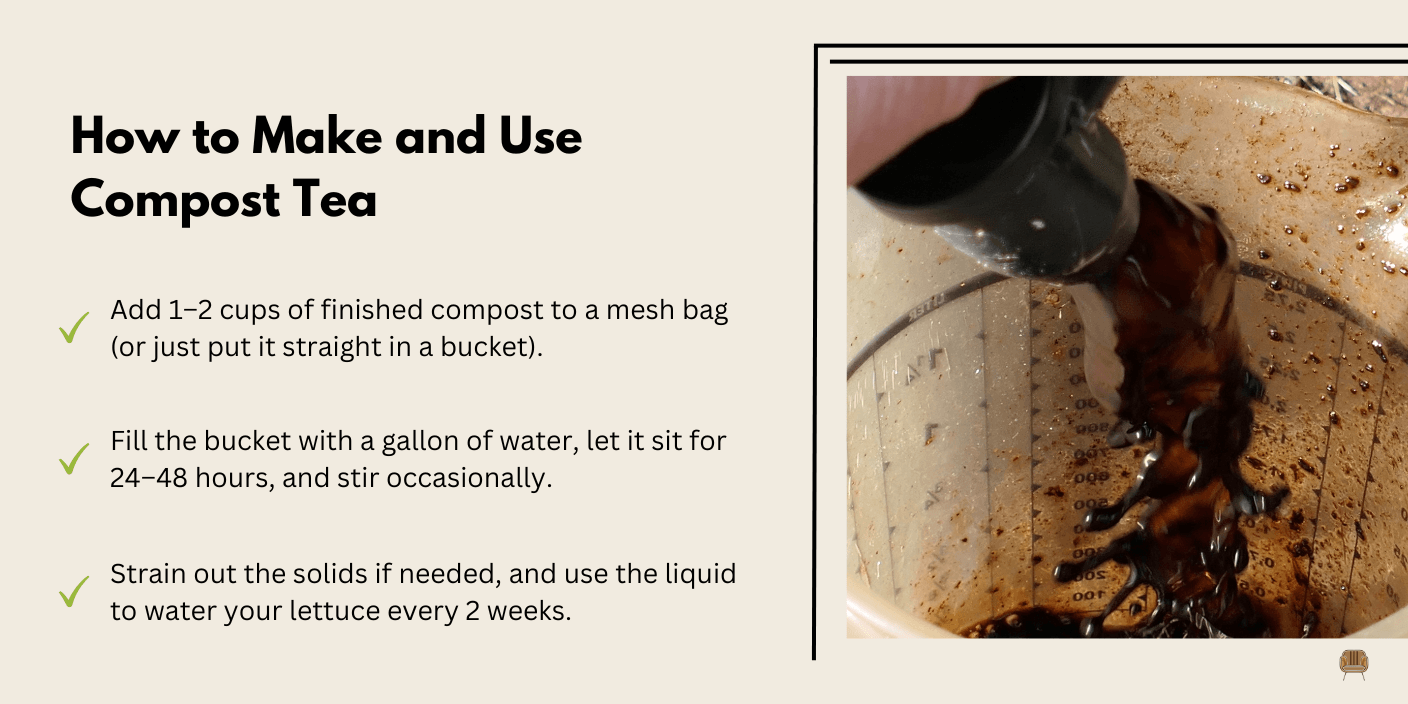
1. Compost Tea
If you’ve never tried compost tea, it’s a game-changer. This nutrient-rich “tea” is easy to make and gives plants a quick, gentle boost. Plus, it’s absorbed fast, so your lettuce gets nutrients quickly.
2. Worm Castings
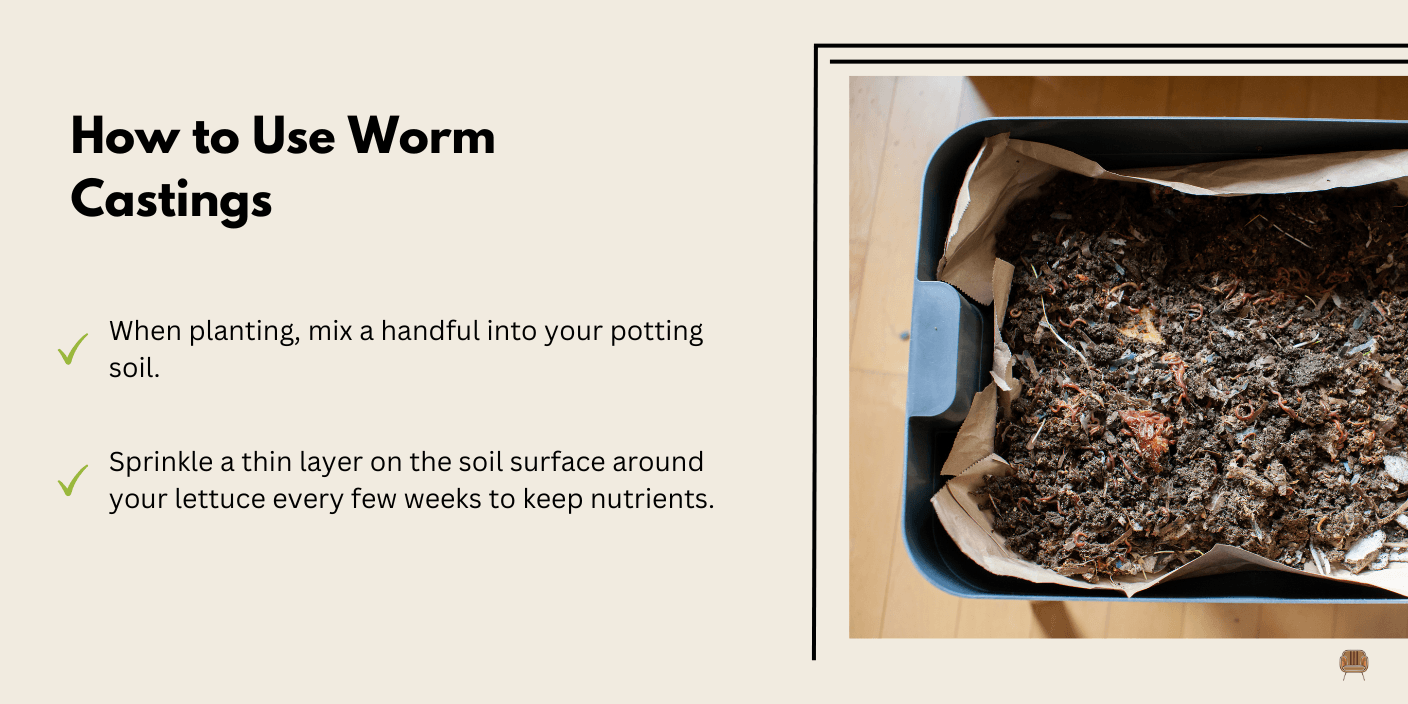
They’re nutrient-dense, packed with beneficial microbes, and they won’t burn plants. Plus, they help soil retain moisture, which is perfect for container-grown lettuce.
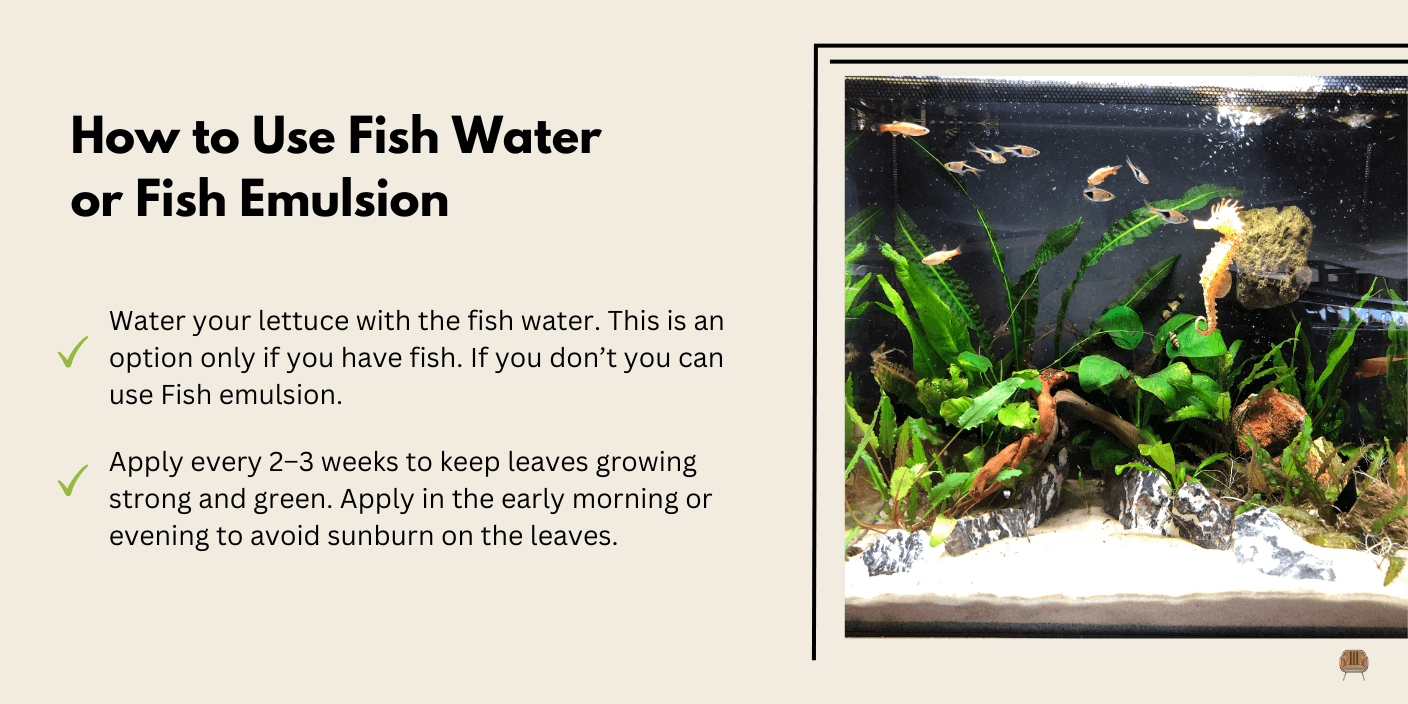
3. Fish Water / Emulsion
Fish water does not smell amazing, but your lettuce will love it! High in nitrogen, fish water encourages leafy growth, making it perfect for lettuce.
It’s also fast-acting, which makes it great when your plants need a little extra love.
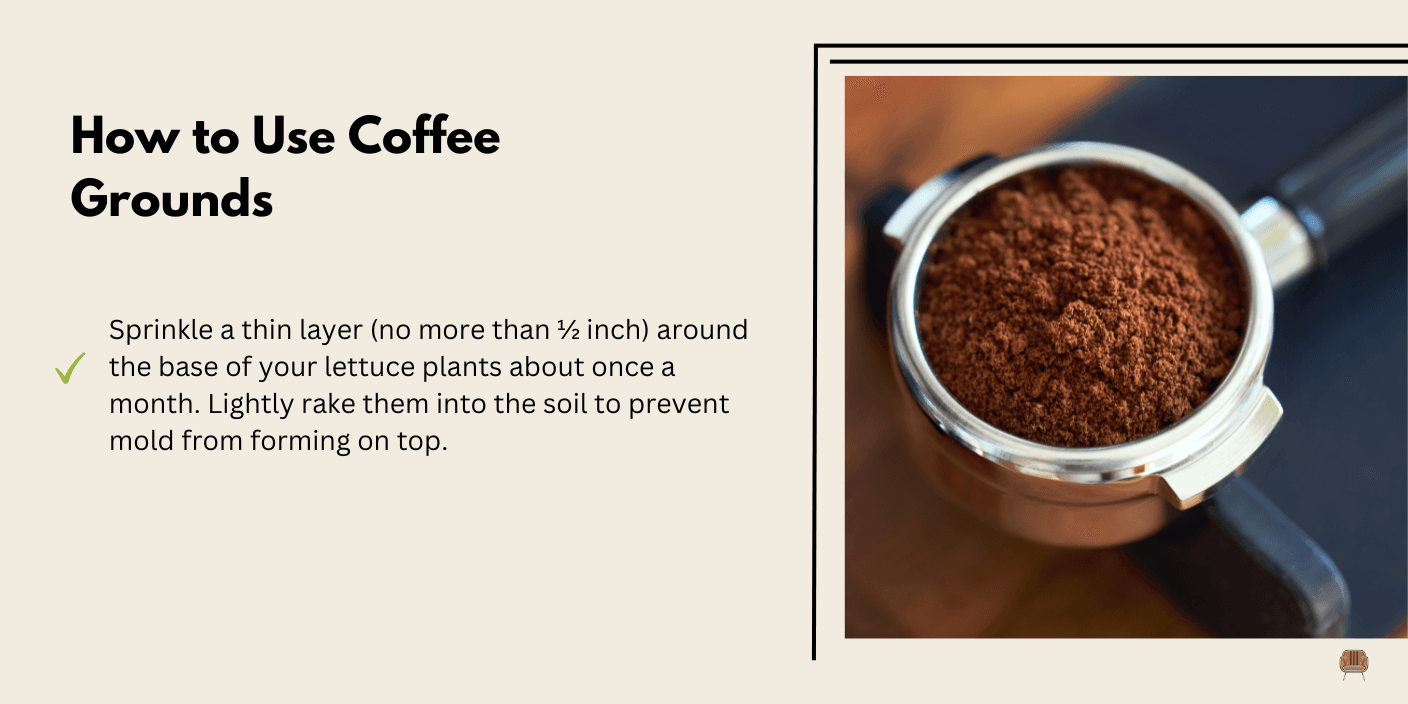
4. Coffee Grounds
If you drink coffee, you’ve got an instant fertilizer at your fingertips! Coffee grounds add nitrogen and can help improve soil structure, but use them sparingly – too much can make the soil acidic over time.
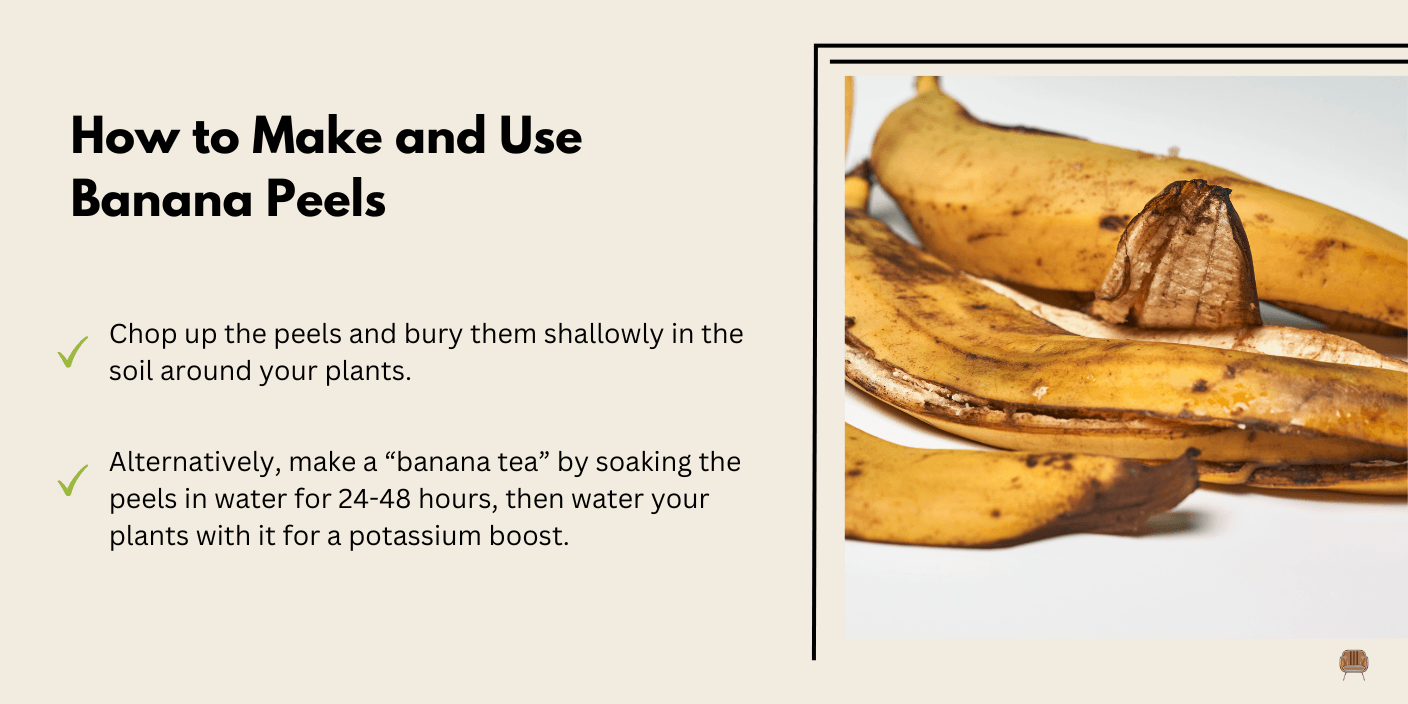
5. Banana Peels
Banana peels are one of my go-to natural fertilizers. They are an easy, natural source of potassium, which helps plants grow strong and resist disease. If you’re eating bananas, save those peels for your lettuce!
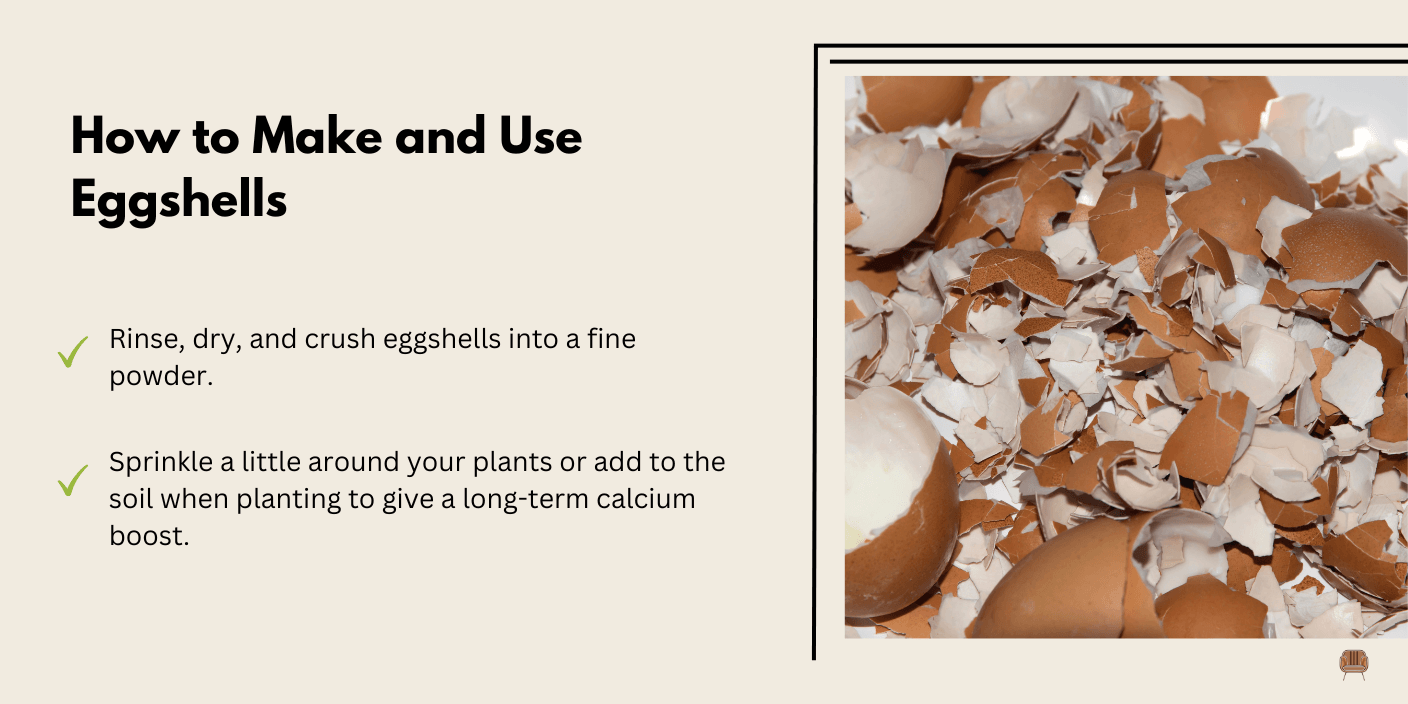
6. Eggshells
Eggshells break down slowly, but they provide calcium, which helps prevent tip burn (brown edges on leaves) in lettuce. It’s not essential, but eggshells can add some extra goodness to the soil.
Harvesting Lettuce in Containers
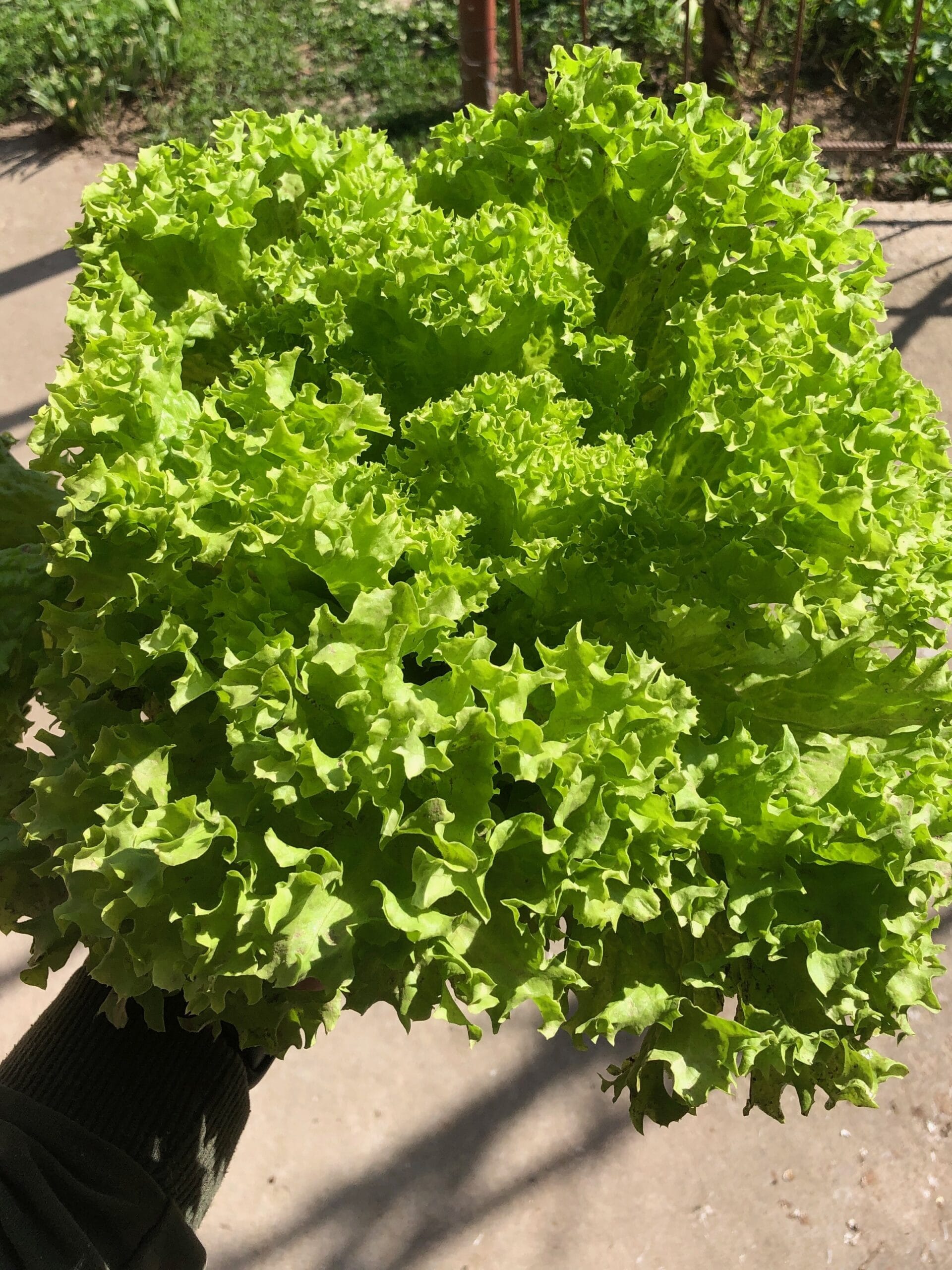
One of the joys of growing lettuce is that you can start harvesting early. After you harvest some greens, sprinkle seeds in the same spot. I do this every time so I always have fresh lettuce ready to pick.
Cut-and-Come-Again Method
The best part about these plants is that you can harvest them throughout the season. Using the cut-and-come-again method, you can usually harvest two or three times from one plant. Snip outer leaves as they reach about 4-6 inches.
Leave the center of the plant intact, and it will continue to produce more leaves. This method also works for heading varieties if you only need a few leaves!
Harvesting Baby Greens
Cut the leaves about 1 inch above the soil level for a mix of baby greens, and they will regrow.
Harvesting Full Heads
Wait until the heads are mature and plump for the best flavor. This usually takes about 70-80 days. To harvest, cut the head off right at the soil level, and you’ll have a beautiful head of lettuce!
Tip: Harvest in the morning when the leaves are crispest and retain the most moisture.
Learn more about effective methods for preserving lettuce
Common Pests & How to Manage Them
Container-grown lettuce is less prone to pests than garden-grown, but it’s not entirely immune. Here are a few common pests and what you can do about them:
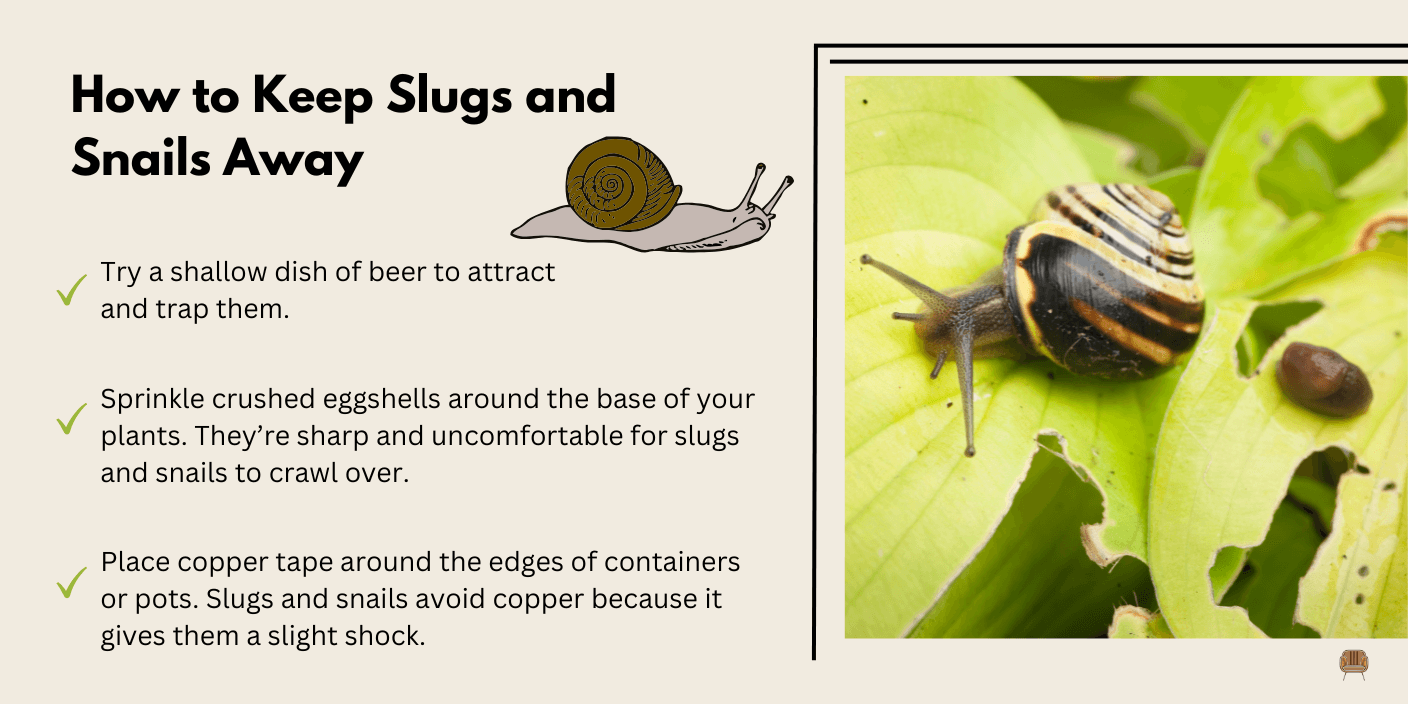
1. Slugs and Snails
These animals can munch big holes in lettuce leaves, especially in damp conditions.
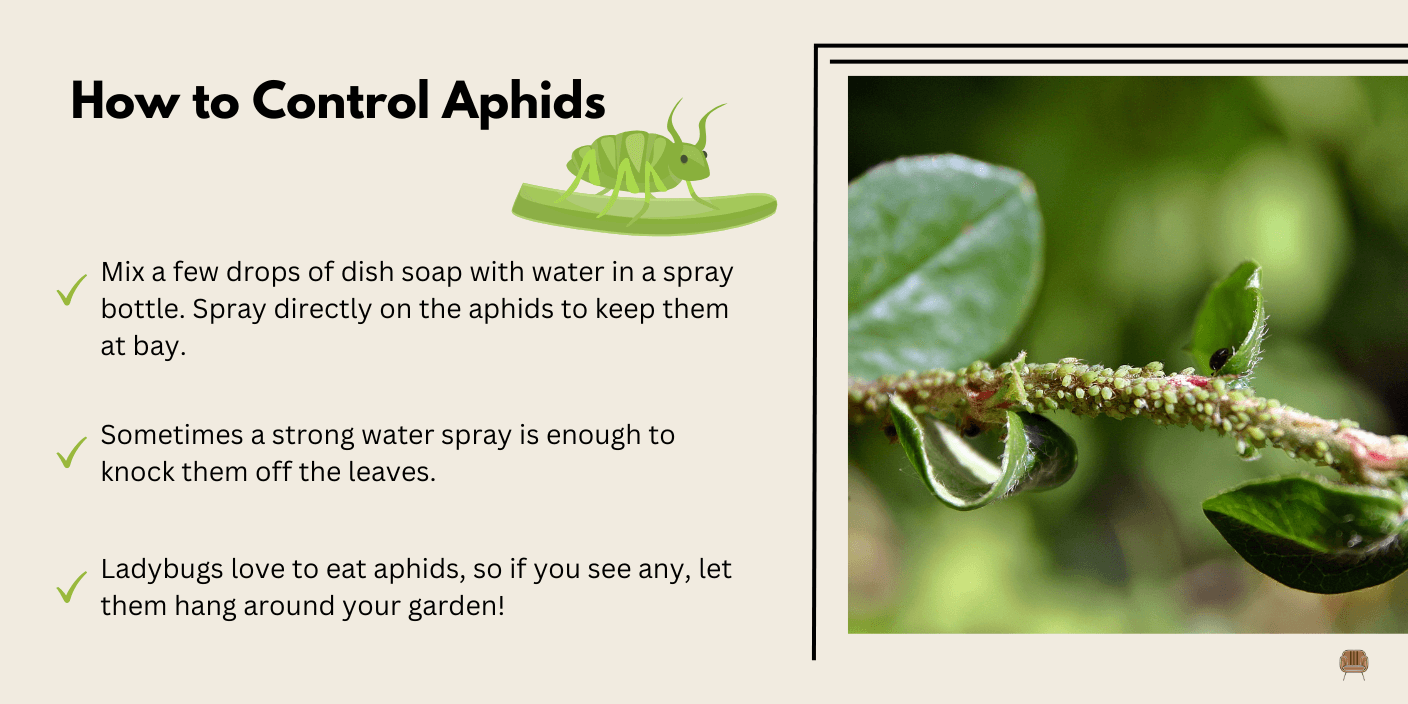
2. Aphids
These tiny green or black bugs cluster on the underside of leaves and suck the plant’s juices, causing leaves to curl and weaken.
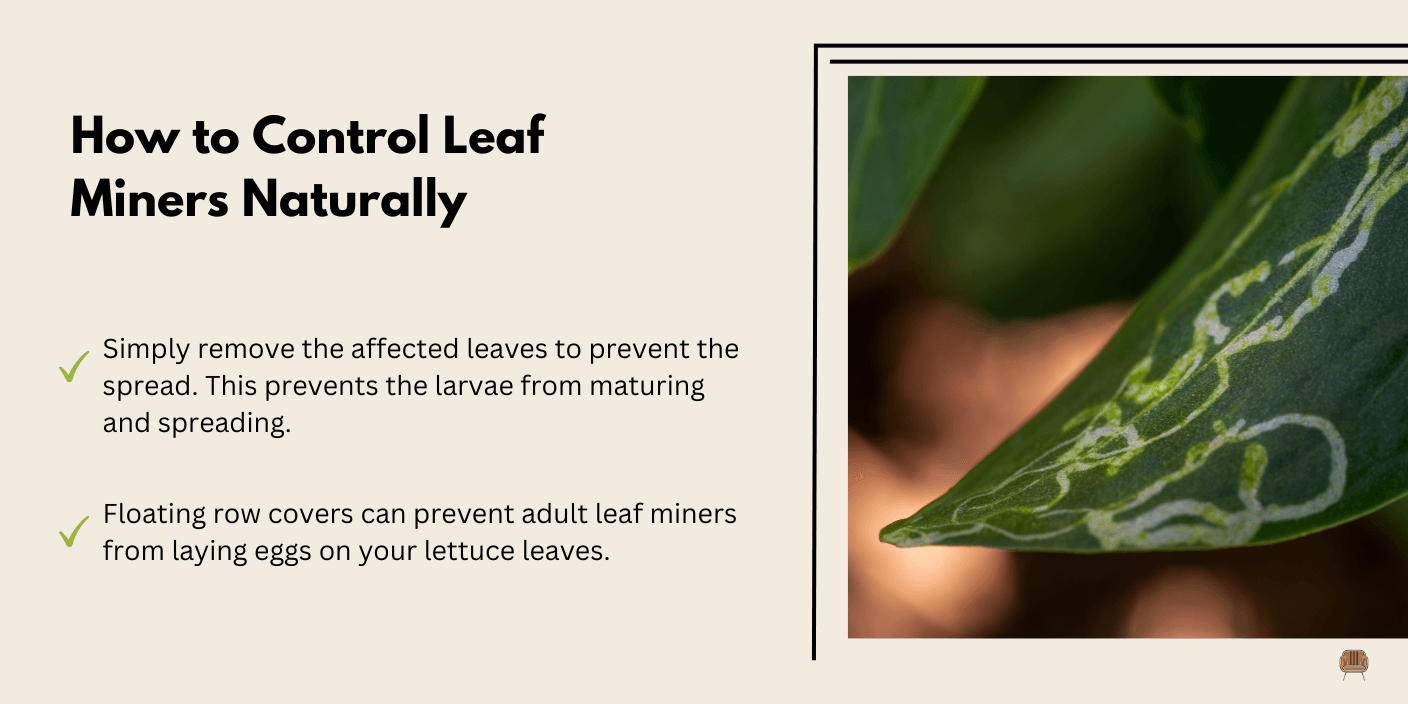
3. Leaf Miners
Leaf miners are tiny larvae that burrow inside leaves, creating squiggly white lines. If you see small tunnels in the leaves, it’s likely a leaf miner.
They don’t usually kill lettuce but can make leaves look unattractive.
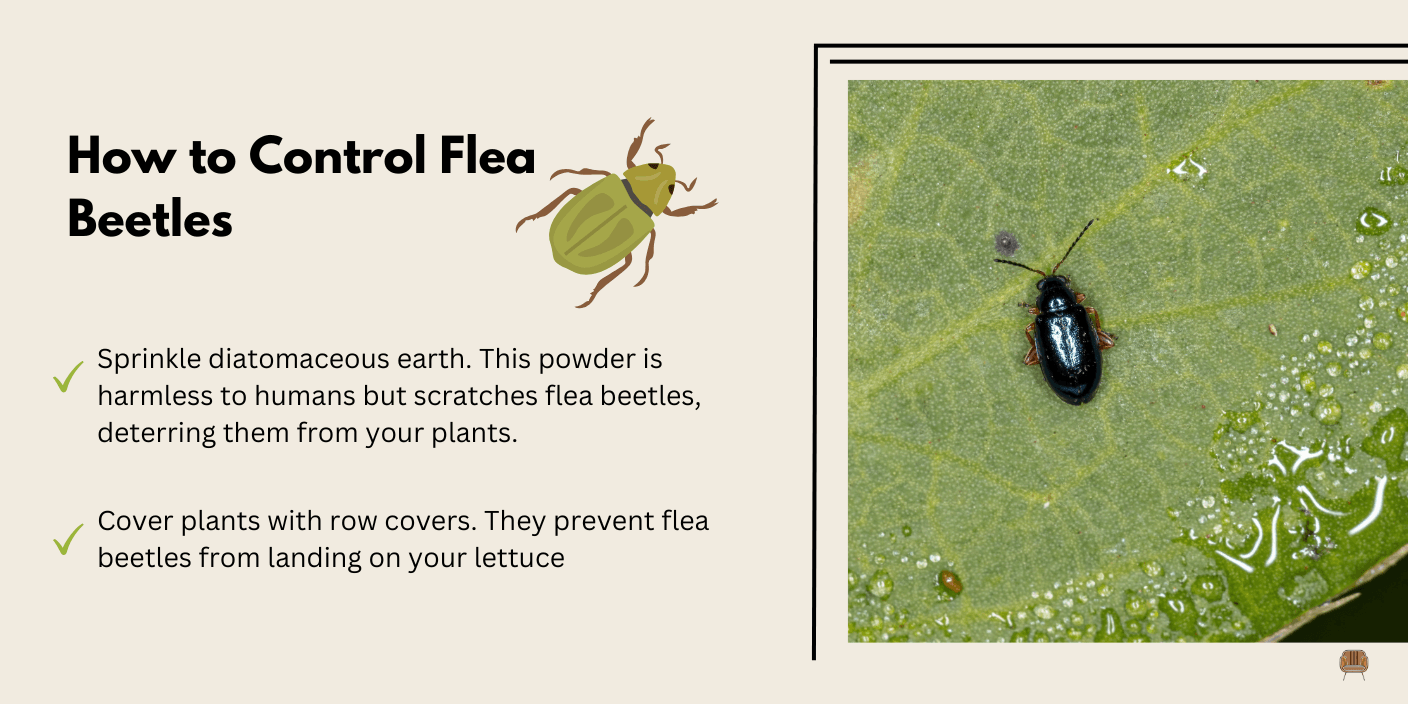
4. Flea Beetles
Flea beetles are tiny, jumping insects that leave small, round holes in lettuce leaves. They’re more common in early spring.
Related: Best Companion Plants for Lettuce (containers & small gardens)
Common Problems When Growing Lettuce in Containers
Lettuce Turning Bitter
Usually caused by heat or underwatering. Move containers to partial shade and keep the soil consistently moist.
Leaves Wilting in the Heat
This often happens when roots get too hot or the soil is too dry. Water earlier in the day and add mulch to help keep soil cool.
Slow Growth
Usually caused by low nutrients or compacted soil. Add compost or a mild organic fertilizer like compost tea or fish emulsion.
Yellow Leaves
Typically overwatering. Let the top inch of soil dry before watering again.
Lettuce bolting (flowering)
Happens in warm temperatures. Choose heat-tolerant varieties and give afternoon shade.
Common Mistakes When Growing Lettuce in Containers
- Using containers without drainage holes
- Letting the soil dry out completely
- Growing lettuce in full summer sun
- Overcrowding plants
- Over-fertilizing with nitrogen
Conclusion
Growing lettuce in a container is one of the easiest ways to enjoy fresh, homegrown greens. With the right container, quality soil, regular watering, and proper sunlight, your lettuce will thrive from the very first planting.
Whether you’re gardening on a patio, balcony, or small backyard, container gardening makes it simple to harvest crisp, delicious leaves whenever you need them.
Try a few different varieties, keep the soil consistently moist, and harvest often to encourage new growth. With just a little care, you’ll have a steady supply of fresh lettuce right at your fingertips all season long.
Suggested Articles:

Leave a Reply