
Sandy loam soil is a balanced mixture of sand, silt, clay, and organic matter. It drains well, warms quickly, and is one of the most versatile soil types for gardening. Because of its loose, crumbly texture, it supports strong root growth and works for vegetables, flowers, shrubs, and many fruit trees.
For vegetable gardeners, sandy loam soil is especially valuable because it balances drainage and nutrient retention, making it ideal for raised beds, garden beds, and organic growing. This guide explains how sandy loam works in real gardens and how to improve it for better vegetable harvests.
Did you know that a single gram of sandy loam soil can have millions of microorganisms? Each one helps plants grow.
If you’re growing food at home, start with our Vegetable Gardening for Beginners guide and see how sandy loam performs in raised bed vegetable gardens.
What Is Sandy Loam Soil?
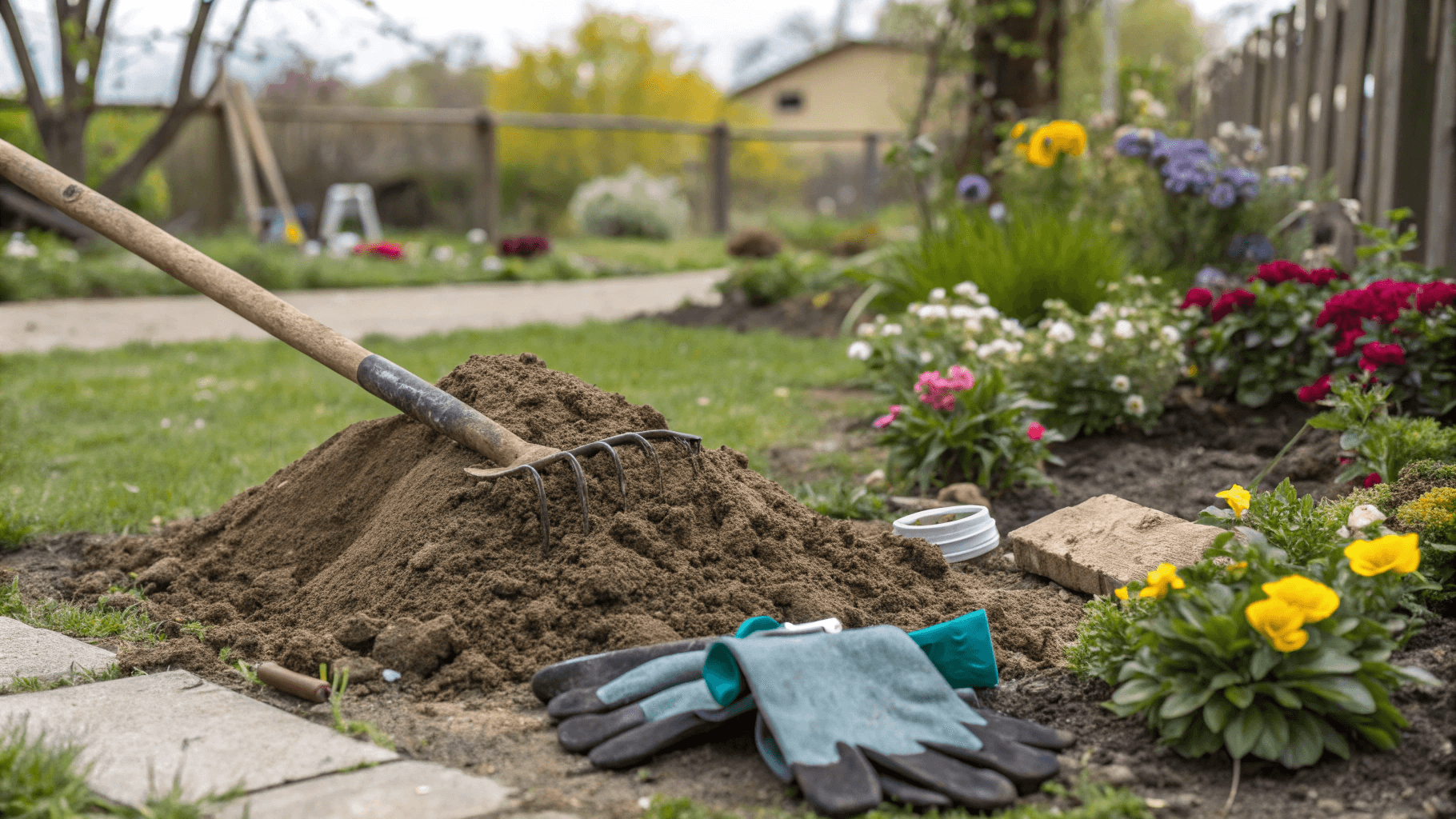
Gardening well means knowing your soil. Sandy loam soil is a mix that’s great for plants. Let’s look at what makes it special.
- Sand
Sandy loam has lots of sand, 45% to 85%. Sand particles are larger than silt and clay, which explains why sandy loam drains so well in gardens.
- Silt and Clay
But it’s not all sand. Sandy loam also has silt and clay. Silt is 0.002 to 0.05 millimeters, and clay is smaller. They help hold water and make the soil stick together.
- Organic Matter
Organic matter is key, too. It’s from plants like leaves and compost. It makes the soil better at holding water and nutrients. How much you have affects the soil’s quality.
| Soil Component | Percentage | Role |
|---|---|---|
| Sand | 45–85% | Provides drainage & soil aeration |
| Silt | 0–50% | Helps retain moisture & nutrients |
| Clay | 0–20% | Holds nutrients; gives structure |
| Organic Matter | Variable | Improves soil fertility & water retention |
What is the Formation Process?
As I mentioned, sandy loam soil is a mix of sand, silt, clay, and organic matter. This mix comes from weathering, where rocks and minerals break down over time.
Wind, water, and temperature changes help break them down. Then, smaller particles are carried and deposited by these forces, forming layers of sand, silt, and clay.

Humans can also affect sandy loam soil. Activities like tilling and adding organic matter can improve its structure and fertility. Knowing how sandy loam soil forms helps gardeners and farmers grow a variety of plants.
Key Characteristics of Sandy Loam Soil
Sandy loam soil has unique features that make it great. It’s perfect for growing plants because it balances texture, water, and air. This leads to healthy plants and beautiful gardens.
1. Texture and Feel
Sandy loam feels soft. The mix of sand, silt, and clay helps water drain well but also keeps moisture. The soil is crumbly and easy to work with.
2. Water Retention Properties
Despite being mostly sand, sandy loam holds water well. The silt and clay in it balance out the sand. This keeps plants moist, even when it’s dry.
3. Aeration Capabilities
Sandy loam is also great at letting air in. Its soil structure lets air move freely. This is good for roots and helps plants absorb nutrients.
This air movement also helps beneficial microorganisms grow. This makes the soil healthier and more fertile.
Best Vegetables to Grow in Sandy Loam Soil
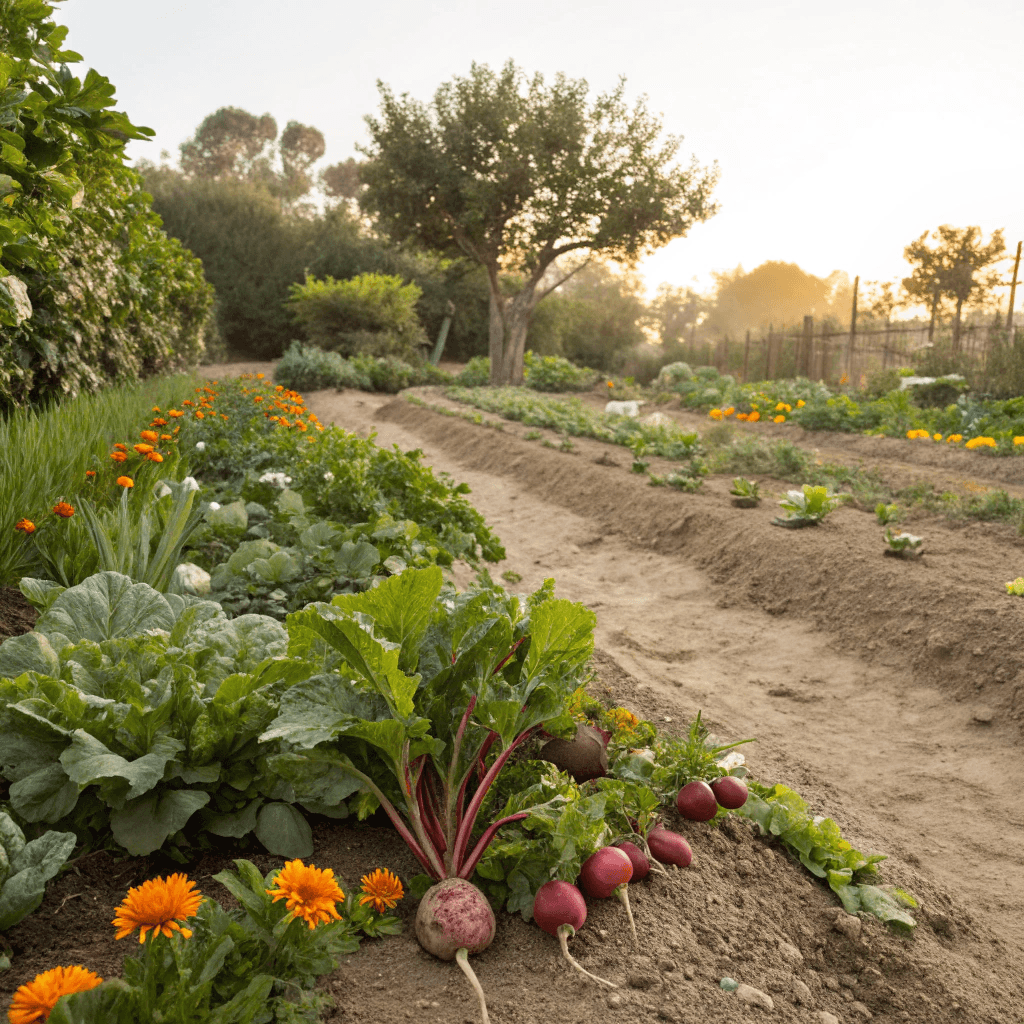
The right plants in the right soil can make all the difference in a successful garden.
If you have sandy loam soil in your garden, you’re in luck. This soil is great for many plants. You can grow vegetables, flowers, trees, and shrubs easily.
1. Vegetables
Root vegetables like carrots, radishes, and beets love sandy loam. Leafy greens such as spinach, lettuce, and kale, also grow well. Tomatoes, peppers, and zucchini do great in this soil, too.
2. Flowering Plants
For a colorful garden, choose flowers that love sandy loam drainage. Sunflowers, cosmos, marigolds, and zinnias are perfect. Drought-tolerant perennials like lavender, rosemary, and sage are also good choices.
3. Tree and Shrub
Sandy loam is great for trees and shrubs, too. Try fruit trees like peach, plum, or apple. Ornamental trees like crape myrtles or Japanese maples work well. Shrubs such as azaleas, hydrangeas, and viburnums also thrive.
Choosing the right plants for sandy loam makes for a beautiful garden. It’s easy to care for and shows off the soil’s best features.
| Plant Type | Examples | Why It Thrives in Sandy Loam |
|---|---|---|
| Vegetables | Carrots, Radishes, Tomatoes | Loose texture helps deep roots grow |
| Flowers | Sunflowers, Lavender | Excellent drainage properties |
| Trees | Apple, Crape Myrtle | Balanced aeration & nutrients |
Great crops for sandy loam:
- Carrots
- Potatoes
- Sweet potatoes
- Onions
- Garlic
- Watermelons
- Cucumbers
- Herbs (rosemary, oregano, thyme)
Benefits of Sandy Loam for Plant Growth
If you’re into gardening or farming, you’ll love sandy loam soil. It’s great for planting because it drains well and has good sandy loam fertility. This soil type is perfect for many plants to grow well.
One big plus of planting in sandy loam is its drainage. It’s better than heavy clay soil because water flows through it easily. This stops waterlogging and lets your plants’ roots breathe.
The sandy texture also lets roots grow deep, which is great for vegetables, flowers, and trees. The sandy loam’s fertility also gives plants the nutrients they need to grow well.

1. Drainage and Water Management in Sandy Loam
Managing water is key for a healthy garden in sandy loam soil. Knowing how water drains and controlling moisture retention is crucial. It helps your plants thrive.
2. Natural Drainage
Sandy loam soils drain water well. The sand and porous structure let water move fast. This prevents waterlogging, which is great for areas with lots of rain or irrigation.
3. Moisture Control Methods
- Sandy loam soil in raised beds works exceptionally well because it prevents waterlogging while still holding enough moisture for vegetables. Many gardeners improve raised bed soil by blending sandy loam with compost to create a loose, fertile growing mix.
- Adding compost or manure to the soil helps it hold water better. This stops it from draining too fast.
- Mulch around plants keeps moisture in. It also cuts down on evaporation and keeps the soil cool.
- Raised beds or berms help with drainage. They make sure water doesn’t stay near plant roots. – Best soil for raised beds
4. Irrigation Considerations
Watering sandy loam gardens needs to be done carefully. The soil drains fast, so plants might need more water. But don’t overwater. It can wash away nutrients and harm roots. Use drip irrigation or soaker hoses to water plants efficiently.
Mastering drainage and water management in sandy loam soil is crucial. It leads to a vibrant and productive garden. The goal is to find the right balance for your plants’ growth.
5. Nutrient and Fertility
Nutrient management in soil and the fertility levels of sandy loam soil are key to gardening success. This soil drains well but can struggle to hold onto nutrients.
Sandy loam soil naturally has lower fertility than other soils. Its rough texture makes it hard for nutrients like nitrogen, phosphorus, and potassium to stick around. This can lead to nutrient deficiencies in plants if the soil isn’t amended right.
6. Nutrient Deficiencies
To make sure your sandy loam soil is nutrient-rich, regular soil testing is a must. It helps spot any nutrient imbalances or deficiencies. Then, you can fix them with targeted sandy loam fertility methods.
- Add organic matter, like compost or well-rotted manure, to amend sandy loam soil and boost its nutrient retention.
- Use slow-release, balanced fertilizers that release nutrients gradually. Avoid quick-acting, water-soluble ones.
- Plant nitrogen-fixing plants, like legumes, naturally add nitrogen to the soil.
By understanding your sandy loam soil’s nutrient needs and fixing any deficiencies, you can create a garden that supports healthy plant growth.
7. Warms Up Quickly in Spring
Sandy loam heats faster than clay soil, allowing earlier planting and faster germination.
8. Easy to Cultivate
Its crumbly structure makes digging, tilling, and seed planting easier for beginners.
9. Encourages Microbial Activity
The balance of air and organic matter creates perfect conditions for beneficial microorganisms.
Improving Sandy Soils Quality
Keeping your sandy loam soil healthy is key for vibrant plants. There are many ways to boost your soil’s quality. These methods help your garden reach its full potential and ensure your plants do well.
1. Amending with Organic Matter
Adding organic matter is a great way to improve sandy loam soil. Amend sandy loam soil with compost, peat moss, or manure boosts water retention and nutrients. This makes your soil better for your plants to grow.
- Incorporate 2-4 inches of organic matter into the top 6-8 inches of soil.
- Reapply organic amendments annually to maintain optimal soil quality.
- Choose a variety of organic materials to ensure a diverse nutrient profile.
2. Improving Water Retention
Sandy loam soils drain water fast, which can harm your plants. To fix this, use additives like hydrophilic polymers or vermiculite. They help your soil hold onto moisture better.
- Mix water-retaining amendments into the soil at the recommended rates.
- Regularly monitor soil moisture levels and adjust irrigation practices accordingly.
- Mulch the soil surface to help retain moisture and suppress weed growth.
By using these methods, you’ll make your sandy loam soil better for your plants. Enjoy a garden with nourished, moist soil.
How to Improve Sandy Loam Soil
1. Add 2–4 inches of compost yearly
Improves nutrient retention and moisture balance.
2. Add biochar or vermiculite
Helps hold nutrients and water longer.
3. Use mulch
Slows evaporation and reduces nutrient leaching.
4. Add slow-release fertilizers
Prevents nutrient washout in fast-draining soil.
Seasonal Maintenance Tips
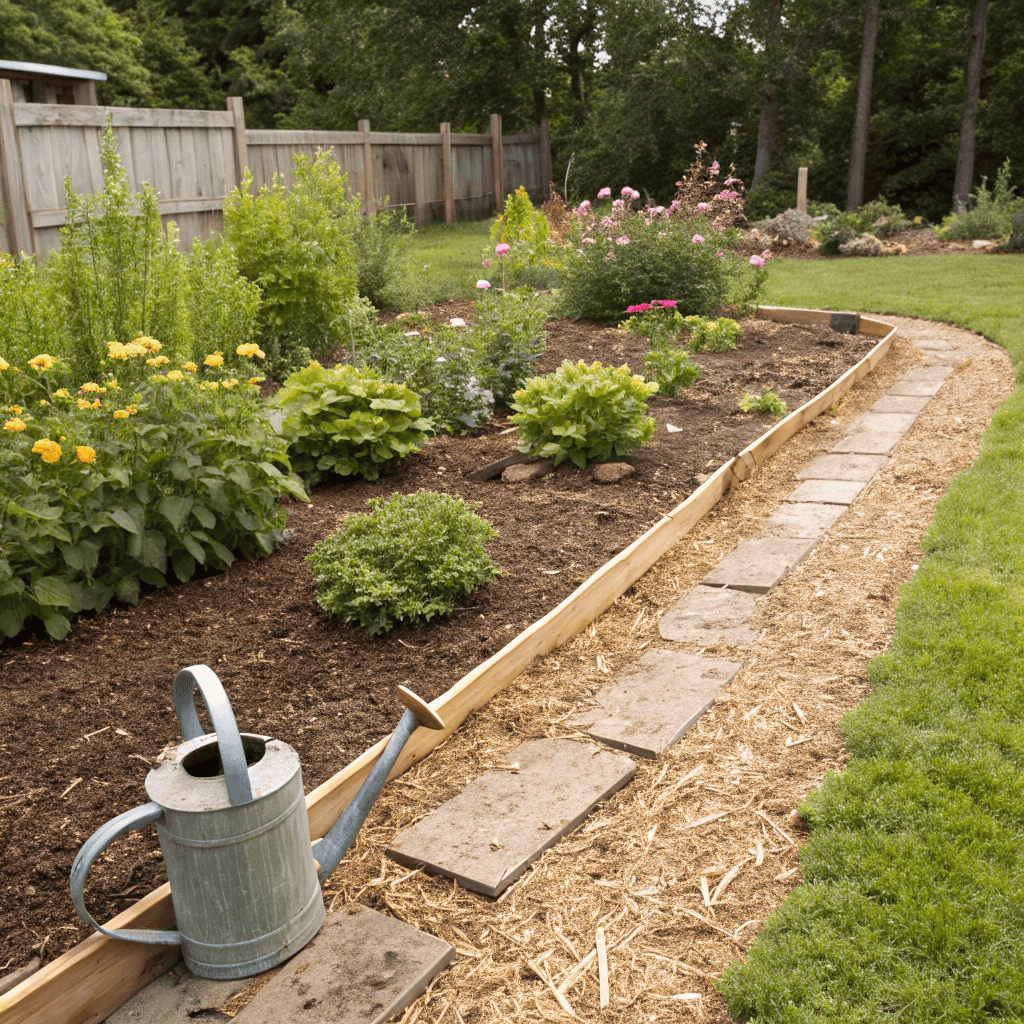
To keep your sandy loam garden healthy, you need to take care of it seasonally. These simple tips will help your soil stay in top shape all year.
1. Spring Preparation
When spring comes, it’s time to get your garden ready. Start by gently tilling the soil to reduce it. This helps your plants’ roots grow better.
Then, add organic matter like compost to the soil. It brings nutrients and makes the soil better.
2. Summer Care
In the summer, sandy loam soil can dry out fast. Keep the soil moist by using mulch. It also stops weeds from growing.
Make sure your plants get about 1 inch of water each week. This can be from rain or a hose.
3. Fall and Winter Management
As the seasons change, get your garden ready for winter. In the fall, plant cover crops or add organic matter. This makes the soil better for next year.
In winter, protect your plants with mulch. It keeps the roots warm and safe from frost.
By following these tips, your sandy loam garden will thrive all year. You’ll have plenty of harvests and beautiful plants.
Common Problems and Solutions
Sandy loam soils are great for plants but can have issues. Knowing the common problems and how to fix them helps keep your garden or landscape healthy.
1. Nutrient Leaching
Nutrients in sandy loam soils can wash away fast because they drain well. This means plants might not get enough nutrients and need more fertilizer. To fix this, add organic matter like compost or manure. It helps keep water and nutrients in the soil.
2. Rapid Drying
Sandy loam soils dry out quickly, which can stress plants and make them need more water. To slow down drying, mulch the soil with 2-3 inches of organic material like wood chips or leaves. This keeps moisture in and controls soil temperature.
3. Potential Compaction
Even though sandy loam soils are usually well-aerated, they can get compacted. This is especially true with a lot of foot traffic or with using heavy equipment. Compaction hurts root growth and water absorption. To avoid this, avoid walking on wet soil and aerate the soil with a fork or core aerator now and then.
Understanding sandy loam characteristics and drainage patterns helps solve common problems. With the right solutions, you can keep your plants healthy and productive for a long time.
Tools and Equipment for Sandy Loam Cultivation
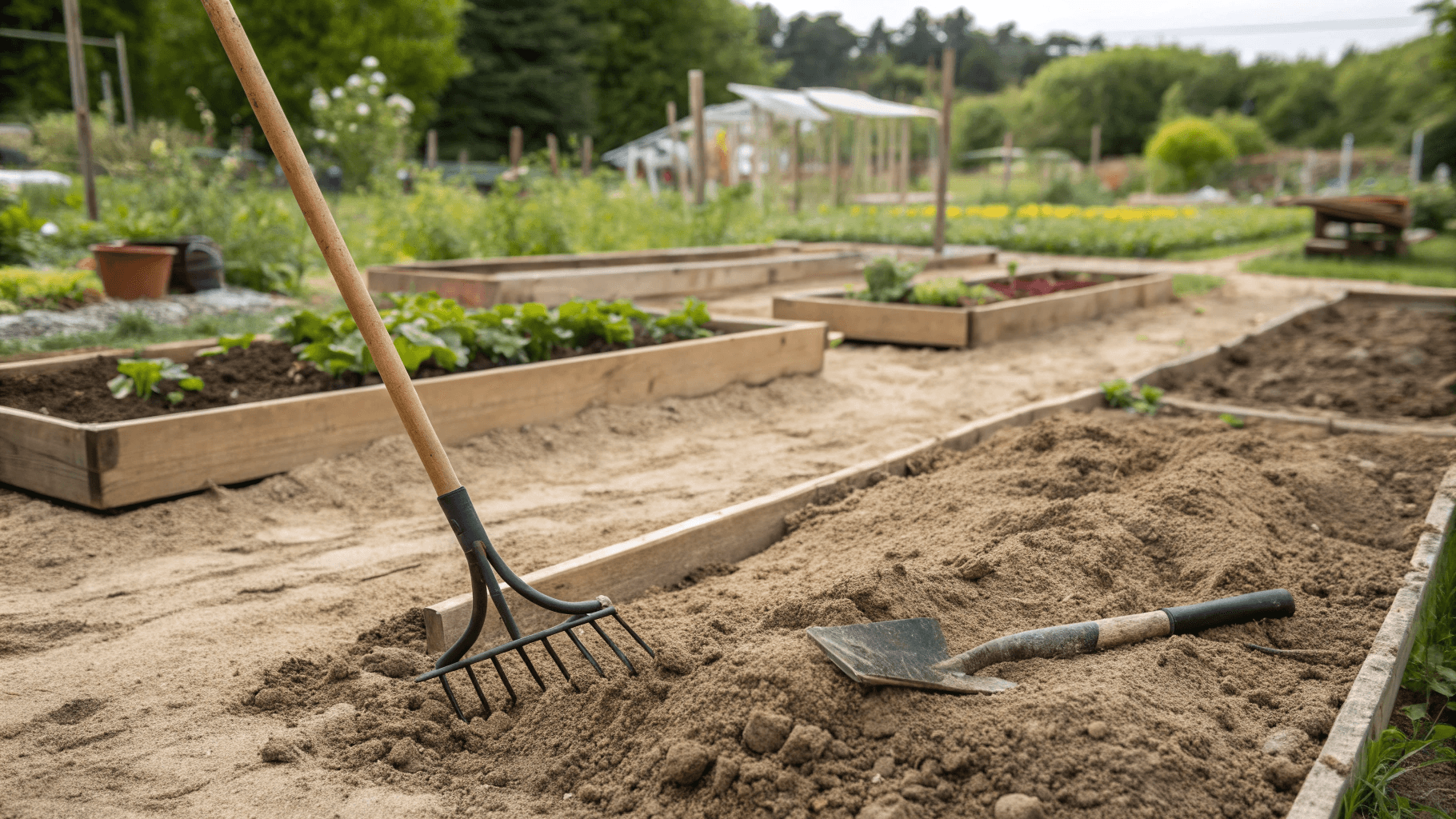
To grow a great garden in sandy loam soil, you need the right tools. Whether you’re new to gardening or have experience, the right tools are key. Let’s look at the garden tools, soil testing gear, and maintenance tools for your sandy loam garden.
1. Essential Garden Tools
- Sturdy garden spade or shovel: For turning and aerating the soil
- Rake: To level the soil surface and remove debris
- Hoe: For weeding and creating furrows for planting
- Trowel: For transplanting seedlings and small plants
- Pruning shears: To maintain plants and shrubs
2. Soil Testing Equipment
It’s important to keep the right nutrients in sandy loam soil for plants to grow well. A soil testing kit helps you know what your soil needs, soil pH levels and mroe. This way, you can choose the right amendments and fertilizers.
- pH meter: To measure the acidity or alkalinity of the soil
- Soil test kit: Provides a comprehensive analysis of nutrient levels
- Compost thermometer: Monitors the temperature during the composting process
3. Maintenance Tools
Regular care is needed to keep your sandy loam garden looking its best. Here are some tools for your gardening tasks:
- Watering can or hose: For efficient and targeted watering
- Mulch fork: To spread and incorporate organic matter into the soil
- Wheelbarrow: For transporting soil, compost, or other gardening materials
- Lawn mower: To maintain a well-groomed lawn around your sandy loam garden
With the right tools and equipment, you can manage and care for your sandy loam garden well. This ensures your plants have the best conditions to grow. Remember, success in a sandy loam garden comes from understanding its needs and using the right tools.
Sandy Loam vs Other Soil Types
Clay soil: Holds water too long, often soggy → not ideal for root crops.
Sandy soil: Drains too quickly, low nutrients.
Silt soil: Fertile but compacts easily, poor aeration.
Loamy soil (ideal): Sandy loam is closest to this, offering the best balance.
Soil Types Comparison:
| Soil Type | Drainage | Nutrient Retention | Workability | Best Uses |
|---|---|---|---|---|
| Sandy loam | Good drainage; rarely waterlogged | Moderate; improves with compost | Easy to dig and cultivate | Vegetables, flowers, shrubs, fruit trees |
| Clay soil | Poor drainage; often waterlogged | Very high | Very heavy, sticky; hard to work | Moisture-loving plants, ponds |
| Sandy soil | Very fast drainage | Low retention | Easy but dries fast | Herbs, drought-tolerant plants |
| Silt soil | Moderate drainage | High but compacts easily | Soft when moist; crusts when dry | River valley crops, fertile farmland |
| Loam soil | Balanced drainage | Good water & nutrient retention | Ideal, easy to work | General-purpose gardening |
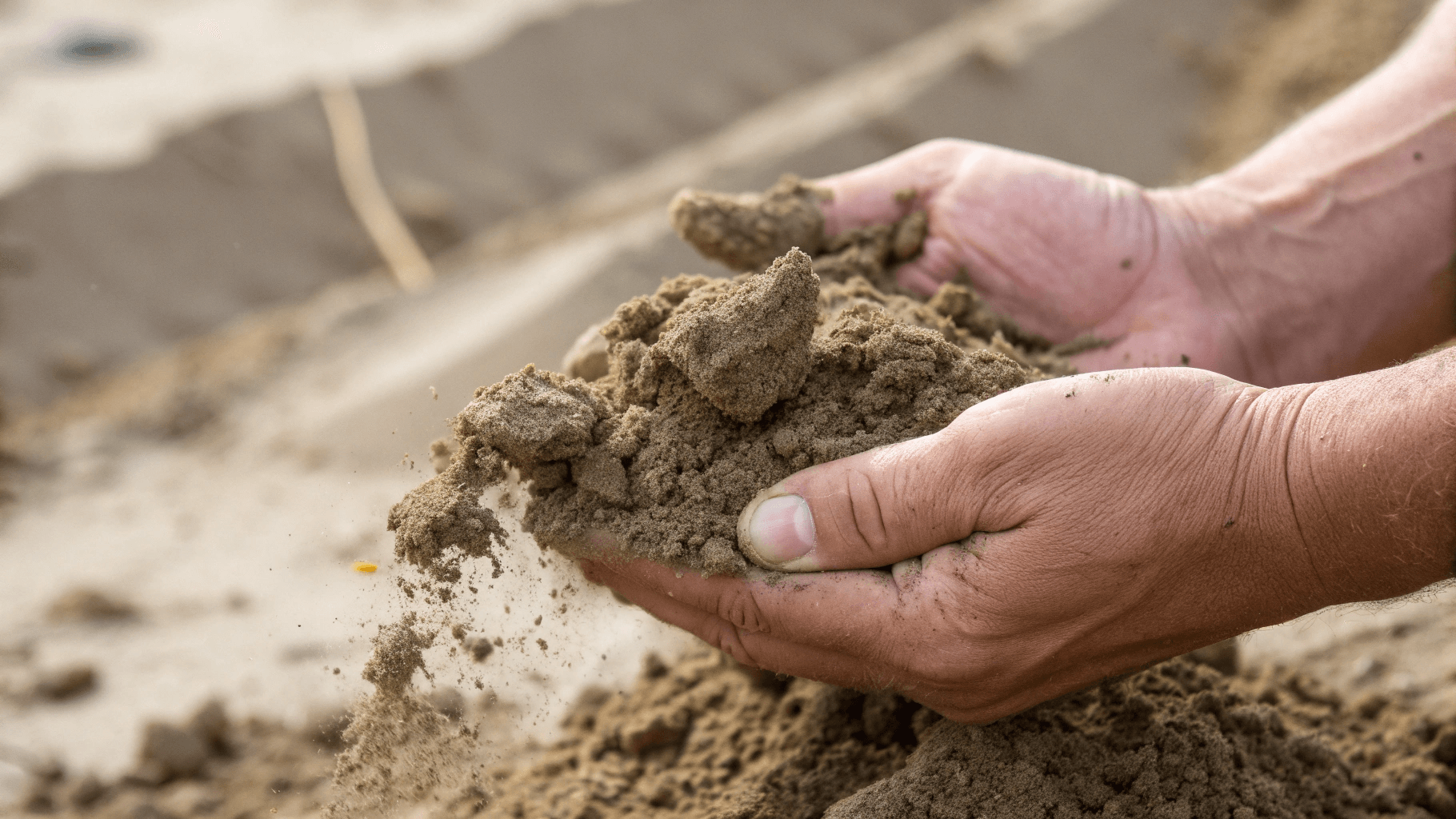
Quick Home Test for Sandy Loam Soil
- Moisten a handful of soil.
- Squeeze it into a ball.
- If it holds shape but crumbles easily, it’s sandy loam.
- Rub between fingers should feel gritty but smooth.
- Pour water on it, and it should absorb quickly but not instantly.
Practical Tips From Vegetable Gardens
In home vegetable gardens, sandy loam soil becomes easier to manage each season as organic matter builds up.
Gardeners often notice better root development, fewer drainage problems, and more consistent watering needs compared to clay or sandy soils.
Regular compost additions are usually all that’s needed to maintain long-term fertility.
Conclusion
Sandy loam soil is a great asset for gardeners and farmers. It has a mix of sand, silt, and clay, plus organic matter. This mix helps plants grow well.
This soil drains water well and has good airflow. It also has enough nutrients for many plants. This makes it perfect for growing vegetables, flowers, trees, and shrubs.
To make your garden or farm grow well, know how to care for sandy loam soil. Keep the right balance of moisture, nutrients, and organic matter. With the right care, your plants will thrive.



Leave a Reply to Blagovesta P. Cancel reply