
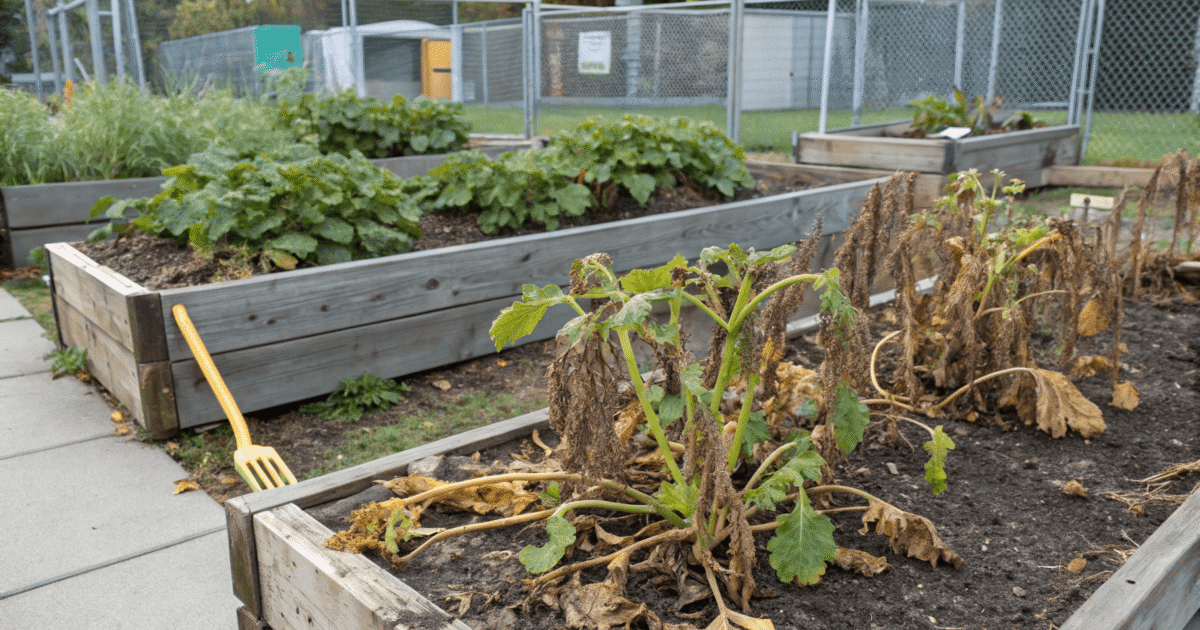
Raised bed pest control is one of the biggest concerns for gardeners who want healthier plants without relying on harsh chemicals. Raised beds reduce some problems, but they don’t eliminate pests entirely. Slugs still climb in, aphids still find your greens, and soil pests can still reach roots from below.
With contained soil, defined borders, and easier access, raised beds give you control – letting you spot issues earlier, prevent infestations from spreading, and build healthier plant environments, as covered in my guide to raised bed gardening for vegetables.
Surface Pests (Slugs, Snails, Pill Bugs)
These pests love the cool, damp edges of raised beds, especially where leafy vegetables and low-growing crops are planted.
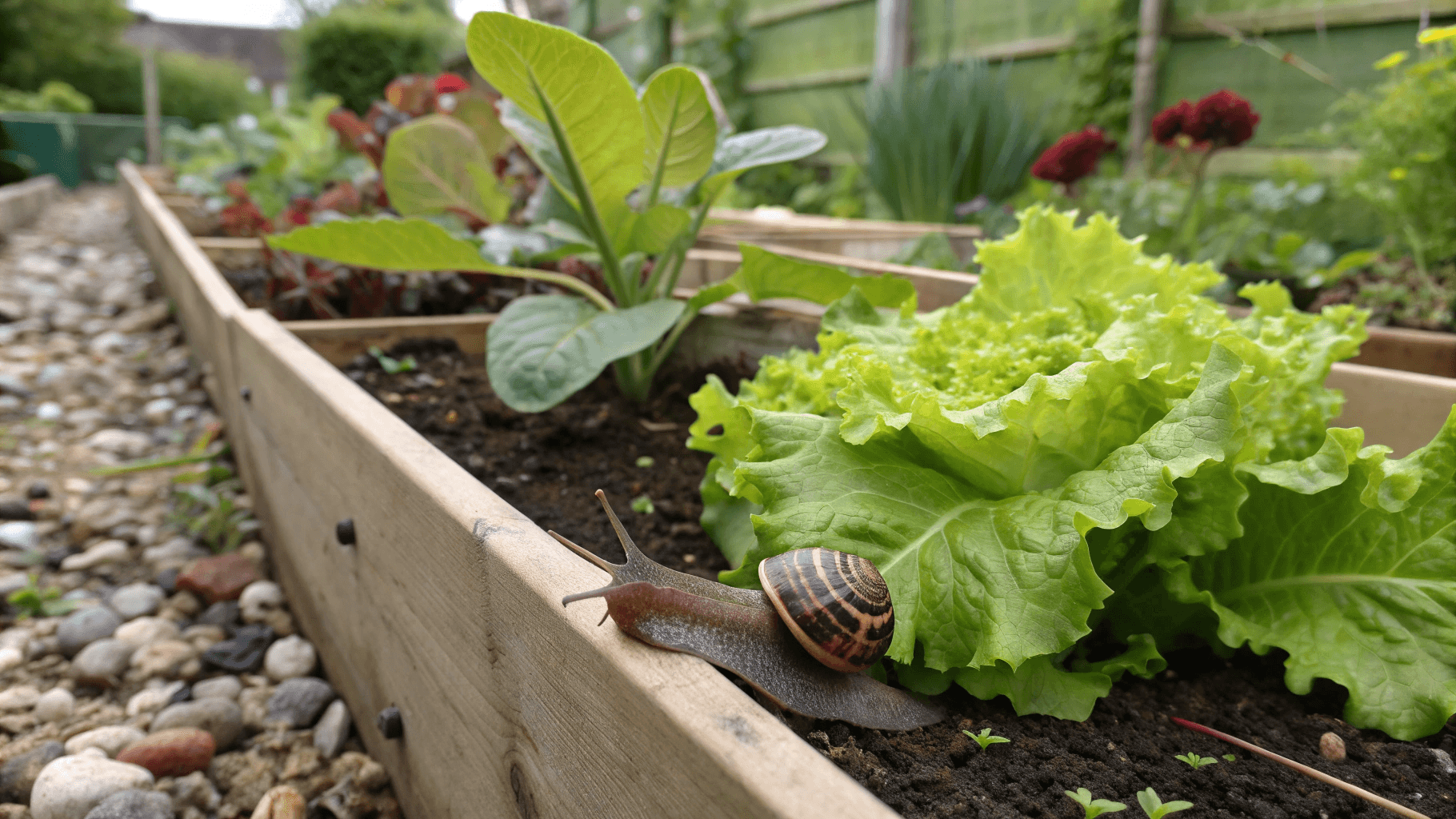
Since raised beds hold moisture well, they become ideal hideouts near vegetables like lettuce, spinach, strawberries, and newly planted seedlings, especially underneath mulch or boards.
Slugs and Snails
In vegetable gardens, slug damage is most noticeable on tender greens and seedlings, where even one night of feeding can wipe out a planting.
Fortunately, raised beds give you several advantages:
Why they thrive in raised beds:
- Moisture retention
- Shade along wooden bed frames
- Easy access to tender new growth
What works against them:
- Handpicking at dusk or dawn: Not glamorous, but incredibly effective when done consistently for a week.
- Beer traps: Bury a shallow container to rim level and fill it halfway with beer or yeast water. Slugs are drawn in and drown.
- Copper tape: When slugs touch copper, it disrupts their slime and deters them. Line the top edges of raised beds for a simple barrier.
- Let the soil dry slightly between waterings: Slugs dislike dry surfaces.
Pill Bugs (Roly-polies / Woodlice)
Many gardeners assume pill bugs only eat dead material. While that’s mostly true, they will chew young vegetable seedlings and low-hanging crops like strawberries when populations get high.
How to manage pill bugs:
- Remove thick, damp mulch until populations decline.
- Use diatomaceous earth around vulnerable plants.
- Elevate fruiting stems (like strawberries) with small supports to keep them off moist soil.
Surface pests are often the easiest to control in raised beds because you can see them quickly. But flying pests require a different approach.
Flying Pests (Aphids, Whiteflies)
Raised beds often sit closer to other plants, fences, or natural wind patterns, so flying pests can move in fast.
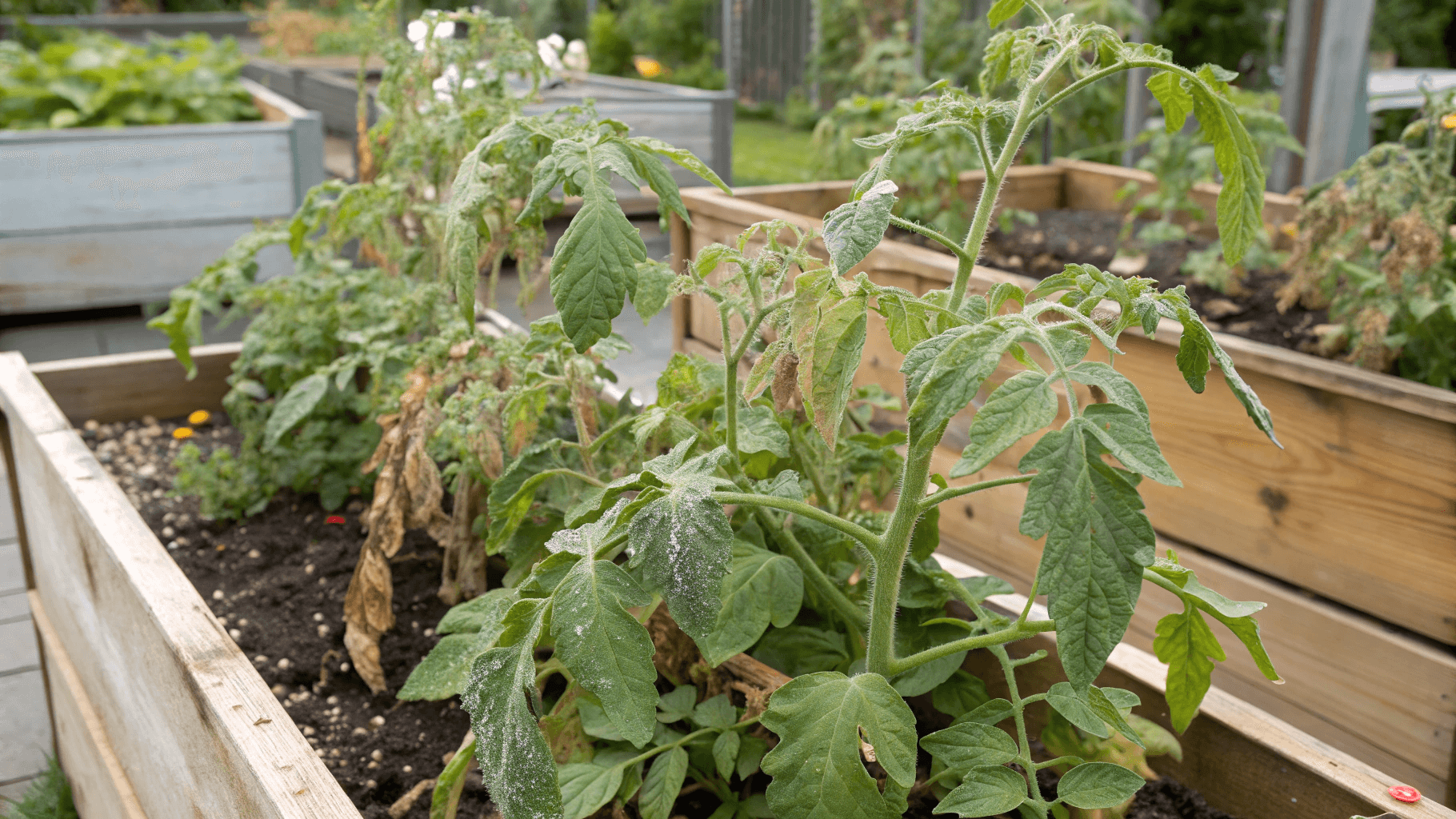
These pests attack the soft foliage of vegetable crops, sucking out plant sap, weakening growth, and spreading disease between plants.
Aphids
Aphids cluster on the undersides of leaves on brassicas, tomatoes, peppers, and squash during periods of rapid growth. They multiply at incredible speed, sometimes producing multiple generations in a single week.
Signs you have aphids:
- Sticky leaves (from honeydew)
- Ants protecting aphid colonies
- Curled or yellowing leaves
Control methods:
- Blast with water: A sharp spray knocks aphids off and prevents them from climbing back.
- Neem oil: Works as a gentle, organic systemic that disrupts their life cycle.
- Insecticidal soap: Direct contact kills them without harming plants.
- Encourage beneficial predators like ladybugs by planting dill, calendula, or alyssum nearby.
I’ve found that once aphids appear, waiting even a few days can turn a small cluster into a full infestation.
Ants in Raised Beds
While ants don’t usually eat vegetables directly, they indirectly damage crops by protecting aphids that weaken plant growth.
What actually helps:
- If you control aphids, ant activity drops quickly once food disappears
- Use sticky barriers or diatomaceous earth around bed legs or edges
- Break ant trails early before colonies establish
- Avoid sugary sprays when ants are active
If ants are nesting in the soil itself, reduce excess moisture and disturb the area to make it less inviting.
Whiteflies
Small, white, moth-like insects that fly up when you disturb the plant. Like aphids, they feed on sap and produce honeydew.
Whiteflies are especially problematic on tomatoes, peppers, cucumbers, and leafy greens grown in raised beds.
To manage whiteflies:
- Use yellow sticky traps near the edges of raised beds.
- Spray the undersides of leaves with organic soap solutions every few days.
- Keep airflow strong by spacing plants appropriately; whiteflies hate turbulence.
Flying pests are more challenging to eliminate completely, but with consistency, you can keep them below damaging levels.
Soil Pests (Root Maggots, Nematodes)
One misconception is that soil pests can’t reach raised beds. But they can, especially if the bed is built directly on native soil or if you reuse contaminated potting soil.
If you suspect contaminated or reused soil, learning how to sterilize soil safely can help reset the bed and reduce future pest pressure.
Root Maggots
These pests, typically from fungus gnats or cabbage flies, chew through delicate roots. They especially love radishes, turnips, onions, and brassicas.
Symptoms:
- Plants wilt despite moist soil
- Stunted growth
- Roots appear chewed or mushy
Control strategies:
- Floating row covers to block adult flies from laying eggs.
- Sand as a top layer: A ½-inch layer discourages egg-laying.
- Beneficial nematodes (Steinernema): These microscopic allies hunt root maggots naturally.
Nematodes (harmful varieties)
Not all nematodes are bad. But the harmful ones cause root knots, stunted crops, and uneven plant development.
What helps reduce harmful nematodes:
- Solarization: Covering soil with clear plastic for 4-6 weeks during hot months.
- Fresh compost: Boosts beneficial microbial life that suppresses nematode populations.
- Marigolds: Planting them in or around the bed helps reduce harmful nematode activity.
Managing soil pests is all about prevention and maintaining biological balance in the soil.
Related: Best Soil Mix for Raised Beds
Physical Barriers That Work (Netting, Mesh, Collars)
| Pest | Fast clues | Typical damage | Best quick fix | Best prevention |
|---|---|---|---|---|
| Slugs / Snails | Slime trail, night feeding | Ragged holes in greens | Hand-pick + beer trap | Copper edge; drier surface |
| Pill bugs | Under mulch, active at night | Nibbled stems, fruit bites | Pull wet mulch + DE ring | Lift fruit; keep crowns dry |
| Aphids | Clusters on new growth | Curled leaves, weak growth | Strong water spray | Predator flowers (dill/alyssum) |
| Whiteflies | White “moths” when bumped | Yellowing, sticky honeydew | Sticky traps + soap | Spacing + airflow |
| Ants (often w/ aphids) | Ant trails on stems | Protect aphids | Fix aphids first | Sticky barrier on supports |
| Root maggots | Wilting in moist soil | Chewed/mushy roots | Row cover + sand layer | Rotate crops; clean inputs |
| Harmful nematodes | Stunted, uneven growth | Knotted roots | Soil solarization | Compost + marigolds + rotation |
| Cutworms | Seedlings cut overnight | Stem severed at soil line | Cardboard collar | Clear debris; dusk checks |
Physical barriers are most effective when installed early, before pests have a chance to establish themselves inside the bed.
Once you’ve identified the pest, the next step is stopping it from reaching your plants in the first place.
Netting and Mesh Cover
Lightweight insect mesh can prevent most flying pests from ever reaching your plants. Because raised beds are contained, it’s simple to secure the mesh with clips or hoops.
Use mesh for:
- Aphids
- Whiteflies
- Cabbage moths
- Leaf miners
Slug and Snail Collars
These are placed around individual plants and create a physical wall that slugs struggle to cross.
Bird Netting
If birds are nibbling young plants or digging through soil, a simple top net can save an entire season’s seedlings.
Hardware Cloth Under Raised Beds
If gophers, voles, or moles are common in your area, installing 1/2-inch hardware cloth beneath the raised bed before filling keeps them out permanently.
Physical barriers don’t rely on chemicals and often solve the issue before it starts.
Hardware cloth works best when paired with proper bed depth, which is why understanding how deep a raised bed should be matters for both root health and pest prevention.
Organic Sprays and Remedies
Raised beds are usually planted densely, so gentle, plant-safe sprays are essential.
Neem Oil
Best for: aphids, whiteflies, mites
Neem works slowly but disrupts pest reproduction while being safe for beneficial insects when used in the evening.
Insecticidal Soap
Best for: soft-bodied pests
This spray kills by contact, so thorough coverage is important.
Diatomaceous Earth (DE)
Best for: slugs, pill bugs, ants
Sprinkle a thin line around the perimeter of raised beds or around specific plants. Reapply after rain or watering.
Garlic or Chili Sprays
These repel but don’t kill pests. They’re especially effective as a preventative for leaf-eating insects.
BT (Bacillus thuringiensis)
Best for: caterpillars (cabbage worms, cutworms)
Safe for humans, pets, and most beneficial insects.
When using organic treatments, consistency matters more than intensity. Several light applications beat one heavy application every time.
How to Pest-Proof Raised Beds Long-Term
Short-term fixes help, but the true advantage of raised beds comes from building a system that naturally resists pests over time.
1. Start with Clean, High-Quality Soil
Good soil with strong microbial diversity creates stronger plants. Strong plants resist pests better.
Using the best soil mix for raised beds strengthens plant roots, improves drainage, and makes crops naturally more resistant to pest damage.
2. Rotate Crops Each Season
Never grow the same plant family in the same spot repeatedly. Rotation interrupts pest life cycles.
3. Add Compost Regularly
Compost introduces beneficial organisms that keep harmful pests in check, improves drainage, and strengthens root systems.
4. Create Healthy Airflow
Proper spacing and pruning prevent humid pockets where pests thrive.
5. Attract Natural Predators
Ladybugs, lacewings, spiders, birds, and predatory beetles are your long-term partners.
Plant flowers near or inside your raised beds, such as:
- Calendula
- Marigolds
- Alyssum
- Dill
- Fennel
These act as nectar sources and habitat for beneficial insects.
6. Water Strategically
Water at the base of plants, not the leaves. Moist foliage attracts pests like aphids and whiteflies.
7. Remove Debris and Overgrowth
Pests hide in decaying leaves and weeds. A quick weekly cleanup keeps them exposed and vulnerable.
8. Inspect Regularly
The small area of raised beds makes monitoring easier. A 60-second daily walk-through can prevent entire infestations.
Pest-proofing isn’t about eliminating every bug, it’s about creating an environment where pests never gain the upper hand.
Conclusion
Raised beds won’t stop pests from visiting your garden, but they give you the advantage of visibility, accessibility, and control. Whether you’re dealing with slugs chewing seedlings, aphids crowding leafy greens, ants farming aphid colonies, or soil pests threatening roots, raised beds allow faster action and more effective prevention.
By combining physical barriers, organic remedies, and long-term soil health practices, you can build raised beds that stay naturally resilient and produce strong, thriving plants season after season.
If you build a raised bed ecosystem where pests struggle to take hold and where beneficial insects thrive, you’ll enjoy healthier crops, fewer problems, and a garden that practically manages itself.

Leave a Reply