
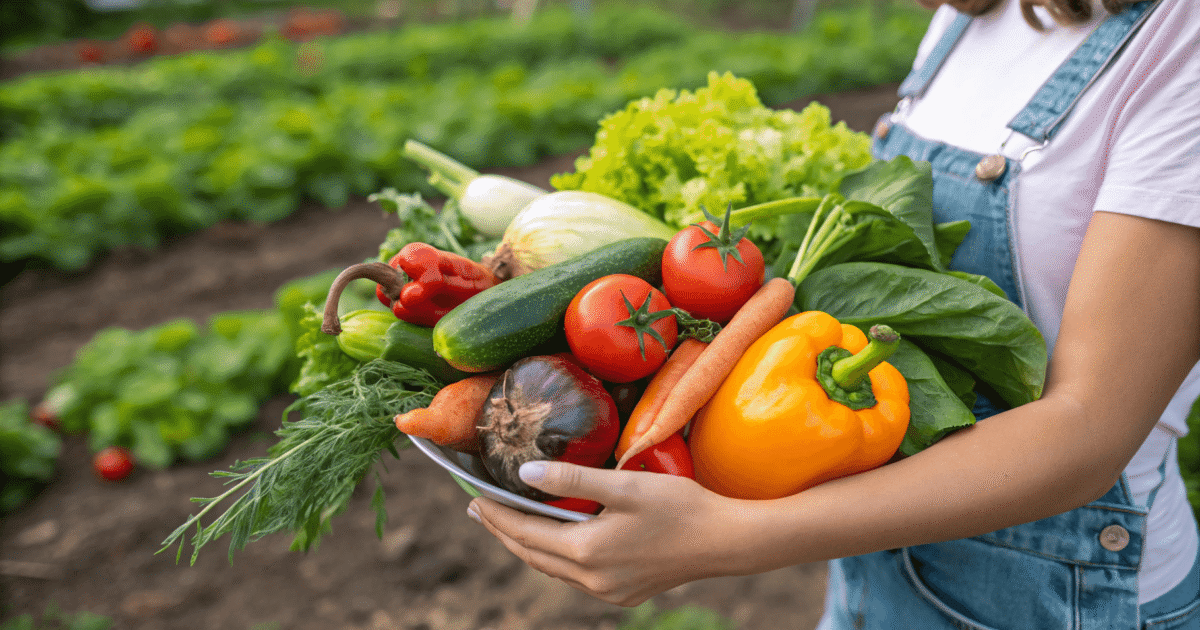
Organic vegetable gardening focuses on building healthy soil and growing food using natural processes instead of synthetic chemicals. This guide is designed specifically for beginners who want to grow vegetables organically.
It complements basic vegetable gardening knowledge by explaining how organic methods change soil care, pest control, and plant nutrition.
If you’re completely new, start with my vegetable gardening for beginners guide.
Why Choose Organic Gardening?
Organic gardening focuses on natural methods of growing plants, avoiding synthetic fertilizers and pesticides. By including organic practices, you contribute to a healthier planet, and a healthier mind and body. Let’s check some of the key benefits:
- Healthier Produce: Free from harmful chemicals, organically grown vegetables are safer and taste better. You can enjoy peace of mind knowing your food is natural.
- Environmentally Friendly: Organic gardening promotes biodiversity, enriches the soil, and reduces water pollution caused by chemical runoff. It’s a sustainable way to grow food.
- Cost-Effective: Reduces the need for costly chemicals and store-bought vegetables. Over time, your investment in gardening tools and seeds will pay off.
- Satisfying Hobby: Gardening is a therapeutic activity that reduces stress, keeps you active, and helps you connect with nature. Gardening organically creates a closer connection to food production and encourages mindful, sustainable growing practices.
By choosing organic gardening, we making a positive impact on our planet.
Related: How to Make Liquid Fertilizer at Home
Getting Started with Organic Vegetable Gardening

1. Choose the Right Location
Selecting the right spot is important for a healthy garden. Most vegetables thrive in areas with ample sunlight and good air circulation.
- Sunlight: Most vegetables need 6-8 hours of direct sunlight daily. Observe your space to identify the sunniest spots.
- Drainage: Ensure the soil drains well to prevent waterlogging, which can harm plant roots. If your soil tends to retain water, consider using raised beds.
- Accessibility: Choose a location that’s easy to water and maintain. Proximity to a water source can save you time and effort.
2. Know Your Climate and Soil
Taking the time to understand the climate and soil of your area will help you select the best crops and ensure that your plants grow strong and healthy.
- Know Your Growing Zone: Research your USDA plant hardiness zone to determine what vegetables grow best in your region. This will prevent frustration from planting crops that may not grow in your climate.
- Test Your Soil: Healthy soil is important for organic gardening. Use a soil testing kit to check pH and nutrient levels. Most vegetables prefer slightly acidic to neutral soil (pH 6.0-7.0).
- Amend the Soil: If your soil is lacking in nutrients, enrich it with compost, aged manure, or organic matter. These natural fertilizers improve fertility, structure, and water retention.
Organic gardening depends heavily on soil biology, so understanding your local soil and climate is especially important when avoiding synthetic fertilizers.
3. Select Vegetables to Grow
Choosing the right vegetables can make or break your gardening experience as a beginner. Start with easy-to-grow vegetables that don’t require much maintenance. These plants below grow quickly, giving you the satisfaction of an early harvest. Additionally, they’re versatile in the kitchen.
- Leafy greens: Lettuce, spinach, kale, leek
- Root crops: Radishes, carrots, potatoes, onion, garlic
- Other: Tomatoes, cucumbers, zucchini
- Herbs: Basil, mint, parsley
For organic beginners, choosing disease-resistant and fast-growing vegetables reduces the need for interventions and increases early success.
4. Plan Your Garden Layout
A well-organized garden is easier to maintain and yields better results. Consider the following:
- Raised Beds: Raised beds are especially popular in organic vegetable gardening because they improve drainage, reduce soil compaction, and make it easier to control soil quality. They’re also easier on your back and knees.
- Containers: If you’re limited to a balcony or patio, containers are a great option. Choose pots with proper drainage holes.
- Companion Planting: Companion planting involves grouping plants that support each other’s growth. For instance, planting basil near tomatoes can enhance their flavor and repel pests.
Essential Tips for Organic Gardening Success
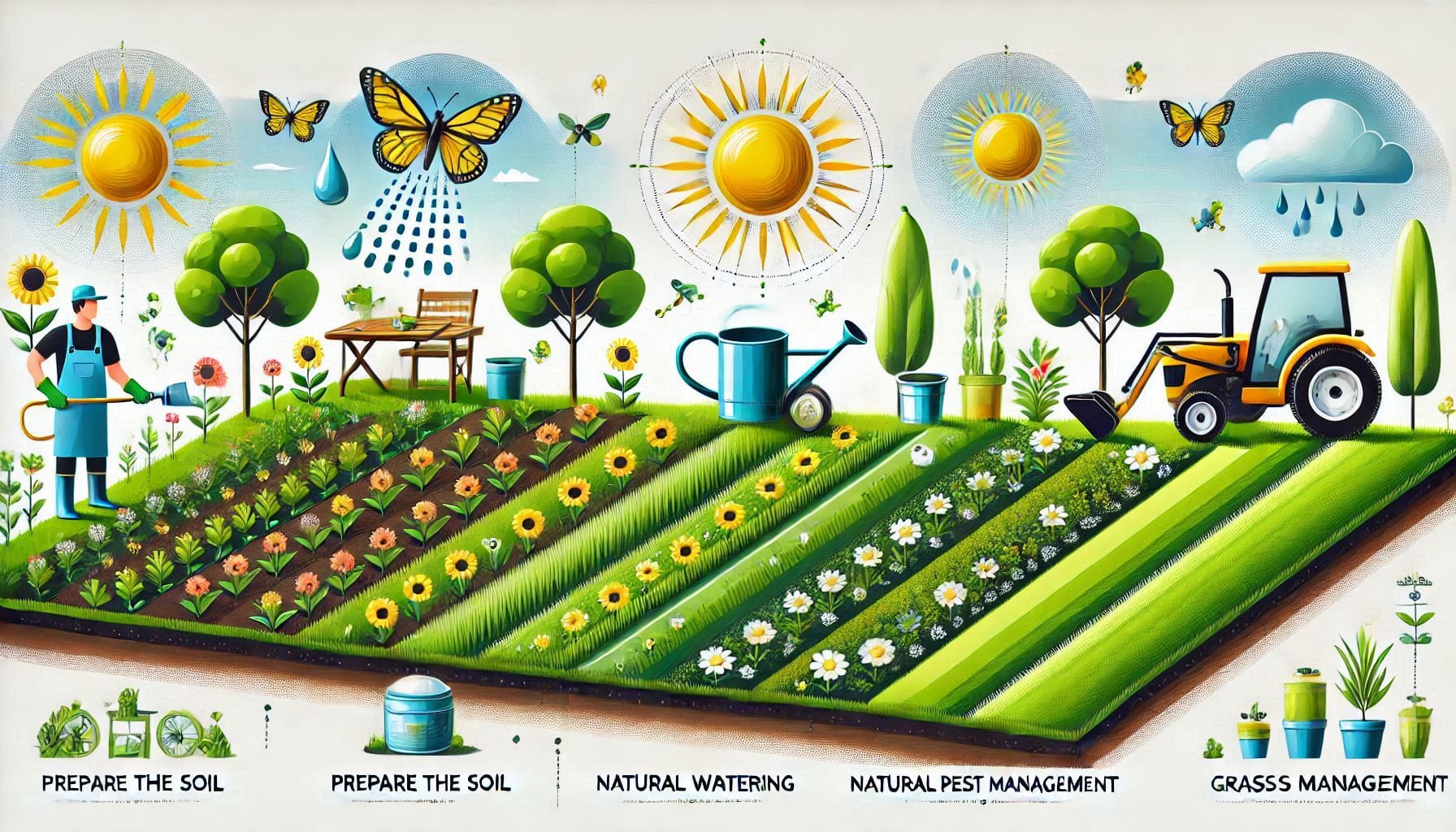
1. Prepare the Soil
Healthy soil is the lifeline of your garden. In organic gardening, soil health matters more than feeding plants directly. A living soil ecosystem supplies nutrients naturally when managed correctly.
Before planting, spend time improving the soil quality:
- Add organic compost and aged manure to enrich the soil with essential nutrients. Compost not only provides nutrients but also improves soil structure and water retention.
- Avoid chemical fertilizers, which can harm beneficial microbes in the soil. Instead, opt for natural alternatives like nettle water or fish emulsion (use sparingly and according to label instructions).
- Use mulch to retain moisture, regulate soil temperature, and suppress weeds. Organic mulches like straw or wood chips break down over time, further enriching the soil, also retaining moisture.
Related: Make the Best Seed Starting Soil Mix at Home
2. Watering
Proper watering is key to healthy plant growth. Here’s how to do it right:
- Water early in the morning to give plants a full day to absorb moisture. Morning watering also reduces the risk of fungal diseases.
- Use drip irrigation or soaker hoses to deliver water directly to the roots, minimizing loss and keeping foliage dry.
- Avoid overwatering, as it can lead to root rot. Check the soil’s moisture level before watering by inserting your finger an inch into the soil.
3. Natural Pest Control
Organic pest control focuses on prevention first, not reaction.
By fostering a balanced ecosystem, you can keep pests under control without harmful chemicals:
- Use neem oil or insecticidal soap to manage pests without harming beneficial insects. These solutions are safe for plants and break down naturally.
- Attract beneficial insects like ladybugs and lacewings by planting flowers such as marigolds and daisies. These insects prey on pests like aphids and caterpillars.
- Rotate crops annually to prevent pests from settling in and becoming a recurring problem.
4. Weed Management
Weeds compete with your plants for nutrients, water, and sunlight. Here’s how to manage them effectively:
- Mulch heavily around plants to suppress weed growth and retain moisture.
- Pull weeds regularly by hand to prevent them from spreading. It’s best to remove them when the soil is moist.
- Use a hoe to cut weeds at the soil surface for larger garden areas.
Seasonal Planting Guide
Organic gardeners rely heavily on seasonal planting because healthy plants grown in the right season are naturally more resistant to pests and disease.

Spring
Spring is the perfect time to plant cool-season crops that grow in mild temperatures:
- Radishes: Fast-growing and ideal for early harvests.
- Peas: Sweet and crunchy, they grow well in the cool weather of spring.
- Spinach: A nutrient-dense leafy green that grows in cooler temperatures.
Summer
My favorite season is when temperatures rise, then focus on heat-loving vegetables:
- Tomatoes: A versatile and easy-to-grow crop.
- Peppers: Sweet or spicy, they add variety to your meals.
- Zucchini: A prolific producer that’s easy to grow.
Fall
Fall offers a second chance to grow cool-season crops:
- Broccoli: A hardy vegetable packed with nutrients.
- Carrots: Sweetened by cooler weather, they’re perfect for fall.
- Kale: A superfood that grows in cool conditions.
Winter (Mild Climates)
Understanding seasonal planting helps you make the most of your gardening efforts year-round. In regions with mild winters, you can still grow certain vegetables:
- Garlic: Plant in the fall for a summer harvest.
- Onions: Easy to grow and store.
- Winter greens: Spinach and arugula are excellent choices.
Common Challenges and How to Overcome Them
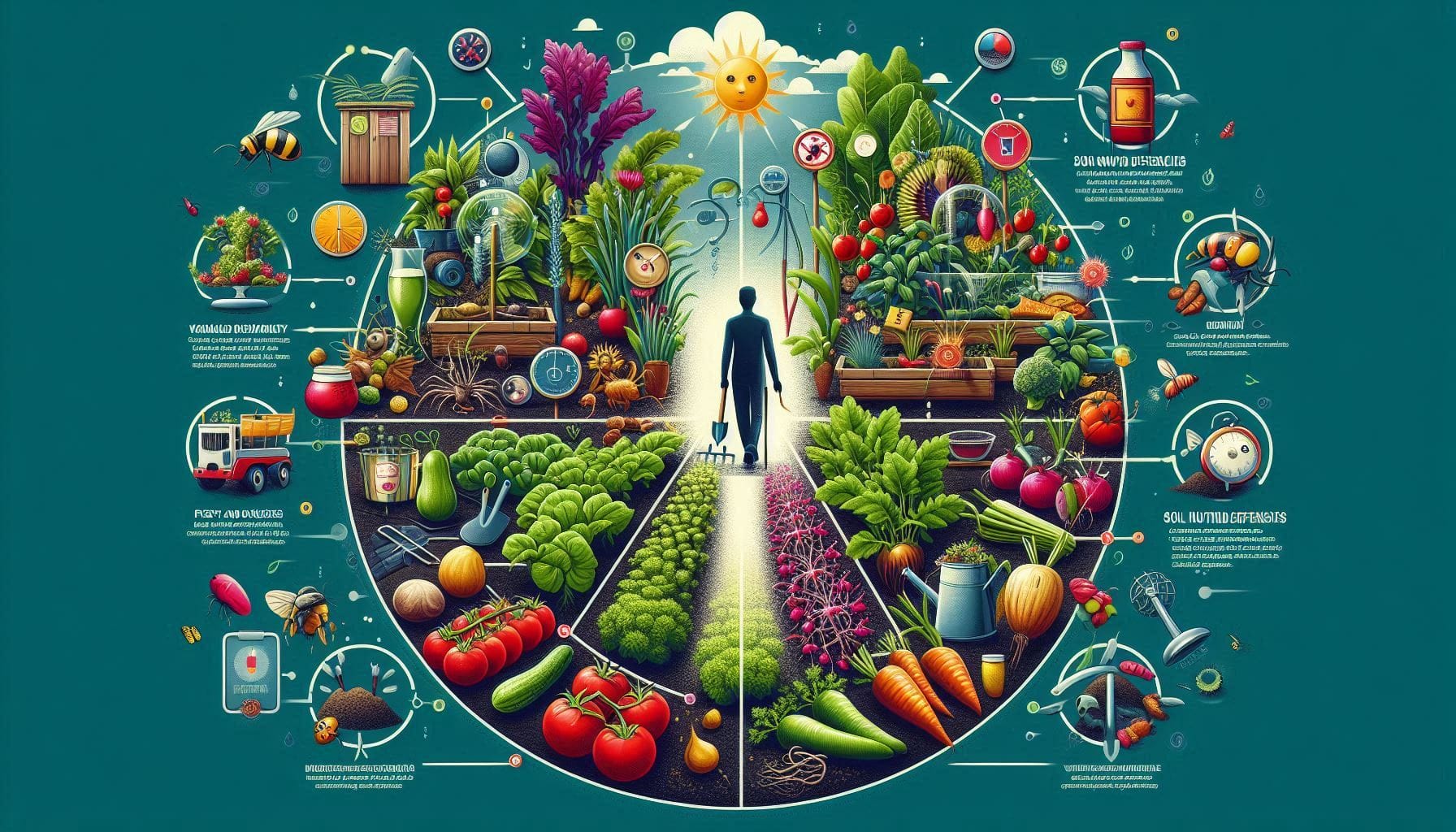
Organic gardening accepts that some loss is normal, but long-term soil health reduces problems each season.
1. Pests and Diseases
Pests and diseases are inevitable, but they can be managed effectively:
- Use crop covers to protect young plants from pests. Covers also help regulate temperature.
- Plant disease-resistant varieties to reduce the probability of problems.
- Remove infected plants promptly to prevent the spread of diseases.
2. Soil Nutrient Deficiencies
Nutrient-rich soil is essential for healthy plants:
- Regularly add organic compost to replenish nutrients. Compost also improves soil structure and water retention.
- Use natural fertilizers like bone meal, banana or potato peels, eggshells, and kelp for targeted nutrient supplementation.
3. Weather Extremes
Weather can be unpredictable, but you can prepare:
- Provide shade for plants during heatwaves using row covers or shade cloth.
- Use row covers or blankets during unexpected cold snaps to protect sensitive plants.
Practical Tips From Organic Vegetable Gardening Experience
Organic gardening rewards patience and observation. Beginners often expect quick fixes, but organic methods work best when you focus on soil improvement, consistent care, and learning from each season.
Keep notes on what grows well, how pests appear, and how soil changes over time. These observations are more valuable than any fertilizer schedule.
Harvesting and Storing Your Produce
Harvesting your vegetables at the right time ensures maximum flavor and nutrition.
- Harvest vegetables when they’re ripe to encourage continued growth. For example, pick cucumbers when they’re firm and green, not yellow.
- Store produce in cool, dry places or refrigerate as needed to maintain freshness.
- Preserve your excess harvest by freezing, canning, or dehydrating. This allows you to enjoy your hard work even after the growing season ends.
Conclusion
Organic vegetable gardening is not about perfection or instant results, it’s about building healthy soil, working with natural processes, and learning from each growing season. When you focus on soil health, proper plant selection, and prevention-based care, your garden becomes more resilient and productive over time.
For beginners, organic methods often make gardening simpler, not harder. Instead of relying on synthetic inputs, you learn to observe your plants, improve your soil gradually, and let nature do much of the work. Each season builds on the last, and small improvements add up to healthier plants and better harvests.

Leave a Reply