
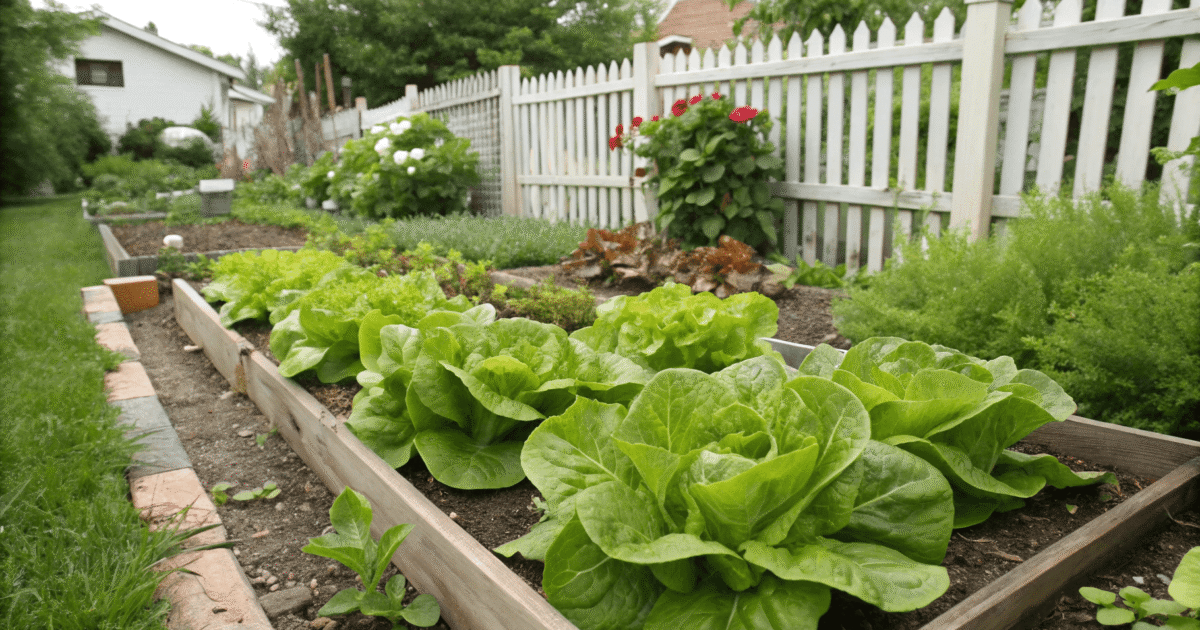
If you’ve harvested a beautiful head of lettuce from your garden, only to take a bite and discover it tastes bitter, you’re not alone. As a lettuce lover, I’ve encountered this issue many times. But every new gardener learns through mistakes and experience, right?
Lettuce bitterness is almost always caused by heat stress, inconsistent watering, or harvesting too late, and the good news is that most of these problems can be fixed quickly.
Remember, gardening is a journey filled with learning opportunities. Don’t be discouraged by setbacks; each experience will help you become a better gardener.
So, let’s dig deep into the reasons “why is my garden lettuce bitter” and how you can fix it for a crisp, delicious salad.
If you’re growing lettuce for the first time, start with How to Grow Lettuce (beginner guide with watering and harvest tips).
What Makes Lettuce Turn Bitter?
Lettuce becomes bitter when it’s stressed usually from heat, drought, or age. Stress makes the plant produce compounds like sesquiterpene lactones, which taste bitter.
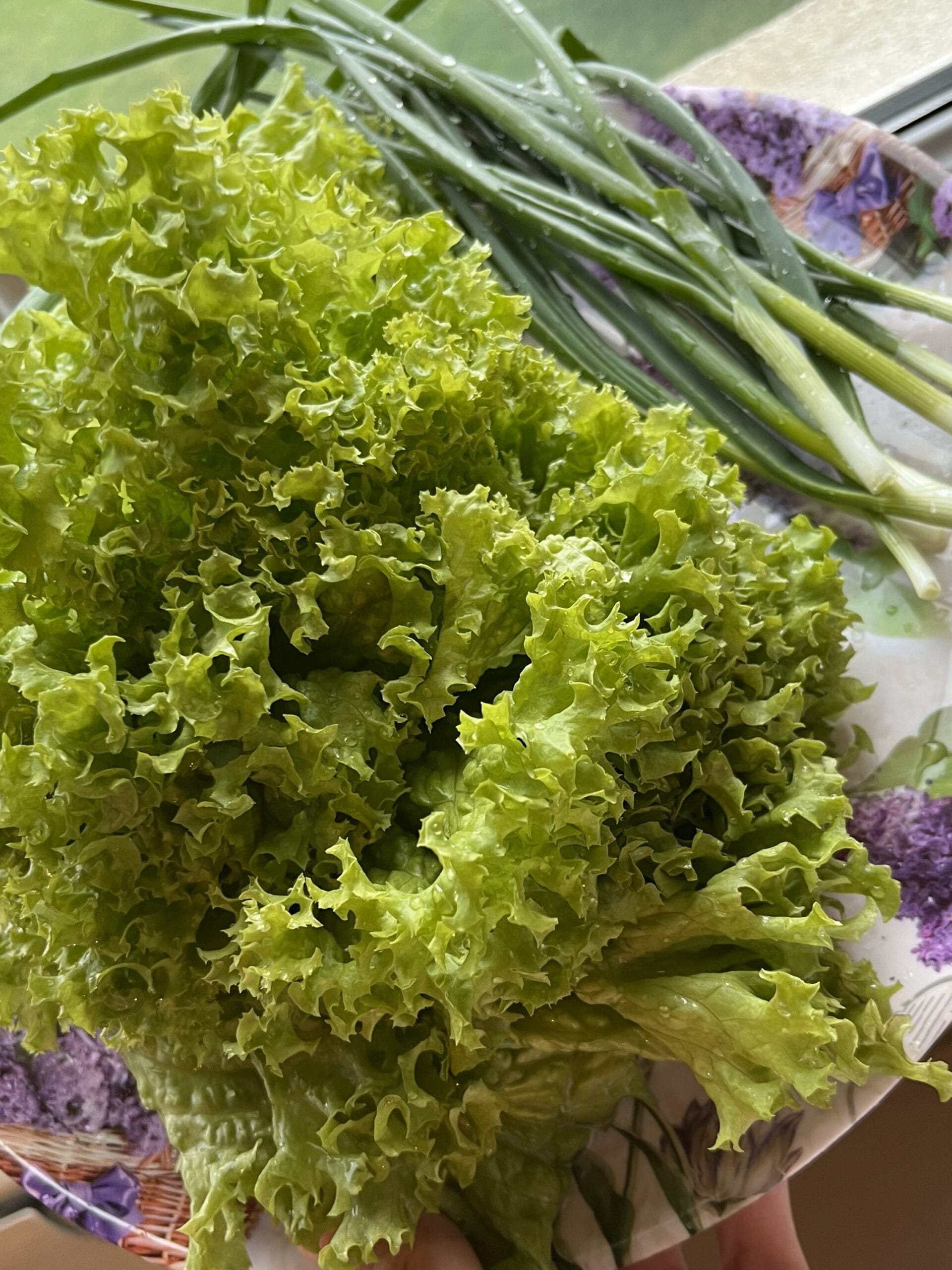
These compounds can lead to an unpleasant, bitter flavour. Knowing this, you can take steps to create an ideal environment for your lettuce, ensuring that it stays sweet and tender.
1. Heat Stress
In my garden, lettuce almost always turns bitter during the first summer heatwave if I don’t add shade quickly.
How heat causes bitterness
Heat is the #1 reason lettuce turns bitter. Lettuce is a cool-season crop and prefers temperatures between 60-70°F (15-21°C).
Once temperatures stay above 75°F (24°C):
- Leaves turn bitter
- The plant starts bolting (sending up a tall stalk)
- Flavor becomes strong and unpleasant
Heat forces the plant into “survival mode,” concentrating bitter compounds.
How to prevent it
I’ve had good lettuce crops that started bolting in early July when it was too hot for them. To avoid this, I began planting my lettuce in early spring or autumn, steering clear of the hot months. Aim for a growing season when temperatures are cooler.
- Use 30-50% shade cloth on hot days
- Water early in the morning to keep soil cool
- Mulch the soil to lower the temperature
- Choose heat-tolerant varieties (Salad Bowl, Summer Bibb)
Sometimes I plant lettuce seeds every two weeks in early spring. This staggered planting ensures I have a continuous harvest, and the cooler temperatures keep the bitterness at bay.
2. Too Much Sun (Wrong Location)
Ideal sunlight for sweet lettuce
Lettuce loves partial shade, especially during hot weather. If you live in a hot climate, consider planting your lettuce in a spot that gets morning sun and afternoon shade, or consider using shade cloth to protect your lettuce from direct sunlight.
This can help maintain cooler temperatures and prevent bolting.
When you MUST use shade cloth
Use shade cloth if:
- Midday temperatures are above 75°F
- Leaves feel warm to the touch
- Soil dries out quickly
Shade cloth reduces stress and can improve flavor within days.
3. Inconsistent Watering
How much water lettuce really needs
Lettuce has shallow roots and dries out fast. If your plants dry out, they can become stressed. The soil should feel like a wrung-out sponge, moist but never soggy.
Water when:
- The top 1 inch of soil feels dry
- Weather is hot or windy
- You see drooping or thin leaves
A soaker hose can be a great investment to ensure even watering. Also, use mulch around your lettuce plants. This helps retain moisture in the soil, reducing the frequency of watering and keeping your plants happy.
Signs of underwatering vs overwatering
Underwatering signs:
- Bitter leaves
- Thin, papery texture
- Drooping in the afternoon
- Dry soil
To fix underwatering: water deeply, then mulch.
Overwatering signs:
- Yellowing leaves
- Soft stems
- Rot
- Mushy roots
To fix overwatering: improve drainage + reduce frequency.
4. Nutrient Imbalance
The right fertilizer for lettuce
- Use a balanced fertilizer (NPK 5-5-5 or 4-4-4).
- Compost mixed into the soil
- Slow-release organic fertilizers
These promote steady, sweet growth.
Why too much nitrogen makes it bitter
Over-fertilizing with nitrogen can cause rapid growth, leading to a tough and bitter taste. On the flip side, a lack of certain nutrients, like potassium, can also result in poor flavour.
You can perform a soil test to determine nutrient levels before planting. This way, you can amend your soil with the right fertilizers to create the perfect balance.
5. Bitter Lettuce Varieties
Yes, that sounds crazy, but some lettuce varieties are naturally more bitter than others. For instance, some wild varieties have a stronger taste than the tender greens we often grow at home.
Sweeter varieties to grow
These stay sweet longer:
- Black-Seeded Simpson
- Butterhead/Bibb lettuce
- Oak Leaf
- Loose-Leaf Green Salad Bowl
Varieties that get bitter fast
These become bitter quickly in heat:
- Romaine
- Summer Crisp
- Wild lettuce types
- Old/heirloom varieties that bolt fast

6. Harvesting Too Late
Best time to harvest
Harvest lettuce when:
- Leaves are young and tender
- Plants reach 4-6 inches tall
- Colors look vibrant
- Before the central stalk appears
The longer it stays in the ground, the more likely it will taste bitter.
Taste-test method
Take 1-2 leaves and taste them. This way, I ensure I’m picking them at their prime!
If:
- the midrib tastes sharp or strong
- leaves feel tougher
- or the stalk is elongating
It’s time to harvest the whole plant immediately.
Is Bitter Lettuce Safe to Eat?
- Yes, it’s safe
- Flavor changes only
- Nutrition remains
Can You Still Eat Bitter Lettuce?
Yes, you can, but most people prefer to mellow the flavor a bit.
You can reduce bitterness by:
- Soaking leaves in ice water for 10-20 minutes
- Add lemon juice or vinegar to your dressing to balance bitterness.
- Mix with sweeter greens like spinach or baby lettuce.
- Cook it: sautéed lettuce becomes surprisingly mild.
How to Fix Bitter Lettuce in the Garden
If your lettuce is already tasting bitter, these quick fixes improve taste within 2-4 days:
- Give it shade to cool it down.
- Water deeply and consistently
- Harvest outer leaves to encourage fresh growth.
- Mulch heavily to cool the soil.
- Remove any plant that has bolted (it won’t recover).
Other Factors That Influence Lettuce Flavor
While the tips above cover the most common reasons for bitterness, I think several other factors can influence the taste of your lettuce.
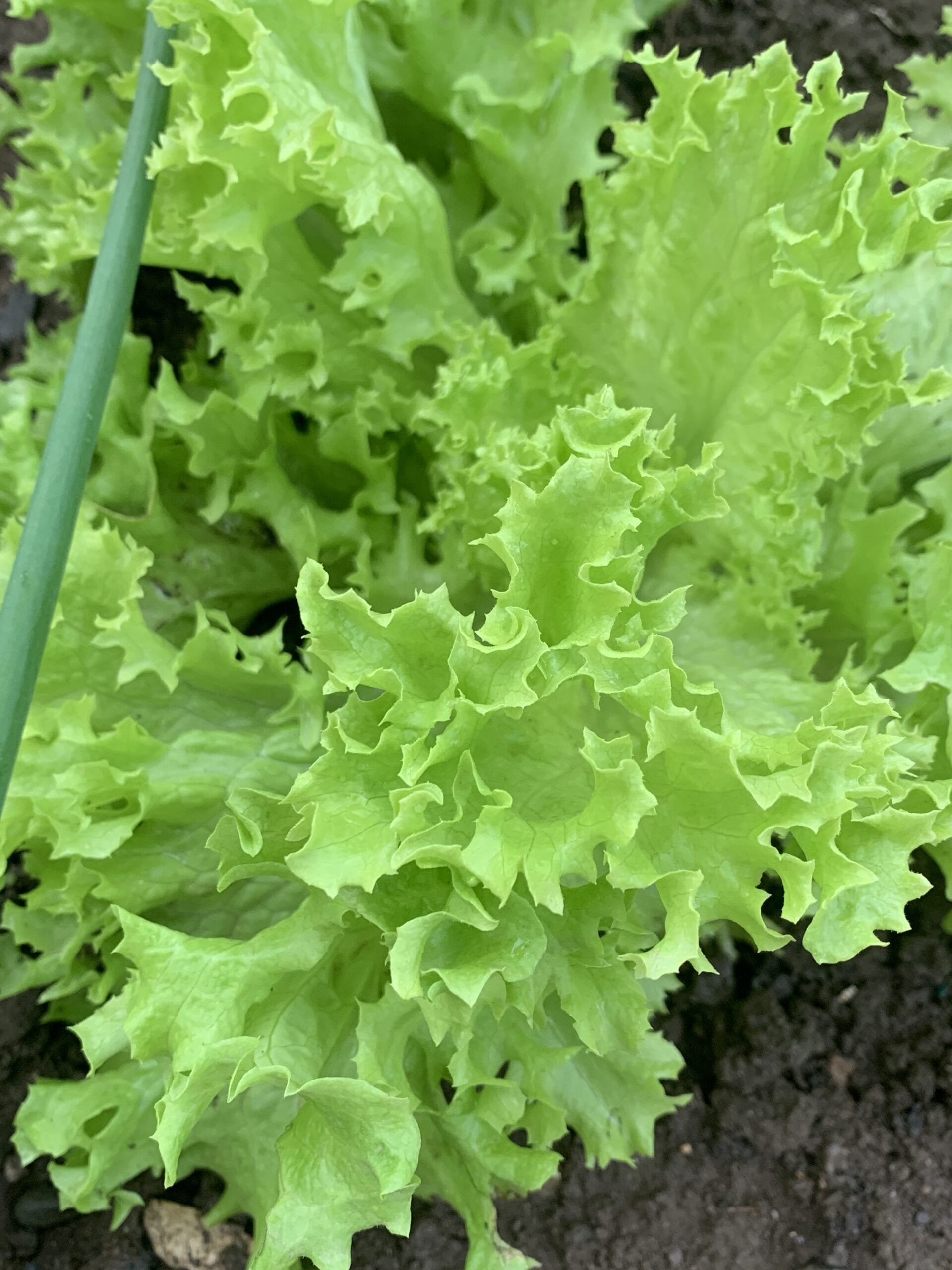
Pests and Diseases
Pests like aphids or diseases like downy mildew can stress your plants, leading to bitterness. Regularly check your plants for signs of trouble and address any issues promptly.
I use different ways to keep pests at bay without harming the plants (you can read about them here). It’s become a staple in my gardening toolkit.
Soil Quality
The quality of your soil can greatly affect the flavor of your produce. Rich, well-aerated soil supports healthy growth and sweeter lettuce.
Lettuce grows best in slightly acidic to neutral soil (pH 6.0-7.0).
Amend your soil with compost or well-rotted manure before planting. This enriches the soil and provides the nutrients your lettuce craves.
Companion Plants
Certain companion plants can enhance the flavor of your lettuce while keeping pests away. Plants like onions, chives, dill, or marigolds can help protect your lettuce from pests and support better growth overall.
They repel pests and keep stress levels low.
How to Reduce Bitterness After Harvest
If you already picked the lettuce and it tastes bitter:
- Rinse and chill in ice water
- Remove the central ribs
- Mix with sweet fruits or veggies (apples, carrots, citrus)
- Use creamy dressings to soften strong flavors
These simple kitchen tricks can completely transform your lettuce.
Conclusion
Growing lettuce isn’t difficult, but it does require timing and a little attention to the weather. Once you understand what causes bitterness – heat, stress, and age, you’ll find it much easier to harvest tender, sweet, fresh-tasting leaves every time.
Remember: every season in the garden teaches you something new. And with a few simple adjustments, your next crop will be your sweetest yet.

Leave a Reply