
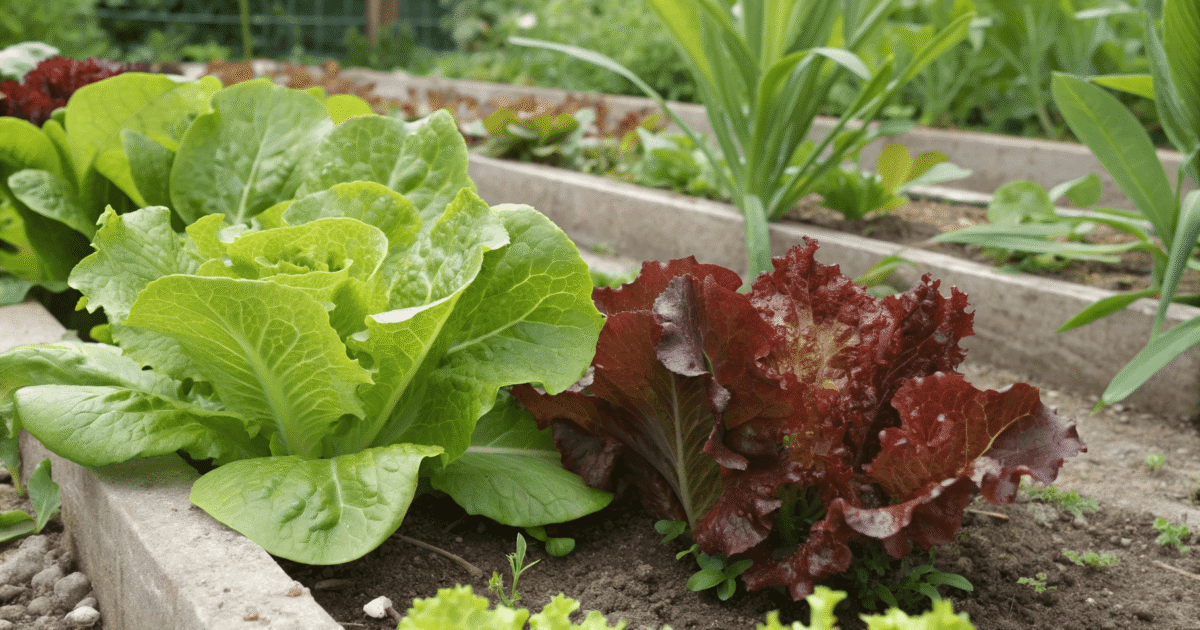
If you’re wondering how to grow lettuce, you’ll be happy to know it’s one of the easiest vegetables for beginners. Whether you have a backyard, a small balcony, or even a sunny windowsill, lettuce adapts easily, grows fast, and rewards you with fresh leaves for weeks.
So, how to grow lettuce successfully?
In short: choose the right variety, give it loose and fertile soil, keep it cool and consistently moist, and harvest often. That’s the formula. But to grow truly sweet, crisp, and tender lettuce, especially without it turning bitter or bolting in warm weather, there are a few helpful tips every beginner should know.
Quick Summary: What Lettuce Needs to Grow
- Loose, fertile soil
- Consistent moisture
- 4-6 hours of sun
- Cool temperatures
- Regular harvesting
- Shade during hot days
Lettuce is one of the easiest leafy vegetables to grow, especially for beginners.
Lettuce Plant Profile
| Factor | Lettuce Details |
|---|---|
| Plant Type | Cool-season leafy (annual) |
| Planting Time | Spring and fall |
| Sunlight | 4–6 hours/day |
| Soil Type | Loose, fertile, well-draining |
| Watering | Keep consistently moist |
| Climate Tolerance | Cool-season crop; prefers 45–75°F (7–24°C) |
| Time to Harvest | 30-60 days |
| Common Pests / Diseases | Aphids, slugs/snails, caterpillars, leaf miners |
| Companion Plants | Asparagus, Carrots, Radishes |
Best Types of Lettuce (Crisphead, Romaine, Butterhead, Looseleaf)
Lettuce isn’t just “lettuce.” There are several categories, each offering different textures, flavors, and benefits. Understanding the main types helps you choose what fits your garden, climate, and tastes.
The most popular ones are:
- Looseleaf
- Romaine
- Butterhead
- Iceberg
If you’re completely new to growing food, you may also want to start with my Vegetable Gardening for Beginners guide to learn the basics before planting.
Lettuce Variety Comparison Table
| Type | Best For | Heat Tolerance | Speed of Growth | Beginner Friendly |
|---|---|---|---|---|
| Looseleaf | Cut-and-come-again harvests | Medium | Fast | ⭐⭐⭐⭐⭐ |
| Romaine | Salads, grilling | High | Medium | ⭐⭐⭐⭐ |
| Butterhead | Tender salads | Low | Medium | ⭐⭐⭐⭐ |
| Iceberg | Crunchy salads | Low | Slow | ⭐⭐⭐ |
1. Crisphead (Iceberg)
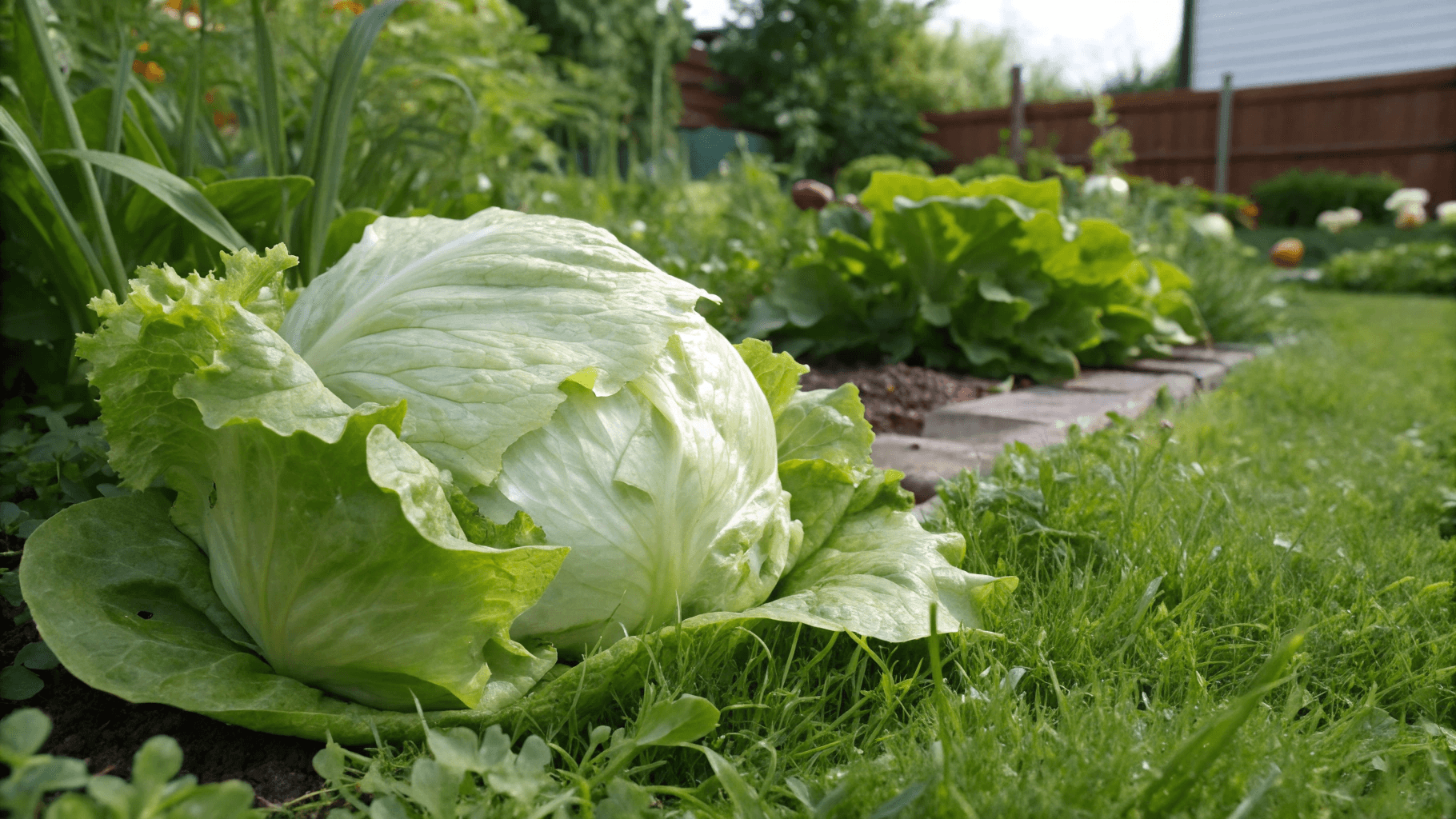
- Best for: crunchy salads, sandwiches
- Pros: very crispy, mild flavor
- Cons: slower to mature and more sensitive to heat
Crisphead varieties form tight, round heads. They need cooler conditions and slightly more attention.
2. Romaine (Cos)
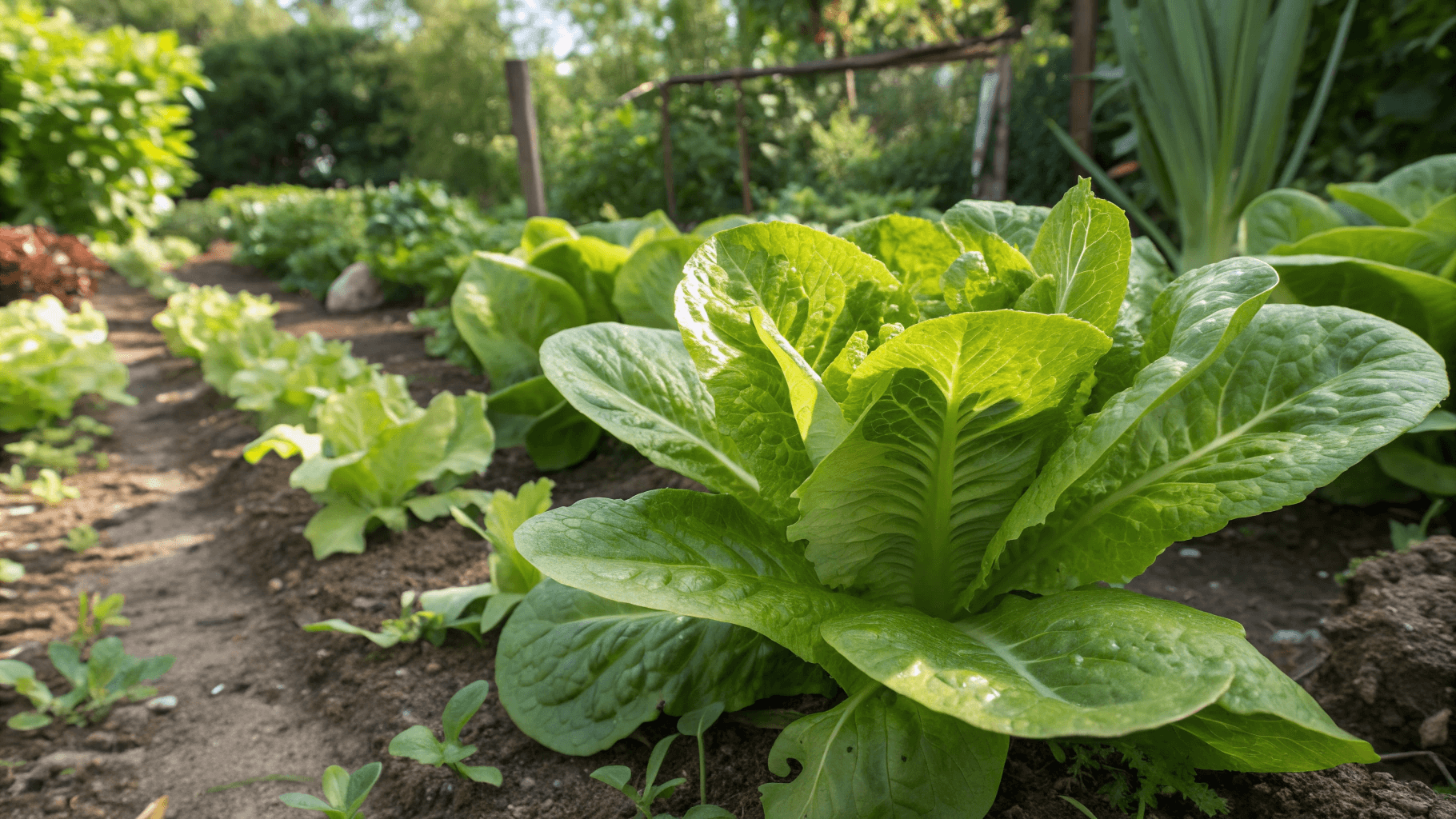
- Best for: Caesar salads, grilling
- Pros: tolerant of heat, sturdy leaves
- Cons: takes a bit longer than leaf types
Romaine grows upright with firm ribs, offering a deeper flavor and better resistance to warm conditions.
3. Butterhead (Boston, Bibb)
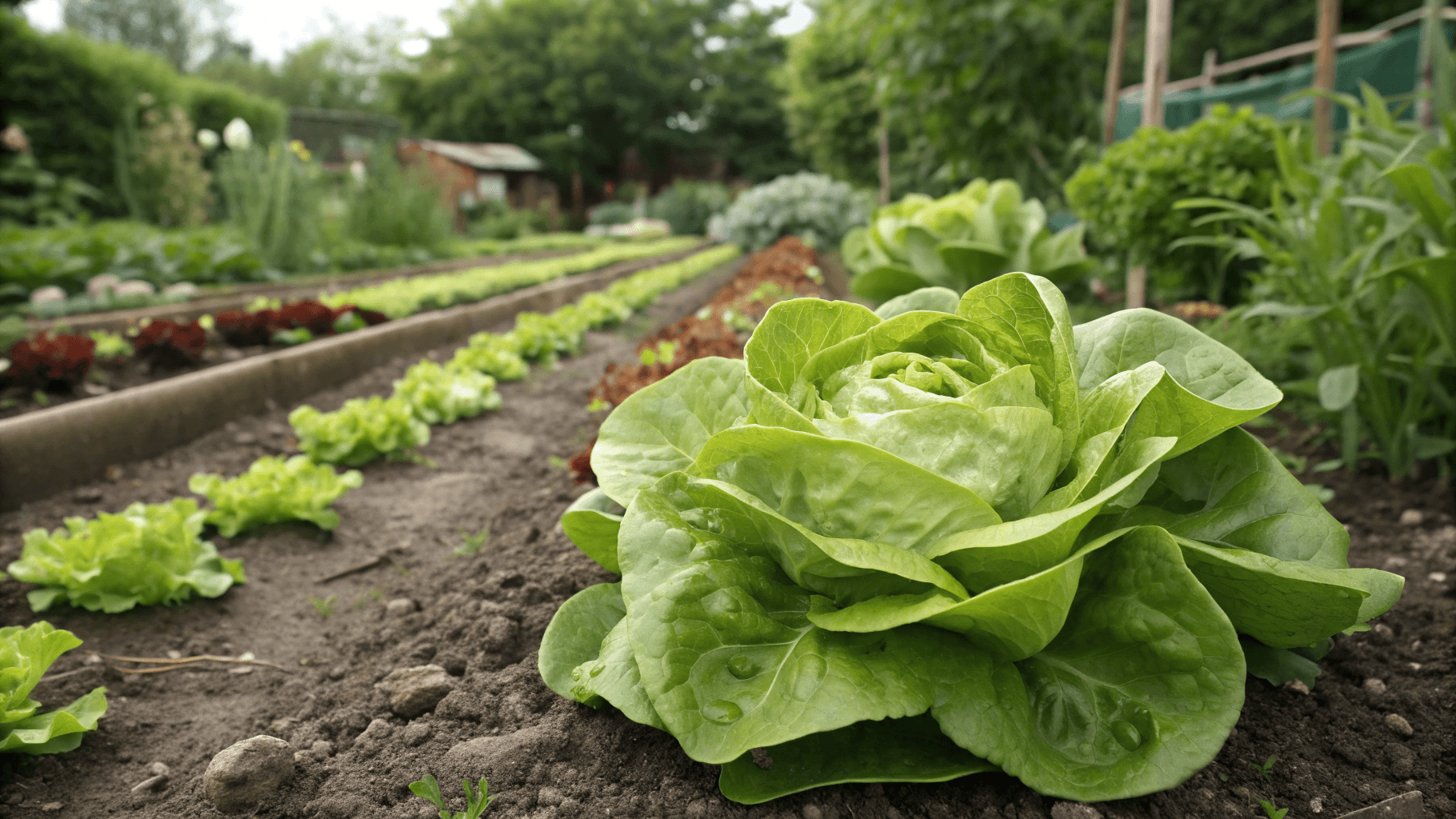
- Best for: wraps, tender salads
- Pros: soft, buttery texture; thrives in cooler months
- Cons: can wilt quickly in intense heat
These form loose, soft heads that are incredibly flavorful and great for gourmet-style dishes.
4. Looseleaf (Green leaf, Red leaf, Oakleaf)
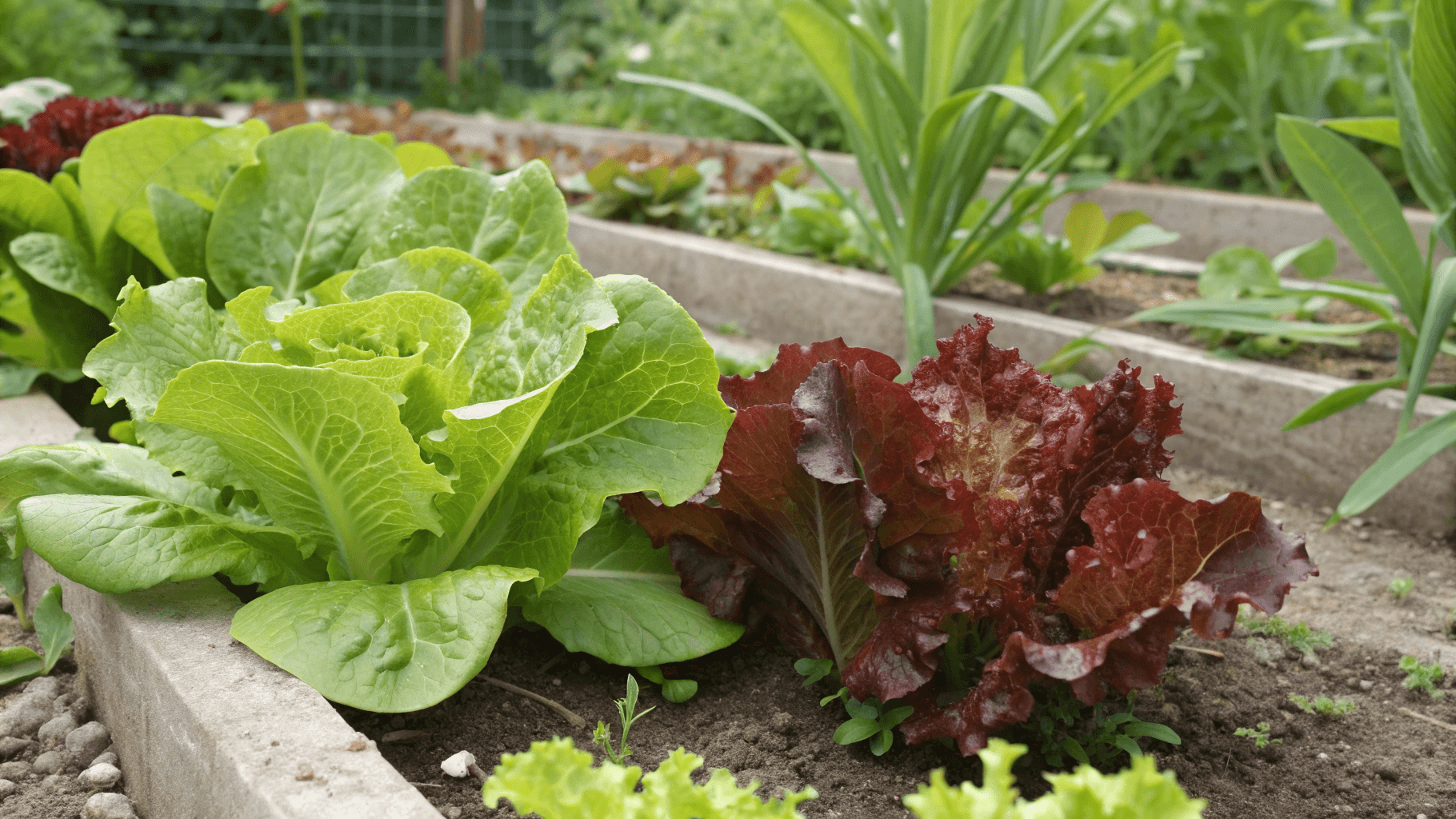
- Best for: cut-and-come-again harvests
- Pros: fast-growing, heat-tolerant, easy for beginners
- Cons: doesn’t form a tight head
Looseleaf lettuce grows open and leafy and the more you pick, the more it grows back.
Best choice for beginners: Looseleaf or romaine
Best choice for small containers: Looseleaf or butterhead
Best choice for hot climates: Romaine and heat-tolerant looseleaf varieties
Best choice for indoors: Looseleaf
How to Grow Lettuce from Seeds or Seedlings
You can grow lettuce either by sowing seeds directly into the soil or by transplanting seedlings. Both methods work; it simply depends on your preference.
Planting Lettuce Seeds
Lettuce seeds germinate quickly, usually within 7 to 10 days (depending on soil temperature).
How to sow seeds:
- Loosen the top 3-4 inches of soil.
- Scatter the seeds lightly on the surface or plant in rows.
- Cover with a VERY thin layer of soil (1/8 inch (3 mm), lettuce seeds need light to germinate.
- Water gently so you don’t wash the seeds away.
Spacing guide:
- Looseleaf: 4-6 inches
- Butterhead: 6-8 inches
- Romaine: 8-10 inches
- Iceberg: 10-12 inches
If sowing densely for cut-and-come-again greens, spacing can be much closer.
Planting Lettuce Seedlings
Seedlings give you a quicker start, especially if temperatures are fluctuating.
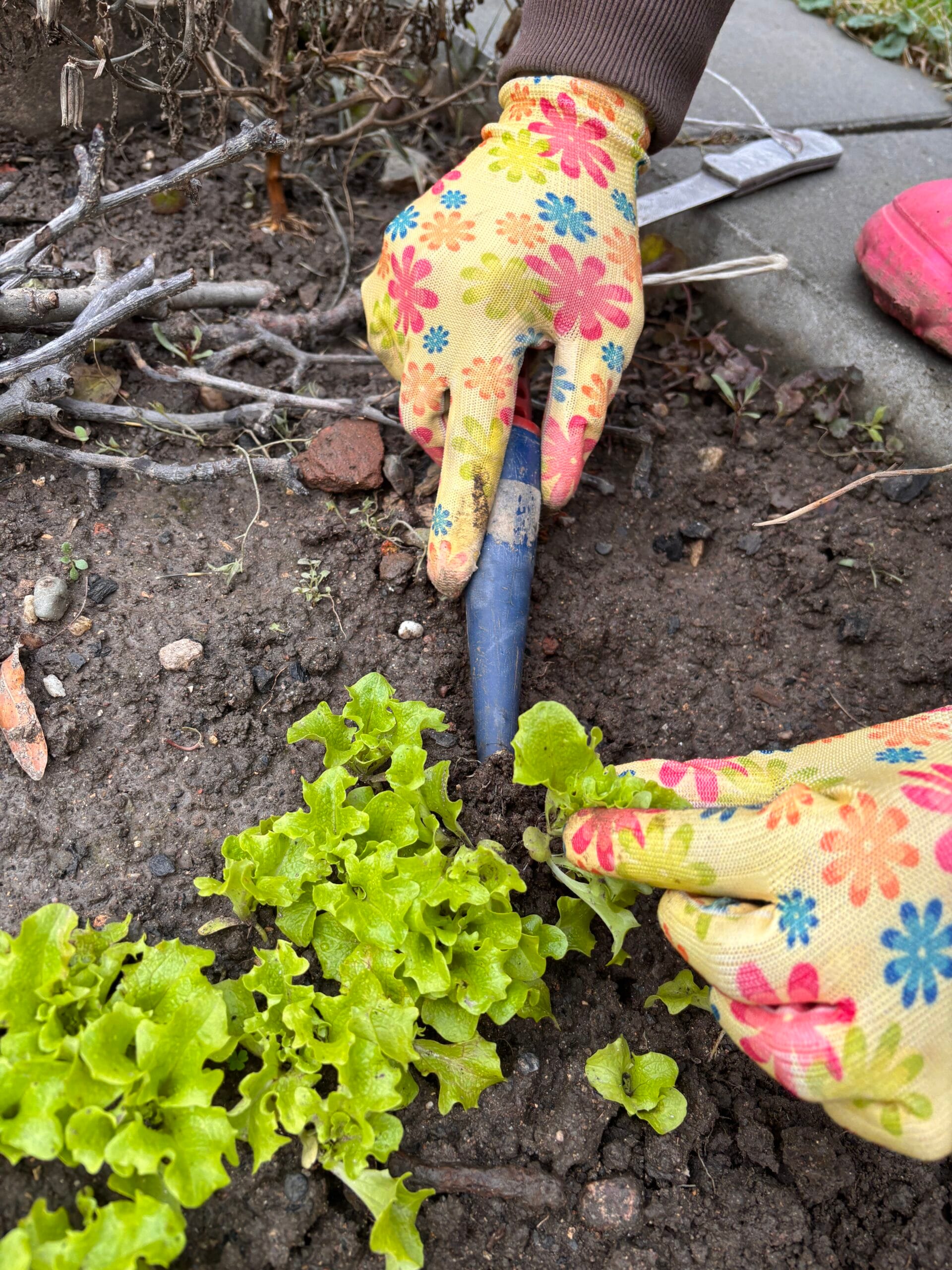
How to transplant:
- Move seedlings when they’re 2-3 inches tall.
- Plant at the same depth they were growing in the tray and space them 6-12 inches (15-20 cm) apart, depending on the variety.
- Water well after transplanting.
Avoid planting seedlings during midday heat. Early morning or evening is best.
Soil Requirements for Lettuce
Lettuce isn’t demanding, but a few soil basics make a huge difference in flavor and productivity.
- Texture: loose, well-draining soil
- Ideal pH: 6.0-7.0
- Organic matter: essential, add compost or worm castings
- Moisture: soil must stay consistently damp but not waterlogged
The looser the soil, the easier it is for lettuce’s shallow roots to spread. Heavy or compacted soil slows growth and leads to bitterness.
Related: Make the Best Seed Starting Soil Mix at Home
Growing Lettuce in Containers (Easy Guide)
Lettuce grows exceptionally well in containers, a perfect solution if space is limited.
- Minimum depth: 6-8 inches
- Width: as wide as possible to encourage multiple plants
- Drainage: must have good drainage holes
- Material: fabric grow bags, plastic pots, or window boxes work extremely well
Watering Lettuce Properly (Keep It Sweet and Crisp)
The secret to sweet, crisp lettuce is consistent moisture. Lettuce grows quickly, and when it becomes stressed from lack of water, it turns bitter.
How often to water
- In cool weather: 2-3 times per week
- In warm weather: daily or even twice daily for containers
- In very hot weather: morning AND evening light watering
Watering tips for the best flavor
- Always water at the soil level, not over the leaves.
- Avoid letting the soil dry out completely.
- Mulch around the plants to retain moisture.
- If growing in containers, check soil daily, pots dry out faster.
In my garden, lettuce turns bitter fastest when I let the soil dry out even once during warm weather.
If you want to maintain consistent soil moisture without daily hand watering, a solar drip irrigation system can make vegetable watering much more reliable, especially during hot or busy weeks.
Sunlight Requirements for Lettuce
Lettuce prefers cool temperatures 45-75°F (7-24°C) and gentle sunlight.
Ideal sunlight conditions
- Full sun in cool seasons (spring, fall)
- Partial shade in summer
Aim for 4-6 hours of sun daily. More sun encourages faster growth but increases the risk of bitterness.
Smart shade solutions for summer
- Use a shade cloth that blocks 30–40% of sunlight.
- Grow lettuce behind taller crops like tomatoes or beans.
- Position containers where they receive morning sun and afternoon shade.
- Move indoor pots to bright but indirect light during heatwaves.
Lettuce grown with a bit of shade tends to stay sweeter for longer.
How to Prevent Lettuce From Bolting in Hot Weather
Bolting is when the lettuce plant shoots up a tall stalk, preparing to flower and produce seeds. Once this happens, the leaves turn bitter very quickly.
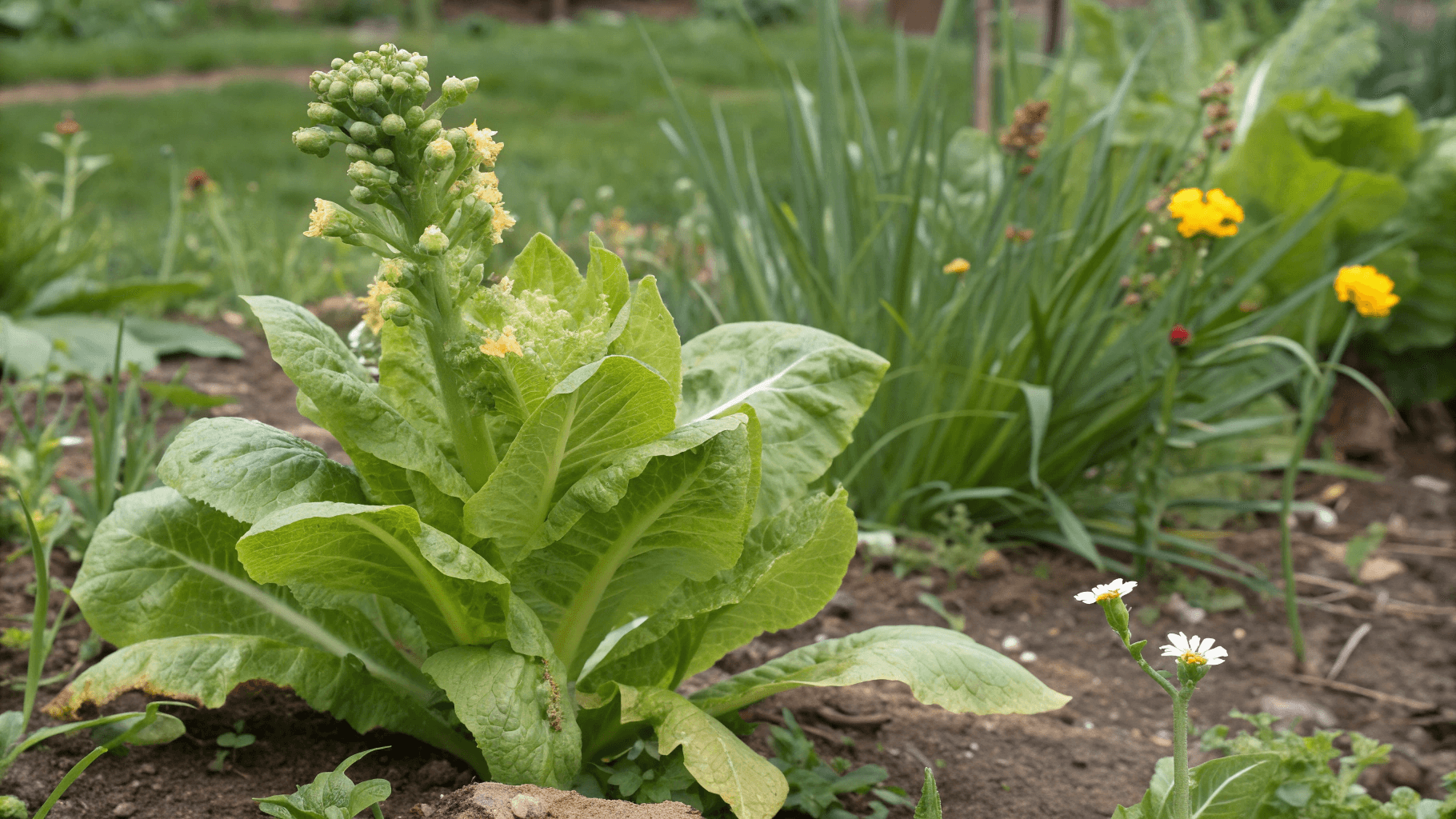
Signs your lettuce is starting to bolt
- Center leaves grow upward instead of outward.
- Leaves are narrow and tough.
- A tall stalk begins to elongate.
- Taste becomes sharp or bitter.
Ways to prevent bolting
- Keep soil consistently moist. Dry soil triggers early flowering.
- Provide shade during the hottest part of the day.
- Choose bolt-resistant varieties (many romaine and looseleaf types).
- Harvest regularly to keep plants producing fresh leaves.
- Grow smaller batches every 2-3 weeks for a steady supply.
Lettuce is a cool-season crop by nature, so even with perfect care, some plants may bolt early in the peak of summer. Don’t worry, just replant when temperatures cool down.
How to Fertilize Lettuce
Fertilizing lettuce is all about keeping things light and balanced. Lettuce grows fast and has shallow roots, so it doesn’t need heavy feeding, just a small nutrient boost to stay green, crisp, and healthy.
Use Light, Gentle Fertilizers
Lettuce prefers mild fertilizers that support leafy growth without overwhelming the plant. Good options include:
- Compost – Mix 1–2 inches into the topsoil before planting.
- Worm castings – Improves soil structure and gives a steady nutrient release.
- Diluted liquid fertilizer (like fish emulsion or balanced water-soluble fertilizer) – Use at ¼-½ strength.
Common Lettuce Problems (and Quick Fixes)
Even though lettuce is beginner-friendly, a few common issues can pop up. Here’s how to solve them quickly.
Bitter Taste
A bitter flavor is one of the most common issues gardeners notice with lettuce, especially as temperatures rise or plants become stressed.
Most often caused by:
- Heat stress
- Insufficient water
- Bolting
- Poor soil quality
Solution: Increase shade, water consistently, and pick leaves young.
One of the easiest ways to boost and protect lettuce growth even more is by using companion planting. Certain plants protect lettuce from pests, help keep it cool, and improve soil naturally. You can read my full guide here: Best Companion Plants for Lettuce.
Slow Growth
Usually due to:
- Poor soil nutrition
- Low sunlight
- Crowded spacing
- Cold temperatures
Solution: Add compost, thin plants, and move containers to brighter locations.
Pests
The main culprits include:
- Aphids
- Slugs and snails
- Caterpillars
- Leaf miners
Solutions:
- Spray with a mix of water + a few drops of dish soap for aphids.
- Sprinkle diatomaceous earth around the base for slugs/snails.
- Cover crops with insect netting.
- Pick pests off by hand early in the morning.
Healthy soil and good spacing often prevent most pest problems.
How to Harvest Lettuce (Cut-and-Come-Again Method)
The most satisfying part of growing lettuce? You don’t have to harvest the entire plant at once.
Many home gardeners are surprised how long lettuce keeps producing when they harvest regularly instead of pulling the whole plant.

Cut-and-come-again method
- Wait until the plant has at least 4-6 mature leaves.
- Using scissors, cut the outer leaves 1-2 inches above the base.
- Leave the center (the “crown”) intact so it continues growing.
- Harvest every few days or weekly.
This method works extremely well for:
- Looseleaf
- Romaine
- Young butterhead varieties
For head lettuce like iceberg, you’ll harvest the whole head at once when it’s firm and fully formed.
Helpful tips for harvesting
- Pick in the morning for maximum crispness.
- Younger leaves taste sweeter and have better texture.
- Regular harvesting improves plant productivity.
When Is the Best Time to Grow Lettuce?
- Spring and fall are ideal
- Summer needs shade
- Winter works indoors or mild climates
Common Mistakes When Growing Lettuce
- Watering too little (causes bitterness)
- Planting in full sun during summer
- Using heavy, compact soil
- Crowding plants too close
- Waiting too long to harvest
Conclusion
Growing lettuce truly is one of the easiest ways to start gardening, even if you’ve never planted anything before. With the right soil, steady moisture, a bit of shade during warm days, and regular harvesting, your lettuce can stay sweet, crisp, and productive for weeks.
Whether you’re filling a raised bed, growing in containers, or starting a growing indoor lettuce adapts beautifully. Try a few varieties, experiment with sowing times, and enjoy the process of growing your own fresh greens from seed to salad bowl.
Related Articles:
- Vegetable Gardening for Beginners
- Best Companion Plants for Lettuce
- How to Grow Lettuce Indoors
- Why Lettuce Turns Bitter (and How to Fix It)
- Best Soil Mix for Raised Beds
- How to Grow Garlic

Leave a Reply