

Kale is one of the easiest vegetables to grow if you plant it at the right time. Kale grows best in cool weather, so the best time to plant is usually early spring (for a late spring/early summer harvest) and late summer to early fall (for a fall/winter harvest). Most gardeners get the best flavour from fall kale because light frosts make the leaves sweeter. This isn’t theory, it’s something most experienced gardeners notice year after year.
But when to plant kale changes a lot depending on where you live. Your planting window depends on your USDA hardiness zone, your last spring frost date, and your first fall frost date.
In this guide, you’ll get a simple seasonal plan, a zone-by-zone schedule, and the temperature rules that matter most so you can plant kale at the perfect moment and avoid bitter leaves, bolting, and slow growth.
If you’re new to kale or want a full walkthrough, my guide on how to grow kale covers everything beyond planting time.
First: Find your frost dates (takes 30 seconds)
- Search: average last frost date + your city
- Search: average first frost date + your city
- Use those two dates to count backwards using your timelines below
Quick Planting Cheat Sheet (Based on Frost Dates)
Kale is one of those crops that forgives a lot except bad timing.
- Spring: Plant kale 2-4 weeks before your last frost (transplants), or 4-6 weeks before last frost (seeds outdoors, if soil can be worked).
- Fall: Start kale 6-8 weeks before your first frost for mature plants, or 8-10 weeks before first frost if starting from seed outdoors.
- Best flavour: Aim to have kale growing during cool days (60-75°F / 15-24°C) and cool nights. A few light frosts improve sweetness.
That’s the headline. Now let’s make it specific for each season and zone.
Why Timing Matters for Kale
Here’s why planting time matters so much:
- Flavour changes with temperature. Cool weather makes kale sweeter. Heat tends to make it bitter and tougher.
- Growth rate depends on temperature. Kale grows steadily in cool weather, but it can stall in cold soil or sulk in hot weather.
- Pests follow the season. Spring and summer plantings often run into aphids, flea beetles, cabbage worms, and harlequin bugs. Fall kale often has fewer issues once nights cool down.
- Bolting risk. Kale is less bolt-prone than some greens, but heat and stress can push it toward flowering. Once it’s bolting, leaf quality drops.
If you’ve ever planted kale “when you had time” and ended up with spindly plants, holey leaves, or bitter flavour, timing was probably the culprit.
Planting Basics (so your timing actually works)
- Seed depth: ¼-½ inch
- Spacing: 12-18 inches (most types), wider for big Lacinato
- Sun: 6+ hours ideal; fall kale can handle partial sun
- Water: steady moisture; drought = bitterness
- Soil: compost helps, especially for spring growth
Planting Kale in Spring
Spring kale can be great, especially if you start early and pick kale varieties that handle changing temps. The goal is to get plants established before the weather swings warm.

Why Spring Timing Matters
Kale tolerates cold, but it doesn’t love sudden heat. If temperatures jump above the ideal range for too long, kale can:
- Grow slowly
- Taste stronger or more bitter
- Attract more pests (like aphids)
- Bolt (send up a flower stalk), especially if stressed
The Best Time to Plant Kale
Use these simple rules:
If you’re planting transplants (starter plants):
- Set them outside 2-4 weeks before your last expected frost.
If you’re direct sowing seeds outdoors:
- Sow 4-6 weeks before your last frost, as soon as the soil can be worked.
- Kale seeds germinate in cool soil, but they’re faster when the soil is above about 45°F / 7°C.
If you’re starting seeds indoors:
- Start seeds 6-8 weeks before the last frost, then transplant outside when seedlings have 3-4 true leaves.
- Harden off seedlings for about a week (gradually introduce outdoor conditions).
A Practical Spring Example
If your last frost is around April 20:
- Indoor start: Late February to early March
- Transplant outside: Late March to early April
- Direct sow outside: Early to mid-March (depending on soil conditions)
Spring kale can be harvested young as “baby kale” in about a month, or grown to full size in 55-75 days, depending on the variety and conditions.
Pros and Cons of Spring Kale
Pros
- Early greens when you’re craving something fresh
- Less competition for garden space (before summer crops go in)
- Fewer intense pests early (they ramp up later)
Cons
- Plants often hit warm weather right as they’re getting productive
- Heat can cause bitterness, tougher leaves, or slower growth
- Pest pressure usually increases as spring turns into summer
What I’ve noticed. Spring kale is easiest when you treat it like a “fast crop.” Start early, feed lightly, harvest often, and don’t expect it to look perfect by late spring if your area heats up quickly.
Planting Kale in Fall (Best Option)
If you can only do one kale season, fall is the one to pick. Kale loves the cool-down period. You get steadier growth, better leaf texture, and usually fewer headaches.

Why Does Fall Kale Taste Better?
Kale becomes sweeter after light frosts because the plant converts some starches into sugars as a natural “antifreeze.” The result is a milder, richer flavour and a more tender bite.
When to Plant Kale for Fall
Use your first fall frost date as your anchor.
For transplants:
- Set plants out 6-8 weeks before the first frost.
For direct sowing seeds outdoors:
- Sow 8-10 weeks before the first frost, so plants have time to size up before cold slows growth.
For a winter harvest (milder climates):
- In zones with mild winters, you can often plant later because kale keeps growing longer.
- In colder zones, growth slows dramatically in late fall, but the plants can still survive and be harvested as “standing kale.”
The Key Fall Trick
In the fall, it’s not just about frost, it’s about daylight. As days shorten, kale grows more slowly even if temperatures are decent. That’s why fall planting usually needs a bigger lead time than people expect.
When to Plant Kale by Dates and Zones
Because frost dates vary even within the same USDA zone, the most accurate method is always:
- Find your average last spring frost date and average first fall frost date
- Use the timing windows above to calculate your seed/transplant dates
These are typical planting windows. Weather varies year to year, so treat these as starting points and adjust using your local frost dates.
| USDA Zone | Spring Planting | Fall Planting | Notes |
|---|---|---|---|
| Zone 3 |
Start indoors late Feb–March Transplant late April–May |
Start seeds indoors June Transplant July | Short season — start fall kale early |
| Zone 4 |
Start indoors Feb–March Transplant April–May |
Start June–early July Transplant July–early Aug | Standard spring and fall timing works well |
| Zone 5 |
Start indoors Feb–March Transplant April Direct sow March–April |
Start late June–July Transplant late July–Aug | One of the easiest zones for kale |
| Zone 6 |
Start indoors Jan–March Transplant March–April Direct sow March |
Start late June–Aug Transplant July–Sept | Flexible planting windows |
| Zone 7 |
Start indoors Jan–Feb Transplant Feb–March Direct sow Feb–March |
Start July–Sept Transplant Aug–Oct | Long fall harvests are common |
| Zone 8 |
Start indoors Dec–Jan Transplant Jan–Feb Direct sow Jan–March |
Start Aug–Oct Transplant Sept–Nov | Often grows through winter |
| Zone 9 |
Transplant Jan–Feb Direct sow Jan–March |
Start Sept–Nov Transplant Oct–Dec | Performs best as a fall–winter crop |
| Zone 10 | Spring planting not recommended |
Direct sow Oct–Feb Transplant Nov–Feb | In very hot climates, avoid late spring and summer planting |
Important: Treat those as planning ranges, then fine-tune using your local frost dates. Two towns in the same zone can be weeks apart.
Zones describe winter lows, not your exact frost dates. If you want accuracy, pair this guide with your local last/first frost dates.
Best Months to Plant Kale (quick guide)
- Cold zones (3-5): March-May and July-August
- Middle zones (6-7): February-April and August-October
- Warm zones (8-10): mostly September-February
Can You Plant Kale in Summer?
Yes, sometimes. Summer kale is tricky because kale dislikes sustained heat.
Kale doesn’t always die, but it sits there looking annoyed with slow growth, chewy leaves, and more pest damage than it’s worth.
If You Have to Plant in Summer
- Use a bit of shade (even 30-40% shade cloth helps)
- Plant heat-tolerant varieties
- Keep soil consistently moist (dry stress makes bitterness worse)
- Mulch to keep roots cool
- Harvest baby leaves early and often (baby kale is more forgiving)
A smart summer approach is to sow kale in mid-to-late summer for a fall harvest, not for midsummer eating.
When Summer Planting Usually Fails
- Hot zones (8-10) without shade
- Heat waves with warm nights
- Dry soil or inconsistent watering
- Heavy pest pressure (summer insects can explode)
If you want to try it anyway, grow kale where it gets morning sun and afternoon shade, use mulch, and water deeply.
How Late Can You Plant Kale in Fall?
This depends on your zone and whether you’re using seeds or transplants.
- For full-size plants: Plant 6-8 weeks before first frost (transplants), 8-10 weeks (seeds)
- For baby leaf harvests: You can plant 3-5 weeks before the first frost
- For overwintering (mild climates): Plant early enough to reach a decent size before winter slows growth, often 8-12 weeks before the first frost
Once daytime highs drop and daylight shortens, kale doesn’t put on size fast. That means if you plant too late, you might get small plants that survive but don’t yield much until spring (in colder climates) or until a warm spell (in milder climates).
Late-fall Success Strategies
If you’re pushing the season:
- Use transplants, not seeds
- Choose faster varieties (or harvest baby kale)
- Protect with row cover or a low tunnel
- Plant in a spot with the most sun you have in fall/winter
Seeds vs Transplants: How Timing Changes
Your timing changes depending on whether you plant from seed or from starts.
Direct Sowing Seeds
Pros: Cheaper and simpler, direct-sown kale often develops a sturdier root
Cons: Slower start, seedlings are more vulnerable to pests and heat swings
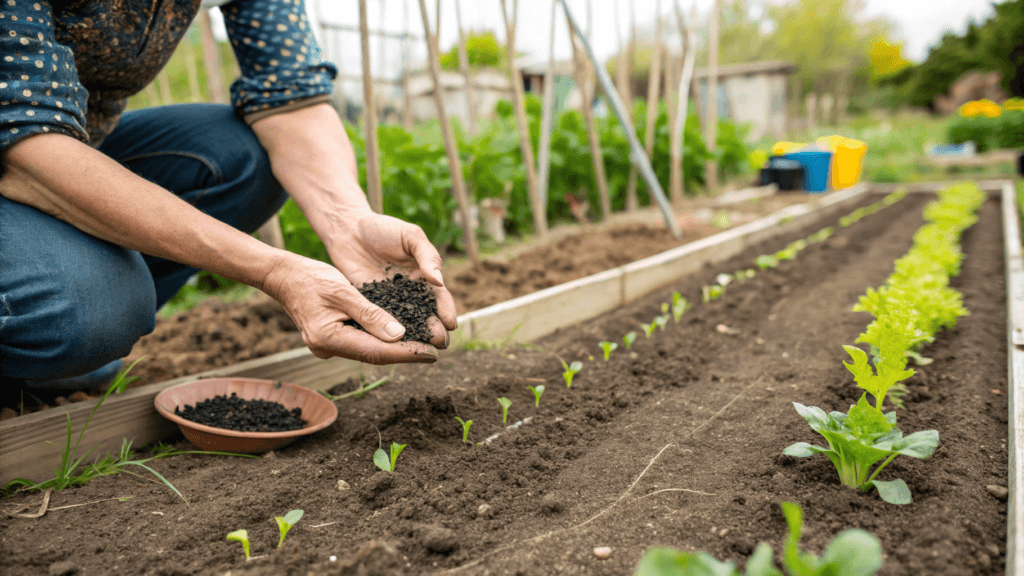
Timing rule: Sow earlier than you would transplant because seeds need time to germinate and size up.
- Spring: 4-6 weeks before the last frost
- Fall: 8-10 weeks before first frost
In late summer, the hardest part is keeping the top half-inch of soil from drying out. A light layer of shade cloth, burlap, or a board over the row (lift daily) can make germination way more reliable.
Using Transplants
Pros: Faster harvest, easier scheduling, better survival in tricky weather
Cons: Costs more, can get rootbound if ignored
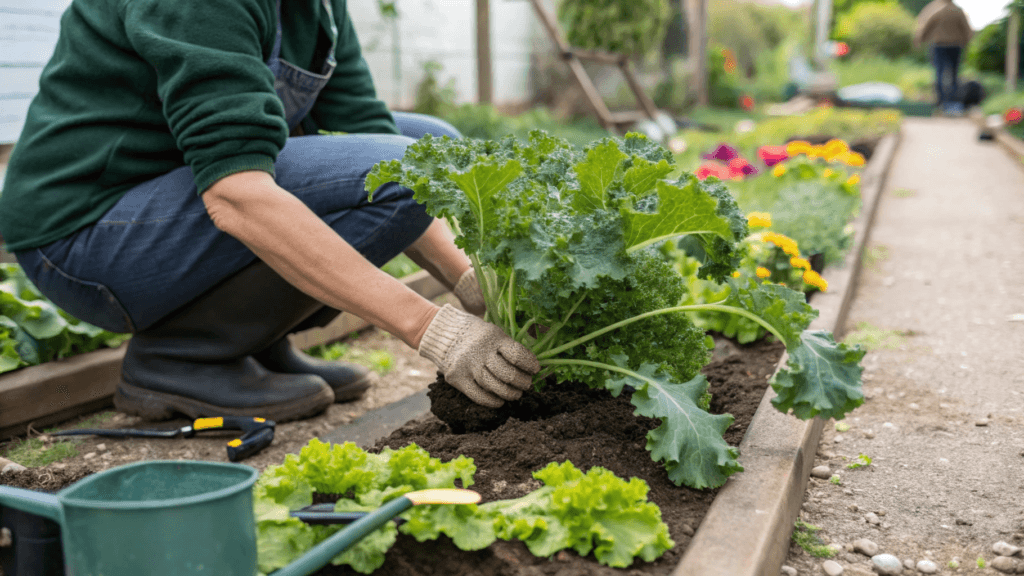
Timing rule: Transplants go out later because they’re already “ahead.”
- Spring: 2-4 weeks before the last frost
- Fall: 6-8 weeks before first frost
Seeds usually need 1-2 extra weeks compared to transplants because germination and early growth take time.
Starting Seeds Indoors
This is the best of both worlds if you do it right.
- Start indoors 6-8 weeks before transplant date
- Transplant when seedlings are sturdy (usually 4-6 inches tall)
Varieties and timing (why it matters)
- For late planting: pick faster varieties/baby leaf types
- For heat: look for heat-tolerant plants or those that grow in shade
- For cold: curly types and Siberian/Russian types often handle cold well
(You don’t need brand names, just guidance.)
Temperature Rules That Matter Most
If you remember only one thing, remember this: kale is a cool-weather crop.
Ideal Temperatures
- Best Growth: 60-75°F (15-24°C)
- Tolerates Cold: Down to around 20°F (-6°C) for wide varieties
- Heat Stress: Prolonged heat above 80°F (27°C) can slow growth and worsen flavor
Frost and Flavor
- Light frosts can improve sweetness
- Hard freezes can damage leaves, especially on young plants, but many kale types bounce back
Soil Temperature for Germination
- Kale seeds germinate best when the soil is roughly 45-85°F (7-29°C)
- If your spring soil is ice-cold and soggy, indoor starts are safer
How to Adjust Your Timing
Two gardens in the same zone can behave very differently. That’s microclimate.
Here’s how to adjust without overthinking it:
If Your Garden Runs Cold
Examples: Low spots, windy yards, shaded beds
Adjust: Plant 1-2 weeks later in spring, and consider a slightly earlier fall start so plants size up.
If Your Garden Runs Warm
Examples: South-facing walls, urban areas, raised beds, reflective patios
Adjust: Plant 1-2 weeks earlier in spring, but protect from heat in late spring.
Tools that Change Your Season
- Row covers: Warm the space slightly and block pests
- Cold frames/low tunnels: Extend fall harvest and protect from early freezes
- Shade cloth: Makes summer or late-spring growing possible in warmer zones
- Mulch: Stabilises soil temperature and moisture
When Can You Start Harvesting
- Baby kale: ~25-35 days
- Full leaves: often ~55-75 days
- Best habit: harvest outer leaves weekly (keeps the plant producing)
Common Timing Mistakes
Planting Spring Kale Too Late
If you transplant kale when it’s already warming up, you often get a short window of decent leaves before heat stress hits.
Fix: Start earlier, or plan spring kale as “early greens” and switch to summer crops when it warms.
Waiting for “Perfect Warm Soil”
Kale doesn’t need warm soil. It needs to be neither frozen nor completely waterlogged.
Fix: Plant when the ground is workable, and protect seedlings with row cover if needed.
- Planting Fall Kale Too Late for Your Climate
Late planting is the #1 reason people say, “My fall kale never really grew.”
Fix: Work backwards from the first frost and give it enough weeks to bulk up.
- Direct Sowing in Late Summer Without Moisture Control
Seeds germinate, then dry out and die. Or they never germinate at all.
Fix: Water lightly 1-2 times daily until sprouts are up, and use light shade or cover to hold moisture.
- Not Adjusting for Variety
Some kale types mature faster than others.
Fix: If you’re planting late, choose faster varieties or aim for baby leaves instead of full plants.
Conclusion
Kale is easy to grow when you match it to the weather; it loves cool days and cold nights. For most gardens, that means planting early in spring or, even better, late summer into fall for sweeter, more tender leaves.
Use your local last and first frost dates as your anchor, then adjust based on whether you’re planting seeds or transplants, your zone, and any microclimate factors like shade, wind, or heat from walls and patios.
If you follow the timing rules in this guide, aiming for that 60-75°F (15-24°C) sweet spot, you’ll avoid the most common problems (slow growth, bitterness, and bolting) and set yourself up for steady harvests.

Leave a Reply