
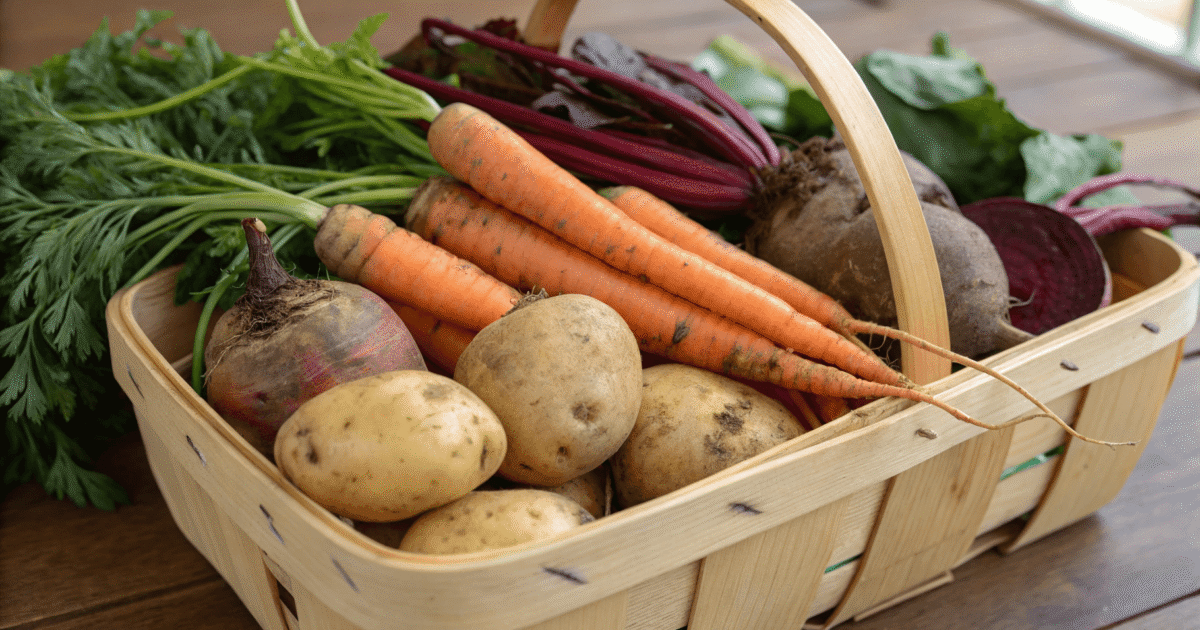
Root vegetables are some of the most dependable crops you can grow in a home garden. They grow underground, store nutrients in their roots, bulbs, or tubers, and often need less daily attention than above-ground vegetables. Once planted, many root crops quietly do their work below the soil until harvest time.
When soil conditions are right and watering is consistent, most root vegetables grow reliably without constant attention. Many also store for months after harvest, making them especially valuable for gardeners who want long-lasting homegrown food.
Root vegetables are often among the first crops gardeners try when learning the basics of vegetable gardening.
What Are Root Vegetables?
Root vegetables are crops that are grown primarily for the edible parts that develop underground. These can be true roots, bulbs, or other underground plant structures that store energy for the plant.
In gardening, many underground crops are grouped as root vegetables even though they’re technically different plant structures.
Simple Definition
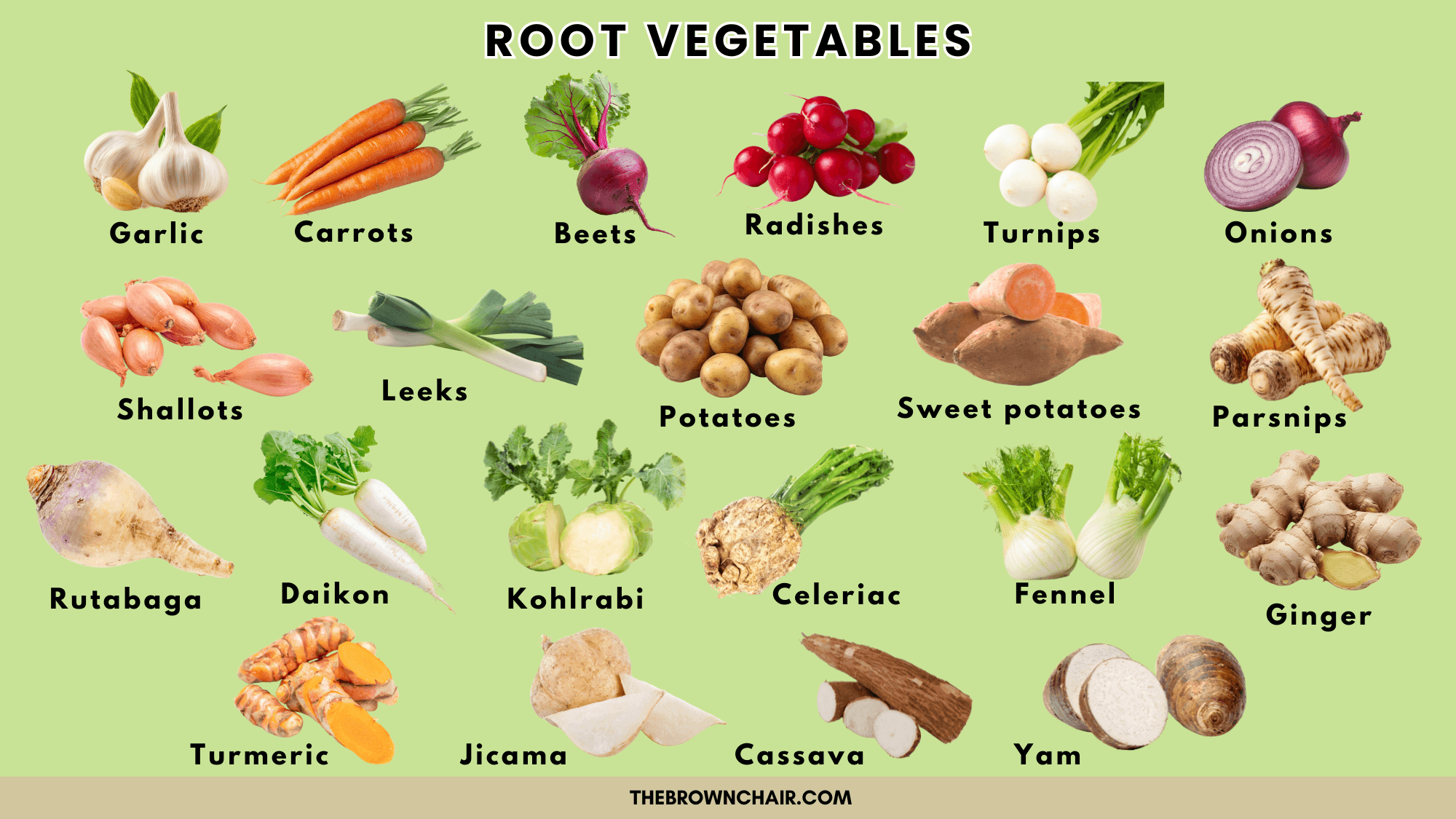
Root vegetables include:
- Edible roots (like carrots and beets)
- Bulbs (like garlic and onions)
- Underground stems or storage structures (like potatoes)
How Root Vegetables Differ from Other Vegetables
- Root vegetables develop underground and are harvested by digging or pulling them from the soil.
- Leafy vegetables are grown for their leaves and are harvested above ground (lettuce, spinach, kale).
- Fruiting vegetables are grown for flowers or fruits that form above ground (tomatoes, cucumbers, peppers).
Why Soil Matters More for Root Vegetables
Because the edible portion grows underground:
- Soil texture directly affects shape and size
- Compacted or rocky soil can deform roots
- Soil depth limits how large roots can grow
Unlike leafy or fruiting vegetables, root crops respond immediately to soil problems because the harvestable portion is in constant contact with the soil.
If roots can’t grow freely, they won’t develop properly.
Why Soil Depth Matters
Shallow soil limits:
- Carrot length
- Parsnip development
- Beet and rutabaga size
Deeper, loose soil allows roots to grow straight and strong.
Common Examples of Root Vegetables
You’ll see root vegetables like:
- Carrots
- Garlic
- Beets
- Onions
- Potatoes
These are some of the most common root crops grown by beginners because they’re widely available, adaptable, and easy to store.
Types of Root Vegetables
Not all root vegetables are the same. Understanding the differences helps you grow them better.
Root vegetables fall into several categories based on how they store energy underground.
True Root Vegetables
- Carrots
- Beets
- Radishes
- Turnips
- Parsnips
- Rutabaga
- Daikon
- Cassava
- Jicama
They need deep, loose, stone-free soil to grow straight and full-sized.
Bulb Vegetables (Alliums)
Bulbs are made of layered leaf bases that swell underground to store energy.
- Garlic
- Onions
- Shallots
- Leeks
Bulb size depends more on spacing, day length, and timing than soil depth.
Tuber Vegetables
These are swollen underground stems that store nutrients, not true roots. Sweet potatoes are botanically different from potatoes, but both are grown as tubers in home gardens.
- Potatoes
- Sweet potatoes
- Yam
They grow along the stem, so hilling soil matters more than depth alone.
Other Underground Stem Types
Rhizomes
Rhizomes are horizontal underground stems that spread and produce new shoots.
- Ginger
- Turmeric
They need warm soil, long seasons, and loose growing space to expand sideways.
Corms
Corms are short, solid underground stems that store energy for regrowth.
- Celeriac
They grow shallow and wide, not deep, so spacing is more important than depth.
Swollen Stem Vegetables
These crops are grown for thickened stems that form at or just above soil level.
- Kohlrabi
- Fennel
They need consistent moisture and space, but not deep soil.
This classification prevents confusion and helps gardeners understand why care requirements vary. Although these crops are grouped as “root vegetables,” they grow in very different ways, which is why soil preparation matters so much.
Common Root Vegetables to Grow at Home
Below are some of the most popular root vegetables for home gardens.
| Vegetable | Description | Growing Focus |
|---|---|---|
| Garlic | Hardy bulb grown from individual cloves | Bulb |
| Carrots | Sweet taproots that prefer loose, stone-free soil | Root |
| Beets | Dual-purpose crop grown for roots and edible greens | Root |
| Radishes | Fast-growing roots ideal for quick harvests | Root |
| Turnips | Cool-season roots grown for bulbs and greens | Root |
| Onions | Bulb vegetable grown from seed, sets, or transplants | Bulb |
| Shallots | Small clustered bulbs with mild flavor | Bulb |
| Leeks | Thick stems grown for their mild onion flavor | Bulb / Stem |
| Potatoes | Underground tubers grown from seed potatoes | Tuber |
| Sweet potatoes | Warm-season tubers grown from slips | Tuber |
| Parsnips | Long roots that sweeten after frost | Root |
| Rutabaga | Large, cold-tolerant root for storage | Root |
| Daikon | Large Asian radish with mild, crisp flesh | Root |
| Kohlrabi | Swollen stem grown just above soil level | Stem / Root Hybrid |
| Celeriac | Knobby root grown for flavor, not appearance | Root |
| Fennel (bulb) | Swollen stem base with mild licorice flavor | Bulb |
| Ginger | Tropical crop grown for spreading rhizomes | Rhizome |
| Turmeric | Warm-season crop grown for underground rhizomes | Rhizome |
| Jicama | Crisp, edible root grown in warm climates | Root |
| Cassava | Tropical root crop grown in hot regions | Root |
| Yam | Large tropical tuber with long growing season | Tuber |
Best Root Vegetables for Beginners
- Garlic – forgiving, low maintenance
- Beets – fast, dual-purpose
- Radishes – very fast results
- Turnips – easy and flexible
These crops tolerate minor mistakes, germinate reliably, and produce usable harvests even in less-than-perfect conditions.
How Root Vegetables Grow (General Guide)
Although different root crops vary, they share many growth patterns.
Root Development Underground
After germination:
- Leaves grow above ground
- Energy is sent to the root
- The root enlarges gradually over time
Disturbing roots early can reduce final size. In my experience, even light tugging or replanting can noticeably reduce final root size.
Importance of Loose, Stone-Free Soil
Rocks and compacted soil cause:
- Forked carrots
- Misshapen beets
- Small or split bulbs
Preparing soil properly before planting is essential.
Growth Timeline
- Fast growers: Radishes, turnips (30-45 days)
- Moderate growers: Beets, carrots (60-90 days)
- Slow growers: Parsnips, garlic (90-180 days)
Why Thinning Matters
Crowded plants compete underground for space and nutrients.
Thinning allows:
- Reduced competition and improved root spacing
- Larger roots
- More even growth
Best Soil for Root Vegetables
Soil quality matters more for root crops than most vegetables.
Ideal Soil Texture
- Loose
- Deep
- Well-drained
Roots need room to expand.
Why Compacted Soil Causes Problems
Compaction leads to:
- Forked roots
- Poor bulb formation
- Increased disease risk
Organic Matter
Helpful additions:
- Finished compost
- Leaf mold
Avoid:
- Fresh manure (causes excessive leaf growth)
- Heavy clay without amendment
Soil pH
Most root vegetables prefer:
- pH between 6.0 and 7.0
Helpful guides:
Where to Grow Root Vegetables
Some root crops prefer cool weather (carrots, beets), while others require warmth (sweet potatoes, ginger).
In-ground gardens
Best for:
- Carrots
- Parsnips
- Daikon
- Rutabaga
Few depth limitations.
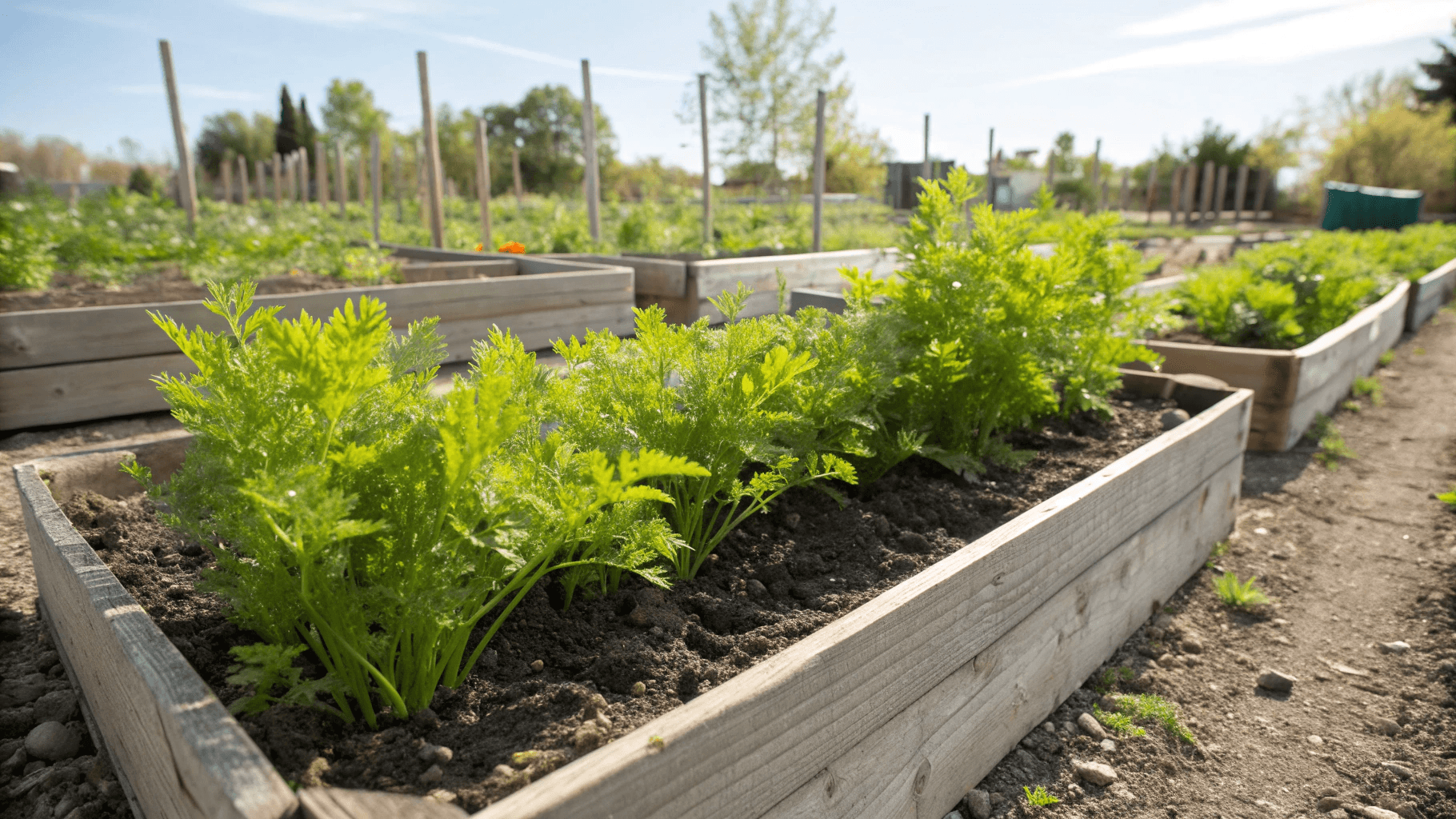
Raised Beds
Raised beds offer:
- Better drainage
- Easier soil control
- Warmer soil in spring
Helpful resource:
Containers
Containers work well for:
- Garlic
- Beets
- Short carrots
- Kohlrabi
- Fennel
- Celeriac
- Ginger
- Turmeric
Choose containers:
- At least 12-18 inches deep
- With good drainage
Common Problems With Root Vegetables
Forked or Misshapen Roots
Caused by:
- Rocks
- Compacted soil
- Fresh manure
Small Bulbs
Often due to:
- Crowding
- Poor soil fertility
- Incorrect planting time
Poor Germination
Common with:
- Carrots
- Parsnips
Keep soil evenly moist during germination.
Pest Damage Underground
Includes:
- Wireworms
- Root maggots
- Grubs
Rotation and healthy soil help reduce damage.
Rot and Fungal Issues
Often caused by:
- Poor drainage
- Overwatering
Watering and Feeding Root Crops
Consistent Watering
Root crops need:
- Even moisture
- No long dry spells
Overwatering vs Underwatering
Root crops tolerate slightly dry soil better than soggy soil.
- Too much water causes rot
- Too little water causes woody roots
When to Reduce Watering
Before harvest:
- Reduce watering for garlic and onions
- Helps cure bulbs
Nitrogen Balance
Too much nitrogen causes:
- Leaf growth
- Small roots
Harvesting and Storing Root Vegetables
When Roots are Ready
Signs include:
- Mature leaf size
- Days to maturity reached
- Root tops visible at soil surface
Harvesting Techniques
- Loosen soil gently
- Pull carefully
- Avoid damaging skins
Curing Bulbs
Garlic and onions need curing:
- Warm
- Dry
- Good airflow
Storage Basics
Most root vegetables store best in:
- Cool conditions
- Dry environments
- Darkness
Root Vegetable Growing Guides
Use these guides when you’re ready to grow individual root crops with step-by-step instructions.
Root Vegetable Guides
- Garlic – Complete growing guides covering how to grow garlic, care, harvesting, and common problems
- Carrots – (Growing guide coming soon)
- Beets – (Growing guide coming soon)
- Onions – (Growing guide coming soon)
- Potatoes – (Growing guide coming soon)
Important Clarification
Not everything that grows underground is technically a “root.”
- Potatoes are tubers, not true roots
- Ginger and turmeric are rhizomes
They’re still commonly grouped with root vegetables in gardening because they’re grown and harvested underground.
Conclusion
Root vegetables reward patience. With the right soil, steady watering, and minimal disturbance, they quietly develop underground until harvest. For beginners, they’re a reliable way to build confidence and enjoy long-lasting homegrown food.
Start with one or two root crops, focus on soil preparation, and expand as you gain experience. Over time, root vegetables often become one of the most dependable parts of a beginner’s garden.

Leave a Reply