
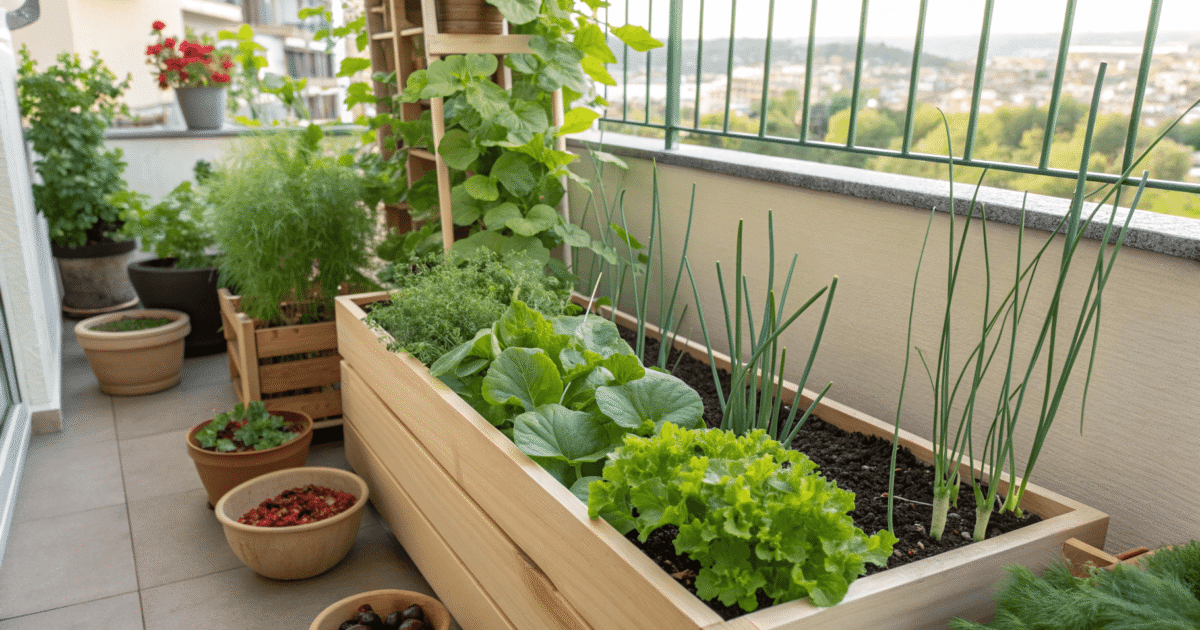
When I first started gardening without a yard, I assumed my options were limited to a few pots and maybe some herbs. Between weight limits, changing sunlight, and tight square footage, most traditional gardening advice simply didn’t apply.
Over time, I learned that raised beds for small spaces can turn balconies, patios, and compact spaces into surprisingly productive gardens. The key isn’t cramming plants into containers, but working with the space you have instead of against it.
This guide focuses on raised bed setups that actually work in small and yardless spaces, based on real constraints like light, heat, weight, and access, not idealized backyard conditions.
If you’re deciding between layouts and bed sizes, this guide on raised bed gardening for vegetables gives a broader foundation.
Quick Answer (Choose Your Best Setup)
These raised beds for small spaces work especially well on balconies, patios, and compact urban gardens where light, weight, and airflow are limiting factors.
- If your sun moves a lot: Choose a rolling bed so you can chase light.
- If bending is tough or you want tidy + ergonomic: Choose an elevated bed.
- If you’re new and want something forgiving: Start with a mini bed you can move around.
- If your balcony runs hot (south/west exposure): Prioritize shade cloth + mulch + frequent watering over “bigger bed.”
- If weight is a concern: Go shallow + lightweight mix, and avoid waterlogged soil.
Best Raised Beds for Small Spaces
In a tight area, the right raised bed style can make the difference between an underperforming planter and a thriving little garden. Here are the options that work best when square footage is limited.
| Bed type | Best for | Watch out for | Ideal crops |
|---|---|---|---|
| Mini raised bed | Tight spaces, beginners | Limited depth, dries fast | Herbs, greens, radish |
| Elevated bed | Balconies, no bending | Shallow soil, faster drying | Lettuce, strawberries, herbs |
| Rolling bed | Shifting sun, storms | Needs locking wheels | Peppers, patio tomatoes, cucumbers |
Mini Raised Beds
Mini beds are shallow, compact planters usually ranging from 1×2 to 2×3 feet.
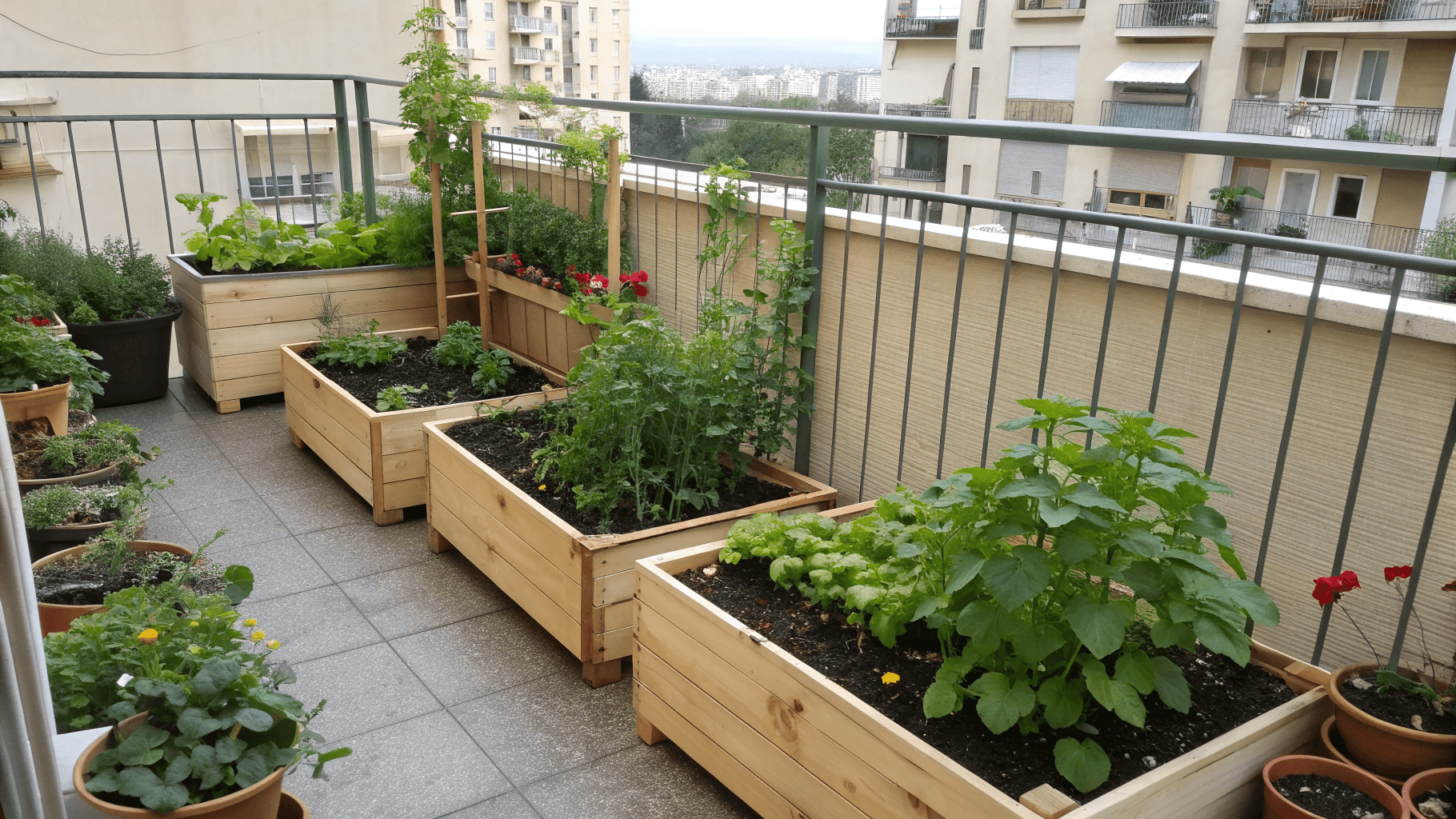
They’re ideal for:
- Balconies
- Apartment patios
- Micro-courtyards
- Narrow side yards
In my experience, mini beds are easiest to manage when you’re still learning how your light changes throughout the season, because they’re simple to move and adjust.
They shine because they allow you to grow herbs, greens, and even compact fruiting plants without overwhelming the space. Mini beds stay lightweight and easy to rearrange, making them great for beginners still figuring out the perfect layout.
Elevated Raised Beds
An elevated bed, sometimes called a “stand-up planter”, rests on legs.
Elevated beds sit off the ground, they let air circulate and keep surfaces open for foot traffic. They also deter pests, warm up quickly in spring, and help gardeners who need ergonomic solutions.
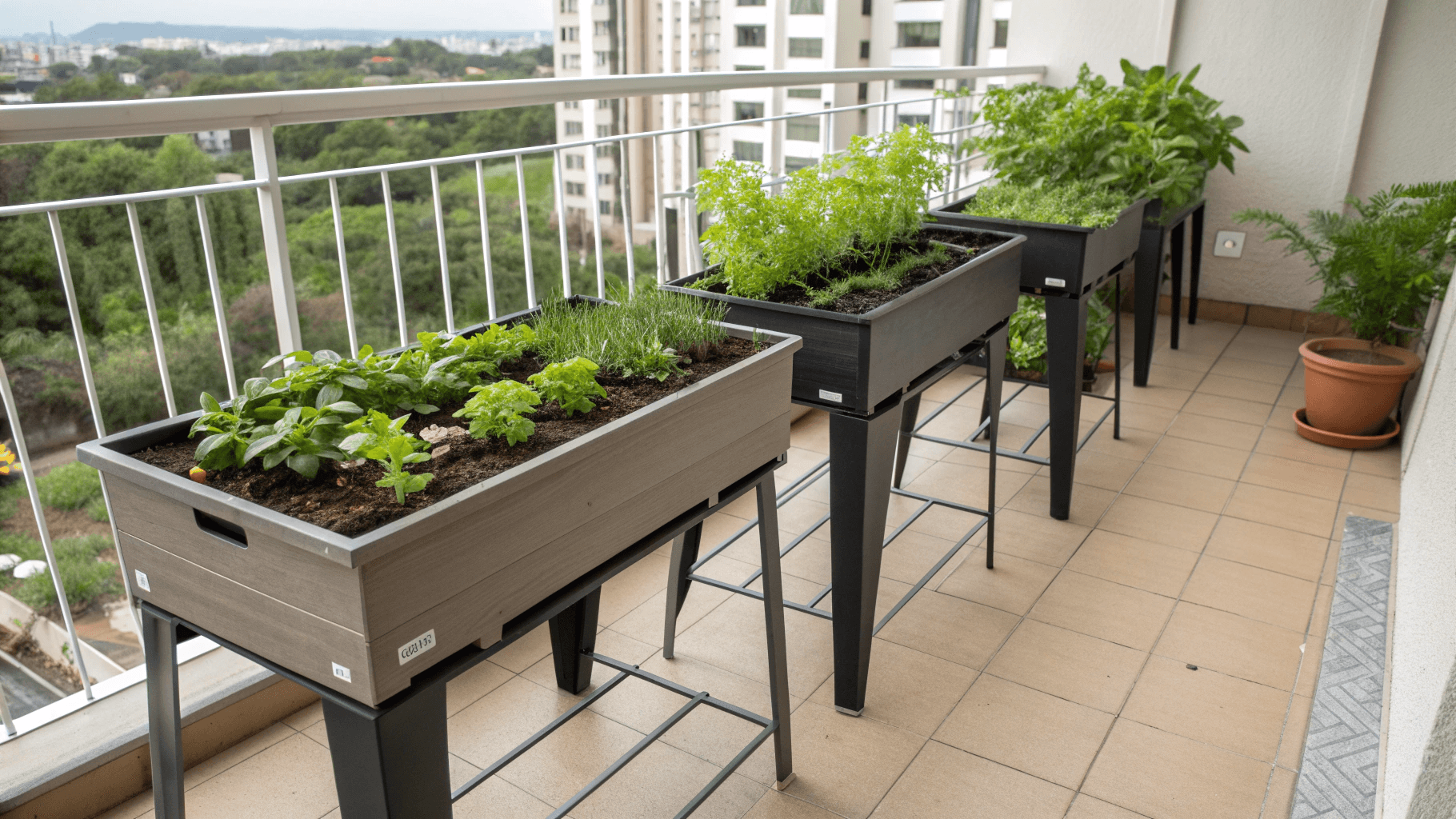
These are perfect when:
- You have a balcony with weight concerns
- Bending down is difficult
- Floor space is extremely limited
- You want gardening and outdoor seating to coexist
I’ve found elevated beds especially useful on balconies where bending space is limited and drainage matters more than depth.
Rolling Raised Beds
If flexibility is your superpower, rolling beds (raised beds with wheels or casters) are game changers.
Rolling beds became my go-to solution in spaces where sunlight shifts dramatically due to surrounding buildings. The ability to reposition your garden can yield much stronger growth.
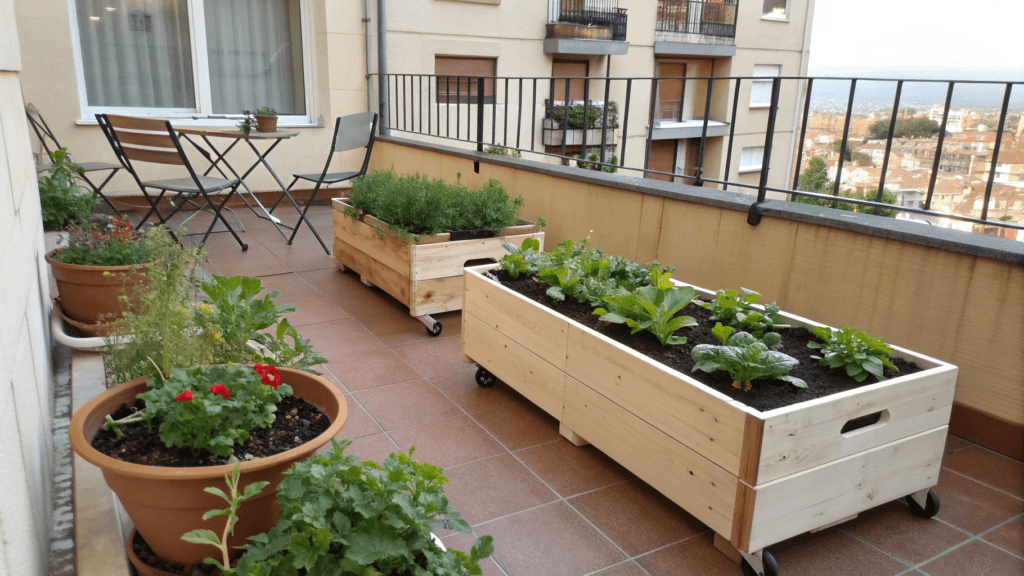
They let you:
- Follow the sun throughout the day
- Protect plants from storms by rolling beds inward
- Reconfigure layout seasonally
- Maximize balcony or patio multi-use spaces
Where to Place a Raised Bed in a Small Space
In a small space, placement isn’t a nice-to-have; it’s the whole game.
Sun Mapping
Before choosing a location, spend one full day observing your space:
- What areas get morning sun? (gentle and ideal for greens)
- Where does the afternoon sun hit? (strong, ideal for fruiting crops)
- Are there shade windows created by trees or buildings?
My lazy method: snap a photo every 2-3 hours for one day. You’ll spot the ‘sun window’ fast. I still do this at the start of every season, even in the same space, sun angles change more than people expect.
Using Reflective Walls
Light-colored siding, stucco, metal railings, and even windows can bounce sunlight back onto plants. If your balcony or patio has reflective walls:
- Place shade-tolerant crops slightly away from reflections
- Put sun-loving crops like tomatoes or peppers near the brightest areas
- Avoid placing delicate greens directly against hot reflective surfaces
Reflective walls don’t just increase light, they can intensify heat, so be strategic.
Heat Pockets
Small spaces often develop heat pockets: warm, sheltered areas created by walls, railings, and enclosed corners. These can be a blessing or a curse depending on what you grow.
Use heat pockets for:
- Basil
- Peppers
- Eggplant
- Dwarf tomatoes
Avoid heat pockets for:
- Lettuce
- Spinach
- Cilantro
- Parsley
Understanding microclimates is one of the biggest advantages small spaces offer. You can tweak plant placement with precision to maximize productivity.
Wind Tunnels (Balconies are Sneaky)
- Wind dries soil fast and snaps seedlings.
- If your balcony is breezy, set the bed against a wall but leave 2-4 inches for airflow.
- Use a trellis as a windbreak, or a simple mesh screen.
- Stake anything tall early (tomatoes learn to lean fast).
Best Crops for Small Raised Beds
Not every crop loves a cramped home, but plenty of them thrive in compact spaces or can be chosen in dwarf or bush varieties.
Herbs
The small gardener’s best friend. Herbs require little root space and grow well in both slender beds and elevated planters.
Top picks:
- Basil
- Thyme
- Oregano
- Parsley
- Cilantro
- Mint* (keep in a separate container, spreads fast)
- Chives
- Rosemary (choose upright varieties)
Most herbs enjoy warm, bright spots but won’t complain if they get partial shade.
Greens
Fast-growing and highly productive per square foot, greens are perfect for mini raised beds.
Try growing:
- Lettuce (loose-leaf varieties)
- Arugula
- Spinach
- Swiss chard
- Kale (dwarf varieties)
- Mustard greens
Greens appreciate consistent moisture and mild temperatures, making them great for north-facing balconies or slightly shaded patios.
Compact Fruits and Veggies
Look for dwarf, bush, or patio-specific cultivars. Early on, I tried growing full-size vining varieties in small beds and learned quickly that compact cultivars outperform them every time in tight spaces.
Good candidates:
- Bush tomatoes (like ‘Patio’, ‘Totem’, or ‘Tiny Tim’)
- Dwarf peppers (sweet or hot)
- Compact cucumbers (‘Bush Pickle’ or ‘Spacemaster’)
- Strawberries (excellent for elevated beds)
- Mini eggplants
- Bush beans
Most of these crops will grow happily in beds as small as 2×2 feet when provided vertical support.
Depth Cheat Sheet
- 6-8 inches: lettuce, arugula, spinach, most herbs
- 8-12 inches: bush beans, strawberries, compact peppers
- 12+ inches: patio tomatoes, cucumbers (trellised), eggplant
Common Mistakes With Raised Beds in Small Spaces
- Overfilling beds with heavy soil: Use a lightweight mix and keep compost moderate.
- Choosing full-size varieties: Look for patio/bush/dwarf on the seed packet.
- Ignoring airflow near walls: Leave a small gap and avoid packing plants too tight.
- Underestimating heat buildup: Mulch + morning watering + shade cloth during heatwaves.
- Not planning drainage paths: Use trays and water in two passes.
Vertical Growing Options
When floor space is tight, you earn your harvest by going vertical. Vertical add-ons can double or triple productive space.
Trellises
Attach trellises to the back of a raised bed or railing to grow:
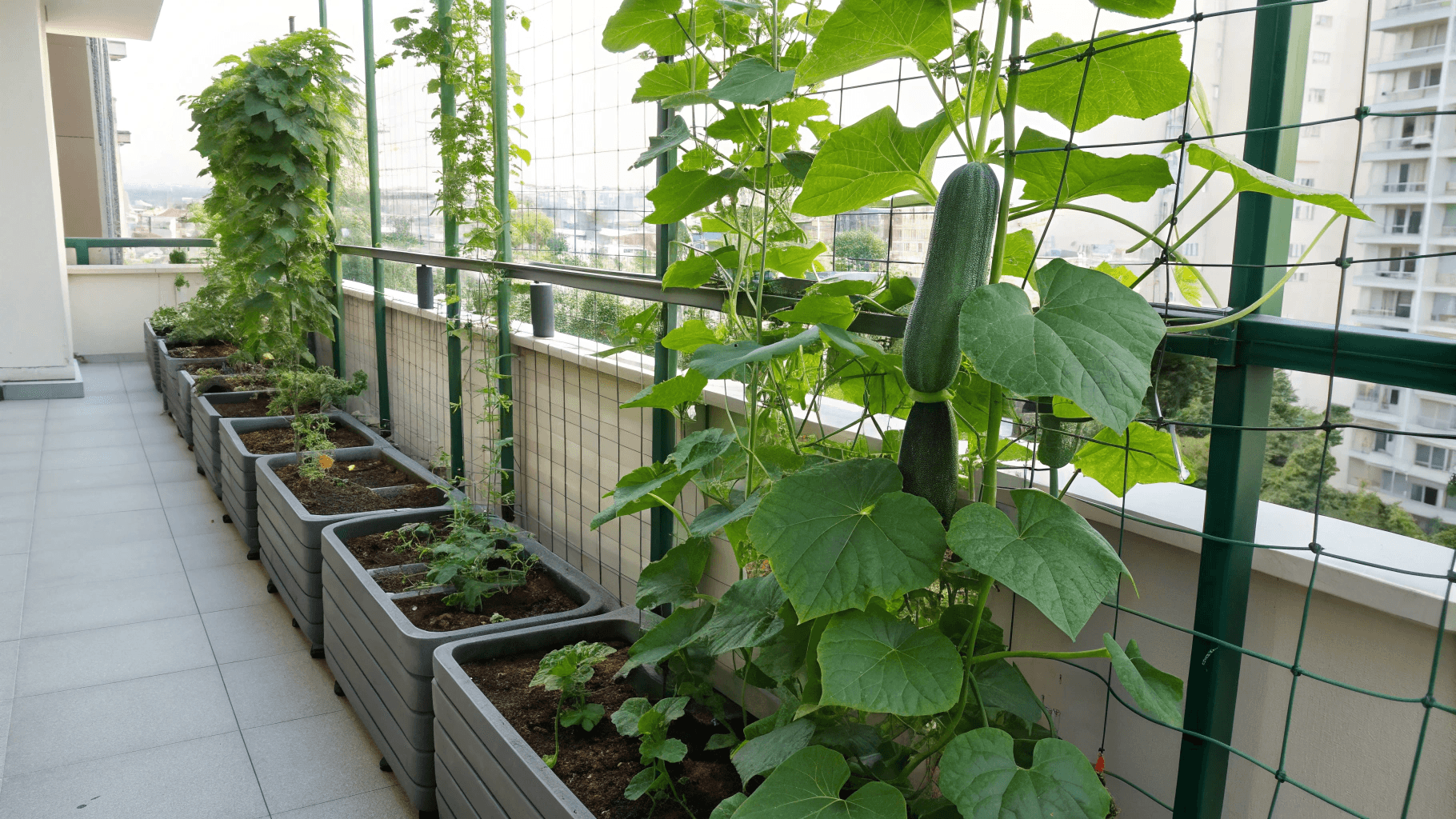
- Cucumbers
- Pole beans
- Snap peas
- Small vining tomatoes
Wire grids, bamboo panels, and wooden frames all work well.
Vertical Frames
These free-standing structures help support climbing crops without relying on balcony walls or landlord permission.
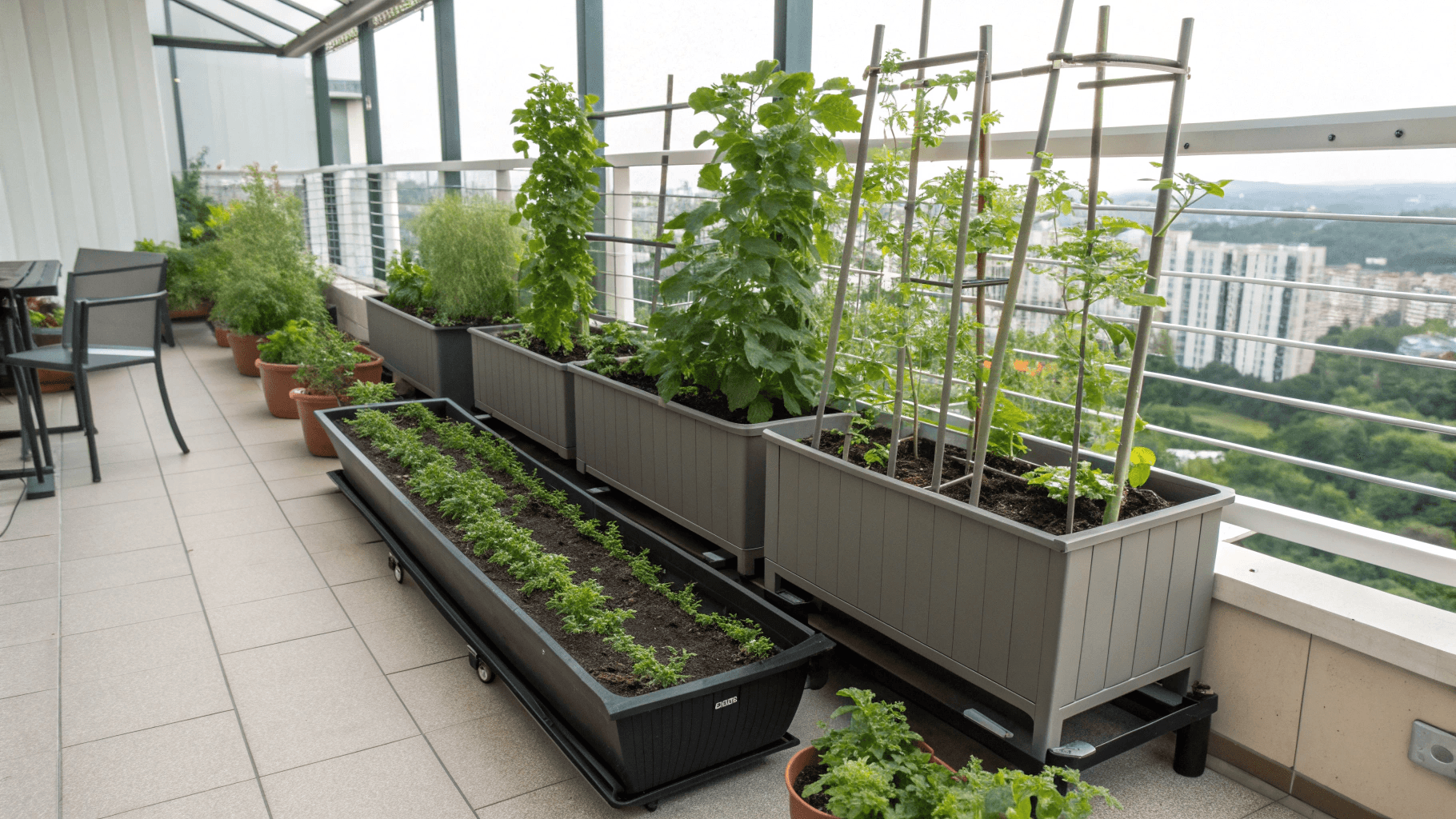
You can use:
- A-frame trellises
- Ladder-style supports
- Foldable garden frames
They’re ideal for gardeners who want maximum growing area but minimal installation.
Tiered Planters
Tiered beds and cascading planters make use of vertical layers.
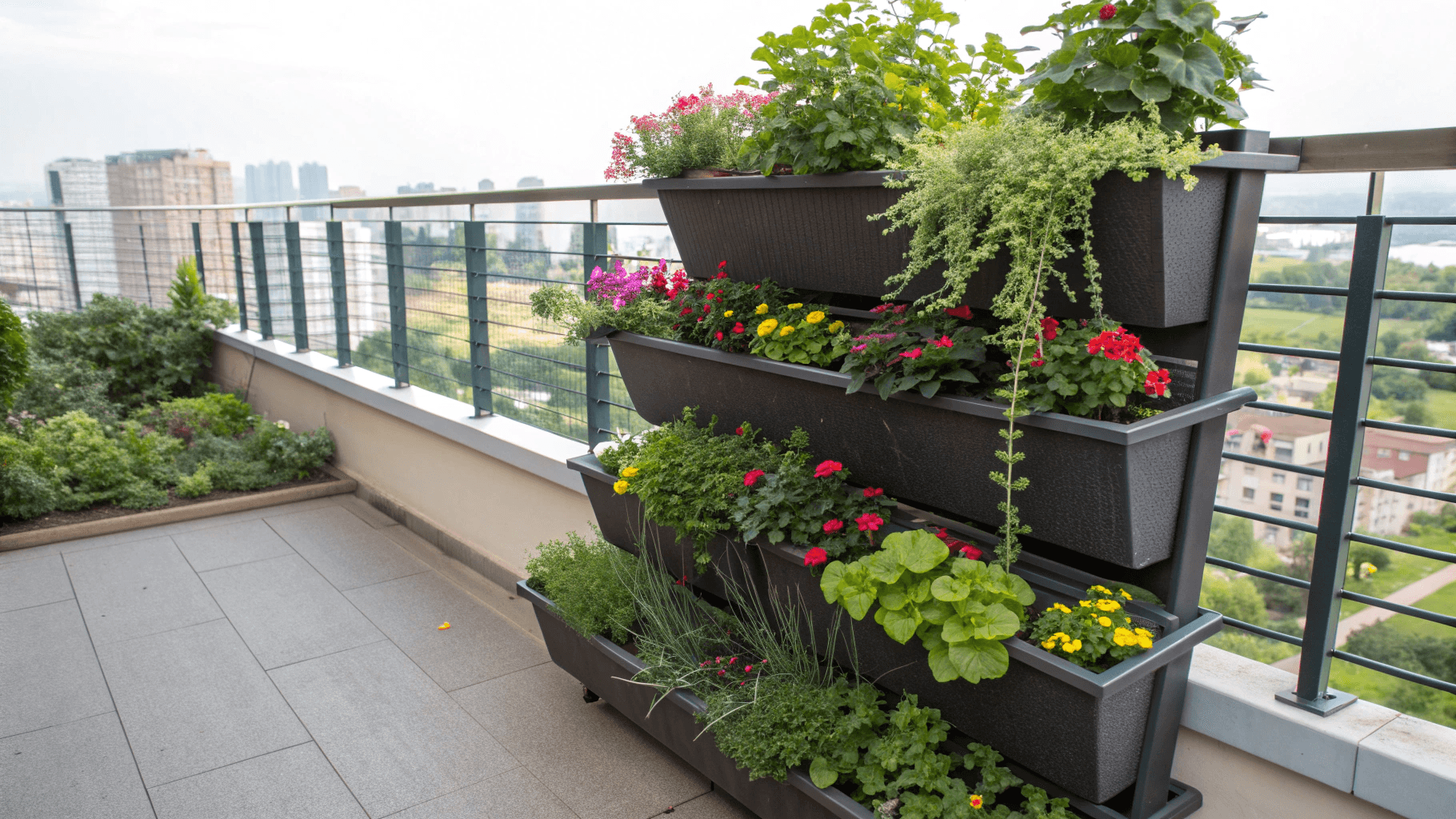
Great for:
- Herbs
- Strawberries
- Flowers that attract pollinators
- Greens
They create a lush, full garden look while using only one corner of a balcony.
Balcony Load and Safety
Before placing a raised bed on a balcony, think safety first. Soil and water add weight quickly.
Related: How to Water Raised Beds the Right Way
Weight Considerations
A general rule: most balconies can support roughly 50-60 pounds per square foot, but this varies depending on:
- Building age
- Construction materials
- Local building codes
If unsure, always choose lightweight planters and confirm capacity with a building manager or structural professional.
How to Lighten Soil Mixes
A lighter soil mix keeps your balcony safe and your plants happy.
Swap heavy ingredients for lighter options:
- Replace topsoil with high-quality potting mix
- Add coconut coir to improve drainage without weight
- Mix in perlite or pumice for aeration
- Use compost in moderation (it’s heavier than you think)
Avoid using garden soil in raised beds on balconies; it’s too dense and adds unnecessary weight.
Related: Best Soil Mix for Raised Beds
Drainage Setup That Won’t Annoy Neighbours
- Always use a drip tray or thin catch pan under elevated beds.
- If runoff is an issue, use a capillary mat or self-watering insert.
- Water slowly in two passes (first pass wets, second pass actually soaks).
Conclusion
Raised beds make balcony and patio gardening not just possible, but productive, beautiful, and surprisingly abundant. Whether you’re working with two square feet or twenty, choosing the right style of bed, understanding sunlight patterns, and selecting compact crops will help you create a thriving micro-garden.
Once you learn how your space behaves, where heat builds, how light shifts, and how much weight it can handle, raised beds become one of the most flexible and reliable ways to grow food without a traditional yard.

Leave a Reply