
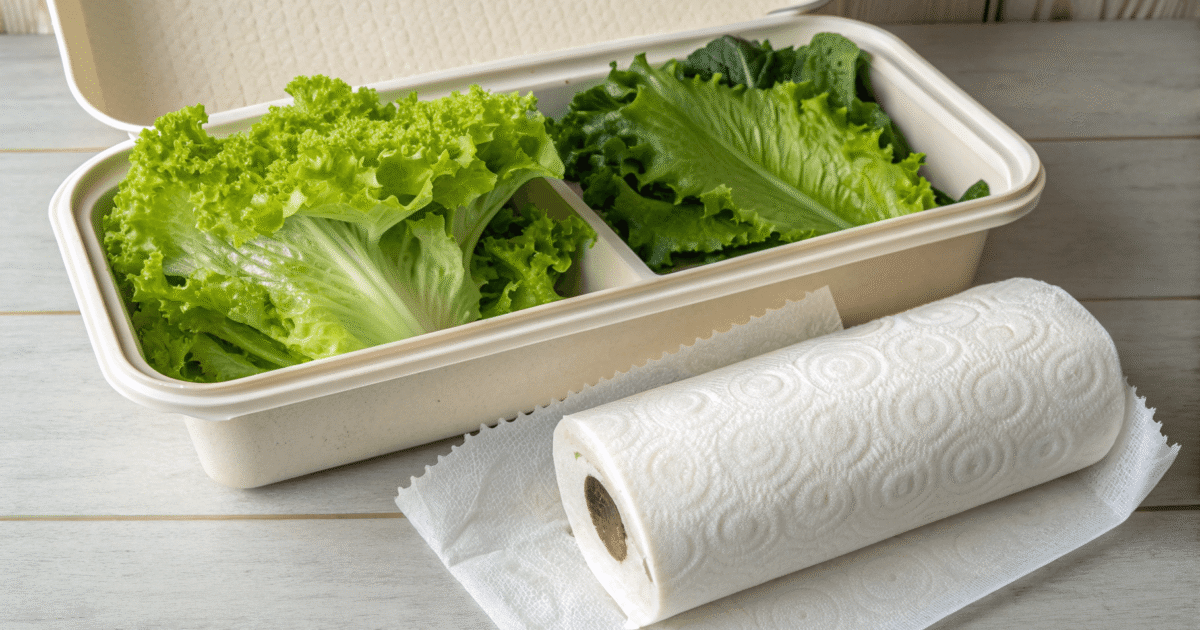
How to preserve lettuce from the garden is something many home gardeners wonder about once harvest season begins.
Fresh lettuce straight from the garden tastes better than anything from the store, but it doesn’t stay fresh for long if it’s not handled properly. Lettuce has a high water content and delicate leaves, which means it can wilt, rot, or turn slimy quickly if stored the wrong way.
The good news is that preserving garden lettuce doesn’t require special equipment or complicated techniques. With the right steps after harvest and a few simple storage methods, you can keep lettuce crisp and usable for days, sometimes even over a week.
Why Lettuce Spoils Quickly
Lettuce spoils faster than most vegetables because:
- The leaves contain a lot of moisture
- Bruising happens easily during harvest and washing
- Excess water trapped during storage causes rot
- Warm temperatures speed up decay
Preserving lettuce is less about “long-term preservation” and more about controlling moisture, airflow, and temperature.
Step 1: Harvest Lettuce the Right Way
Freshness starts in the garden. If you’re growing lettuce yourself, proper harvesting matters just as much as proper storage.
Follow these steps:
- Harvest lettuce early in the morning, when leaves are cool and fully hydrated
- Use clean, sharp scissors or a knife to avoid crushing stems
- Remove damaged, yellow, or insect-damaged leaves immediately
- Harvest during dry conditions to reduce the risk of disease
If you’re harvesting leaf lettuce, cut only the outer leaves and leave the center growing. This reduces stress on the plant and gives you better-quality leaves.
Step 2: Rinse and Clean Gently
After harvesting:
- Rinse lettuce in cold water to remove soil and debris
- Separate leaves so dirt doesn’t get trapped
- Avoid soaking for long periods, quick rinsing is enough
Cold water helps refresh slightly wilted leaves, but rough handling will shorten shelf life.
Step 3: Dry Thoroughly (This Is Critical)
Excess moisture is the #1 reason lettuce spoils early.
- Shake off water gently
- Pat leaves dry with a clean kitchen towel
- Or use a salad spinner if you have one
Lettuce should be dry to the touch, not damp, before storing.
Step 4: Choose a Storage Method That Works
Method 1: Paper Towel + Loose Container (Best Overall)
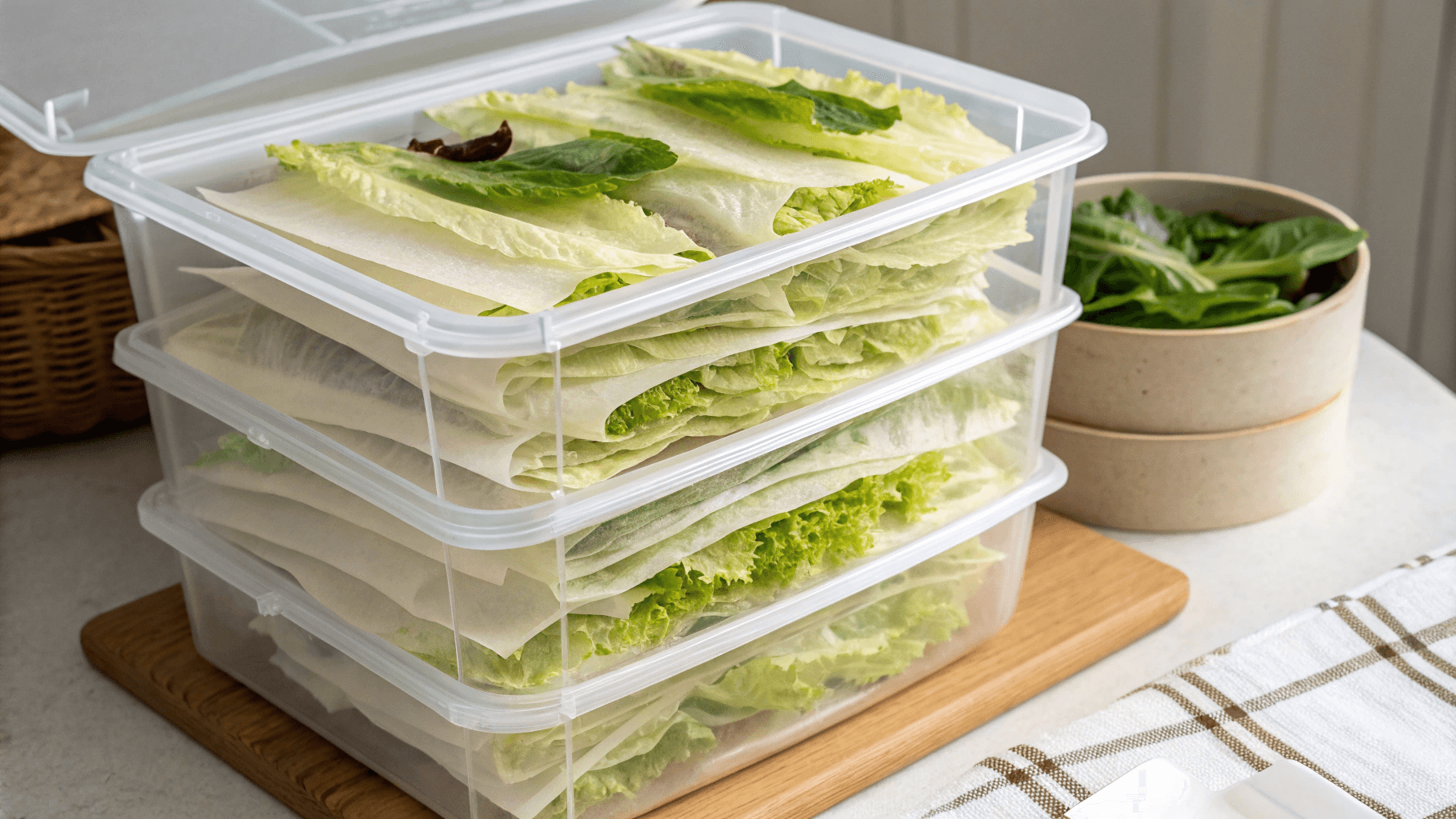
This is the most reliable method for most home gardeners.
- Line a container or large bag with a paper towel
- Place dry lettuce inside
- Add another paper towel on top
- Close loosely (do not seal airtight)
The paper towel absorbs excess moisture while allowing airflow.
Method 2: Produce Drawer Storage (Minimal Setup)
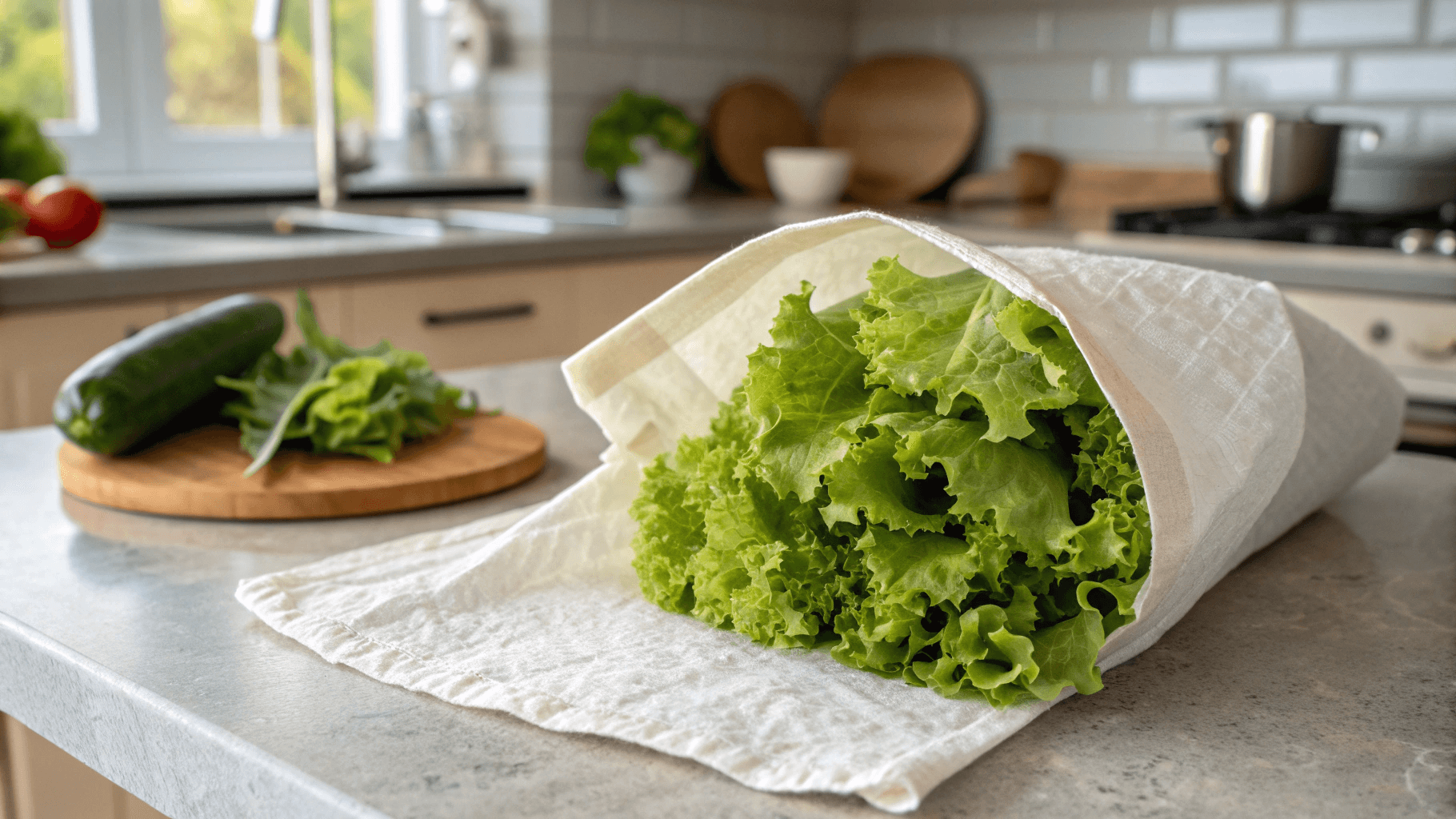
If you prefer simplicity:
- Wrap lettuce loosely in a dry paper towel
- Place it in the refrigerator’s crisper drawer
- Keep it away from fruits like apples (they release ethylene gas)
This works well for short-term storage.
Method 3: Reviving Slightly Wilted Lettuce
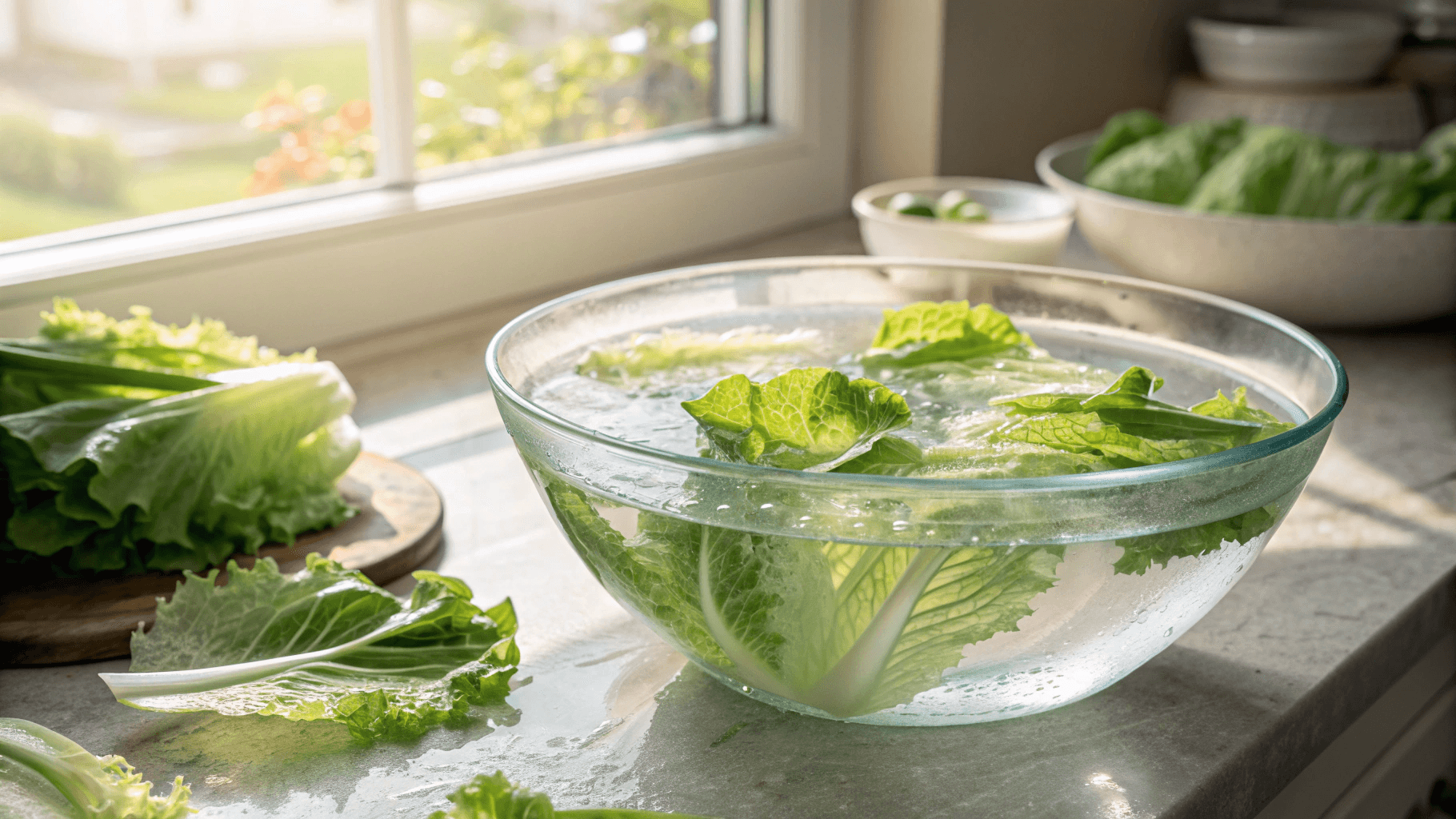
If lettuce has started to wilt but isn’t slimy:
- Submerge leaves in cold water for 10-15 minutes
- Dry thoroughly again
- Store using Method 1
This won’t fix spoiled lettuce, but it can restore crispness to mildly wilted leaves.
Where to Store Lettuce in the Refrigerator
- Ideal temperature: 34-40°F (1-4°C)
- Best location: Crisper drawer with low humidity
- Avoid airtight containers unless moisture is fully controlled
Most garden lettuce keeps best when it can “breathe” slightly.
How Long Does Garden Lettuce Usually Last
Freshness depends on how dry the leaves are and how gently they were handled.
- Leaf lettuce: 4-7 days
- Romaine: up to 10 days
- Butterhead: 3-5 days
Proper storage also helps prevent flavor changes like bitterness.
Common Mistakes That Shorten Lettuce Storage Life
- Storing lettuce while wet
- Sealing lettuce in airtight bags
- Leaving damaged leaves mixed with healthy ones
- Storing near ethylene-producing fruits
- Washing lettuce long before storage without drying
Avoiding these mistakes often doubles storage time.
Conclusion
Every garden is a little different, so don’t be afraid to try a few preservation methods and see what works best for your space and harvest size.
In my experience, simple steps like drying leaves thoroughly and storing them properly make the biggest difference. Fancy methods aren’t necessary; moisture control is what really matters.
If lettuce feels slimy or smells off, it’s best to discard it rather than try to save it.

Leave a Reply