
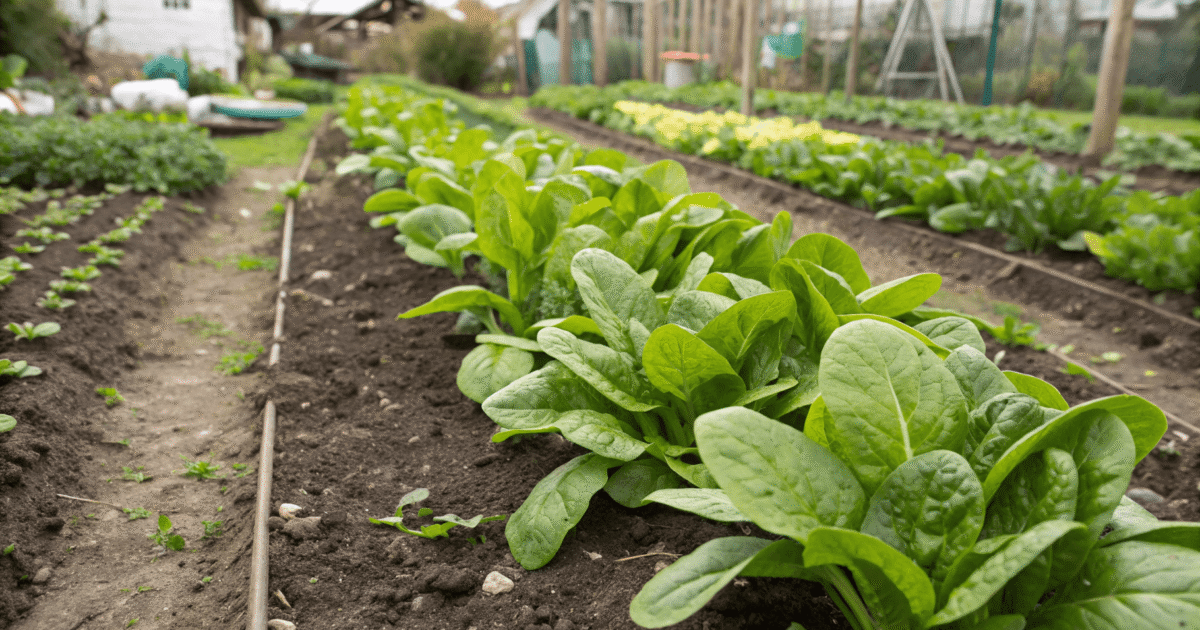
Spinach is one of the easiest leafy vegetables to grow, if you give it the right conditions. It grows fast, doesn’t need much space, and rewards you with fresh, tender, nutrient-packed leaves in just a few weeks.
Spinach is a fast-growing plant because it allocates its energy primarily to its leaves, rather than to its stems or fruit. It also thrives in cool weather, which means fewer pest problems and less maintenance compared to summer crops. Whether you have a backyard, balcony, or even a sunny windowsill, growing spinach at home is simple once you understand the basics.
This guide walks you through how to grow spinach step by step, from planting to harvesting, so you can grow healthy spinach with confidence, even if this is your very first garden.
Spinach Plant Profile
| Factor | Spinach Profile |
|---|---|
| Plant Type | Leafy green (annual) |
| Planting Time | Spring and fall |
| Sun Requirements | Partial to full sun (4-6 hours) |
| Soil Requirements | Loose, fertile, well-draining |
| Watering | Moderate, consistent moisture |
| Climate Tolerance | Frost-tolerant; low heat-tolerant |
| Time to Harvest | 30-45 days |
| Common Problems | Bolting, aphids, leaf miners, mildew |
| Companion Plants | Lettuce, radishes, peas, strawberries, onions |
Why Spinach Is a Great Vegetable to Grow
Spinach isn’t just easy; it’s one of the most rewarding vegetables you can grow. If you want a vegetable that delivers results quickly and boosts your confidence as a gardener, spinach is hard to beat.
- First, it’s nutrient-dense
Spinach is rich in iron, vitamins A, C, and K, and antioxidants. Harvesting it fresh means you get maximum nutrition without preservatives or long storage times.
- Second, it’s space-efficient
Spinach doesn’t require deep roots, which makes it ideal for containers, raised beds, and small gardens.
- Third, it’s fast-growing
Many leafy vegetables take months to mature, but spinach produces harvestable leaves in just a few weeks.
- Finally, spinach is versatile in the kitchen
You can eat it raw in salads, sauté it, blend it into smoothies, or toss it into soups and pasta.
If you’re completely new to growing food, start with my Vegetable Gardening for Beginners guide to learn the basics before planting.
Best Types of Spinach
Not all spinach looks or behaves the same. Choosing the right type can make growing easier, especially in different climates.
Most home gardeners only need one reliable spinach type to get started – the differences mostly affect texture and heat tolerance.
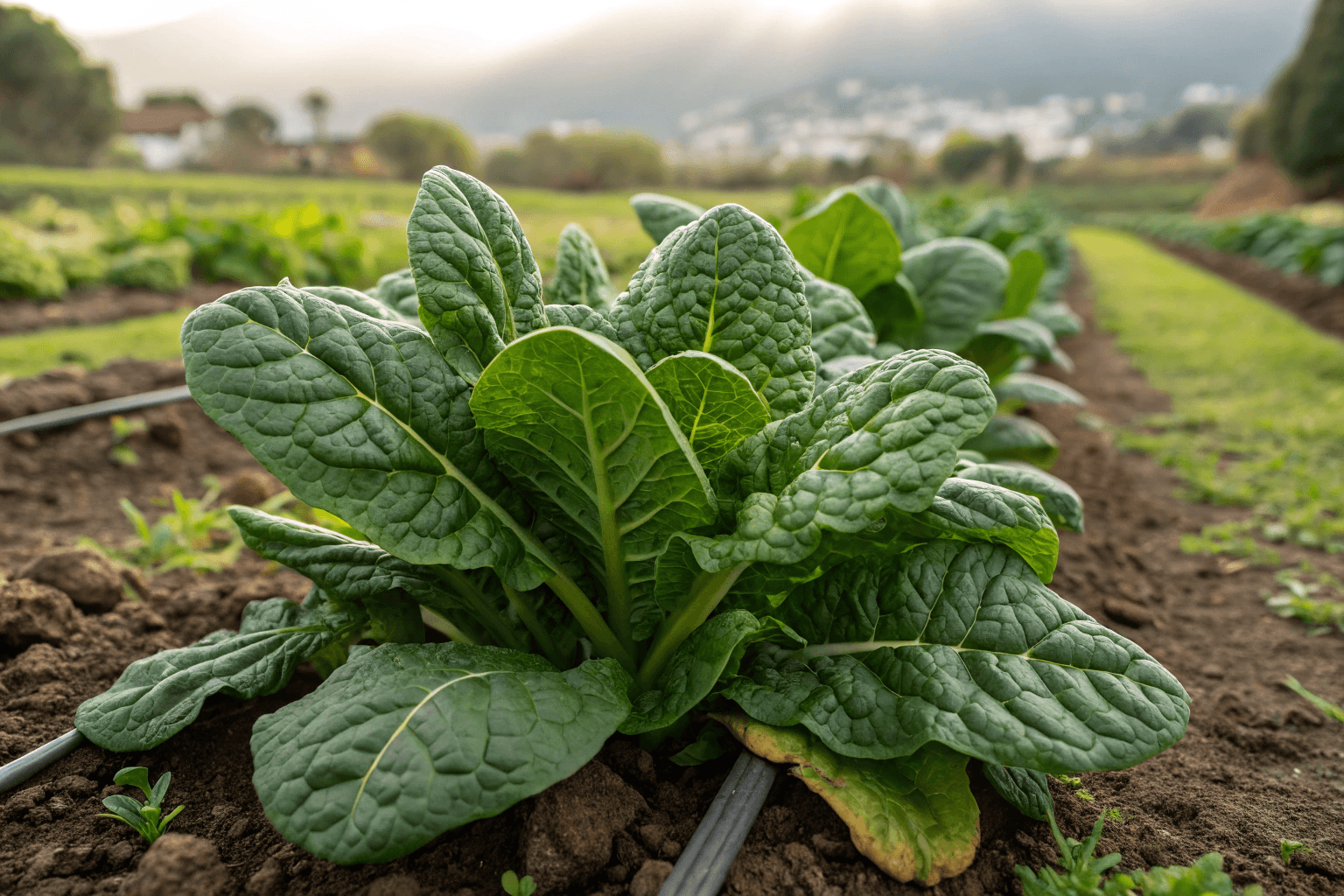
1. Savoy Spinach (Curly Leaf)
Savoy spinach has dark green, crinkled leaves and a slightly thicker texture. This type is ideal if you’re growing spinach in cooler climates or early in the season.
Best for:
- Cooler climates
- Fresh eating
- Traditional garden beds
Pros: Cold-tolerant, flavorful
Cons: Slightly harder to clean due to textured leaves
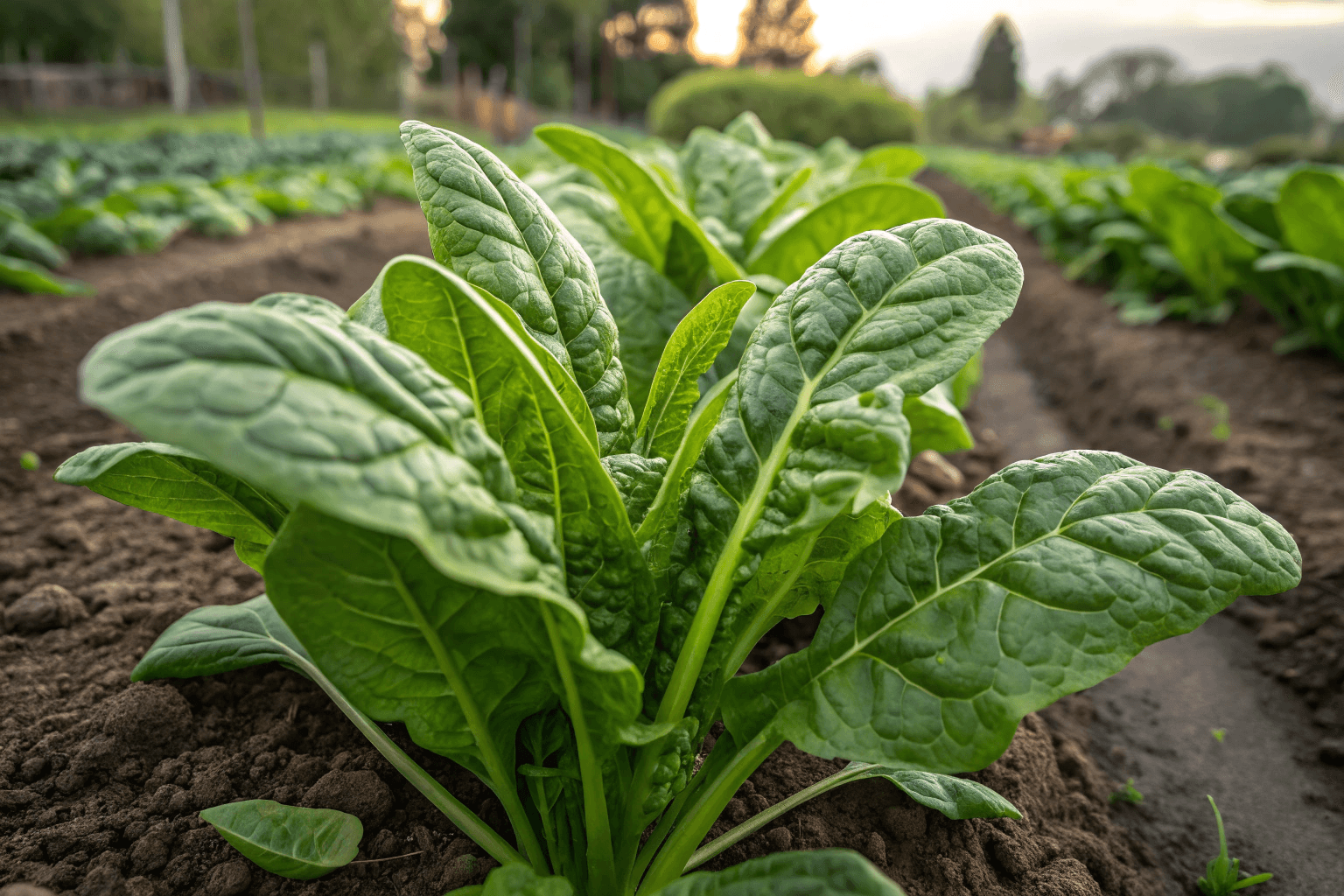
2. Semi-Savoy Spinach
This is a hybrid between savoy and flat-leaf spinach. It has lightly crinkled leaves that are more durable than flat-leaf types but still tender. This type is great if you want balance without overthinking the choice.
Best for:
- Beginner gardeners
- Home gardens
- Light cooking and salads
Pros: Easier to clean than savoy, more bolt-resistant and more durable than flat-leaf
Cons: Slightly less flavor than savoy
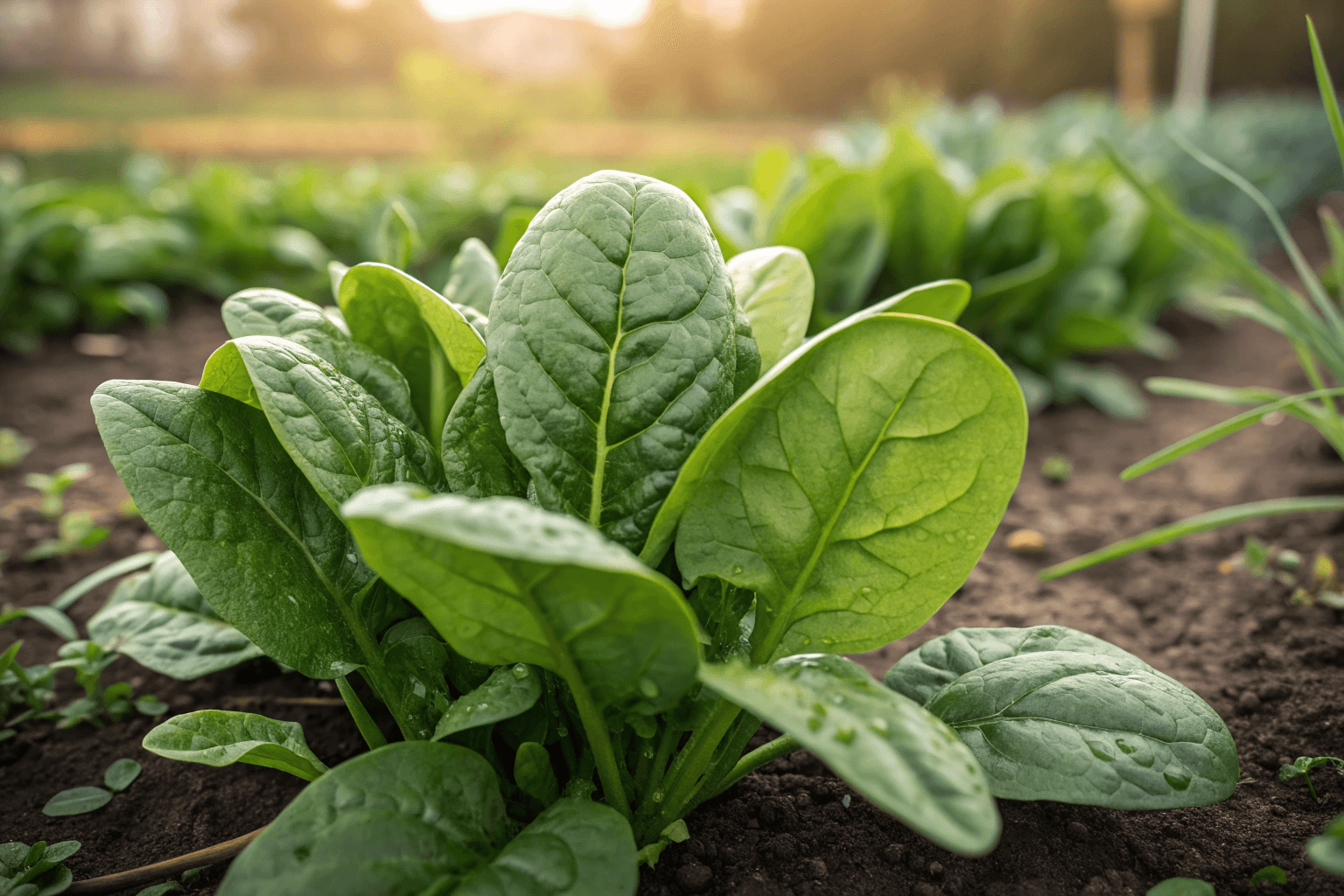
3. Flat-Leaf (Smooth-Leaf) Spinach
Flat-leaf spinach has smooth, wide, flat leaves that are easy to wash and prepare, often used commercially. It’s often used for fresh salads and cooking because the leaves are tender.
Best for:
- Containers
- Baby spinach harvest
- Freezing
Pros: Easy to wash, fast growing
Cons: Less cold-hardy
Tip: If you’re new to growing spinach, start with semi-savoy varieties. They’re forgiving and perform well in most conditions.
Best Climate to Grow Spinach
Spinach is a cool-season crop, which means it prefers mild temperatures rather than extreme heat.
- Ideal temperature range: 50-70°F (10-21°C)
- Spinach grows best in spring and fall
- It can tolerate light frost but struggles in hot summers
In warmer regions, spinach is often grown during late fall, winter, and early spring. In cooler climates, spring planting is most common, with a second crop planted in late summer for fall harvest.
Once temperatures rise above 75°F (24°C), spinach tends to “bolt,” meaning it flowers, turns bitter, and tough.
When to Plant Spinach
Timing matters more than almost anything else when growing spinach.
Spring Planting
- Plant spinach 2-4 weeks before the last frost
- Seeds germinate best in cool soil 45-70°F (7-21°C)
- Harvest usually begins in early spring
Fall Planting
- Plant spinach 6-8 weeks before the first expected frost
- Fall-grown spinach often tastes sweeter
- Cooler temperatures slow bolting
In mild climates, spinach can be grown throughout winter with minimal protection. If you’re unsure, planting in early spring is the safest choice for beginners.
Soil Requirements for Spinach
Spinach grows best in loose, fertile, well-draining soil. Compact or dry soil will slow growth and lead to bitter leaves.
Ideal Soil Conditions
- Soil type: Loamy, loose, and well-draining
- pH level: Slightly acidic to neutral pH (6.0-7.0)
- Nutrients: High in nitrogen
- Rich in organic matter
Before planting, mix in:
- Compost or aged manure
- A balanced organic fertilizer
- Worm castings (optional but excellent)
Why Organic Matter Matters
Because spinach is harvested for its leaves, poor soil shows up quickly as slow growth, pale color, or bitter taste.
Organic matter:
- Keeps soil evenly moist
- Improves drainage
- Supports steady leaf growth
Adding compost or well-rotted organic material helps improve both structure and nutrition.
Growing Spinach in Containers
Spinach grows well in containers if you choose the right size.
Container requirements:
- Minimum depth: 6-8 inches
- Good drainage holes
- Wide containers are better than deep ones (spinach has shallow roots that spread out rather than grow straight down)
Use a high-quality potting mix rather than garden soil and refresh the soil for each new planting cycle.
For a deeper breakdown of texture, pH, drainage, and compost ratios, see my full guide on the best soil for growing spinach.
How to Plant Spinach (Seeds vs Transplants)
Spinach is best grown by direct sowing seeds straight into the soil. It doesn’t like having its roots disturbed, which means transplanting seedlings often slows growth or causes stress.
Planting seeds directly where they’ll grow avoids these problems.
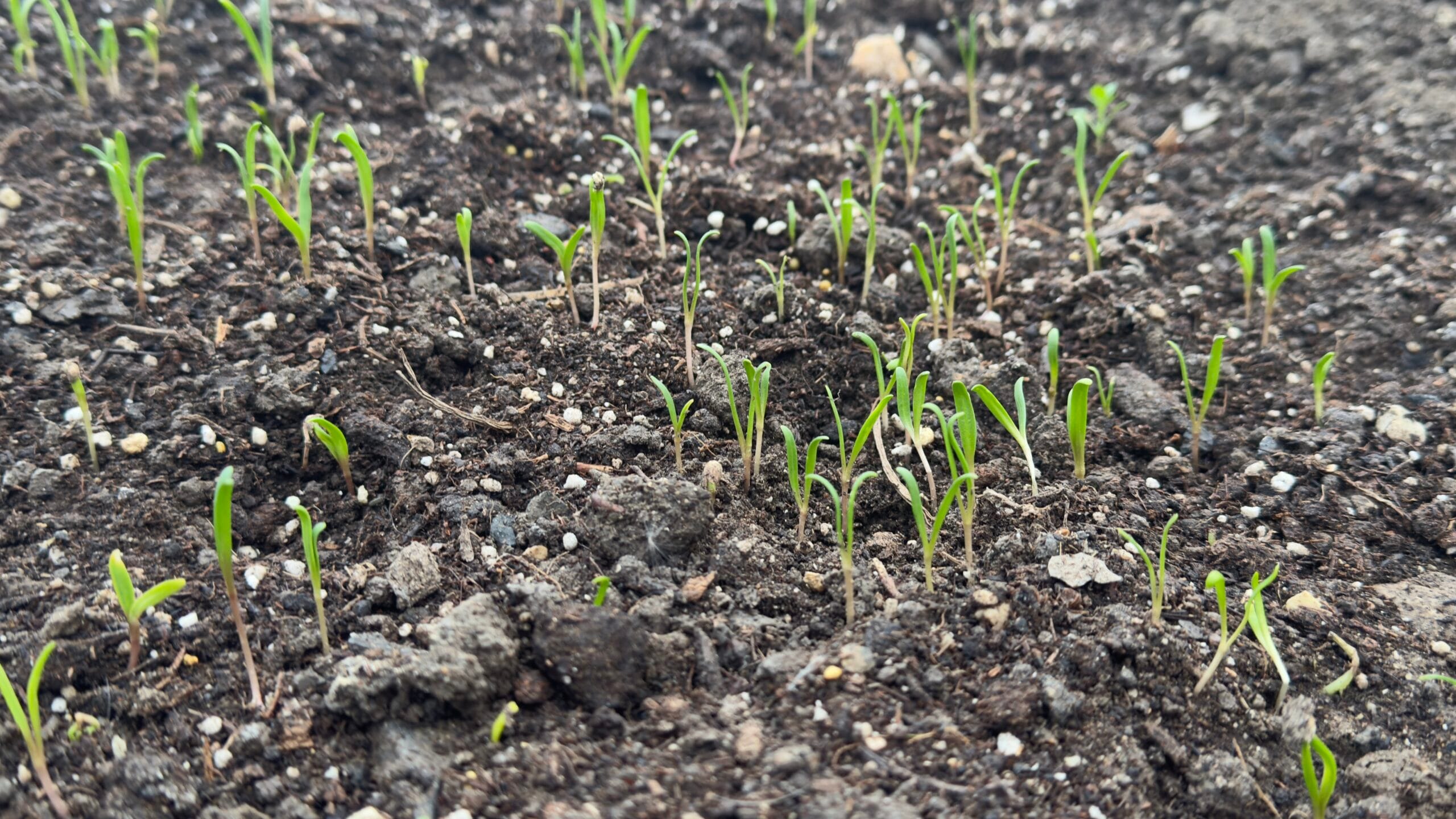
Planting Spinach From Seeds (Recommended)
- Sow seeds ½ inch deep and lightly cover them with soil
- Space seeds about 1-2 inches apart (you don’t need to be perfect; spinach seedlings are easy to thin later)
- Rows should be 8–12 inches apart
- Germination takes 5-14 days (depending on temperature)
Spinach seeds germinate best in cool soil. If temperatures are high, soak seeds in water for a few hours before planting to speed up germination. Keep the soil consistently moist during germination.
For detailed step-by-step instructions on germination timing, soil temperature, and seed-starting mistakes to avoid, see How to Grow Spinach From Seed.
Thinning Seedlings
Once seedlings are a few inches tall:
- Thin to about 3-4 inches apart
- Remove weaker seedlings
- Improve airflow, reduce disease risk, and give each plant enough room to form full leaves.
Thinning may feel wasteful, but it leads to healthier plants.
For a detailed step-by-step explanation of when and how to thin properly, read my full guide on how to thin spinach seedlings.
Using Transplants
Spinach doesn’t love being transplanted because its roots are delicate.
If you do use transplants, handle them gently and plant them while they’re still young at the same depth as the nursery pot. Water immediately after planting.
Best Planting Time
- Early spring or late summer for fall harvest
- Soil temperature between 45-65°F (7-18°C)
For beginners, direct sowing seeds is simpler and more reliable.
Watering and Fertilizing Spinach
Spinach needs consistent moisture to stay tender and mild, but soggy soil can cause root problems.
How Often to Water Spinach
- Water when the top inch of soil feels dry
- Containers may need daily watering
- Garden beds need deep, regular watering
- Keep soil consistently moist, not soggy
- Avoid letting soil dry out completely
- Increase watering during dry or warm weather
- Mulch to retain moisture and keep soil cool
Shallow, frequent watering can weaken roots. Deep watering encourages stronger growth.
Why Water Matters
Inconsistent watering causes:
- Bitter leaves
- Tough texture
- Early bolting
Because spinach has shallow roots, it dries out quickly, especially in containers. Use mulch (straw or shredded leaves) to help retain moisture and regulate soil temperature.
Signs of Water Problems
Consistent moisture keeps the leaves mild, tender, and sweet.
Underwatering
- Wilting leaves
- Tough texture
- Bitter taste
- Slow growth
Overwatering
- Yellowing leaves
- Weak growth
- Soggy soil
Fertilizing Spinach
Spinach benefits from light feeding:
- Use compost at planting time
- Apply a balanced liquid fertilizer once or twice during growth
- Avoid excessive nitrogen late in the season
Healthy soil usually provides everything spinach needs.
Spinach is a leafy crop, so it appreciates nitrogen-rich soil, but avoid overdoing fertilizers, which can cause excessive leaf growth with a weaker flavor.
If you want to maintain consistent soil moisture without daily hand watering, a solar drip irrigation system can make vegetable watering much more reliable, especially during hot or busy weeks.
Sunlight Requirements and Shade Tips for Spinach
Spinach grows best with partial to full sun. In early spring or fall, full sun helps plants grow quickly and produce strong leaves.
But when days get longer and hotter, growth slows and plants shift toward flowering instead of leaf production.
Ideal Sun Exposure
- Ideal: 4-6 hours of sunlight per day when temperatures are low
- Morning sun is best
- Full sun in cool weather
- Partial shade in warm climates
- Too much heat and sun can cause bolting
Why Afternoon Shade Helps
In warmer areas:
- Afternoon shade reduces heat stress
- Slows bolting
- Keeps leaves tender
Too much heat + strong sun = bolting and bitterness.
Shade Tips for Warm Areas
- Use shade cloth (30-40%)
- Plant near taller crops for natural shade
- Grow on the east side of buildings or fences
If you’re growing spinach in containers, you can easily move pots to provide shade during the hottest part of the day.
Short-Day Advantage
Spinach grows well in shorter days, making it perfect for:
- Early spring
- Fall planting
- Mild winter climates
This is one reason spinach often struggles in summer. But if you’re growing spinach in summer, placing it where it gets morning sun and afternoon shade can extend the harvest.
Preventing Bolting in Warm Weather
Bolting happens when spinach stops producing leaves and starts sending up a flower stalk. Once this happens, leaves become bitter and tough.
Heat and long daylight hours are the main triggers.
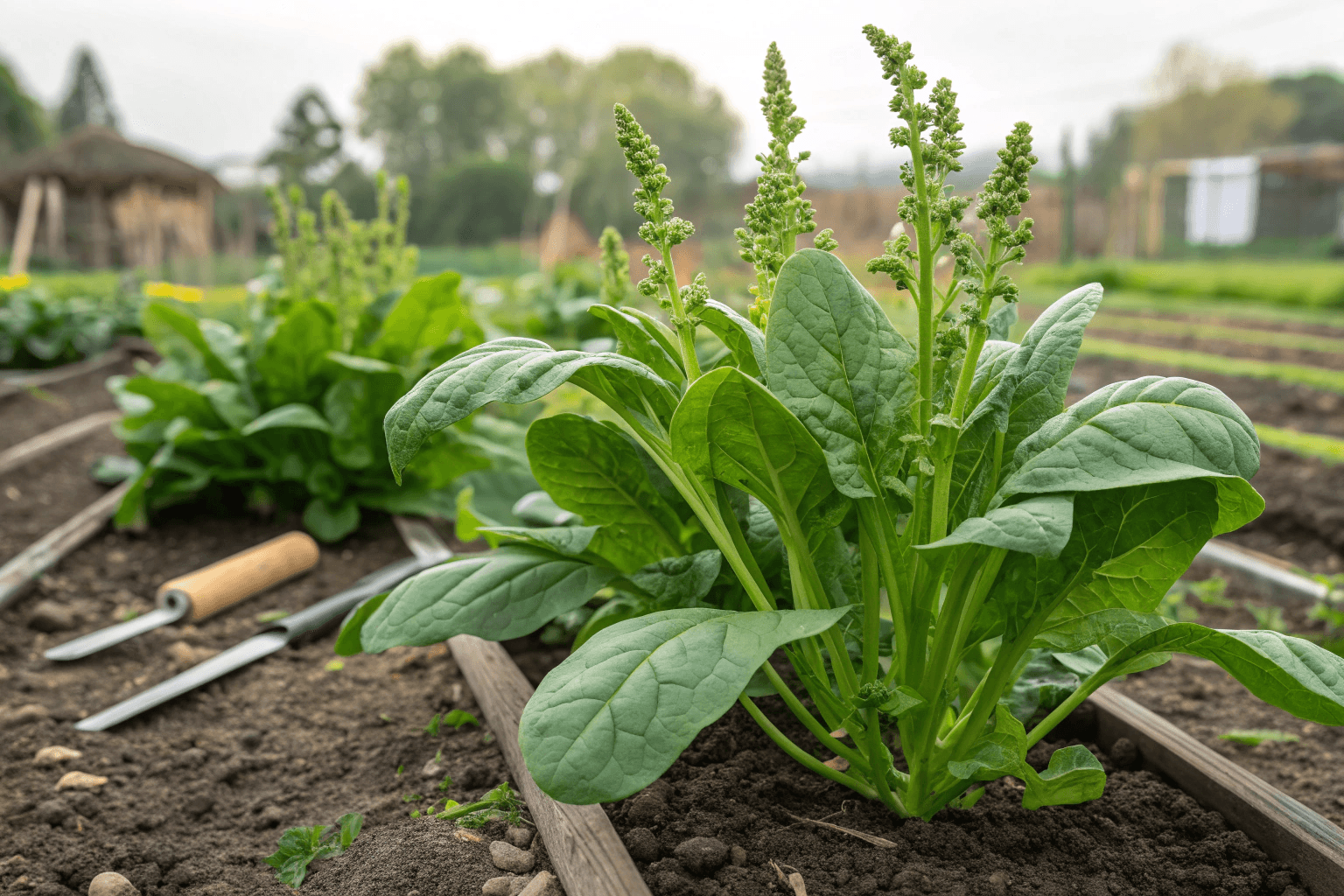
What Causes Spinach to Bolt
- Rising temperatures
- Long daylight hours
- Water stress
Spinach bolts faster because it’s more sensitive to rising temperatures.
How to Prevent Bolting
- Choose bolt-resistant varieties
- Keep soil consistently moist
- Plant spinach early in spring or late summer for fall harvests
- Choose cooler spots with afternoon shade
- Harvest leaves frequently to keep plants focused on leaf growth
Regular harvesting signals the plant to keep producing new leaves instead of flowers. Even small, frequent harvests can significantly delay bolting.
If temperatures regularly exceed 75°F (24°C), spinach will struggle. In hot regions, treat spinach as a cool-season crop only.
Common Spinach Pests and Diseases
Spinach is relatively low-maintenance, but a few issues can appear.
Common Pests
- Aphids – Small insects that suck sap from leaves
- Leaf miners – Larvae that create white trails in leaves
- Slugs and snails – Especially in damp conditions
Fix:
- Inspect leaves regularly
- Remove affected leaves early
- Rinse leaves with water
- Use neem oil if needed
- Remove affected leaves early
Common Diseases
- Downy mildew
- Powdery mildew
- Root rot (from overwatering)
Good airflow, proper spacing, and well-draining soil prevent most problems.
Slow or Uneven Germination
Spinach seeds prefer cool soil. Germination slows in warm temperatures.
Fix: Loosen soil and improve nutrition
Bitter Taste
Common reasons include:
- Heat stress
- Plants are growing too old before harvest
- Inconsistent watering
Fix: Improve watering and shade
Best Companion Plants for Spinach
Companion planting helps spinach grow better naturally.
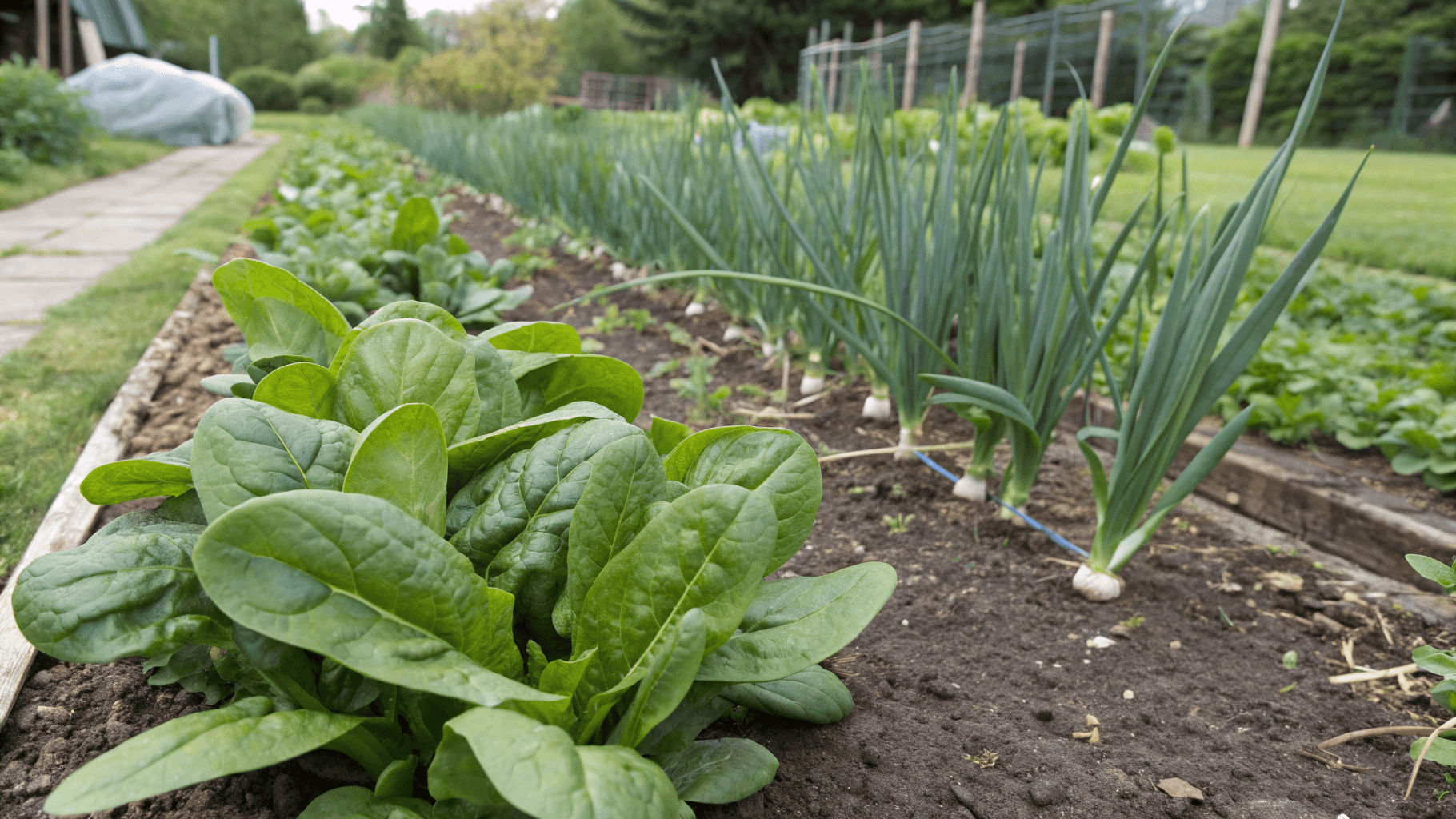
Good Companions
- Lettuce
- Radishes
- Strawberries
- Peas
- Onions
These plants don’t compete heavily for nutrients and can help shade the soil.
Plants to Avoid
- Potatoes
- Corn
- Fennel
Avoid planting spinach near heavy feeders that may crowd it out.
When and How to Harvest Spinach
Regular harvesting encourages regrowth and helps delay bolting, giving you more harvests from the same plants.
Spinach is ready to harvest once leaves are about 3-5 inches long. You don’t need to wait for full size to start enjoying it.
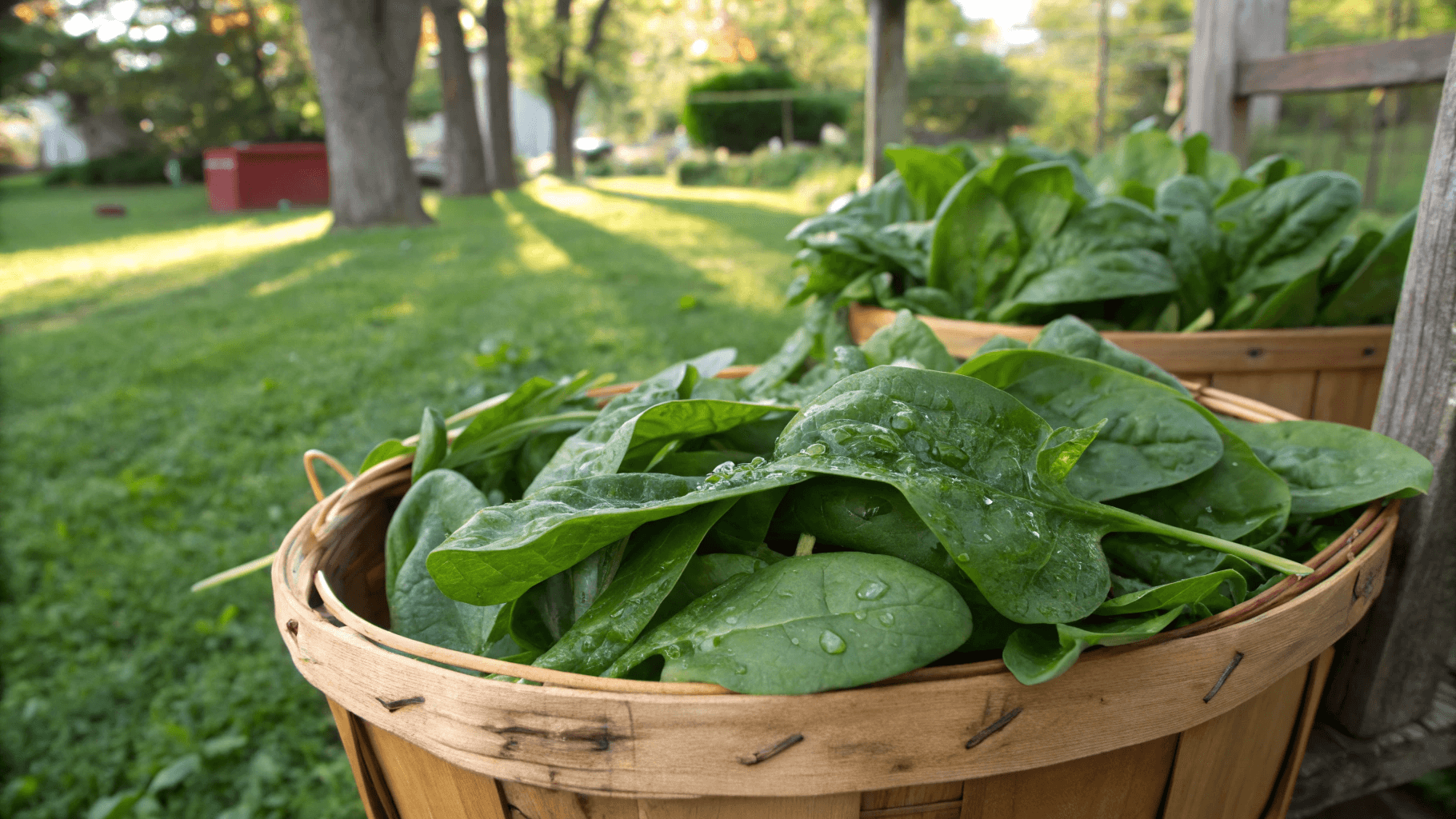
When Spinach Is Ready
- Baby leaves: 3-4 weeks after planting (when leaves are small and tender, 3-4 inches tall)
- Mature leaves: 6-8 weeks after planting (let plants grow longer but harvest before they become tough, 5-6 inches)
- Harvest before flowering begins
Baby vs Mature Leaves
- Baby leaves: tender, mild, perfect for salads
- Mature leaves: stronger flavor, better for cooking
How to Harvest
- Use clean scissors or garden shears
- Cut outer leaves first
- Leave the center growing point intact
- Harvest every 7-10 days
This “cut-and-come-again” method allows multiple harvests from the same plant. Avoid harvesting more than one-third of the plant at once.
Encouraging Regrowth
Regular harvesting:
- Promotes new leaves
- Extends harvest period
- Prevents overcrowding
Like kale, spinach thrives in cool weather and benefits from regular harvesting to stay tender.
How to Store Fresh Spinach
Fresh spinach is best used immediately, but proper storage extends its life.
Short-Term Storage
- Do not wash before storing
- Place in a breathable bag or container
- Store in the refrigerator crisper drawer
- Keeps fresh for 5-7 days
Long-Term Storage
- Wash and blanch leaves
- Freeze in airtight bags
- Use within 6-8 months
Frozen spinach works well in soups, smoothies, and cooked dishes.
How Long Does Spinach Take to Grow?
Spinach grows fast compared to many vegetables.
Average growth timeline:
- Germination: 5-14 days
- Baby leaf harvest: 20-30 days
- Full-size leaves: 35-45 days
Cool temperatures speed up growth and improve flavor. Hot weather slows growth and increases the risk of bolting, which shortens the harvest window.
Conclusion
Spinach is one of the best cool-season leafy vegetables you can grow. It’s fast, forgiving, especially for beginners. With the right timing, good soil, and regular watering, spinach rewards you with fresh, flavorful leaves that store-bought greens can’t match.
Start small, just a few seeds in a pot or garden bed and learn as you go. Once you see how simple it is, you’ll likely find yourself planning your next crop before the first one is even finished.
If you want a leafy green that grows quickly, feeds your body, and builds your gardening confidence, spinach is the perfect place to start.

Leave a Reply