
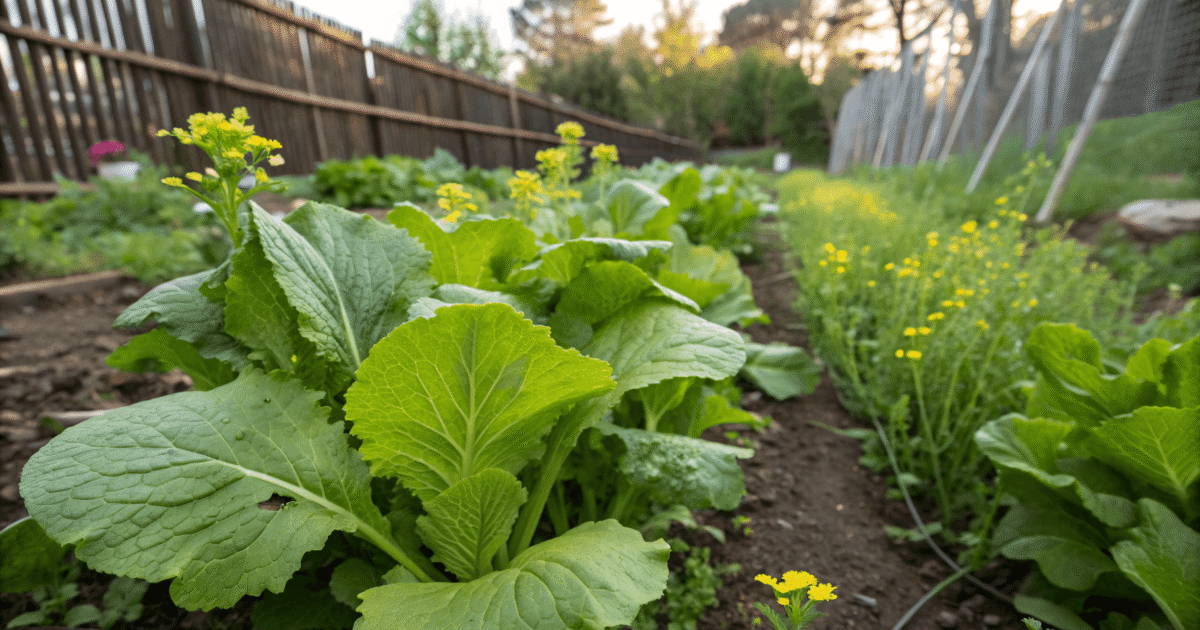
Mustard greens are one of the easiest leafy vegetables to grow at home.
They’re fast, productive, and full of peppery flavor, and in most gardens you can harvest tender leaves in as little as 30–45 days.
So, how to grow mustard greens easily, you’ll ask!
In most gardens, you can grow them by direct-sowing seeds in cool weather, giving them moist, fertile soil, and harvesting leaves in as little as 30-45 days (sometimes even sooner for baby greens).
If you want a crop that rewards you quickly, handles a bit of cold, and keeps producing when you harvest it the right way, mustard greens are hard to beat.
And once you learn a few key tricks like how to avoid bolting, how to water for tender leaves, and which varieties fit your taste, you’ll be able to grow baskets of spicy greens from a small space.
If you’re new to gardening, start with my Vegetable Gardening for Beginners guide to learn the basics before planting.
Why Mustard Greens Are Worth Growing
Mustard greens aren’t just tasty, they’re also a nutrient-dense leafy green with real benefits, and they’re easy to add to meals.
Key Benefits
- Rich in Vitamins and Minerals: Mustard greens are rich in vitamins A, C, and K, plus folate and minerals like calcium and potassium
- High in Antioxidants: Like many dark leafy greens, they contain plant compounds that support overall health
- Low in Calories, High in Fiber: Great for meals that feel filling without being heavy
Easy Ways to Eat Them
- Toss baby leaves into salads for a mild “bite”
- Sauté mature leaves with garlic and olive oil
- Add to soups, stir-fries, noodles, and omelets
- Mix with milder greens (spinach, lettuce) if you’re new to the spice
Mustard Greens Plant Profile
Best Types of Mustard Greens
Quick chooser:
- Want bold, classic heat? – Green Wave or Southern Giant Curled
- Want color + milder flavor? – Red Giant
- Want tender leaves for salads? – Mizuna
Different mustard green varieties can taste mild, hot, sweet, or deeply peppery. Some are also better for salads, others for cooking, and some handle heat or cold better.
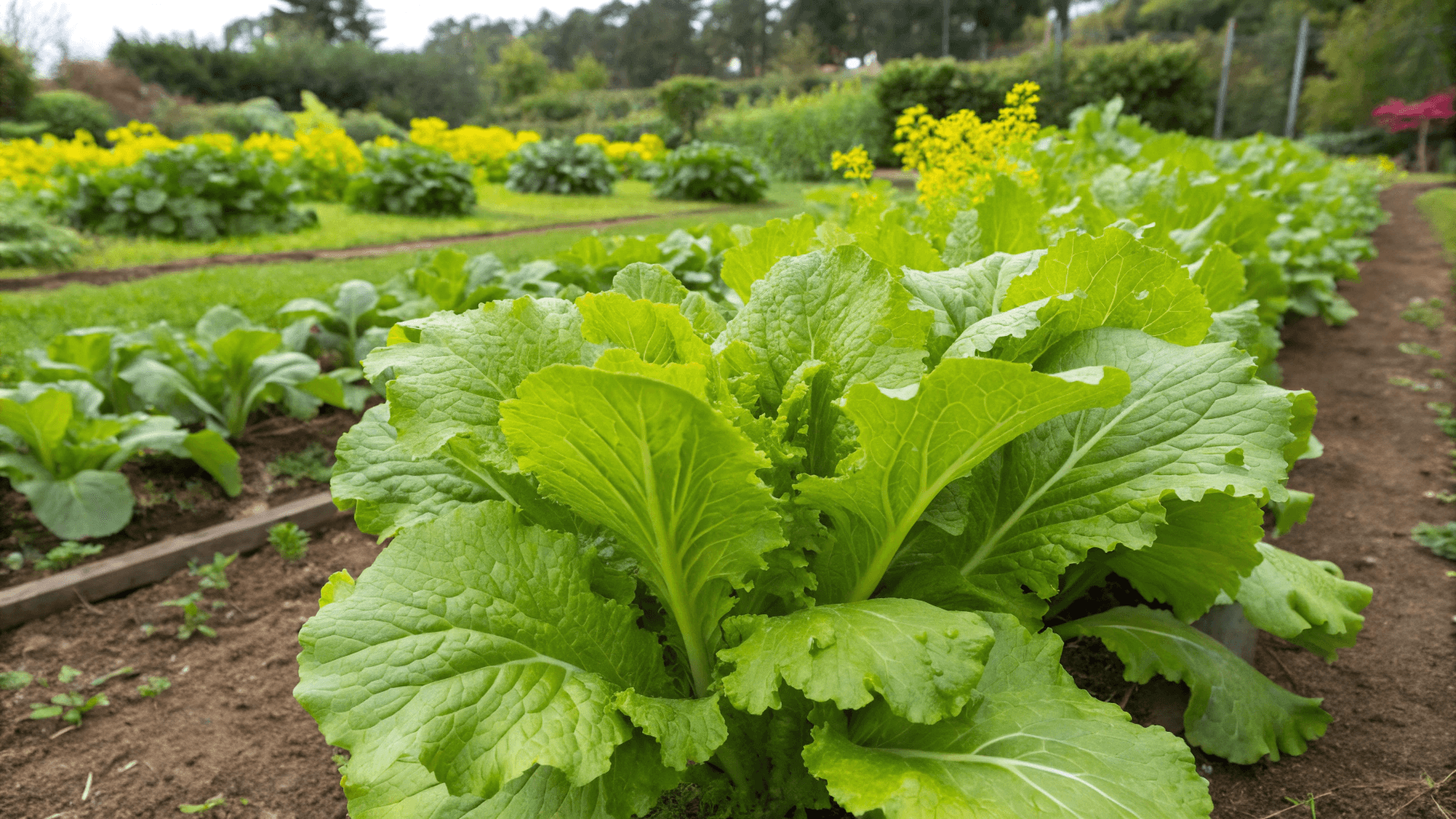
1. Green Wave
This is one of the most popular types. It produces large, frilly leaves with a strong mustard bite. It’s great for cooking, especially stir-fries and soups, because the leaves hold their texture well.
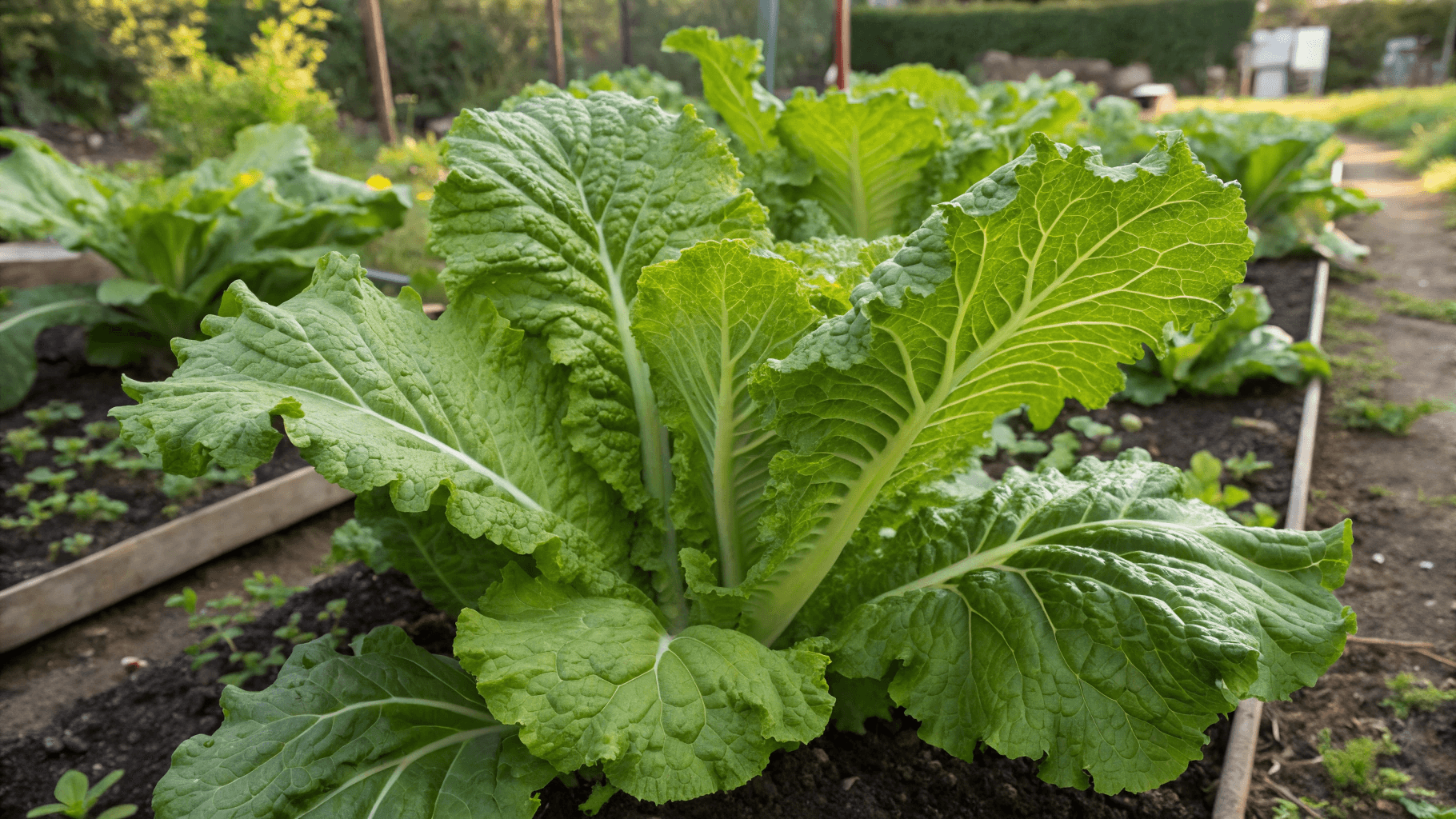
2. Southern Giant Curled
A classic variety with curly, bright-green leaves with bold and peppery flavor. It’s hardy, productive, and excellent for repeated harvests. Taste bold, traditional, and great sautéed.
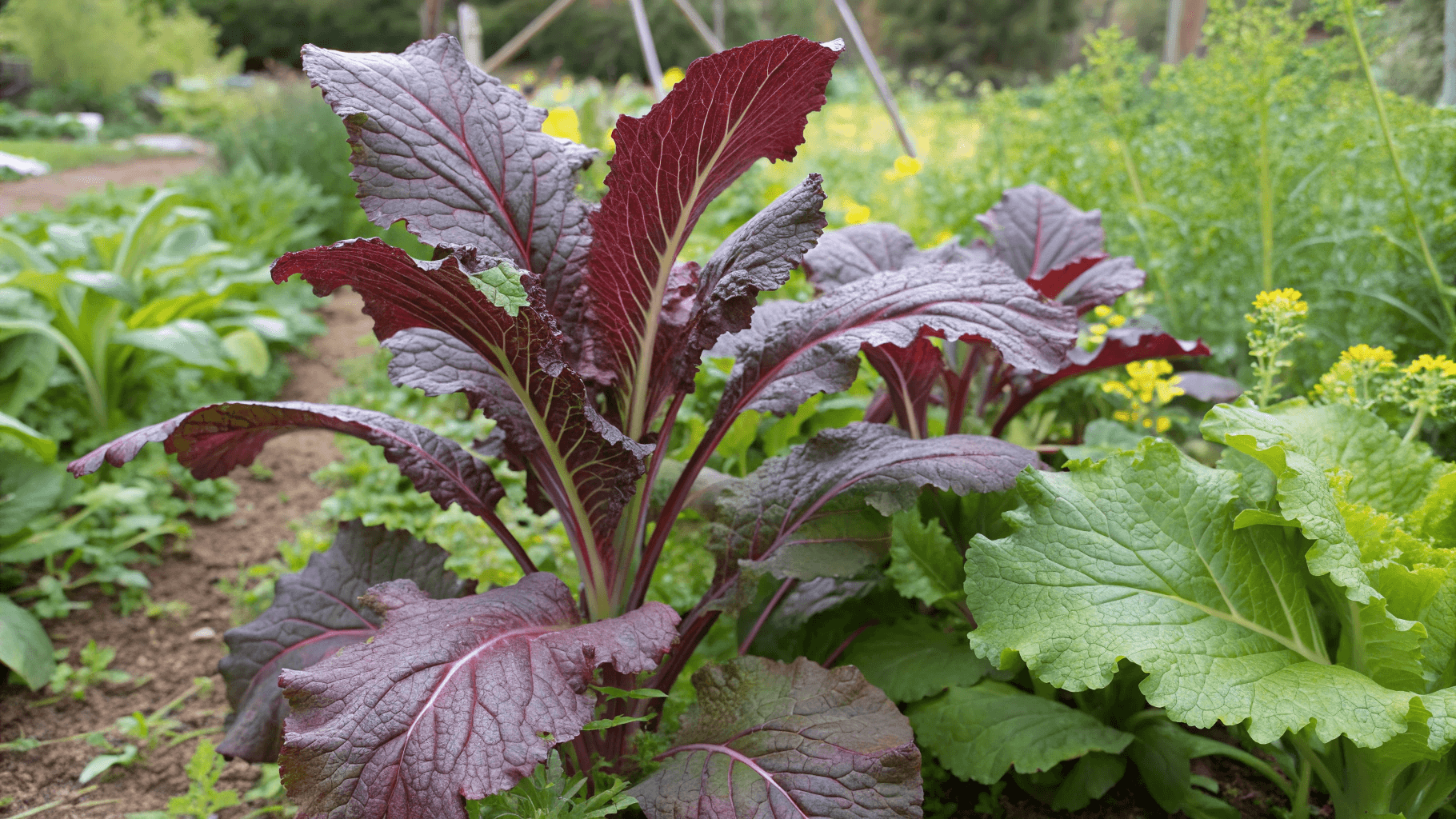
3. Red Giant
Known for its reddish-purple leaves and a milder, slightly spicier flavour. It’s cold-hardy and becomes sweeter after light frosts, making it perfect for fall gardens. Excellent for salads and color contrast.
4. Mizuna
A softer, more delicate mustard green with thin, feathery leaves and a milder taste. This type is especially popular for baby greens and quick harvests. Grows well in containers. Great for salads, quick cooking.
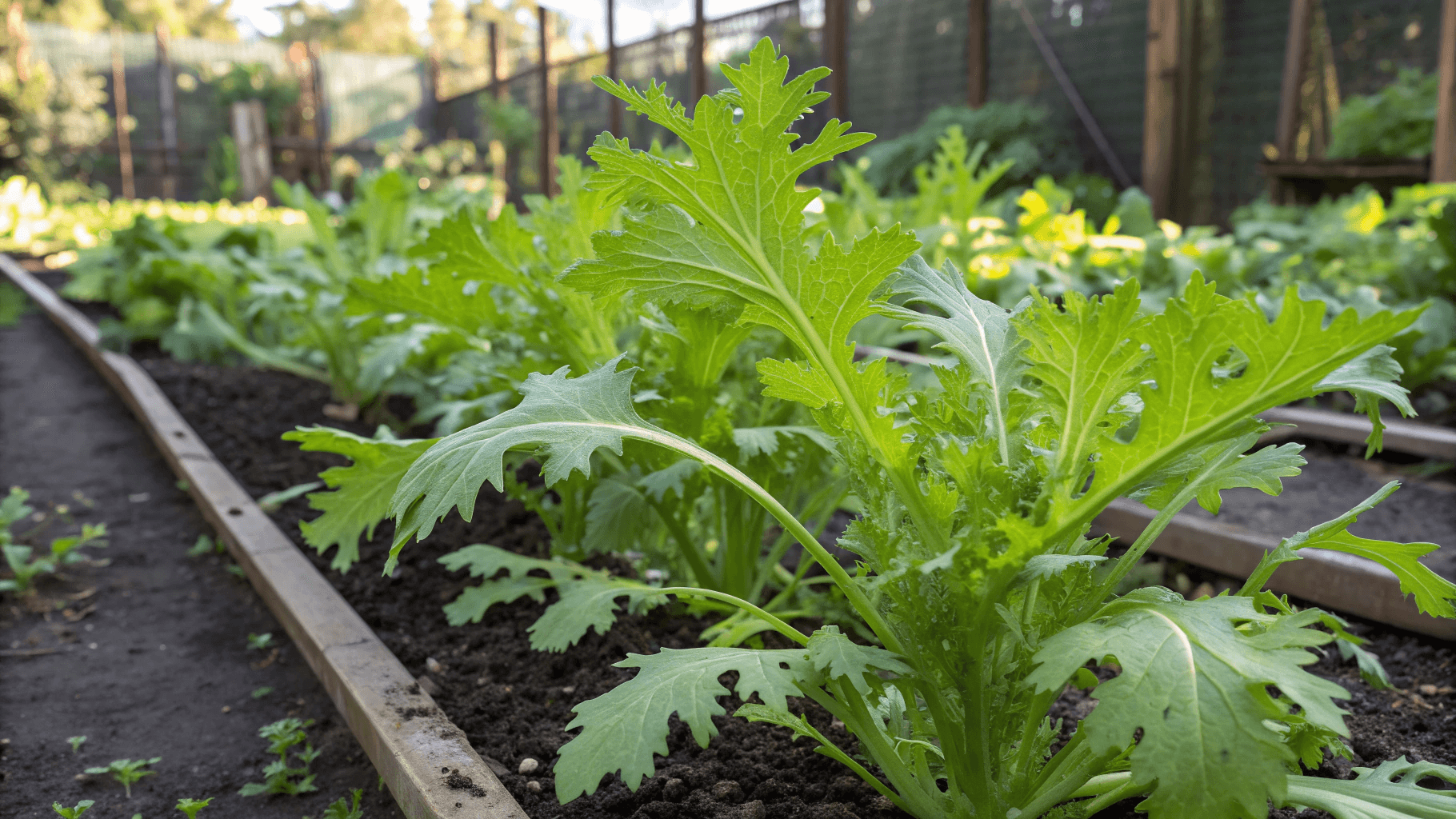
You can grow one type or mix them, they all follow the same basic care rules.
Best Climate for Mustard Greens
Mustard greens are a cool-season crop. They grow best when days are mild and nights are cool.
Ideal Temperatures
- Best growth: 50-68°F (10-20°C)
- Tolerate light frost, often improves flavor
- Hot weather can make them bolt and turn leaves more bitter and tough
If your summers get hot, plan mustard greens for early spring and fall. In mild climates, you can grow them through winter with basic protection.
What Happens in Heat
When temperatures climb often above 75-80°F (24-27°C), mustard greens may:
- Grow faster but become stronger-tasting
- Turn more bitter
- Bolt quickly
How to Manage Warm Climates
If your climate is hot for long stretches:
- Grow mustard greens in fall, winter, and early spring
- Provide afternoon shade (shade cloth, taller plants, or a partial-shade spot)
- Keep soil moisture consistent to reduce stress
If you struggle with bitter mustard greens, temperature, not fertilizer, is usually the main reason.
When to Plant
Timing is everything with mustard greens. Planting at the right moment is the difference between tender leaves and tough, bitter ones.
Spring Planting
- Sow seeds 2-4 weeks before your last expected frost
- Mustard greens don’t mind a little chill, and cool weather improves flavor
Fall Planting (Often the Best)
- Sow seeds 6-10 weeks before your first expected frost
- Fall mustard greens are often sweeter and less bitter
- Light frost can improve taste
For most gardeners, fall planting produces the best flavor with the least effort.
Tip: Fall mustard greens often taste better, cooler weather makes leaves sweeter and less sharp.
Winter Planting (Mild Climates)
In regions with mild winters, mustard greens can grow through winter with minimal protection. Growth slows down in cold, short days, but plants often bounce back when the weather warms.
Tip: For a continuous harvest, plant a small batch every 2-3 weeks during the cool season. This is called succession planting, and it prevents you from having “too much at once.”
Soil Requirements
Mustard greens grow best in loose, fertile soil that drains well but still holds moisture. Heavy clay soil can slow growth and cause bitter leaves, while very sandy soil dries out too fast.
Best Soil Type
- Loose, well-draining soil (not compacted)
- Compost-rich or amended with organic matter
- Slightly acidic to neutral 6.0-7.0 pH is usually fine
Before planting:
- Mix in 1-2 inches (2-5 cm) of compost to improve structure and feed the plant, or well-rotted manure
How to Plant Mustard Greens (Seeds and Seedlings)
Mustard greens grow best when direct sown from seed. Transplants can work, but they’re unnecessary and sometimes slow plants down.
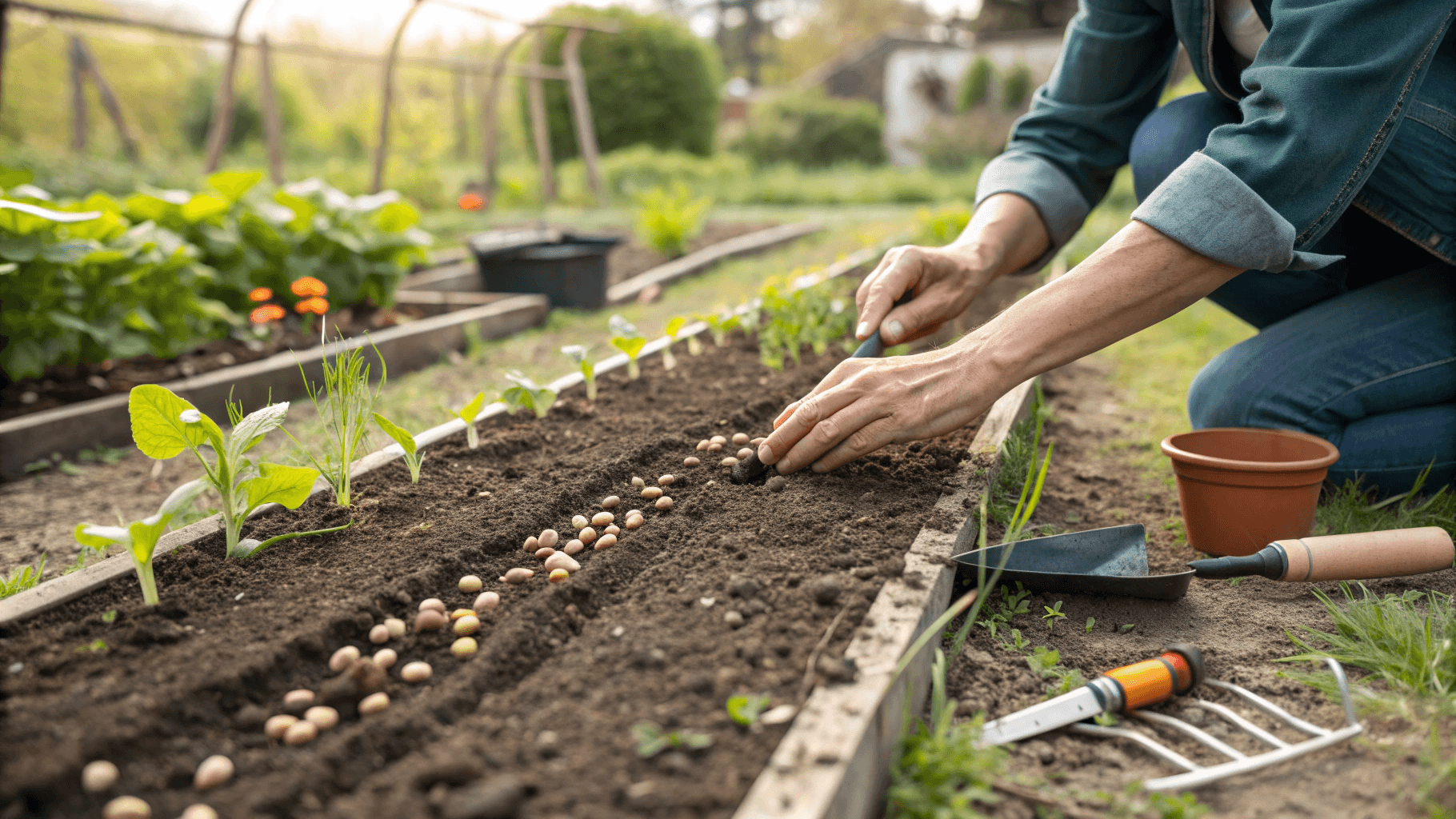
Direct sowing lets the roots establish without disturbance, which leads to faster, more even growth.
Planting From Seed (Recommended)
- Prepare the soil by loosening it and mixing in compost
- Plant seeds about 1/4-1/2 inch (0.5-1 cm) deep. Cover lightly with soil
- Space seeds about 1-2 inches (2-5 cm) apart in rows
- Water gently so you don’t wash seeds away
- Keep the soil evenly damp until germination
Seeds usually sprout in just a few days (4-7 days), sometimes within a week, depending on temperature. Once seedlings are about 2 inches (5 cm) tall, thin them so plants aren’t crowded.
Don’t waste thinnings. Those tiny plants are perfect for salads or sandwiches.
Spacing After Thinning
- For baby greens: Thin to 2-4 inches (5-10 cm) apart
- For full-size plants: Thin to about 6-10 inches (15-25 cm) apart
- For larger plants: Thin to 8-12 inches (20-30 cm) apart
Thinning matters. Overcrowded mustard greens:
- Stay smaller
- Get more disease pressure
- Can taste stronger due to stress
Overcrowding leads to small leaves and increased bitterness later.
Planting Seedlings
Seedlings work too, but mustard greens don’t always love root disturbance. If you transplant:
- Dig small holes slightly bigger than the root ball
- Space plants 6-12 inches apart (depending on variety)
- Transplant when seedlings are small, 2-4 true leaves
- Place the seedling in the hole so the base of the stem is level with the soil
- Firm the soil gently around the roots
- Water well to help the plant settle in
- Provide light shade for 2-3 days if the sun is strong
Avoid planting seedlings too deep, as this can slow growth and cause rot.
Growing Mustard Greens in Containers and Raised Beds
Yes, you can grow mustard greens almost anywhere.
Containers
- Choose a pot at least 8-10 inches (20-25 cm) deep. Wider is better than tall because you’ll likely plant several
- Make sure there are drainage holes
Containers dry out faster than garden soil, so pay close attention to watering. The upside is better control over soil quality and fewer weed problems.
Container tips
- Use high-quality vegetable potting mix (not garden soil in pots)
- Keep moisture steady
- Harvest often to encourage fresh growth
Raised beds
Raised beds are ideal because they warm up faster in spring, drain well, and make soil improvement easy.
- Loosen soil to at least 8-10 inches deep
- Mix in compost or well-rotted manure
- Aim for slightly acidic to neutral soil
Raised bed tips
- Enrich soil with compost each season
- Plant in blocks for easy harvesting
- Use row covers in early spring or late fall to extend the season
Sunlight Needs and Heat Protection
Mustard greens prefer full sun in cool weather. It helps them grow fast and develop thick, healthy leaves. As temperatures rise, too much sun becomes a problem.
Light Needs
- Full sun (6+ hours) during early spring or fall
- Part shade is better in warm climates or late spring
Heat Protection
- Afternoon shade: Plant near taller crops or a fence where they get morning sun and afternoon shade
- Shade cloth: A light shade cloth can reduce stress and slow bolting
- Mulch: Helps keep soil cooler and holds moisture
If you notice leaves becoming smaller or more pungent, too much heat and sun are often the cause.
Feeding and Fertilizing
Mustard greens are leafy, so they respond well to nitrogen to build big, green leaves.
Simple Feeding Plan
- At planting, compost is often enough
- Mid-growth boost (optional but helpful). Apply a gentle nitrogen-rich fertilizer once plants are established
- For containers, use a gentle liquid feed every 2-3 weeks
- Avoid overfeeding. Too much nitrogen can lead to very soft growth that attracts pests
If leaves look pale or growth is slow, feed lightly. If plants are lush and healthy, don’t force them.
Watering Schedule
Consistent watering is the secret to mild, tender mustard greens. When plants get stressed from dry soil, their leaves become tougher and spicier.
Keep soil consistently moist, not soggy.
- In garden beds: Water deeply when the top few centimeters start to dry
- In containers: Check daily in warm weather
How Often to Water
This depends on your weather and soil, but a good starting point is:
- Cool weather: Water 1-2 times per week (depending on rainfall)
- Warm weather: Water more often, sometimes every day
- Containers: Check daily; Water when the top 1-2 inch (2-5 cm) feels dry
Best watering tips
- Water at the base of plants, not on leaves, when possible
- Morning watering is best, as it reduces fungal problems
- Mulch (straw, leaf mold, shredded leaves) helps soil stay evenly moist
Why it matters
Consistent moisture = milder flavor. Dry stress = stronger bite.
- Dry stress makes mustard greens tough and bitter
- Uneven watering can lead to stronger heat and a rough texture
Signs of Underwatering
- Leaves droop or curl
- Growth slows
- Flavor becomes stronger and more bitter
Signs of Overwatering
- Yellowing leaves
- Soft or limp growth
- Poor root health
Simple test: Check the soil with your finger. If the top inch feels dry, it’s time to water.
If you want to maintain consistent soil moisture without daily hand watering, a solar drip irrigation system can make vegetable watering much more reliable, especially during hot or busy weeks.
Common Mustard Greens Problems
Mustard greens are in the brassica family, so they attract many of the same pests as cabbage and kale.
Flea Beetles
Tiny holes in leaves, especially on young plants.
Best fixes:
- Use row covers early (very effective)
- Keep plants growing fast with consistent water and fertile soil
- Sprinkle diatomaceous earth lightly (reapply after rain)
Aphids
Clusters of small green/gray insects, sticky leaves.
Best fixes:
- Blast them off with a strong water spray
- Encourage ladybugs and lacewings
- Use insecticidal soap if needed
Cabbage Worms (Caterpillars)
Ragged holes, green caterpillars, droppings.
Best fixes:
- Check undersides of leaves and hand-pick
- Use row covers
- If pressure is high, use Bt (Bacillus thuringiensis), a targeted organic option for caterpillars
Growth issues
- Bitter leaves: Usually heat or water stress.
- Slow growth: Often poor soil, cold snap, or lack of nutrients.
How to Prevent Mustard Greens From Bolting and Tough Leaves
Mustard greens are known for bolting quickly if stressed. Once it bolts, leaves often become tougher and stronger in flavor.
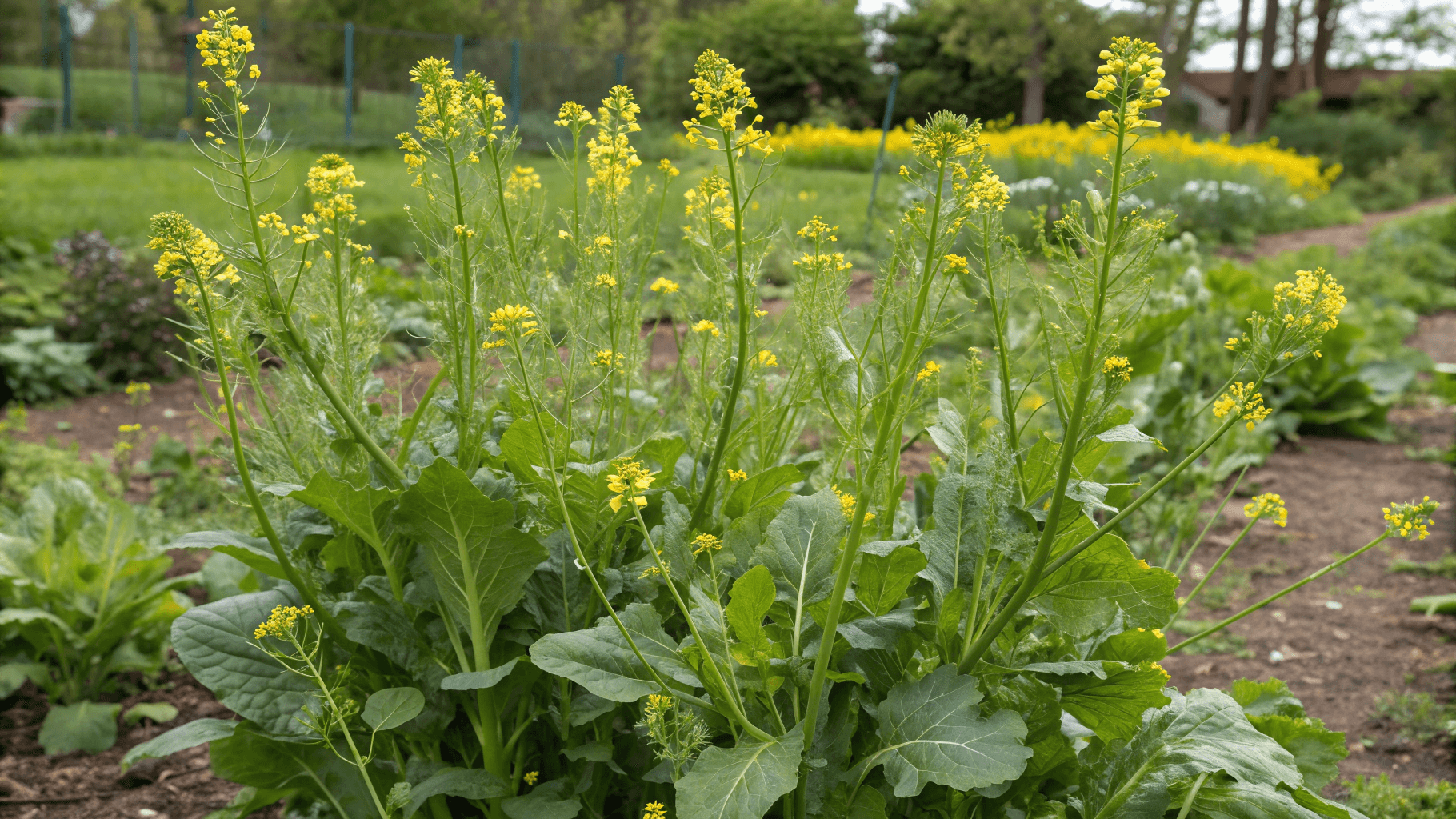
Why Mustard Greens Bolt
- Heat
- Long days (late spring into summer)
- Water stress
- Overcrowding
How to Slow Bolting
- Plant early in spring or late summer for a fall harvest
- Frequent picking encourages leaf growth and delays flowering
- Provide afternoon shade, especially in late spring
- Water consistently, don’t let the soil swing between dry and soaked
- Grow bolt-resistant varieties; some types handle warmth better than others
Keeping Leaves Tender
- Harvest leaves when they’re young to medium-sized
- Don’t let plants struggle; steady water and decent nutrition matter
- If leaves are strong, cook them. Heat softens texture and mellows sharpness
Best Companion Plants for Mustard Greens
Companion planting can help with space, soil, and pest balance. Mustard greens also work well as a “gap filler” because they mature quickly.
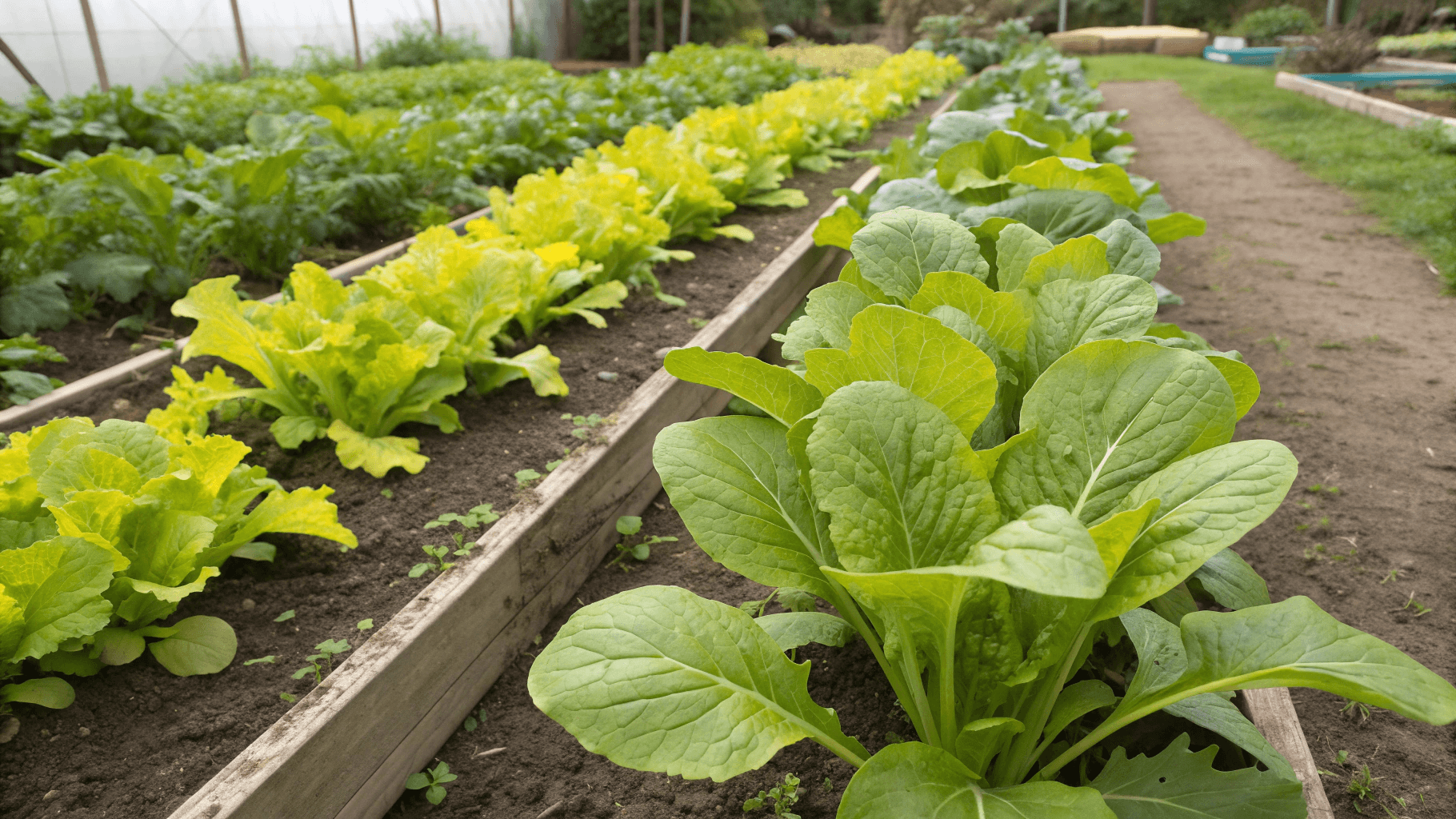
Good Companions
- Lettuce and spinach: Similar needs and quick harvest cycles.
- Radishes: Grow fast and can distract flea beetles.
- Onions, chives: Their smell may confuse some pests.
- Dill and cilantro: Can attract beneficial insects that prey on aphids.
- Nasturtiums: Often act as a trap plant for aphids.
Plants to Avoid Nearby
Mustard greens share pests with other brassicas, so rotation matters more than proximity.
- Other brassicas (cabbage, broccoli, kale). Avoid planting mustard greens in the same bed where brassicas grew recently because they can build pest pressure. Rotate if you can.
When and How to Harvest Mustard Greens
Harvesting the right way keeps plants producing. You can start harvesting when leaves are about 4-6 inches long. Baby leaves are tender and mild, while mature leaves have more bite.
When to Harvest
- Baby leaves are ready when they’re about 4-6 inches (10-15 cm). These are mild, tender, and perfect for salads
- Mature leaves can be harvested once they reach 6-10 inches (15-25 cm) long. These have a stronger flavor and work well for cooking
- Cooler weather usually gives the best taste
Harvesting every few days once plants are established not only increases yield but also improves flavor by preventing stress and bolting. A healthy plant can produce multiple harvests over several weeks if conditions stay cool.
How to Harvest
Method 1: Cut-and-come-again (best for baby greens)
- Start harvesting when leaves are 4-6 inches long
- Leave the center of the plant intact so it can regrow
- Harvest every 7-10 days for best results.
Method 2: Outer-leaf harvest (best for full-size plants)
- Cut outer leaves first, about 1-2 inches above the soil, leaving the center growing point intact
- This can keep the plant producing longer
Flavor Tips
If leaves suddenly taste harsh, harvest smaller and cook them, heat mellows mustard greens quickly.
- Harvest in the morning for the crispest leaves
- Leaves get spicier as they mature
- Warm weather increases bite; cool weather often makes flavor smoother
Frequent harvesting signals the plant to keep producing new leaves instead of sending up a flower stalk. Once you see a central stem forming, flavor will change quickly, so harvest heavily or pull the plant.
Storage Tips
- Rinse, dry well, and store in the fridge in a breathable bag or container
- If leaves are slightly wilted, a short soak in cold water for 10 minutes, then dry, many bounce back
How Long Do Mustard Greens Take to Grow?
Mustard greens are one of the fastest leafy vegetables you can grow.
- Germination: 4-7 days
- First harvest: 30-35 days
- Baby leaves: 20-25 days
- Full-size leaves: Usually 35-55 days depending on variety and conditions
Cool temperatures speed up leaf quality but slow growth slightly. Warm conditions speed growth but reduce flavor and increase bolting risk.
If your goal is a quick harvest, sow thickly and cut baby leaves early. If you want bigger bunches, thin plants for space.
Conclusion
Mustard greens are one of the most rewarding vegetables you can grow. They’re quick and perfect for gardeners who want fast results without complicated care. By choosing the right variety, planting properly, watering consistently, and harvesting often, you can enjoy tender, flavorful greens for weeks at a time.
If you want the simplest path to success, plant in early spring or fall, give them sun with a bit of shade in warmth, water consistently, and start harvesting early. Once you taste homegrown mustard greens – fresh, crisp, and full of character, you’ll understand why so many gardeners grow them every season.
With the tips in this guide, you’re not just growing mustard greens, you’re growing them well.
Mustard greens grow especially well alongside lettuce, spinach, and other leafy vegetables, making them perfect for a productive cool-season garden.

Leave a Reply