
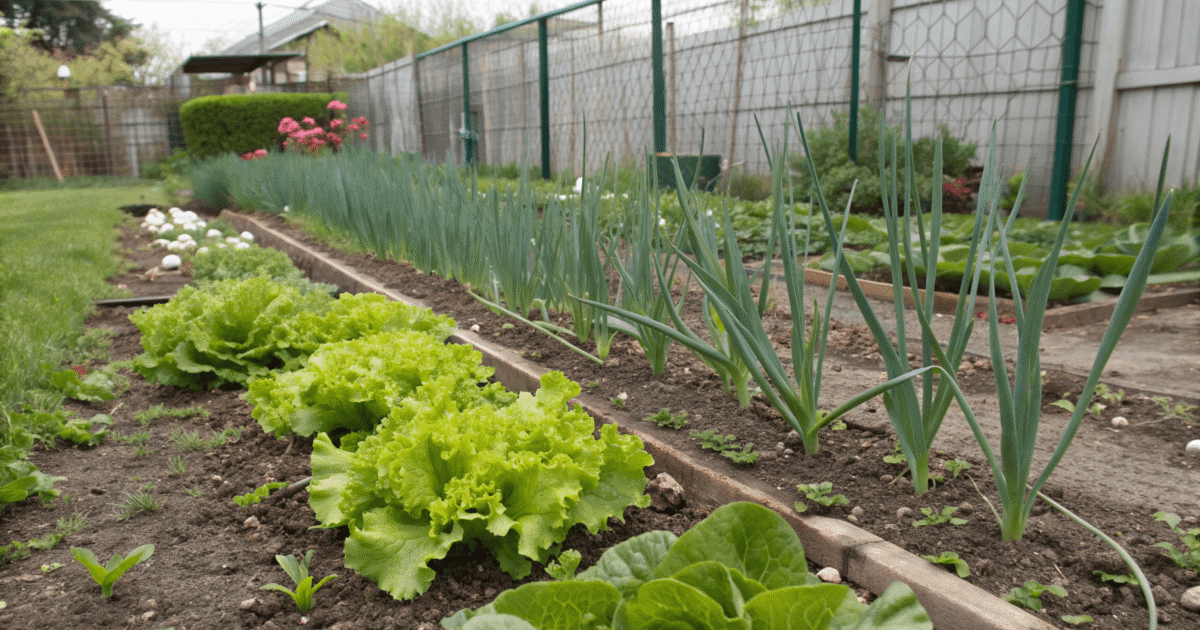
Lettuce is one of the easiest leafy greens to grow, but it becomes even easier (and healthier) when you plant it next to the right companions. The best companion plants for lettuce help it grow faster, stay cool in warm weather, repel pests, and even improve soil quality. The result? Crisp, vibrant leaves and a more productive garden overall.
Companion planting works especially well for lettuce because it has shallow roots and a short growing cycle, making it easy to pair with many vegetables, herbs, and flowers without competition.
So, what are the best companion plants for lettuce? The top partners include carrots, radishes, onions, herbs like dill and chives, and flowers like marigolds. These plants either deter pests, loosen soil, provide shade, or grow on a different timetable so they don’t compete for nutrients.
If you’re new to growing lettuce, start with How to Grow Lettuce (beginner guide with watering, sunlight, and harvest tips).
Why Lettuce Loves Good Neighbours
Lettuce is a cool-season crop that prefers gentle sunlight, consistently moist soil, and minimal competition. Because it has shallow roots, it benefits from neighbours that grow deeper, taller, or on a different cycle.
Good companion plants can:
- Keep lettuce cool with filtered shade
- Repel common pests like aphids and slugs
- Improve soil structure and fertility
- Maximize limited garden space
- Help create a microclimate where lettuce flourishes longer
In my garden, lettuce planted near radishes and onions consistently stays greener, sweeter, and pest-free longer than lettuce grown on its own.
This is why pairing lettuce with the right plants can stretch your harvest window and significantly reduce maintenance.
Best Companion Plants for Lettuce
Below are the top-performing partners to grow near lettuce, whether you’re gardening in raised beds, containers, or a full vegetable patch.
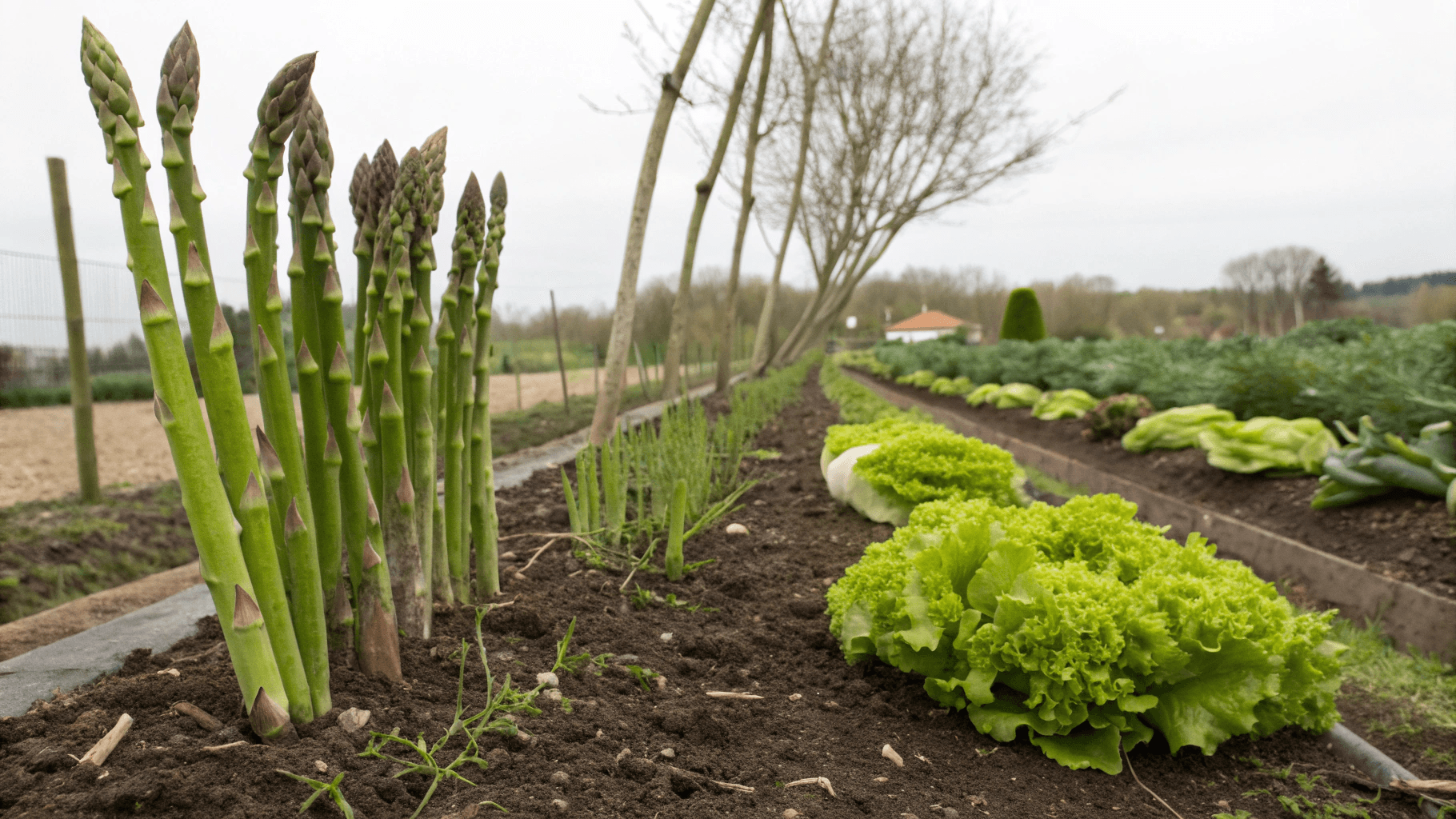
1. Asparagus
Asparagus is a perennial that emerges early in the season, offering gentle spring shade. Lettuce can be planted between asparagus spears before the ferns grow large.
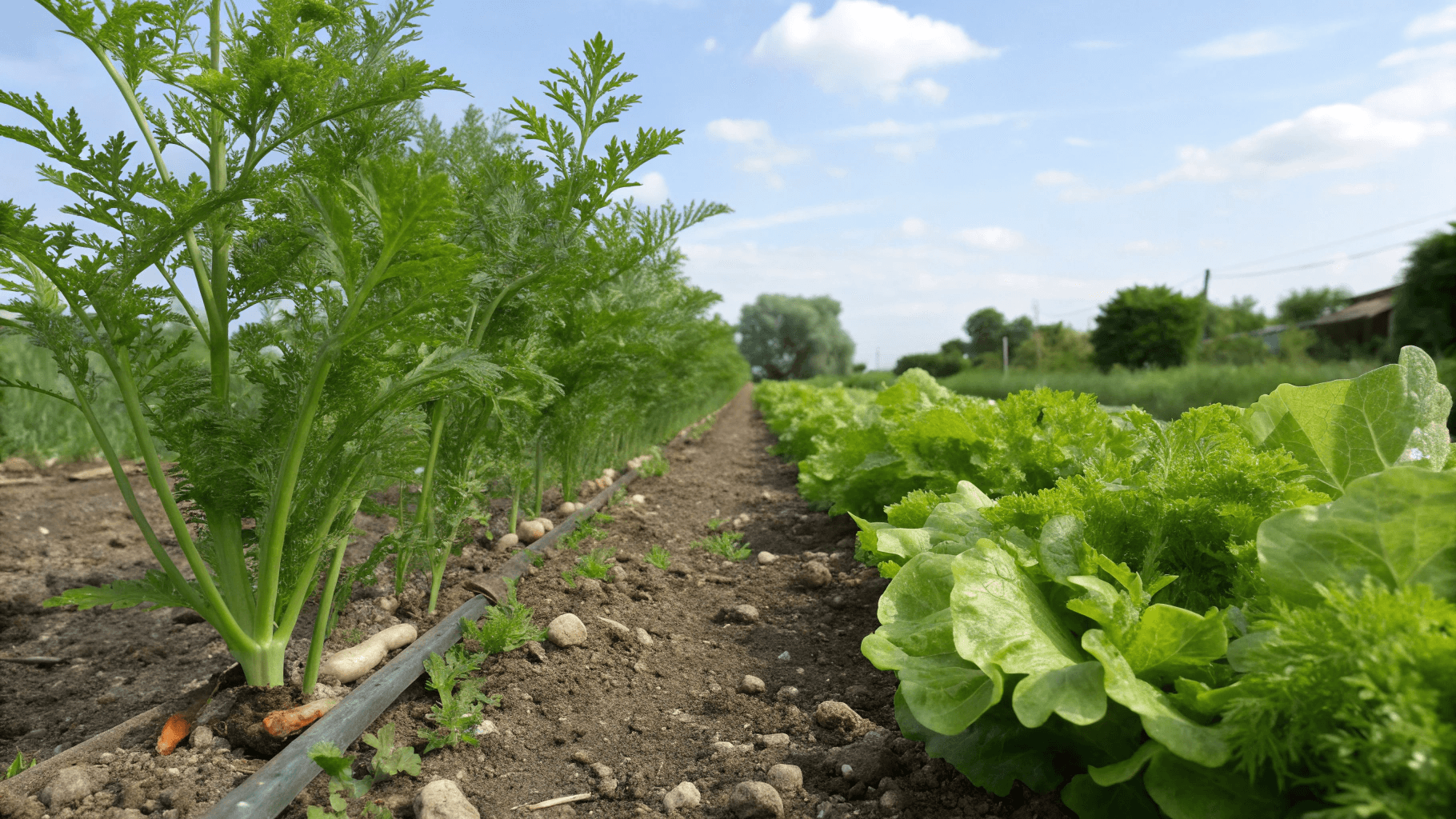
2. Carrots
Carrots and lettuce are classic companions. Carrots grow downward, lettuce spreads outward, so there’s practically no competition for root space.
Benefits:
- Carrots break up the soil as they grow, helping lettuce roots stay loose and healthy.
- Lettuce matures faster, allowing you to harvest it before carrots need extra room.
Thin carrot seedlings and use the space in between for a fresh round of lettuce.
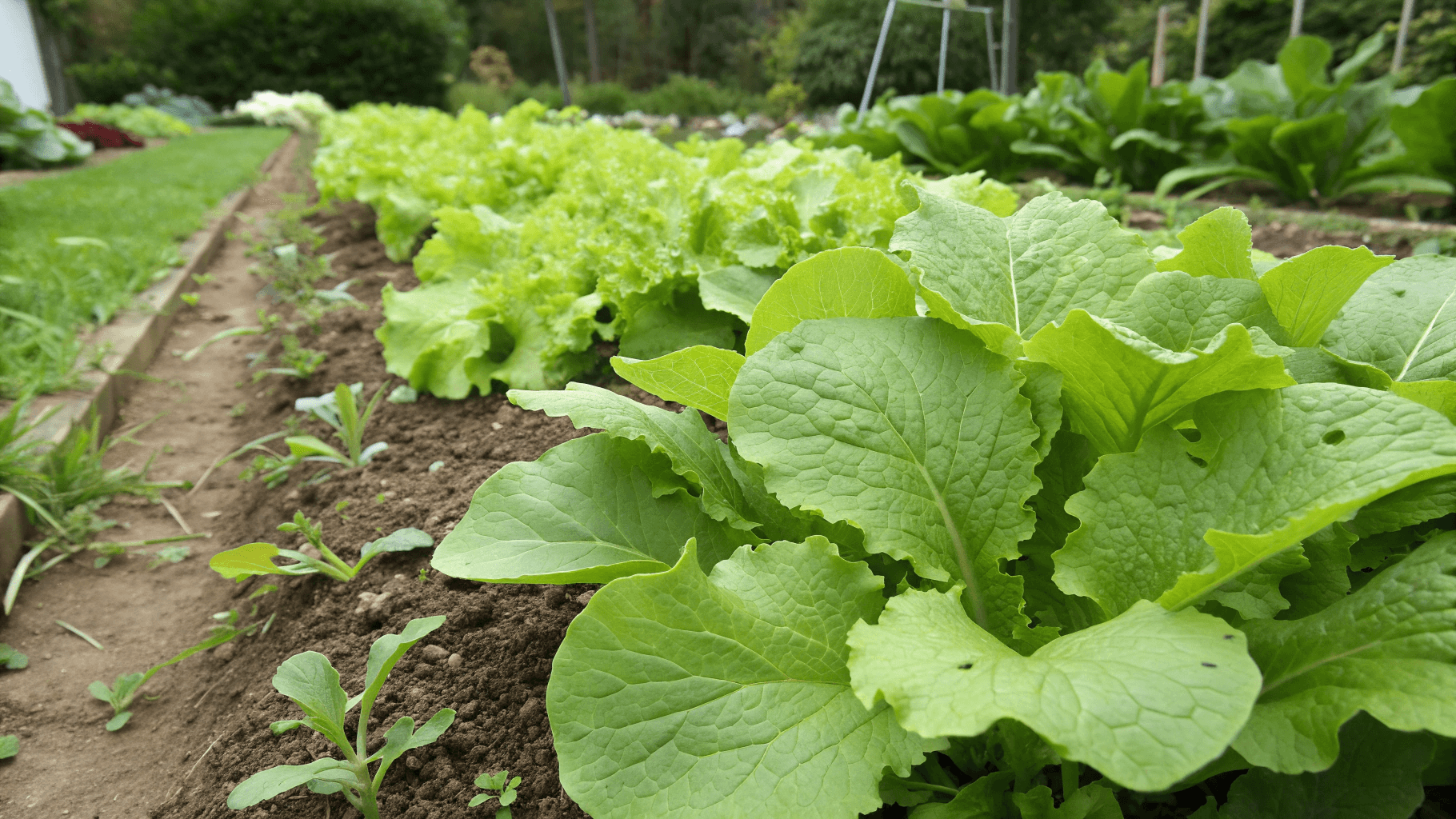
3. Radishes
Radishes grow quickly and help mark rows for slower-growing seeds like lettuce and carrots.
Benefits:
- They loosen compact soil.
- Their strong scent repels pests that target leafy greens.
- They mature extremely fast (21-30 days), so you can interplant them repeatedly between lettuce rows.
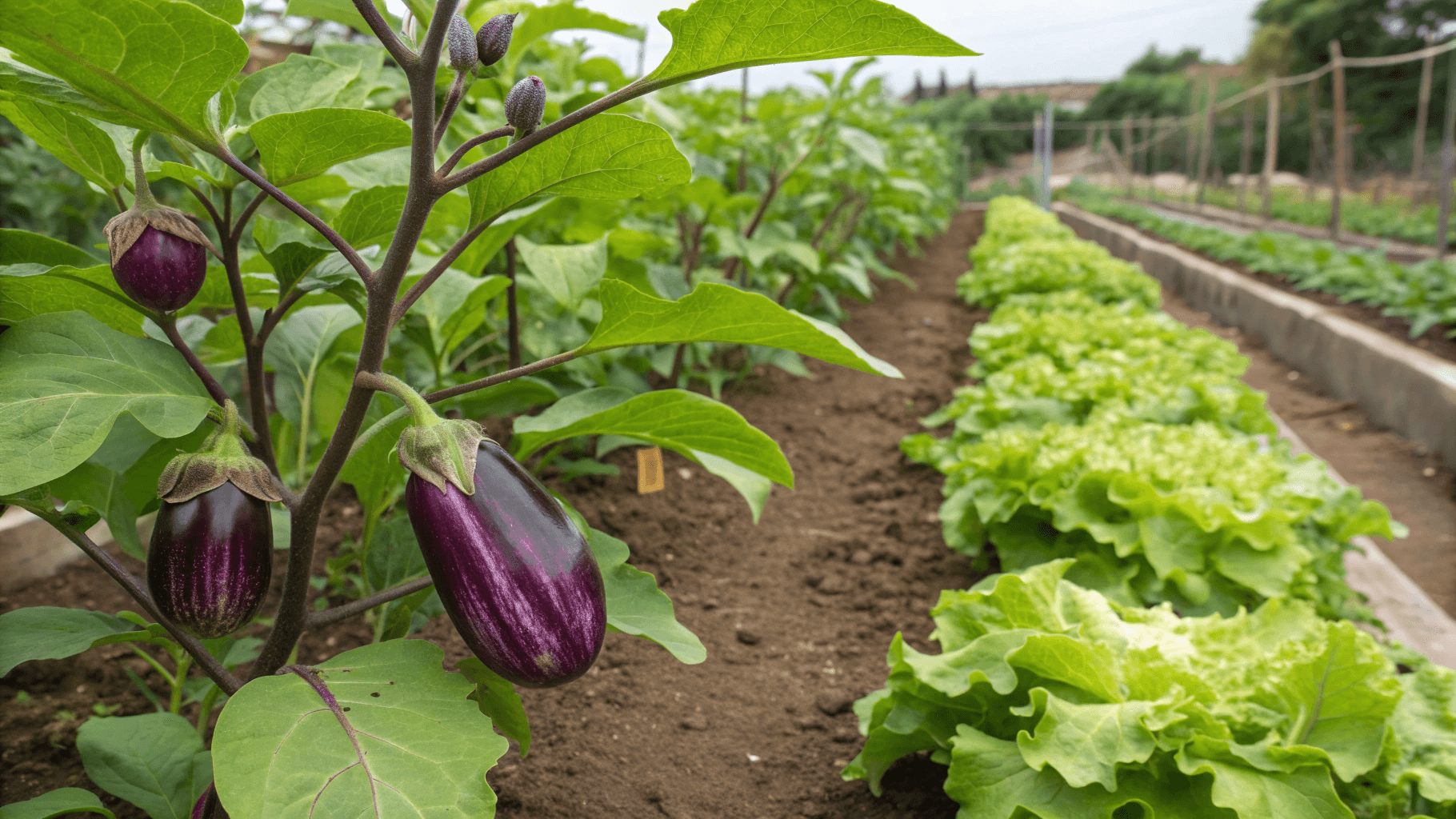
4. Eggplant
While not a traditional pairing, eggplants can benefit lettuce when spaced properly. Their broad leaves offer consistent, gentle shade.
Benefits:
- Eggplants grow tall enough to offer partial shade.
- They attract pollinators and beneficial insects.
- Their slower growth gives lettuce time to mature early in the season.
Use this pairing especially in warmer climates.
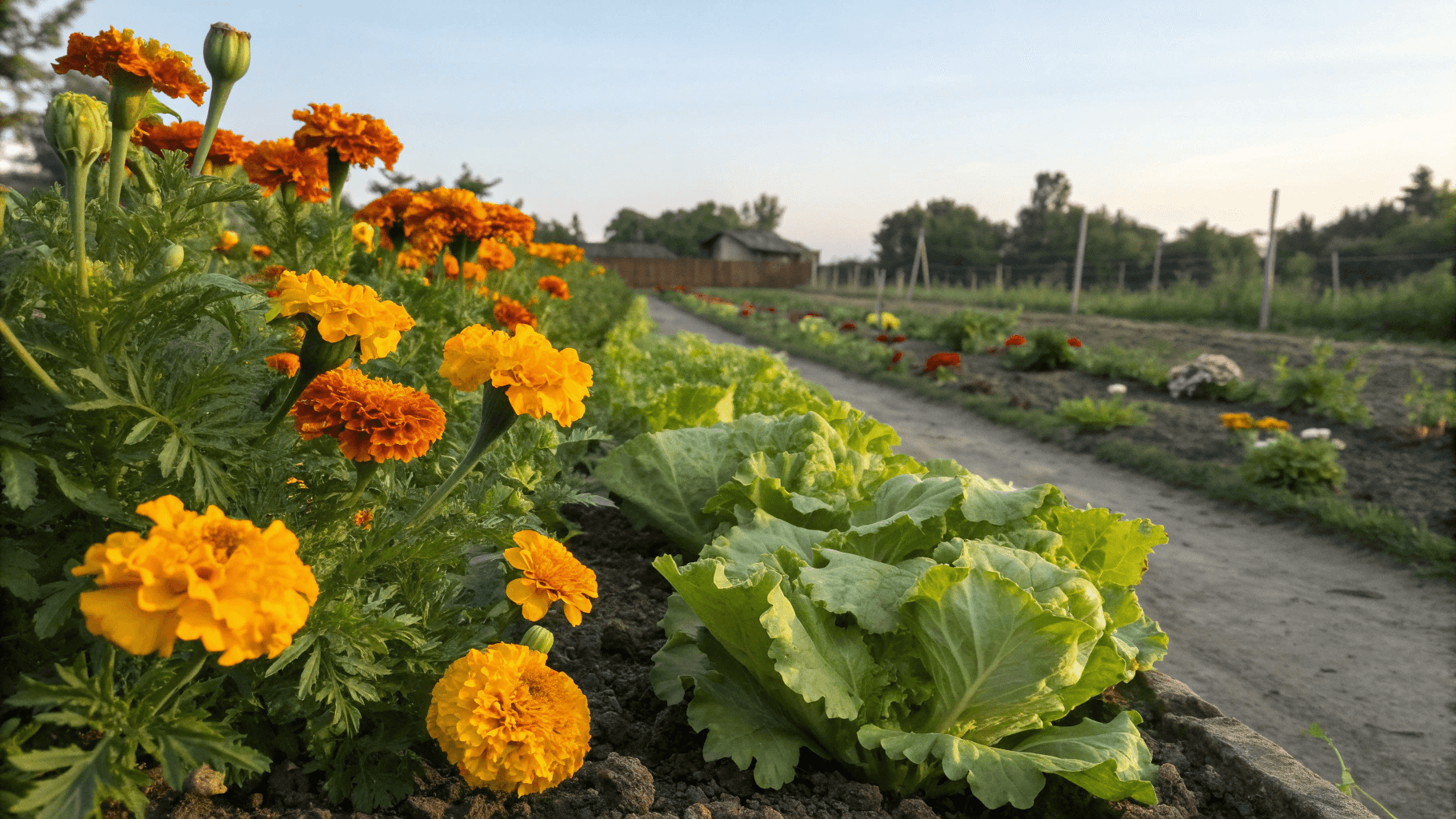
5. Marigolds
A powerhouse for pest prevention. Marigolds improve the overall health of garden soil with their root secretions.
Benefits:
- Repel aphids, nematodes, whiteflies, beetles, and more.
- Attract pollinators and beneficial insects that keep pests under control.
- Offer natural groundcover that locks moisture into the soil.
6. Calendula
Calendula works similarly to marigolds. It’s beautiful and functional, ideal for edging lettuce beds.
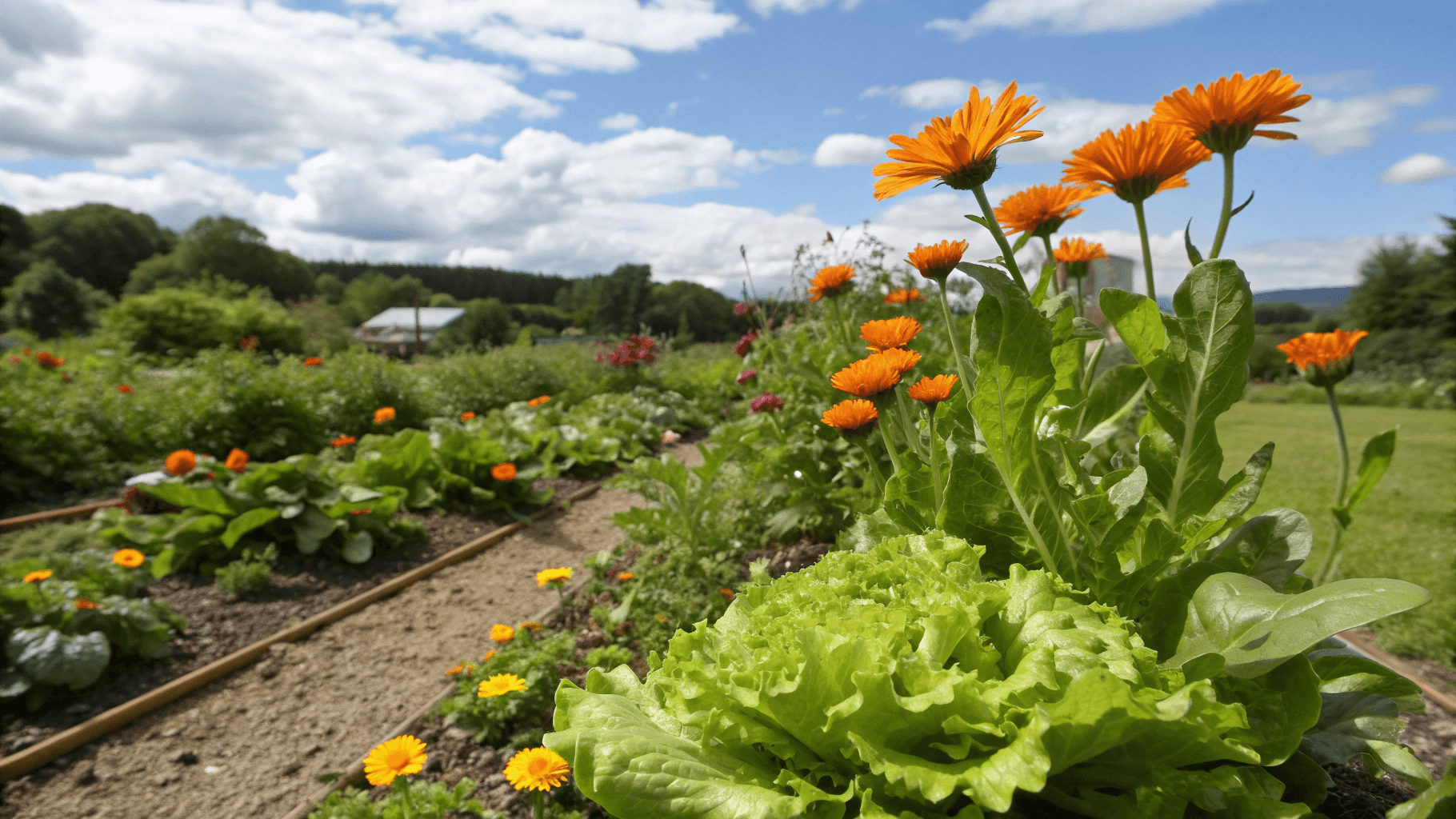
- Attracts pollinators
- Draws aphids away from lettuce (trap crop)
- Blossoms throughout the growing season
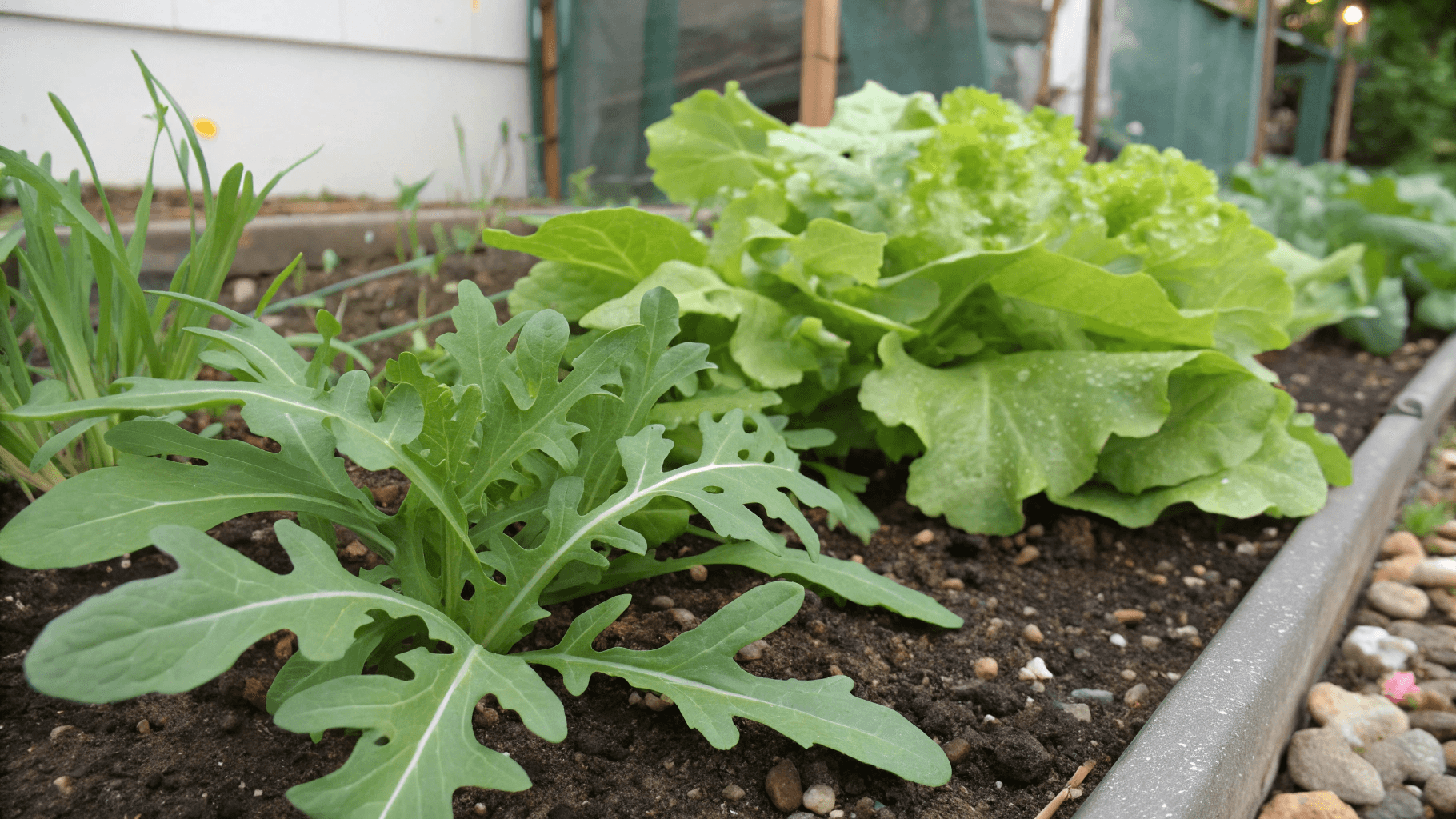
7. Arugula
Another leafy green that grows gently alongside lettuce and helps fill space between rows. Because arugula matures quickly, it prevents weeds and creates a living mulch effect.
8. Onions, Chives and Garlic
These alliums are some of the best pest deterrents you can plant near lettuce.
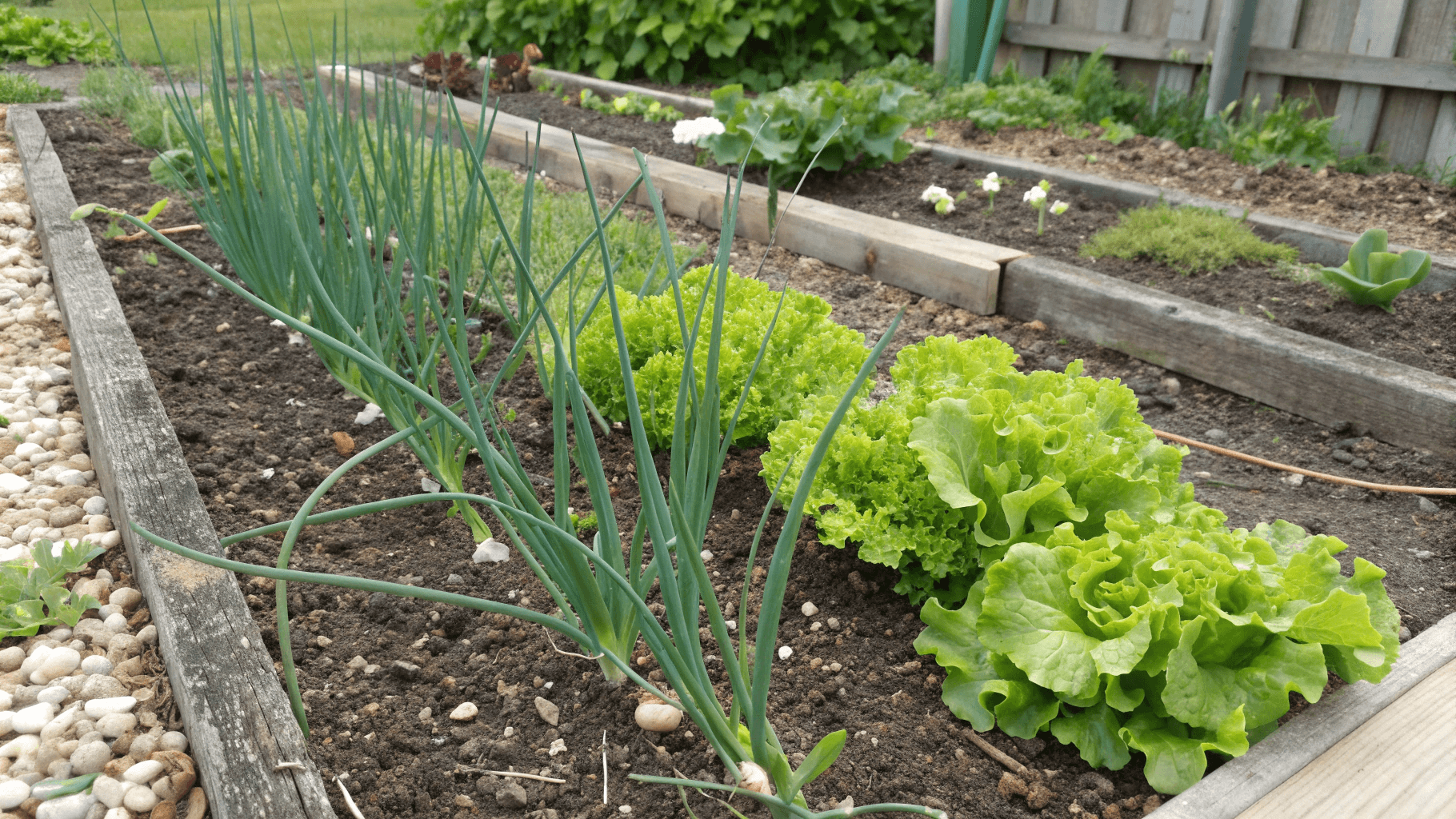
Benefits:
- Their strong smell repels aphids, rabbit nibbling, deer bites, and carrot flies.
- They take up very little space, making them ideal border plants.
- Chives help improve lettuce flavor when planted close together.
Snip chive flowers before they seed to prevent them from spreading too aggressively.
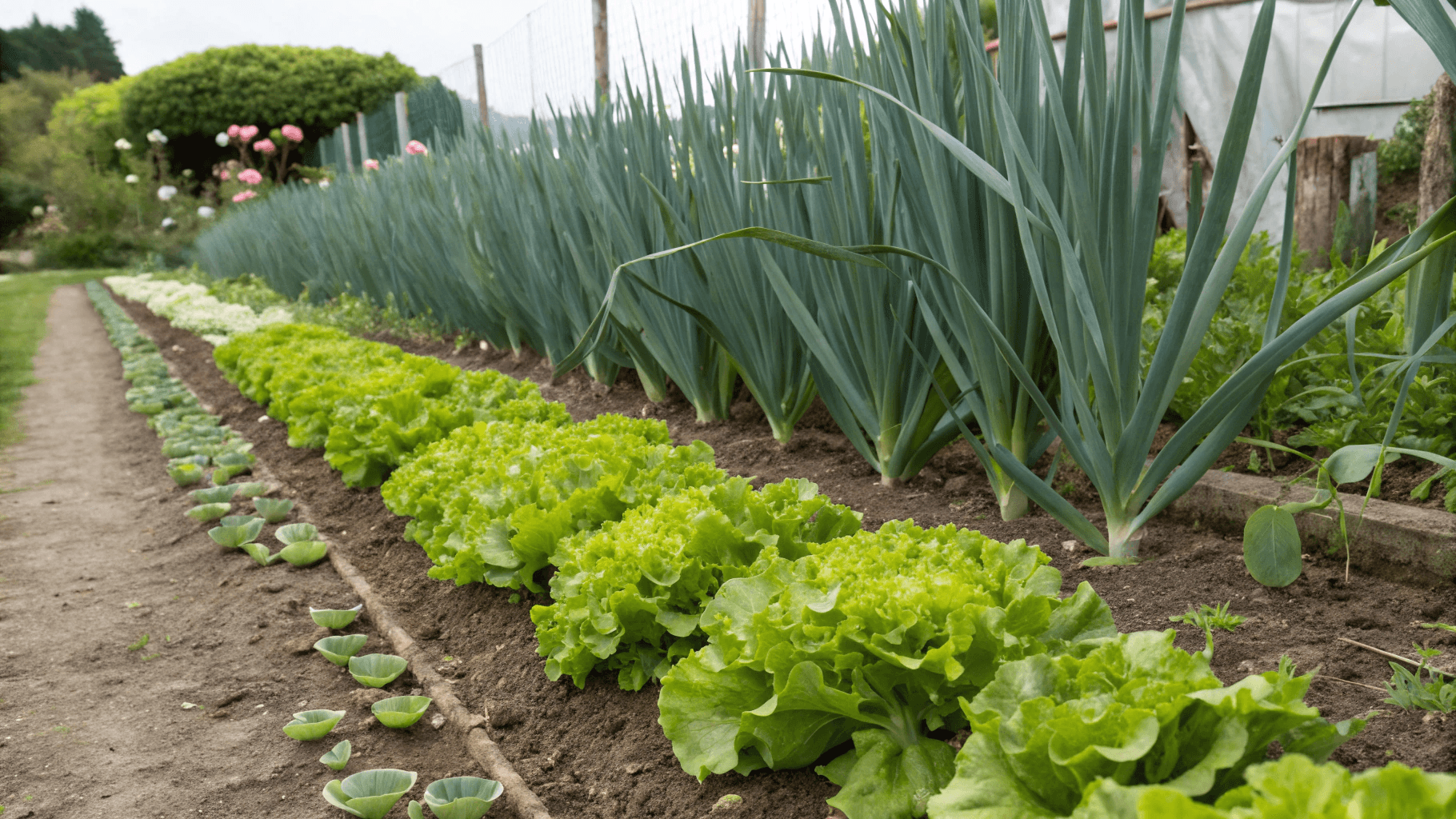
9. Leeks
Leeks repel carrot flies, aphids, and slugs, making them excellent pest protectors for lettuce. Their upright shape helps maximize small spaces.
10. Dill and Cilantro
These herbs attract beneficial insects like ladybugs, hoverflies, and parasitic wasps that eat aphids (one of lettuce’s biggest threats).
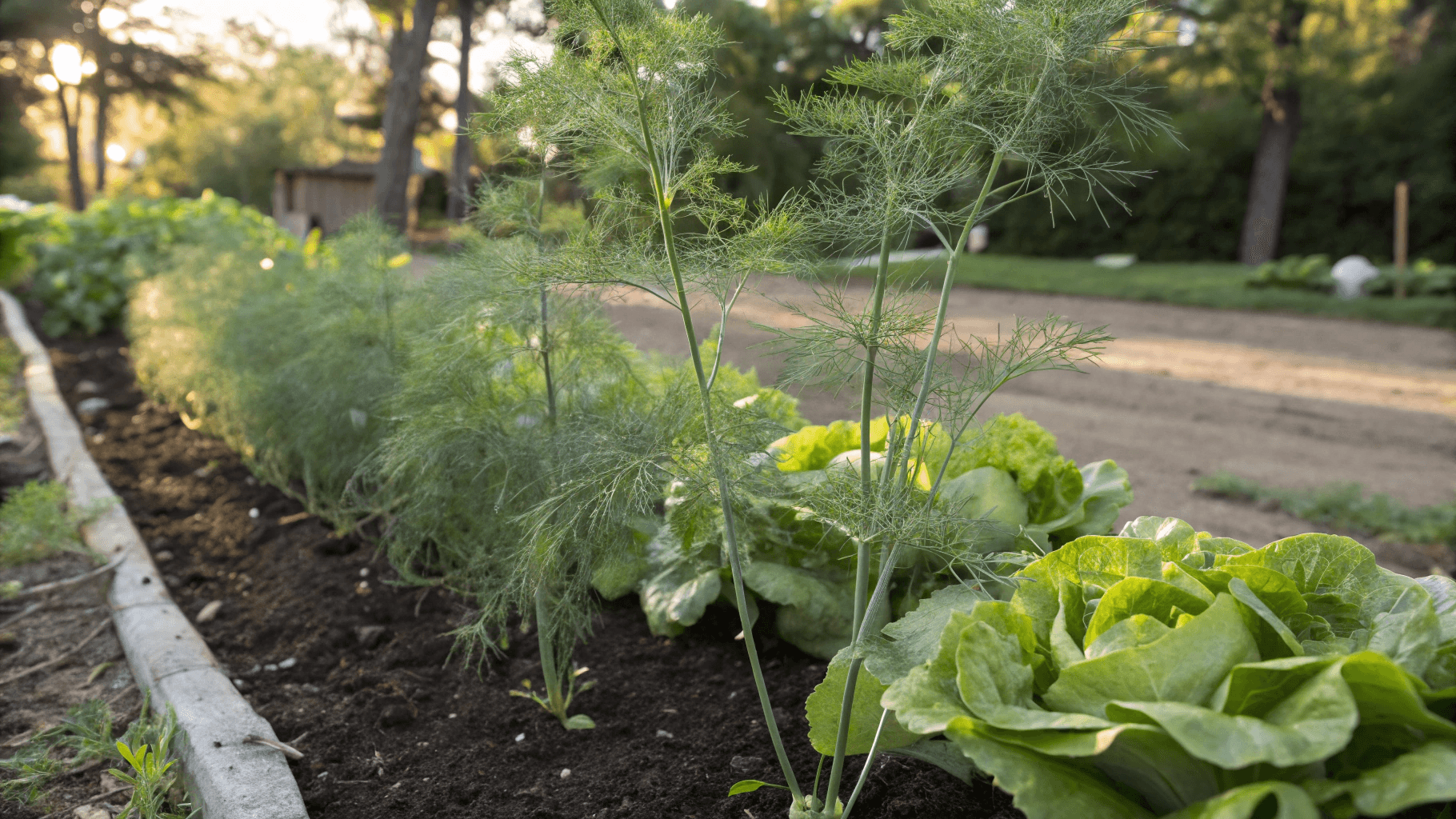
Benefits:
- Aromatic herbs confuse pests and reduce aphid infestations.
- They grow quickly and won’t crowd out lettuce.
- Can provide slight shade during bolting season.
Herbs also add fragrance and texture to your garden environment.
11. Oregano, Rosemary, Sage and Thyme
Mediterranean herbs produce essential oils that confuse pests and attract predatory insects.
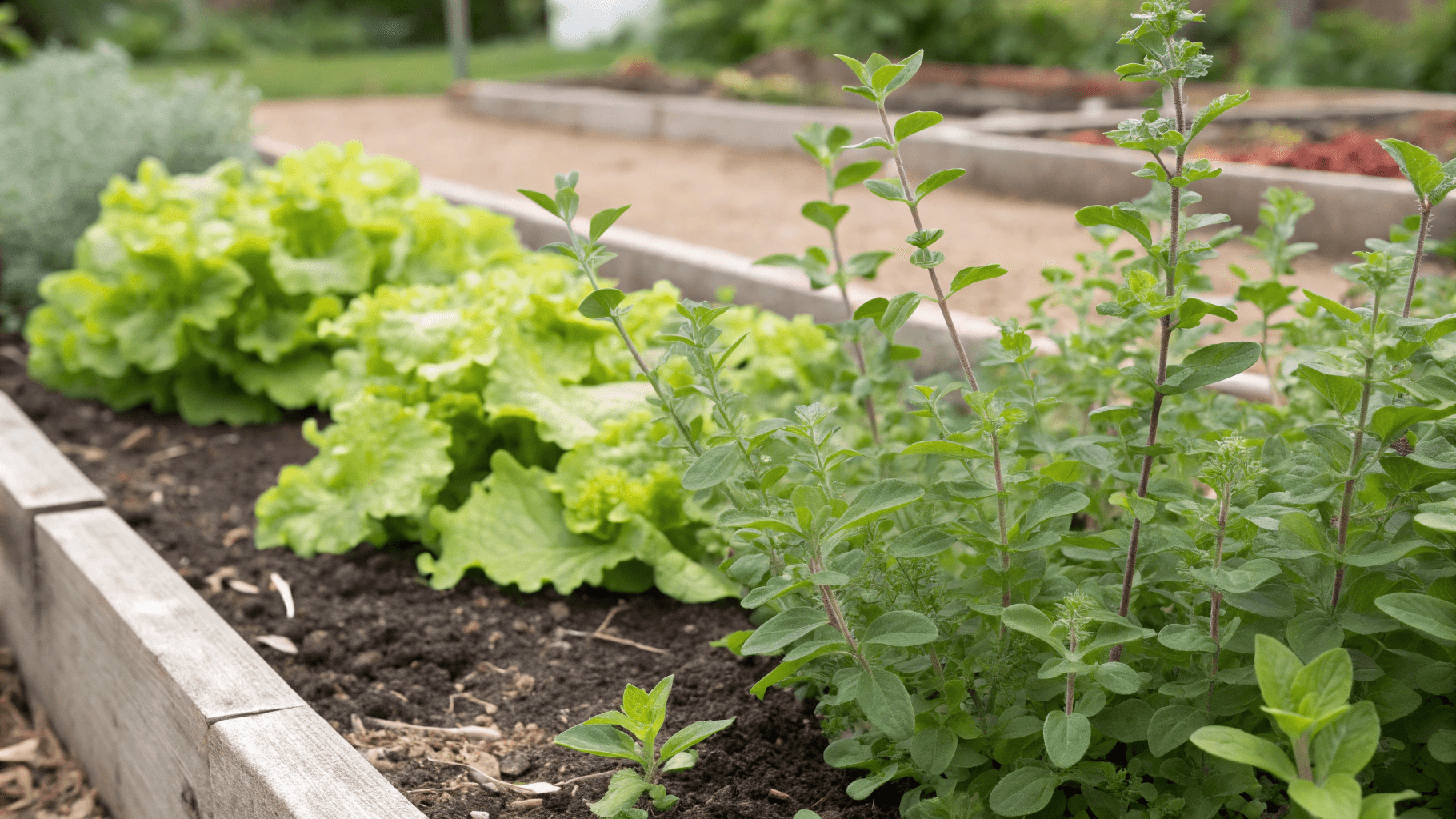
Their benefits include:
- Strong scents that repel aphids, beetles, and caterpillars
- Attraction of predatory insects
- Minimal competition for space and nutrients
Rosemary and sage also provide structure and light shade.
12. Beets and Turnips
Beets and turnips grow well beside lettuce because they have deeper roots and helping aerate the soil. They also create small pockets of shade and make efficient use of space.
Turnips especially help keep soil friable and nutrient-rich.
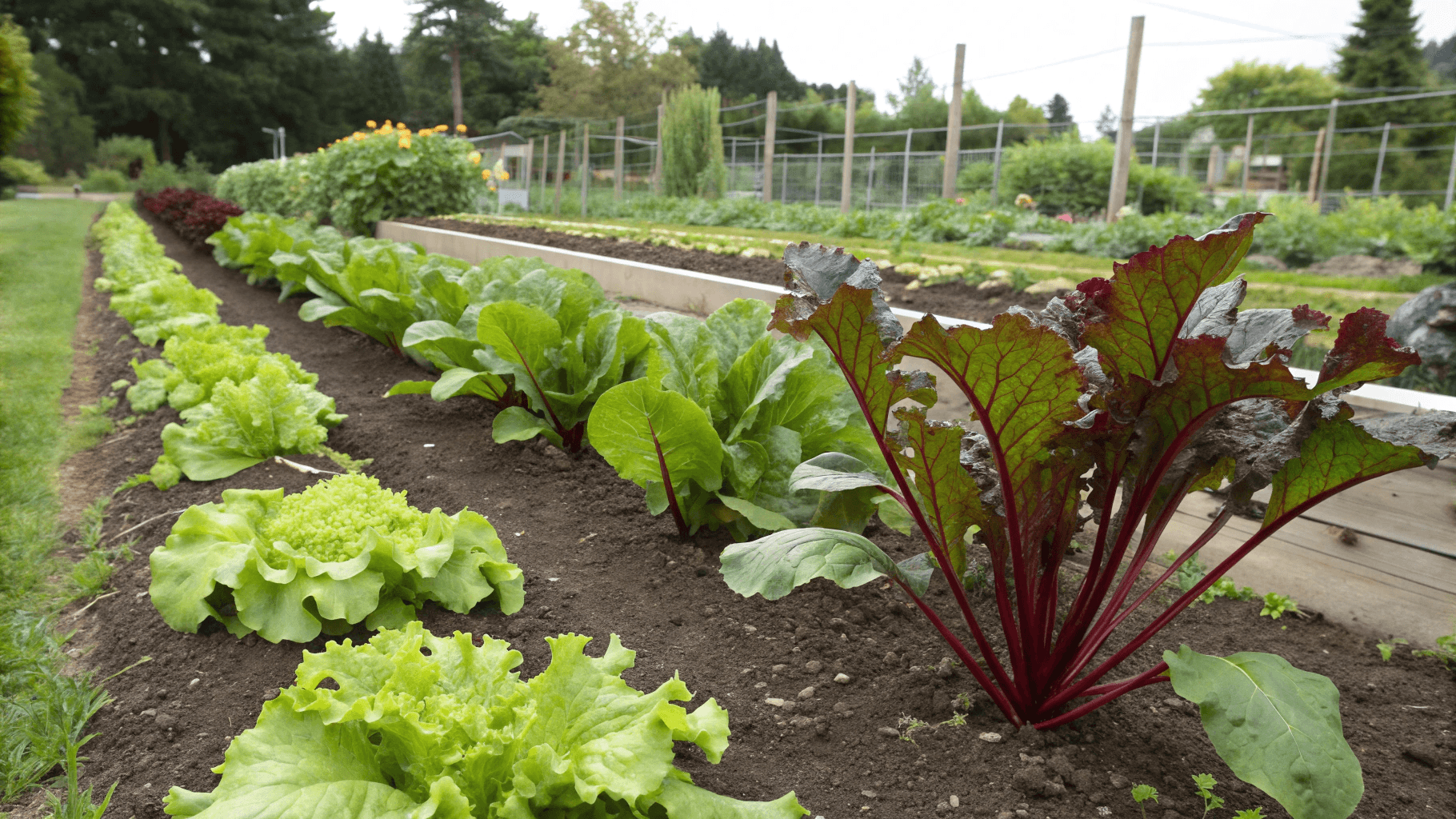
Benefits:
- They don’t compete for nutrients.
- Small beet greens create dappled shade.
- You can harvest beet leaves young without harming the plant.
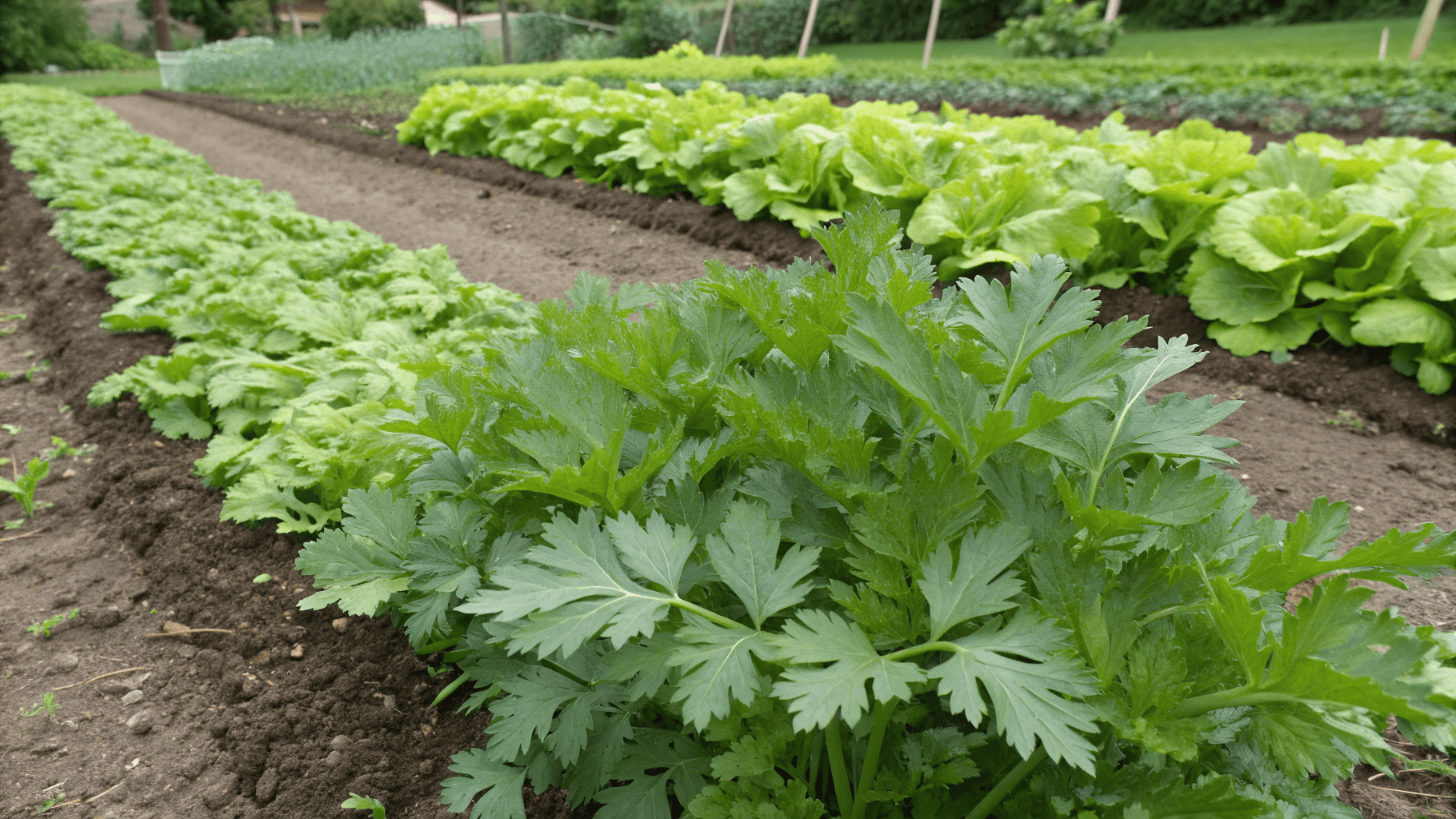
13. Parsnips
Much like carrots, parsnips extend deep into the soil, improving structure without competing with lettuce roots. Their tops provide mild shade in late spring.
14. Peas and Beans
Peas pair especially well because they grow quickly, produce early, and thrive in the same cool-season conditions as lettuce.
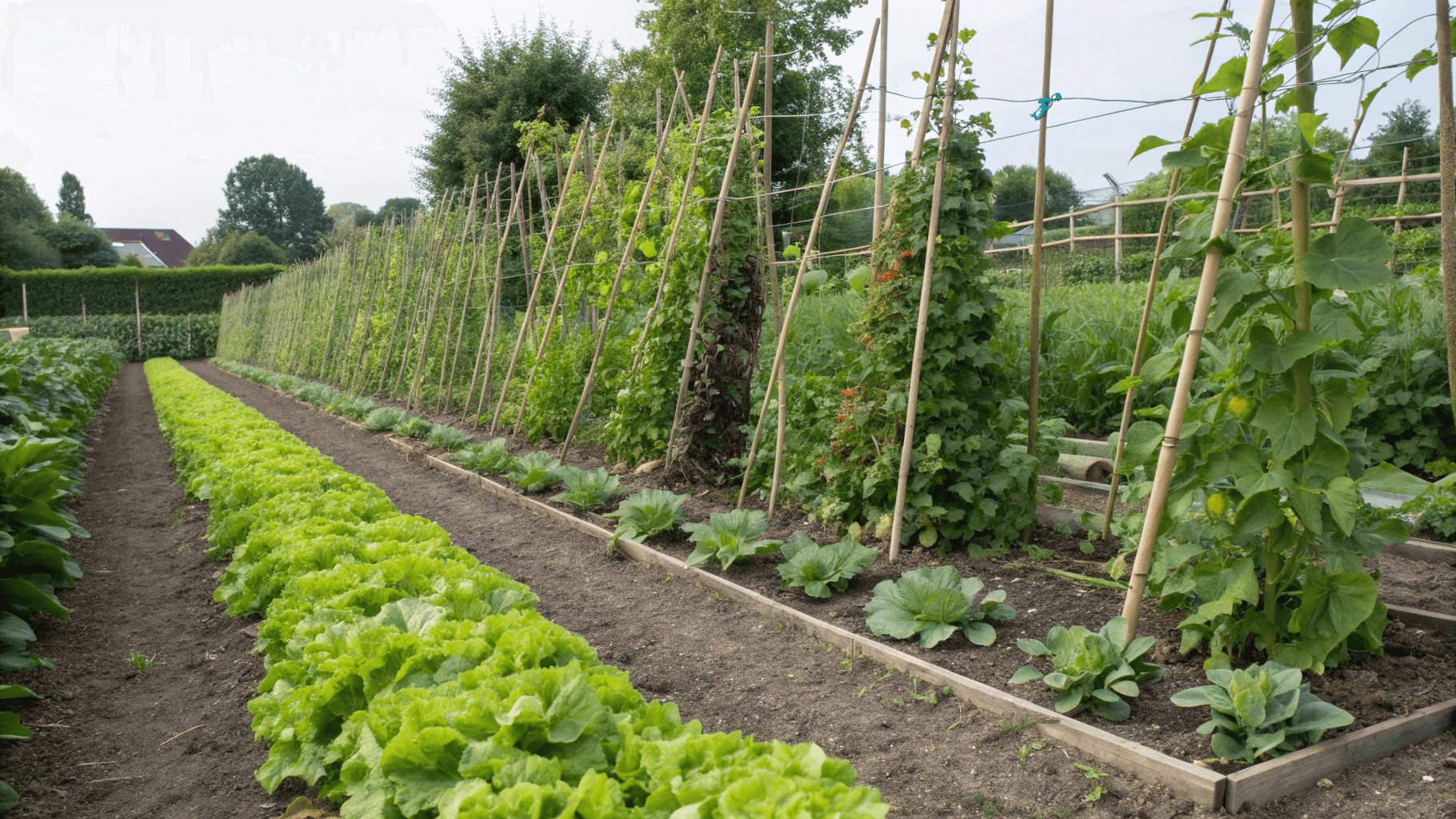
These are some of the most beneficial companions you can plant.
Benefits:
- Fix nitrogen into the soil (natural fertilizer).
- Provide light shade as they climb.
- Pair well in succession planting.
Pole beans or trellised peas offer excellent dappled shade in warming weather.
15. Strawberries
A surprising but effective companion. Strawberries also visually pair beautifully with leafy greens.
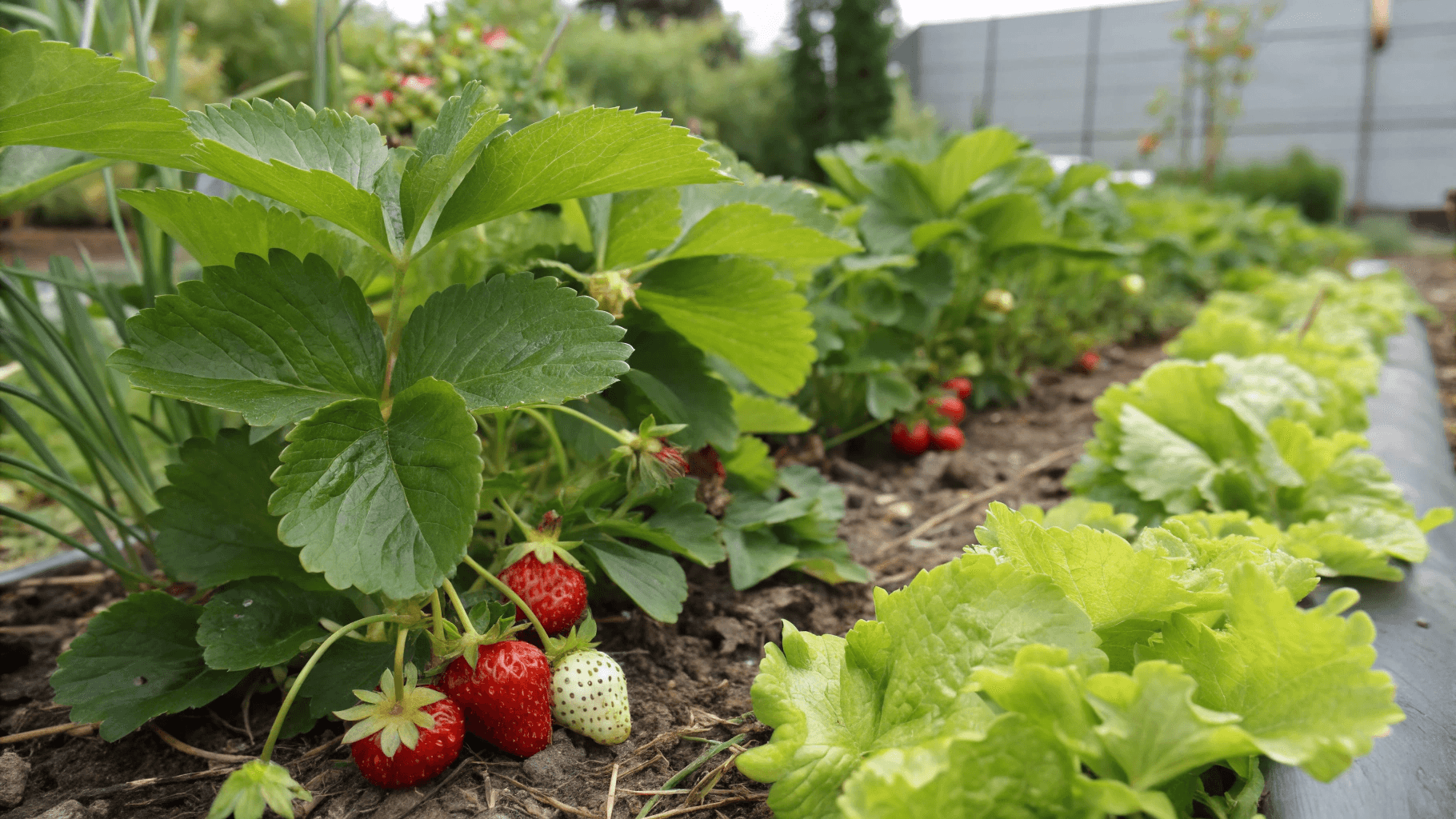
Benefits:
- Lettuce fills in gaps around strawberry plants, preventing weeds.
- Both require similar soil moisture and pH levels.
- Lettuce protects strawberry roots by acting as living mulch.
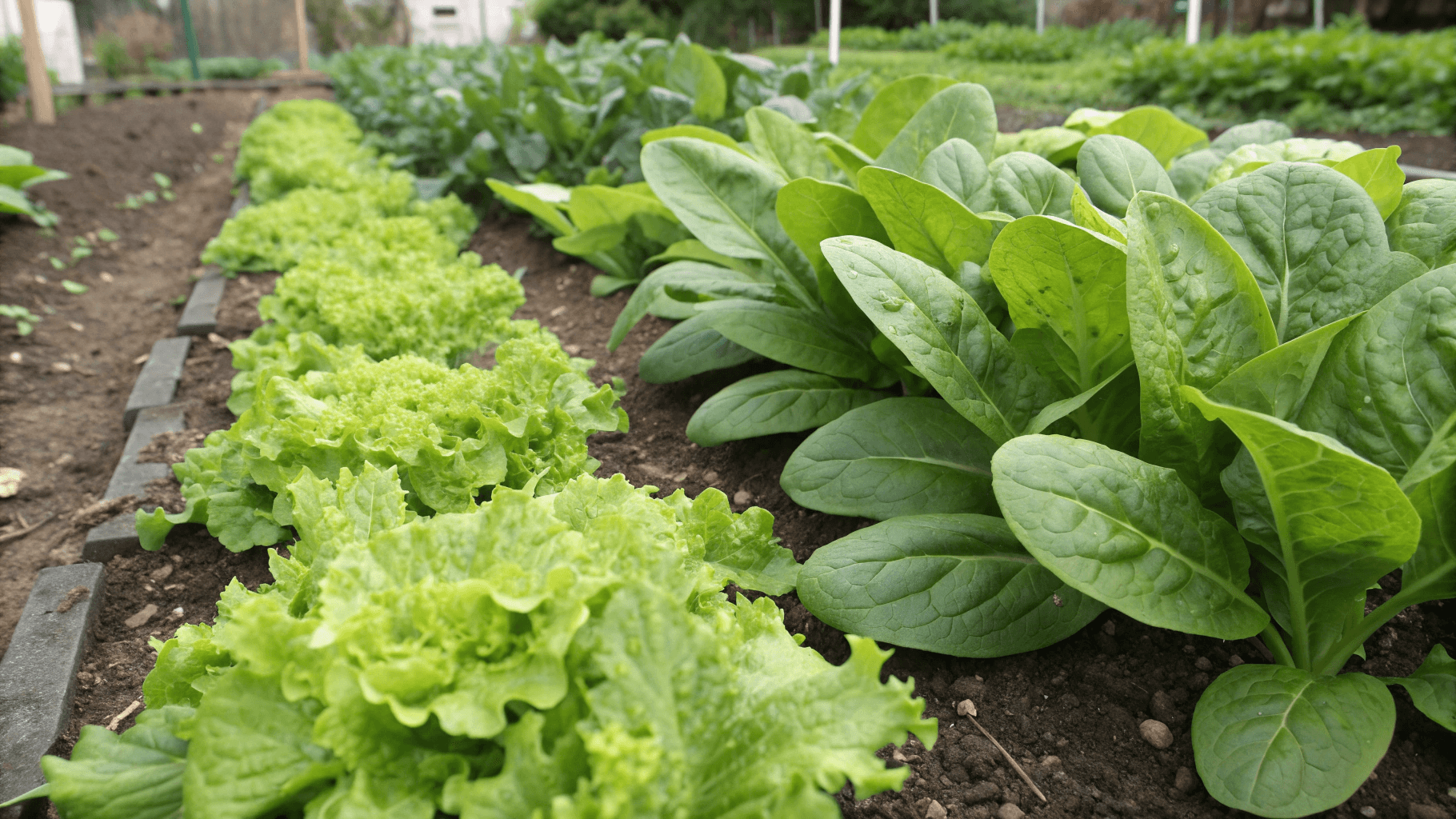
16. Spinach
Spinach and lettuce prefer the same cool temperatures and moisture levels. They grow at similar speeds but don’t crowd each other, making them easy companions in both beds and containers.
Plants That Give Shade to Lettuce
Lettuce is happiest in cool weather. As temperatures rise, it begins to bolt, shooting up a seed stalk and turning bitter. Shade from companion plants helps delay bolting and keeps leaves crisp longer.
Here are the best “living shade providers” for lettuce:
1. Tomatoes
Tomatoes and lettuce grow extremely well together, especially in warm climates.
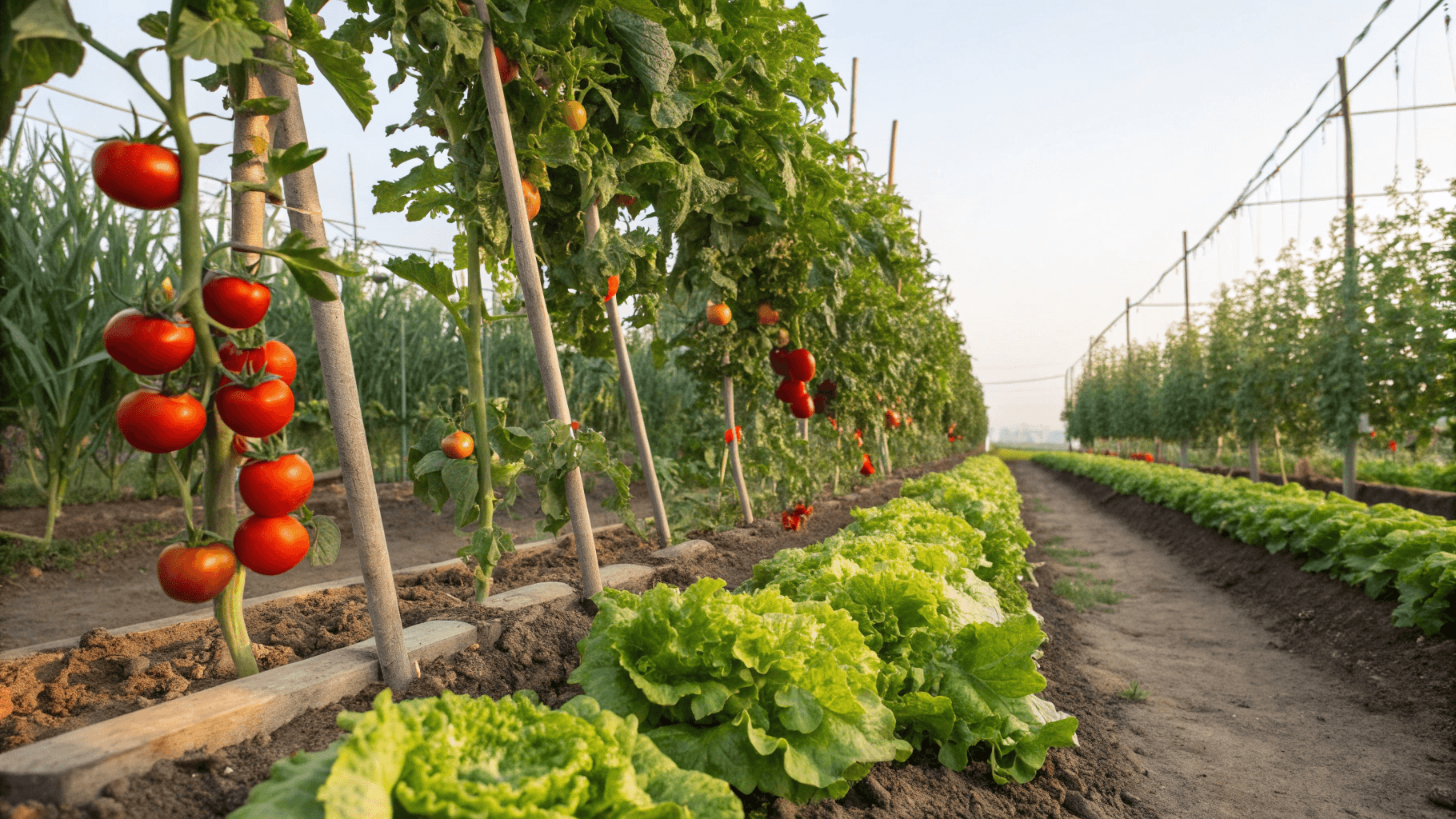
Benefits:
- Tomato vines provide tall, helpful shade at the hottest part of the day.
- Lettuce acts as a moisture-retaining groundcover around tomato roots.
- They don’t compete heavily for nutrients.
Place lettuce on the east side of tomatoes so it gets morning sun and afternoon shade.
2. Corn
While not for every-sized garden, corn creates excellent natural shade and is tall. Plant lettuce along the east side of corn rows so it receives morning sun and afternoon protection.
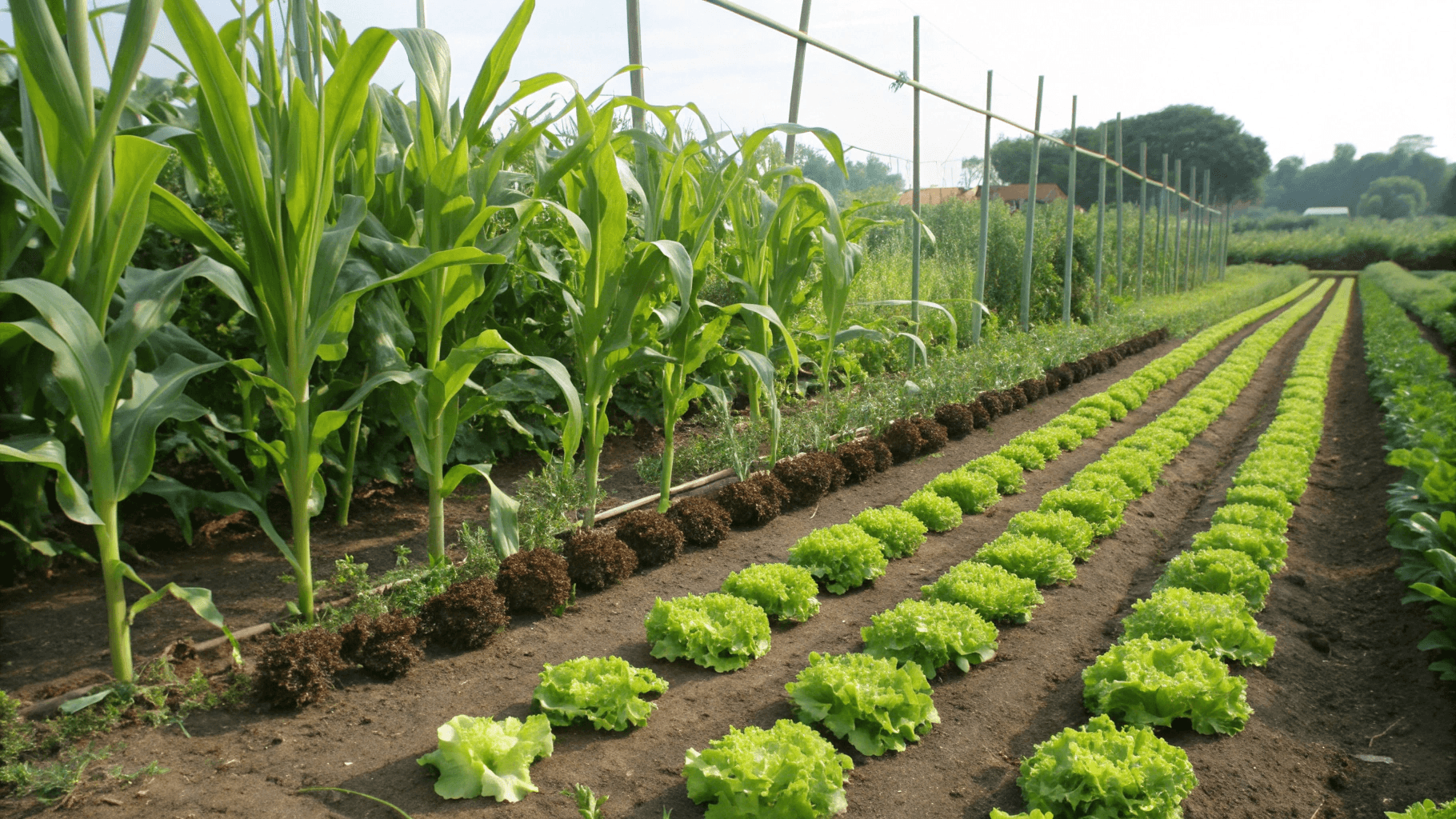
Benefits:
- Tall stalks shelter heat-sensitive greens.
- Corn roots go deep, leaving topsoil resources for lettuce.
- Works wonderfully in Three Sisters-style layouts.
3. Cucumbers (Trellised)
When grown vertically, cucumbers provide cooling shade without overwhelming lettuce.
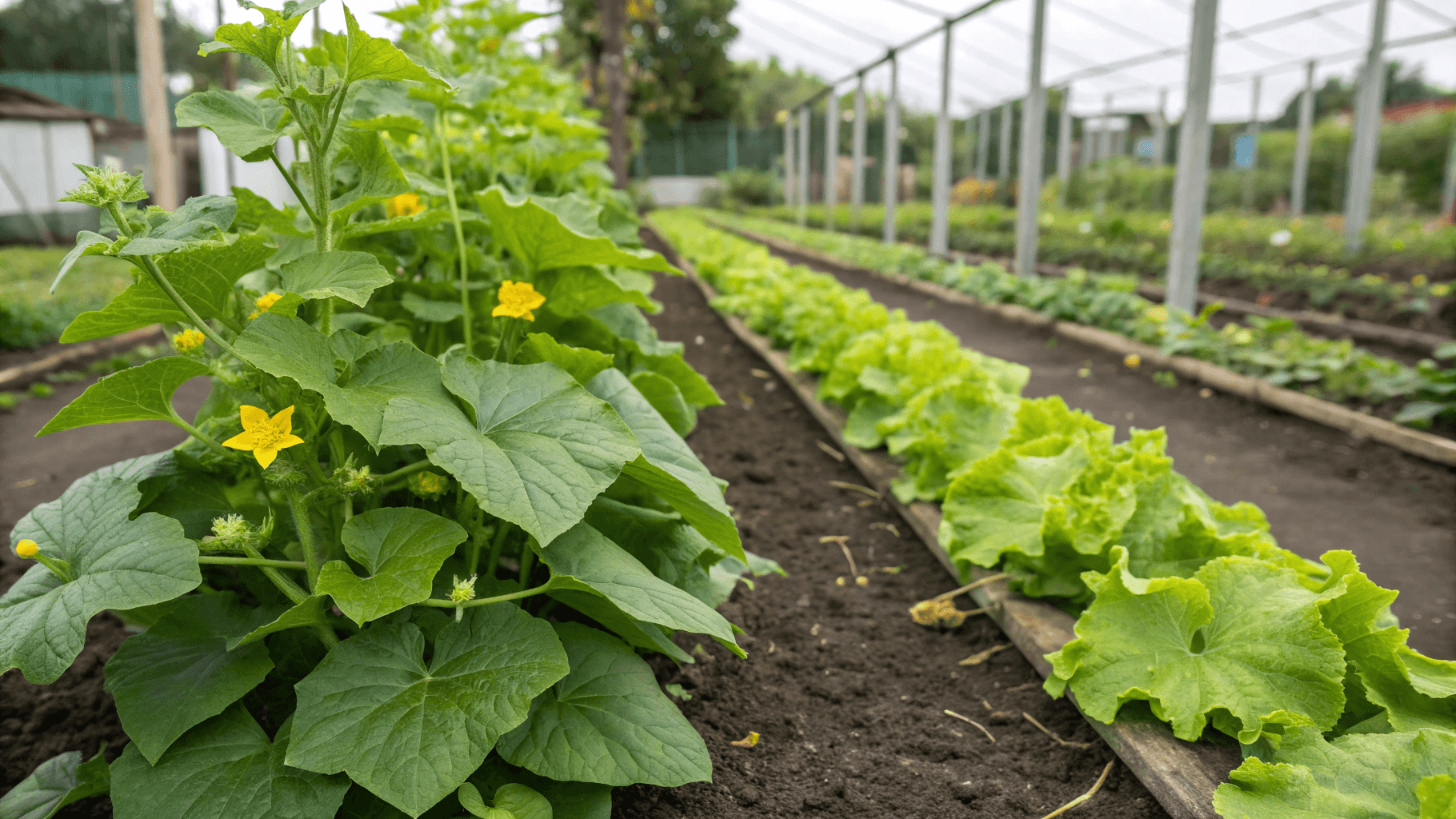
Benefits:
- Gentle afternoon shade helps prevent bitter leaves.
- Cucumbers grow upward rather than outward.
- Both enjoy evenly moist, nutrient-rich soil.
Plants That Improve Soil or Keep Pests Away
Some plants don’t just coexist with lettuce, they actively improve its growing environment.
1. Nasturtiums
These flowers are considered a sacrificial or “trap crop.”
Benefits:
- Attract aphids away from lettuce.
- Attract beneficial predatory insects.
- Add edible leaves and flowers to your kitchen garden.
Plant them along the edges of your beds for maximum benefit.
2. Chamomile
Chamomile is a quiet but powerful companion.
Benefits:
- Its scent repels pests like beetles and aphids.
- Feeds soil with calcium and potassium when cut back.
- Attracts pollinators and parasitic wasps.
Plus, it brings a calming fragrance to the garden.
3. Mint (With Caution)
Mint repels pests extremely well, especially ants, aphids, slugs, and beetles.
BUT: Mint spreads aggressively and can overtake beds. Always plant mint in containers placed near lettuce, not directly in soil.
4. Basil
Basil offers several benefits:
- Repels mosquitoes and flies
- Attracts pollinators
- Improves soil fragrance and microbe activity
- Compact growth pairs well with lettuce spacing
Why Some Plants Are Bad Neighbors for Lettuce
- Competition
- Pest attraction
- Chemical interference (allelopathy)
What NOT to Plant Next to Lettuce
Just as helpful neighbors support lettuce, certain plants stress it or attract pests that target leafy greens.
1. Cabbage and Other Brassicas (Broccoli, Cauliflower, Kale, Brussels Sprouts)
These plants:
- Compete heavily for nutrients
- Attract cabbage worms, slugs, and cutworms that also attack lettuce
- Grow too large, shading lettuce excessively
2. Parsley
Parsley attracts pests like carrot flies and aphids, which easily migrate to lettuce.
3. Celery
Celery and lettuce both attract aphids. Growing them side by side increases the risk of infestation.
4. Fennel
Fennel releases allelopathic compounds that stunt the growth of most vegetables, including lettuce.
5. Sunflowers
- Release compounds that can inhibit nearby plants
- Create too much shade (lettuce needs partial, not full shade)
6. Melons and Squash
Their sprawling vines will quickly overwhelm delicate lettuce plants and block airflow.
Garden Layout Ideas for Companion Planting
You can mix and match the plants above in various garden designs. Here are some simple layout ideas that work well for both beginners and seasoned gardeners.
These layouts work especially well when combined with the basics in Vegetable Gardening for Beginners (a complete beginner guide).
Layout 1: The Shaded Lettuce Strip (Ideal for Hot Climates)
Back row (tall plants): Tomatoes or trellised cucumbers
Middle row: Carrots, beets, or basil
Front row: Lettuce and leaf varieties
This design protects lettuce from afternoon sun while maintaining airflow.
Layout 2: The Pest-Resistant Herb Border
Plant herbs around the edges of your lettuce bed:
- Chives
- Dill
- Cilantro
- Basil
- Chamomile
Then fill the center with lettuce varieties. Add marigolds for extra pest control.
Layout 3: The Quick-Cycle Salad Garden
Use plants that grow at different speeds:
- Radishes (fast)
- Lettuce (medium)
- Carrots (slow)
As you harvest radishes and early lettuce, carrots expand into the space. Perfect for small gardens.
Layout 4: Strawberry and Lettuce Duo
Alternating rows of strawberries and lettuce create:
- Living mulch
- Attractive design
- Efficient use of space
This layout keeps soil moist and weed-free.
Layout 5: Container Garden Companion Mix
In a single large container, combine:
- One cherry tomato plant (center)
- Lettuce around the base
- Basil and chives around the edges
Great for patios and balconies.
Conclusion
Lettuce is a forgiving crop, but choosing the right companion plants can dramatically improve its health, flavor, and productivity. By pairing it with pest-repelling herbs, soil-loosening vegetables, and helpful shade providers, you create a thriving mini-ecosystem in your garden.
The best companions for lettuce include carrots, radishes, marigolds, onions, dill, and chives. Meanwhile, avoid planting it near brassicas, parsley, fennel, and sunflowers.
With the right plant partners, your lettuce will stay crisp longer, resist pests naturally, and grow into a more abundant harvest. Whether you’re designing a small container garden or a full raised bed, companion planting is the easiest way to get healthier, more flavorful greens.

Leave a Reply