
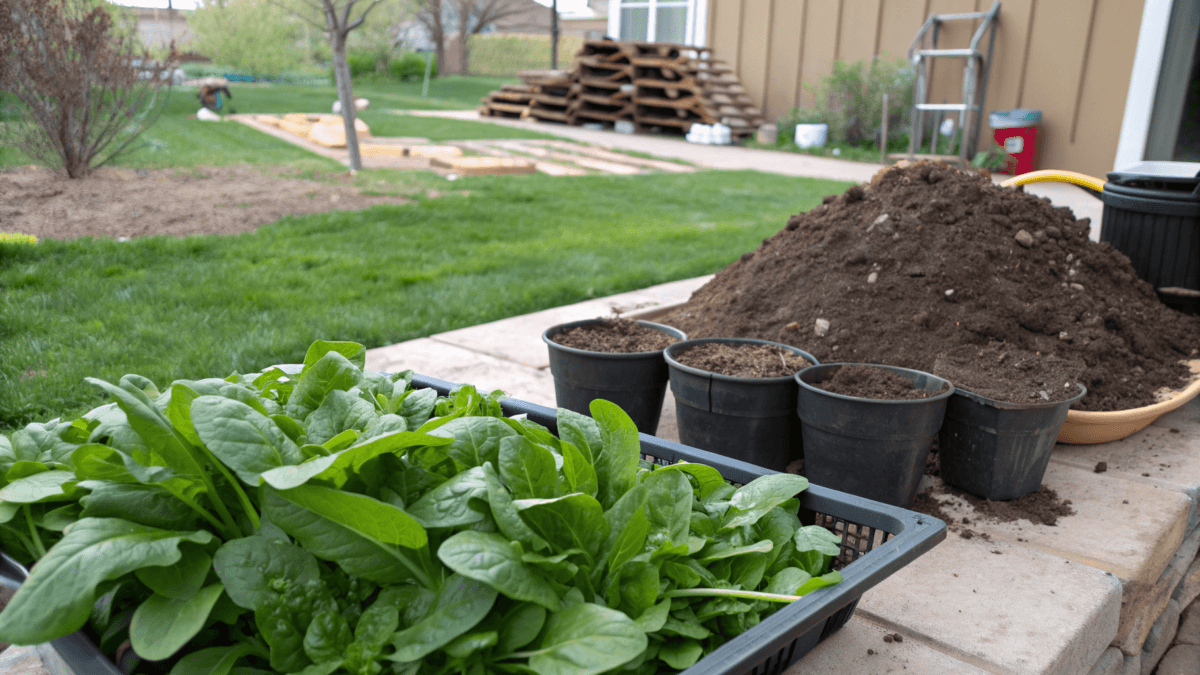
Spinach grows best in loose, well-drained soil that holds moisture without staying soggy.
If you’re wondering what the best soil for growing spinach is, or what the ideal soil requirements are, it comes down to three things: structure, drainage, and a balanced pH.
The ideal soil is rich in organic matter, slightly neutral in pH, and easy for shallow roots to spread through.
Quick starting point:
- Use loose, crumbly soil that drains well but stays evenly moist
- Aim for a soil pH between 6.5 and 7.0
- Avoid compacted beds or heavy clay that stays wet
Once those basics are right, spinach becomes one of the easiest cool-season crops to grow.
If you want the full planting and care overview beyond soil, see my complete guide on how to grow spinach.
Why Soil Quality Matters for Spinach
Spinach grows fast, and most of what you harvest is leaf. That means the plant depends heavily on steady moisture and easy root access to nutrients. Poor soil conditions show up quickly in the leaves.
How Soil Affects Leaf Growth and Flavor
When spinach grows in loose, fertile soil, leaves develop evenly and stay tender. Growth is steady, and the flavor stays mild.
When soil is stressed, compacted, nutrient-poor, or inconsistent in moisture, you’ll often see:
- Small or thin leaves
- Slower growth
- Tough texture
- Bitter flavor
Healthy soil supports steady growth, and steady growth produces better-tasting leaves.
Why Poor Drainage Causes Problems for Spinach
Spinach roots sit mostly in the top 6-8 inches of soil. If that layer stays waterlogged, oxygen disappears from the root zone. Without oxygen, roots slow down or rot.
Poor drainage often leads to:
- Yellowing leaves
- Stunted growth
- Wilting despite wet soil
- Root rot in cooler weather
Spinach prefers evenly moist soil, but never standing water. There’s a big difference between moisture and saturation.
Ideal Soil Texture for Spinach
Texture refers to how soil feels and behaves, whether it’s loose and crumbly or dense and sticky. For spinach, texture matters more than many gardeners realize.
Loose vs Compacted Soil
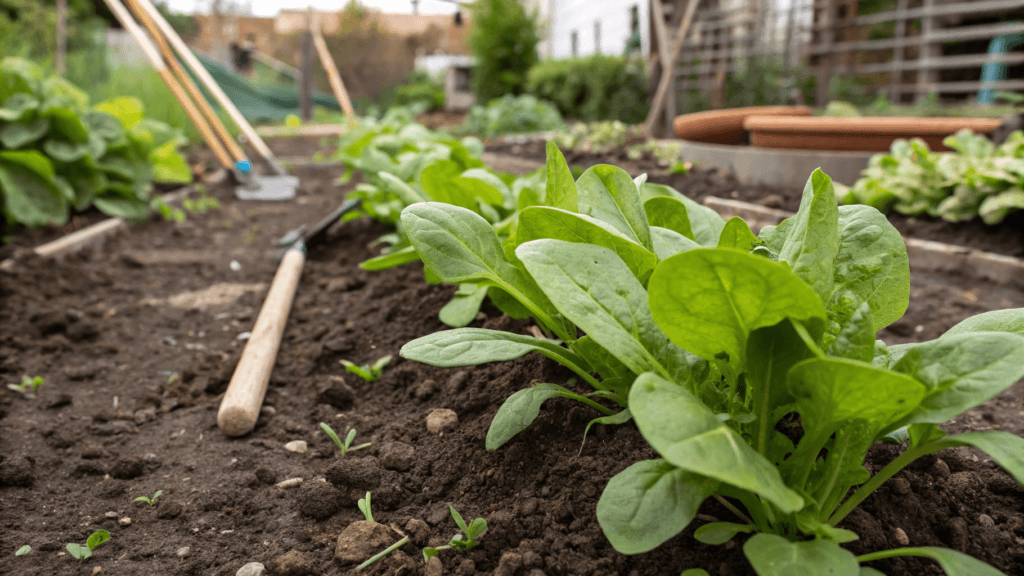
Loose soil allows roots to spread quickly and evenly. You should be able to push your fingers into the soil easily. When squeezed in your hand, it should form a soft clump that breaks apart with light pressure.
Compacted soil feels hard, especially when dry. Water may puddle on the surface instead of soaking in. Seedlings in compacted soil often emerge unevenly.
Signs your soil may be too compacted:
- Water sits on top after rain
- Spinach seedlings struggle to break through
- Roots appear short and twisted when pulled
If you notice these signs, the structure needs improvement before planting again.
Drainage Needs for Shallow Roots
Because spinach roots stay near the surface, the topsoil layer must drain well. If the first few inches are heavy and sticky, roots won’t develop properly.
A simple drainage test works well: Dig a hole about 8 inches deep and fill it with water. Let it drain completely, then fill it again. If water is still sitting after 3-4 hours, drainage is likely too slow for spinach. If it drains within 30-60 minutes but the soil remains slightly damp, conditions are ideal.
Spinach grows best when water drains steadily, but the soil remains slightly damp between waterings. If the surface feels sticky hours after watering, drainage likely needs improvement.
Raised Beds vs In-Ground Soil Differences
Raised beds often provide ideal conditions for spinach because:
- Soil warms earlier in spring
- Drainage is easier to control
- Compaction is reduced
In-ground beds can grow excellent spinach, too, but they need well-prepared soil. If your native soil is heavy clay, raised beds may reduce drainage problems significantly.
Recommended Raised Bed Soil Mix for Spinach
If you’re filling a raised bed from scratch, the mix you choose will determine how evenly spinach grows.
A simple, reliable raised bed mix for spinach:
- 50-60% high-quality screened topsoil or garden soil
- 30-40% finished compost
- 5-10% coarse material (such as coarse sand or fine bark fines) if drainage needs improvement
When the mix is right, water should soak in steadily without pooling, and the surface should remain lightly moist between waterings
Best Potting Mix for Growing Spinach in Containers
Container spinach needs a lighter mix than in-ground beds. Use:
- 60-70% high-quality potting mix
- 30-40% finished compost
- Optional: a small amount of perlite if drainage is slow
Avoid garden soil in pots. It compacts easily and does not stay too wet in containers, which can lead to root rot.
Water should drain freely, but the surface should not dry out within hours.
Best Soil pH Range for Spinach
Soil pH affects how well spinach can absorb nutrients already present in the soil. Even healthy soil can cause problems if the pH is off.
Optimal pH Range for Spinach
Spinach grows best in soil with a pH between 6.5 and 7.0. Slightly neutral soil supports balanced nutrient availability.
If your soil is slightly above or below this range, spinach may still grow, but leaf size and overall vigor may decline.
What Happens in Soil That’s Too Acidic or Too Alkaline
In soil that is too acidic (below 6.0), spinach may show:
- Pale or yellowing leaves
- Slow growth
- Weak plants
In overly alkaline soil (above 7.5), nutrient uptake can also become limited, even if nutrients are present.
How to Check Soil pH
The easiest way to check soil pH is with:
- A simple at-home soil test kit
- A digital soil pH meter
- A lab soil test through your local extension office
Test before planting in early spring or fall. If adjustments are needed, they’re easier to make before seeds go into the ground.
Soil Temperature and Early-Season Soil Conditions
Spinach prefers cool soil, not just cool air. Ideal soil temperature for planting is between 40-65°F (4-18°C). If the soil is too cold and waterlogged, seeds may rot. If the soil is too warm (above 75°F / 24°C), germination becomes erratic, and plants bolt quickly.
Cold, wet soil is one of the most common early spring failures. If the soil feels sticky or forms mud when squeezed, wait a few days before planting.
Soil temperature plays a major role in germination success when growing spinach from seed.
Organic Matter and Soil Structure
Spinach responds very well to soil enriched with organic matter. Compost improves both drainage and moisture retention at the same time, which is exactly what spinach needs.
Why Spinach Benefits From Organic Matter
Organic matter:
- Improves soil texture
- Increases water-holding capacity
- Enhances root development
- Supports microbial activity
Because spinach grows quickly, it performs best when nutrients are available in a steady, natural way. Compost creates that steady support.
Spinach is sensitive to excessive nitrogen. Too much nitrogen can cause very rapid leafy growth that becomes thin and more prone to bolting in warming weather. Compost-based fertility provides a slower, more balanced release than heavy synthetic feeding.
How Compost Improves Soil Texture
In heavy clay soil, compost helps break up dense particles and improves drainage.
In sandy soil, compost increases moisture retention and helps prevent the soil from drying too quickly.
How Much Organic Matter Is Enough
For most garden beds, mixing 1-2 inches of finished compost into the top 6-8 inches of soil before planting is sufficient.
If your soil is extremely poor or compacted, you may need to repeat this process over multiple seasons. Soil structure improves gradually.
How to Prepare Soil for Planting Spinach
Preparation makes a visible difference in spinach growth.
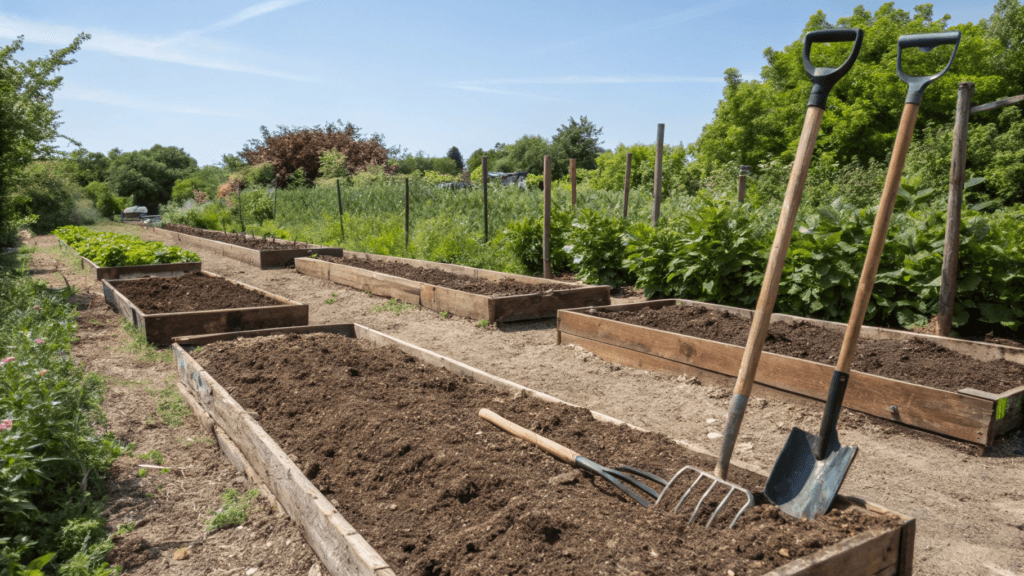
Start by clearing weeds and debris from the planting area. Loosen the soil to about 8 inches deep using a garden fork or broadfork. If the soil breaks into hard plates instead of crumbling, it needs more organic matter. Avoid over-tilling; you want loosened soil, not powder.
Next:
- Remove large clods and stones
- Mix in finished compost evenly
- Level the bed gently
- Water lightly before seeding if the soil is very dry
If your soil tends to form a crust after watering, lightly rake the surface before seedlings emerge. Spinach seedlings are small and can struggle to break through hardened soil, even when seeds germinate successfully below.
If the soil feels sticky or heavy, allow it to dry slightly before working it. Working wet clay can worsen compaction.
For early spring planting, prepare beds as soon as the soil can be worked without sticking to tools.
Common Soil Problems That Affect Spinach Growth
Even experienced gardeners run into soil challenges. Spinach makes those problems obvious quickly.
Heavy Clay Soils
Clay holds water well but drains slowly. In cool seasons, clay can stay wet for too long.
Symptoms in spinach:
- Yellow lower leaves
- Stunted growth
- Roots that look dark or mushy
Clay that cracks deeply when dry but stays sticky when wet usually needs consistent compost additions over time.
To improve clay soil:
- Add compost regularly
- Avoid walking on planting beds
- Consider raised beds for better drainage
Improvement takes time, but consistent organic matter makes a noticeable difference.
Sandy Soils
Sandy soil drains quickly and warms early, but it doesn’t hold moisture well.
In sandy beds, spinach may:
- Wilt quickly
- Develop smaller leaves
- Bolt early in warming weather
If water disappears within minutes of watering, moisture retention needs improvement. Adding compost increases moisture retention and stabilizes growth.
Compacted Garden Beds
Compaction often happens from foot traffic or repeated shallow tilling.
Spinach grown in compacted beds may show:
- Uneven germination
- Weak root systems
- Reduced leaf size
Loosening soil deeply and avoiding stepping in planting rows prevents this issue.
Compacted soil combined with crowding can reduce airflow, which is why proper spinach thinning matters.
Quick Soil Checklist for Spinach
Before planting, run through these simple checks.
Texture Check
- Soil feels crumbly, not hard
- Breaks apart easily in your hand
- Roots can move freely
Drainage Check
- Water soaks in within a few hours
- No standing puddles
- The surface does not stay soggy
pH Check
- Between 6.5 and 7.0
- Tested within the last year
If these three factors are right, spinach usually performs well without complications.
Signs Your Soil Is Supporting Healthy Spinach
Healthy soil produces:
- Even germination
- Upright, deep green leaves
- Steady leaf expansion
- No yellowing between veins
- No standing water after rain
If plants look balanced and uniform, soil structure is likely working in your favor.
Conclusion
The best soil for growing spinach is loose, well-drained, and rich in organic matter, with balanced soil pH and steady moisture. Spinach responds more to balanced soil than to heavy amendments. It simply needs soil that drains properly while holding consistent moisture and allows shallow roots to spread easily.
When soil structure is right, spinach grows quickly, evenly, and with better flavor. Many common spinach problems trace back to soil structure and drainage long before pests or disease are involved.
Focus on texture, drainage, and compost. Get those right, and spinach becomes one of the most reliable cool-season crops in your garden.

Leave a Reply