
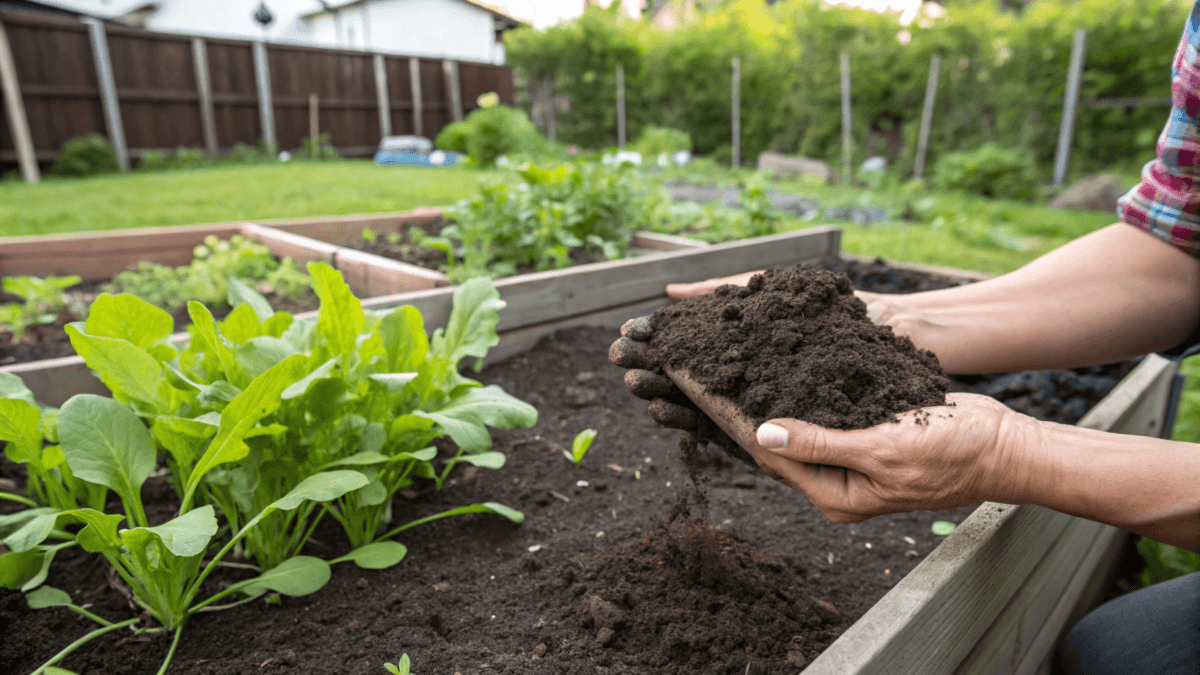
Because arugula is a quick-growing leafy vegetable with shallow roots, soil conditions affect it almost immediately. Within a couple of weeks, you’ll see the difference in leaf size, texture, and bolting speed.
The best soil for growing arugula is loose, well-drained, and rich in organic matter, with a pH between 6.0 and 7.0. Soil should stay evenly moist but never waterlogged, and the top 4-6 inches must remain soft and easy for shallow roots to spread.
Quick answer:
- Use loose, crumbly soil that drains well but holds moisture
- Keep pH between 6.0 and 7.0
- Mix in 1-2 inches of compost before planting
- Avoid fresh manure and heavy synthetic feeding
- Never use straight garden soil in containers
If you want a full guide covering planting, spacing, and harvesting, see how to grow arugula step by step.
Why Soil Quality Matters for Arugula Growth
Arugula has shallow, fine roots. Most of its root system stays within the top 4-6 inches of soil. That means it depends heavily on the condition of the surface layer. If that layer is compacted or low in nutrients, the plant struggles right away.
Because of this shallow root zone, even small changes in surface soil conditions can quickly affect plant health and growth.
Soil quality directly affects:
- Leaf size and growth speed: Rich, loose soil allows rapid leaf expansion. Poor soil slows cell growth, resulting in narrow, stringy leaves.
- Flavor: Soil stress intensifies natural pepperiness.
- Bolting risk: Soil stress, especially poor moisture balance and compaction, can trigger early flowering.
Unlike deeper-rooted greens, arugula has little tolerance for poor structure or inconsistent moisture, which makes soil preparation especially important.
Summary Table
| Factor | Ideal Condition |
|---|---|
| pH | 6.0-7.0 |
| Soil Type | Loose, well-drained |
| Root Depth | Top 4-6 inches |
| Compost | 1-2 inches before planting |
| Moisture | Even, never waterlogged |
Why Soil Directly Affects Arugula Flavor
Arugula’s peppery flavor is a natural defense response that intensifies under stress. When soil conditions are poor, especially dry, compacted, or nutrient-imbalanced, the plant produces stronger, sharper-tasting leaves.
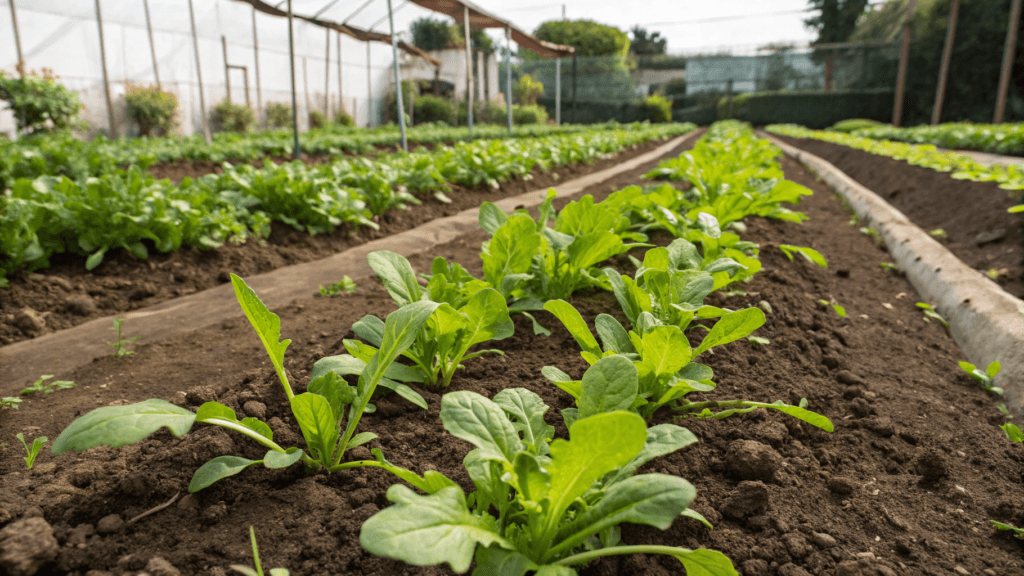
In well-balanced soil with consistent moisture, arugula grows quickly and produces milder, more tender leaves. This is why soil quality affects not just growth, but also taste.
Ideal Soil Texture for Arugula
Arugula prefers loose, friable soil, the kind that crumbles easily in your hand. If you squeeze a handful and it forms a tight, sticky ball, it’s too heavy. If it falls apart like dry sand and won’t hold its shape at all, it’s too loose.
Quick Soil Texture Test:
Take a handful of slightly moist soil and squeeze it
- If it forms a hard, sticky ball – too much clay
- If it falls apart immediately – too sandy
- If it holds shape but crumbles easily – ideal for arugula
Loose Vs. Compacted Soil
Loose soil allows:
- Quick root spread
- Even moisture distribution
- Good airflow around roots
Compacted soil restricts oxygen and root movement. You’ll see slower growth and more stress-related bitterness.
Why Good Drainage Matters
Arugula roots dislike sitting in water. Constant saturation reduces oxygen, weakens roots, and increases disease risk. Leaves may look pale or dull even when the soil seems moist.
The goal isn’t dry soil; it’s soil that drains excess water while still holding consistent moisture.
Heavy Clay Soil Challenges
Clay soil holds water well, but it drains slowly and compacts easily.
In heavy clay:
- Roots stay shallow and restricted
- Surface crusting can block seedlings
- Fungal problems increase
Clay isn’t unusable, but it needs organic matter to loosen it. Repeated shallow cultivation without organic matter often makes clay worse over time.
Sandy Soil Behavior
Sandy soil drains quickly and warms fast, which can be helpful in spring. However, it dries out quickly and doesn’t hold nutrients well.
In sandy soil:
- Growth may start fast but stall
- Leaves can turn small and spicy
- Water stress happens quickly
Adding compost helps sandy soil retain moisture and nutrients without becoming dense.
Best Soil pH for Growing Arugula
Arugula grows best at a pH between 6.0 and 7.0. Slightly acidic to neutral soil supports steady nutrient uptake and healthy leaf color.
If Soil Is Too Acidic (Below 6.0)
You may notice:
- Pale or yellowish leaves
- Slower growth
- Reduced leaf size
Strong acidity can limit the availability of key nutrients like nitrogen and magnesium, even if they’re present in the soil.
If Soil Is Too Alkaline (Above 7.5)
In alkaline soil:
- Iron uptake becomes limited
- Leaves may show yellowing between veins
- Growth slows
pH affects nutrient uptake efficiency. When pH is balanced, plants can use what’s already in the soil. When it’s off, feeding more doesn’t fix the underlying problem.
How to Test Your Soil Before Planting Arugula
You don’t always need a lab test for arugula, but basic testing helps if you’ve had poor growth before.
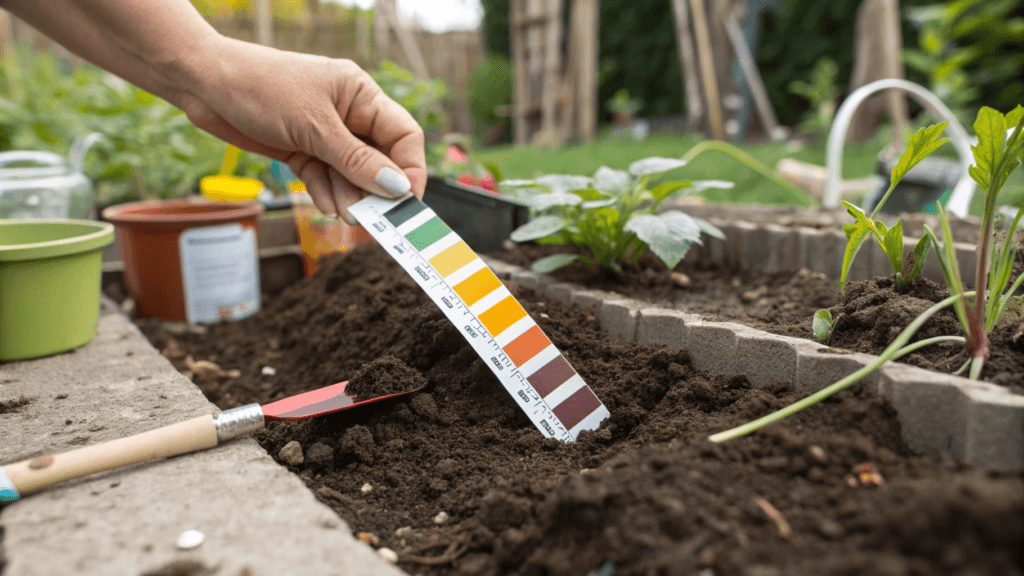
Simple At-Home Tests
- Use a basic pH test kit or probe meter
- Check soil texture by squeezing moist soil in your hand
- Observe drainage after watering (water should soak in within minutes, not sit)
What Results Mean for Arugula
- If pH falls between 6.0 and 7.0, you’re in good shape.
- If the soil feels hard and dense, add organic matter before planting.
- If water pools or runs off instead of soaking in, soil structure needs improvement.
When Testing Matters Most
Testing matters most when:
- You’re planting in the same spot repeatedly
- Growth has been weak or bitter
- You’re unsure about soil history
If you’re growing in fresh raised bed soil or high-quality potting mix, detailed testing is usually optional.
Improving Soil for Arugula Before Planting
Organic matter is the key to growing leafy greens well. It improves structure, drainage, moisture retention, and nutrient availability at the same time.
Best Soil Amendments for Arugula
Because arugula is grown for its leaves, moderate nitrogen supports steady growth, but excess nitrogen can intensify flavor and weaken structure.
- Compost: The most reliable amendment. It loosens clay, stabilizes sand, and adds steady nutrients.
- Well-Rotted Manure: Adds nitrogen and organic material. Must be fully composted and aged.
- Leaf Mold: Improves moisture retention and soil structure without making soil heavy.
Avoid repeatedly adding compost between very short successions without lightly mixing it in. Layers of uncomposted organic material can create uneven drainage at the surface.
How Much Is Enough?
For in-ground beds:
- Mix 1-2 inches of compost into the top 6 inches of soil before planting.
More isn’t always better. Extremely rich soil can encourage overly soft growth and a stronger flavor. Moderate improvement works best for arugula.
If the soil is already dark, crumbly, and productive, a light top-dressing is enough.
Best Soil Mix for Container Arugula
Containers require a different approach because drainage and compaction happen faster.
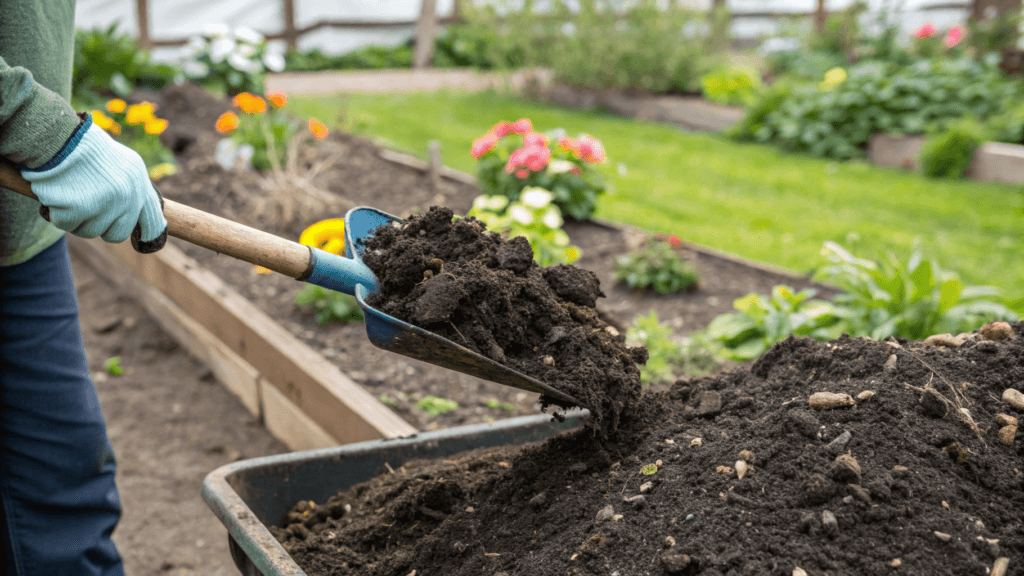
Never use straight garden soil in pots. It compacts, drains poorly, and suffocates roots.
A reliable container mix includes:
- 70-80% high-quality potting mix
- 20-30% finished compost
The mix should feel light and springy, not heavy or sticky. When watered, excess moisture should drain freely through the bottom.
Containers dry out faster than garden beds, so consistent watering is just as important as soil quality.
To avoid compaction:
- Do not press the soil down firmly when planting
- Refresh or loosen top layers between plantings
Container soil loses structure faster than garden beds, so it needs refreshing every season or after two to three plantings.
Can Arugula Grow Well in Containers?
Yes, arugula grows very well in containers as long as the soil stays loose and evenly moist. Because roots are shallow, containers only need moderate depth, but soil quality becomes even more important.
Poor drainage or compacted soil affects container-grown arugula faster than in-ground plants.
Amendments to Avoid When Growing Arugula
Some soil inputs cause more harm than good.
Fresh Manure
Fresh manure can:
- Burn roots
- Introduce pathogens
- Causes excessive leafy growth with a harsh flavor
Only use fully composted manure.
Overuse of Synthetic Fertilizers
High nitrogen boosts fast growth but can create:
- Weak, floppy leaves
- Stronger peppery taste
- Salt buildup in soil
Arugula doesn’t require heavy feeding in good soil.
Soil Additives That Disrupt Flavor
Excessive quick-release fertilizers or poorly balanced amendments often push rapid, stressed growth. When growth is uneven, flavor becomes more intense.
Steady, moderate fertility produces the best texture and taste.
Can Arugula Grow in Poor or Unimproved Soil?
Yes, but results vary.
In low-quality soil, you’ll typically see:
- Smaller leaves
- Slower growth
- Increased bitterness
- Early bolting
Arugula is somewhat forgiving because it grows quickly. In cool weather, it can tolerate less-than-ideal soil better than during warm conditions.
Soil improvement becomes necessary when:
- Leaves remain narrow and stunted
- Plants bolt before reaching usable size
- Repeated plantings decline in quality
Improving the soil once can noticeably improve every future planting.
Best Soil for Arugula in Raised Beds
Raised beds are ideal for arugula because they allow full control over texture and drainage.
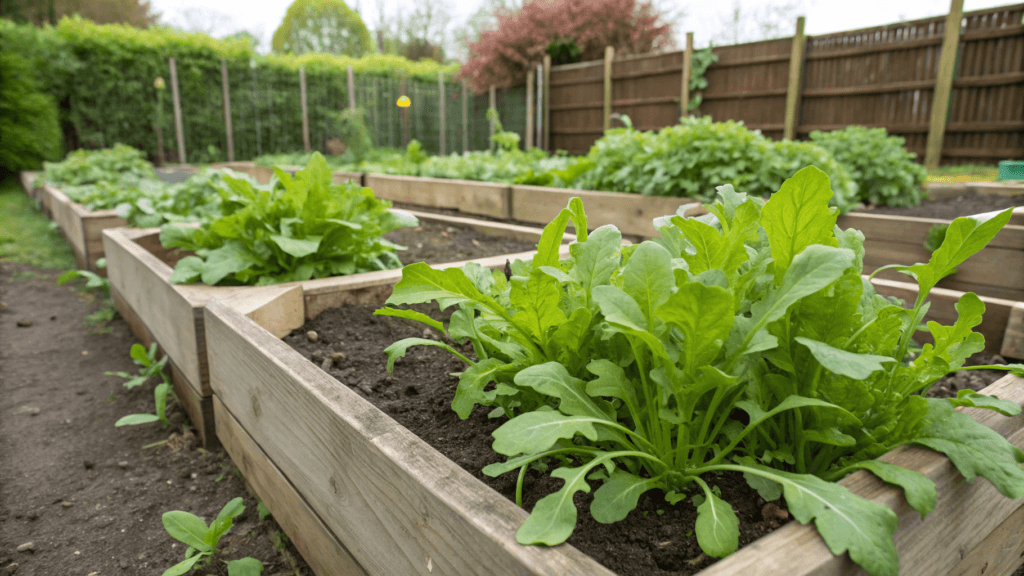
A good raised-bed soil mix should:
- Drain well but hold moisture
- Contains ample organic matter
If filling a new raised bed, aim for:
- 50-60% high-quality topsoil
- 30-40% compost
- 10-20% aeration material if needed (like coarse composted bark)
Avoid using only compost; it settles and compacts over time.
Between plantings, refresh the soil by:
- Adding 1 inch of fresh compost
- Lightly loosening the top layer
- Removing old roots and debris
Because arugula is often succession-planted, maintaining soil structure between cycles is important.
Soil Problems That Lead to Bitter or Tough Arugula Leaves
When arugula tastes overly sharp, or leaves feel tough, soil stress is often involved.
Compacted Soil
Restricted roots create stress. Early signs include:
- Slowed growth
- Leaves standing upright and narrow
- Surface crusting
Poor Drainage
Roots that stay wet become weak. Signs include:
- Dull leaf color
- Slower regrowth after cutting
Nutrient Imbalance
Too little nitrogen results in pale leaves and slow growth. Too much can create an overly strong flavor.
Early warning signs before flavor declines:
- Uneven growth across the bed
- Yellowing between veins
- Sudden increase in spiciness during moderate temperatures
Correcting soil structure often improves flavor more effectively than feeding.
How Soil Conditions Change Between Spring and Fall Plantings
Spring soil is often cooler and holds more moisture. Fall soil is warmer and may be drier after summer crops.
Warm soil combined with long daylight hours increases stress signals in the plant, which directly intensifies flavor.
That’s why seasonal soil management matters.
In spring:
- Ensure drainage is good if the soil stays wet
- Avoid over-amending heavy soil
In fall:
- Add compost to replenish nutrients depleted over the summer
- Check moisture retention, especially in sandy soil
Fall-grown arugula often tastes milder because cooler air temperatures reduce stress and slow flavor intensification. Healthy soil supports that steady growth pattern.
In warm or drying conditions, a thin layer of mulch (such as shredded leaves or fine compost) can help stabilize surface moisture and prevent crusting. Because arugula roots stay shallow, protecting the top inch of soil makes a noticeable difference in growth speed and leaf tenderness.
Conclusion
The best soil for growing arugula is loose, fertile, well-drained, and slightly acidic to neutral. When soil structure and pH are balanced, arugula grows quickly, produces broad, tender leaves, and resists premature bolting.
Because arugula has shallow roots and a short growing cycle, soil quality shows its effects almost immediately. A small investment in compost and proper preparation leads to noticeably better harvests.
If leaves are small, bitter, or slow-growing, start by checking soil texture and drainage before adjusting anything else. Healthy soil solves most arugula problems before they begin.

Leave a Reply