
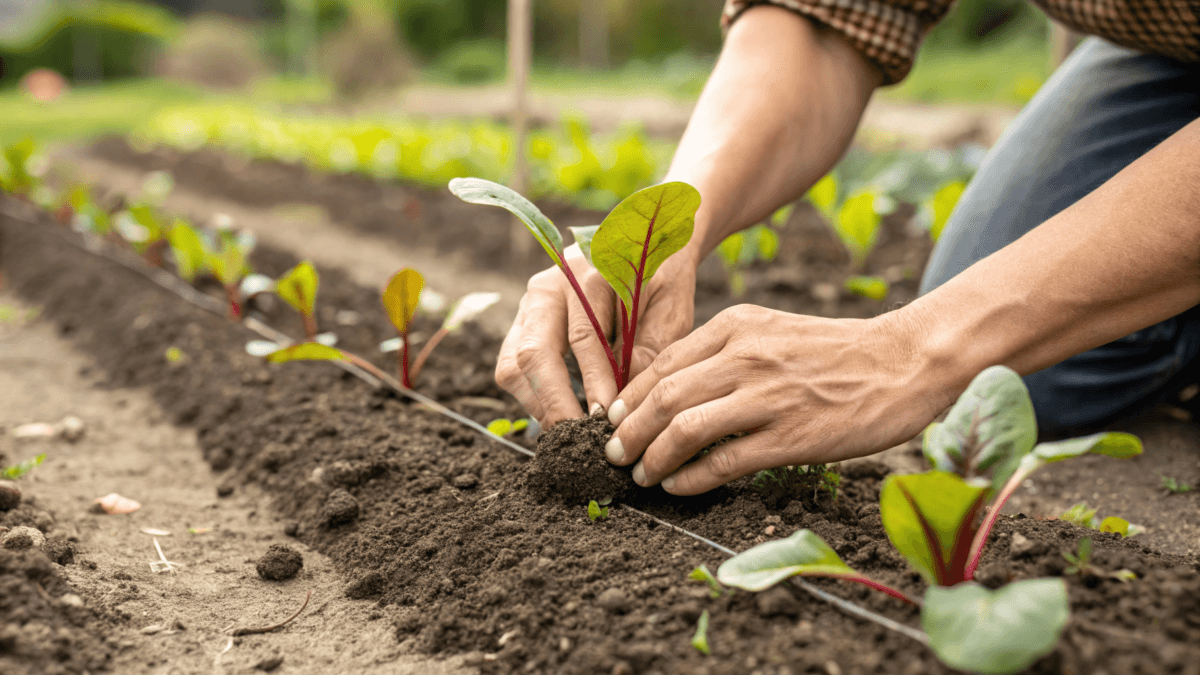
Swiss chard is one of the most flexible leafy greens you can grow, but planting at the right time makes a clear difference in leaf quality, growth speed, and how long your harvest lasts. In most climates, the best times to plant Swiss chard are early spring and late summer for a fall harvest. It can also be planted in summer in many regions, especially if you plan for heat.
So, when to plant swiss chard? The best time to plant Swiss chard is early spring (2-4 weeks before the last frost) and again in late summer (6-8 weeks before the first frost). Seeds germinate best when soil temperatures are above 50°F (10°C), and plants grow most actively in mild temperatures between 55-75°F (13-24°C).
Once you understand how temperature affects germination and early growth, you can adjust planting windows to fit almost any climate.
If you want a complete guide covering planting, spacing, watering, and harvesting, see how to grow Swiss chard.
Quick Swiss Chard planting guide:
- Spring: 2-4 weeks before last frost
- Summer: Possible with moisture and shade
- Fall: 6-8 weeks before first frost
- Soil temp: Above 50°F (10°C) Best growth: 55-75°F (13-24°C)
Why Planting Time Matters for Swiss Chard
Swiss chard is more forgiving than lettuce or spinach, but timing still matters.
When planted too early in cold soil, seeds germinate slowly or unevenly. Young plants may stall and sit in place for weeks. When planted too late into rising heat, seedlings struggle to establish roots before temperatures climb.
Unlike spinach, Swiss chard tolerates moderate heat without bolting quickly. Unlike lettuce, it doesn’t turn bitter at the first sign of warm weather. That flexibility is what makes it such a reliable crop. But even a tough plant performs best when established in mild conditions.
Planting at the right time affects leaf size, tenderness, and overall growth rate, and reduces early stress.
Why Swiss Chard Is More Flexible Than Other Leafy Greens
Unlike spinach or lettuce, Swiss chard has a deeper root system and higher heat tolerance. This allows it to continue growing in conditions that would cause other leafy greens to bolt or turn bitter.
This flexibility is why Swiss chard can be planted across multiple seasons, but it still performs best when established in mild temperatures before extreme heat or cold.
Best Time to Plant Swiss Chard in Spring
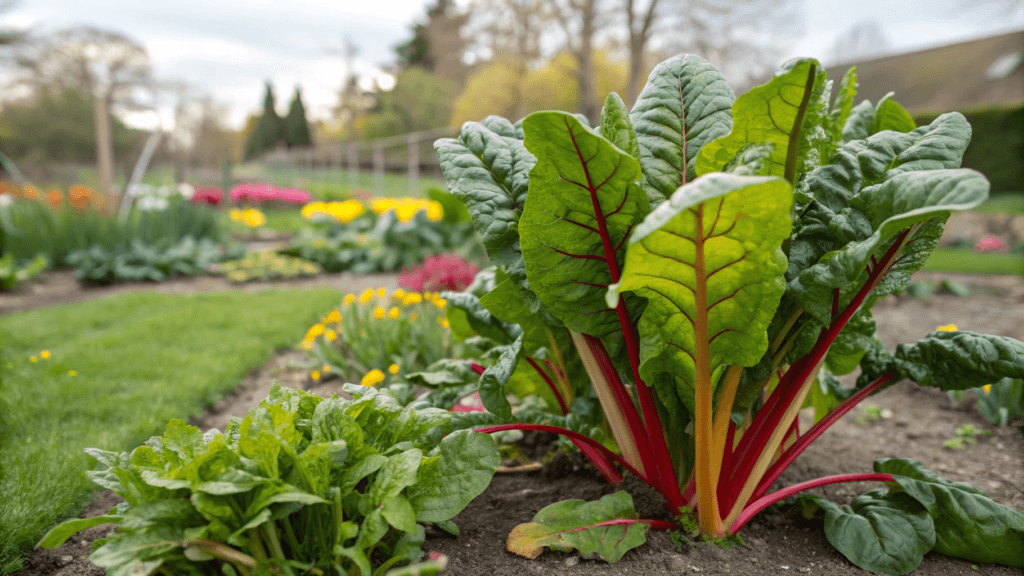
Spring is the most common planting season because Swiss chard tolerates light frost and cool temperatures once established.
Minimum Soil Temperature for Planting
Seeds germinate best when soil temperatures are between 50°F and 85°F (10 °C and 30 °C). Germination slows below 50°F and becomes unreliable in cold, wet soil.
If the soil is barely above freezing, seeds may sit for weeks before sprouting, and during that time, rot can occur.
A simple soil thermometer inserted 2 inches deep in the morning gives a reliable reading.
Ideal Air Temperature Range for Early Growth
Once seedlings emerge, daytime temperatures between 55-75°F (13-24°C) produce the best early growth. Plants establish strong roots before summer heat arrives.
Cool air encourages steady leaf development without stress.
Frost Tolerance of Young Plants
Swiss chard seedlings tolerate light frost once they have true leaves. Temperatures down to about 28°F (-2°C) may cause minor leaf damage but rarely kill plants.
If a hard freeze is expected right after planting, wait or use row cover.
When Spring Planting Produces the Best-Quality Leaves
Spring-planted chard produces tender, vibrant leaves if allowed to mature before peak summer heat. Early planting gives plants time to bulk up before temperatures rise above 85°F. Larger spring-established plants tolerate summer heat far better than late-started seedlings.
In many regions, planting 2-4 weeks before the last frost date works well because the soil has begun warming, but extreme heat is still months away.
Can You Plant Swiss Chard in Summer?
Yes, in many climates you can plant Swiss chard in summer, but expectations should shift slightly.
Swiss chard handles heat better than spinach or lettuce and continues producing through moderate warmth. However, extreme heat slows growth and can make leaves slightly thicker.
Temperature Limits for Summer Planting
- Germination slows when soil temperatures exceed 90°F
- Established plants tolerate heat into the mid-90s
If planting in midsummer, focus on soil moisture consistency during germination.
How Summer Planting Affects Leaf Texture and Growth Rate
Leaves grown in intense heat may be slightly firmer and grow more slowly. That is a normal stress response, not failure.
Growth improves as temperatures moderate.
Situations Where Summer Planting Makes Sense
Summer planting works well:
- In mild coastal climates
- In northern regions with shorter warm seasons
- When planting for a strong fall crop
- When replacing spring crops that have finished
In hot southern climates, late summer is usually better than peak midsummer.
When to Plant Swiss Chard for a Fall Harvest
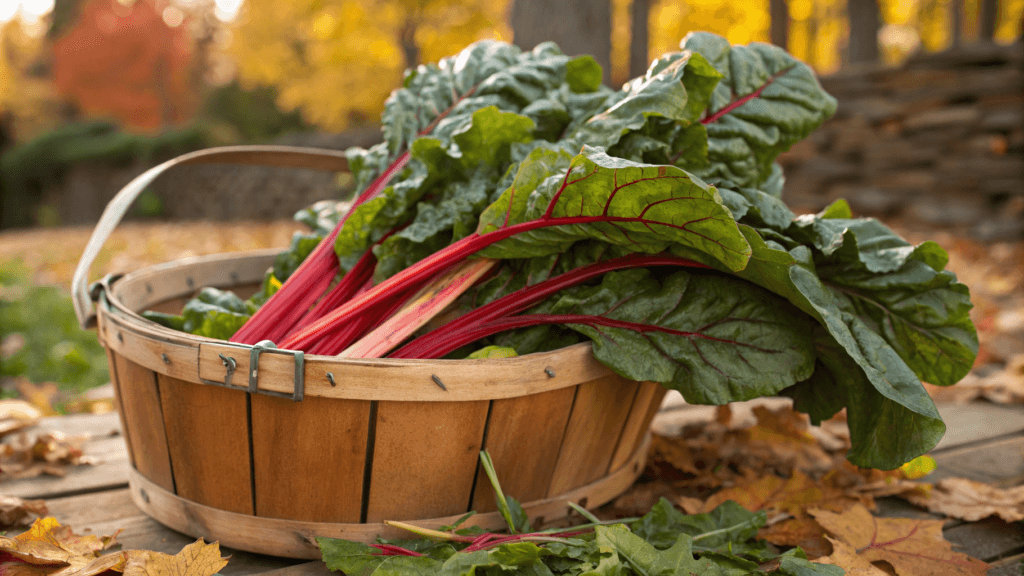
Fall is often the best season for Swiss chard. Cooler temperatures improve texture and flavor, and plants can continue producing until hard frost.
Why Fall Is Often the Best Season
As days shorten and temperatures drop into the 60-70°F range, leaves grow more slowly but stay tender. Flavor becomes slightly sweeter and more balanced.
Cool nights reduce plant stress. Leaves stay tender longer and don’t toughen as quickly as in peak heat.
How to Count Backward From First Frost
Swiss chard takes about 50-60 days to reach full leaf production. Count back 6-8 weeks from your average first frost date to determine fall planting time.
Because Swiss chard tolerates light frost, you don’t need to harvest before the first mild freeze.
Fall Planting vs Spring Planting Comparison
Spring planting focuses on fast early growth before the heat. Fall planting focuses on long-lasting, steady harvest in cool weather.
Many experienced gardeners consider fall the superior season for leaf quality.
Swiss Chard Planting Times by Climate Zone
Planting windows vary by region more than by calendar date.
| Climate | Spring Planting | Fall Planting | Notes |
|---|---|---|---|
| Cool (Zones 3-5) | Early spring | Mid-late summer | Short growing season |
| Moderate (Zones 6-8) | Early-mid spring | Late summer | Two strong seasons |
| Warm (Zones 9-10) | Late winter-early spring | Fall | Avoid peak summer heat |
Cool Climates (Short Growing Seasons)
In northern regions with short summers:
- Plant as soon as the soil reaches 50°F in spring
- Plant again in midsummer for fall
- Avoid very early planting into cold soil
Spring and summer are both viable.
Mild Climates (Long Spring and Fall Windows)
In regions with moderate summers:
- Plant in early spring
- Replant in late summer
- Light winter protection may extend the harvest
Two strong seasons are common.
Warm Climates (Hot Summers, Mild Winters)
In hot southern climates:
- Plant in late winter or very early spring
- Avoid peak summer establishment
- Plant again in early fall
- In mild winter areas, plant in the fall for a winter harvest
In some zones, Swiss chard grows nearly year-round except during extreme heat.
How Climate Affects Planting Flexibility
Warmer winters extend fall planting. Hotter summers require more careful summer establishment.
Can You Grow Swiss Chard Year-Round?
In mild climates, Swiss chard can grow nearly year-round with short pauses during extreme heat or cold.
In colder climates, it behaves as a spring and fall crop, while in hot climates, it performs best from fall through early spring. Year-round growing is possible when planting windows are adjusted around temperature extremes.
Soil Temperature vs Air Temperature
Both matter, but soil temperature controls germination. Soil temperature changes more slowly than air, which is why a few warm days don’t always mean the soil is ready.
Why Soil Temperature Controls Germination
Seeds respond directly to soil warmth. If the soil is too cold, they wait. If it is too wet and cold, they rot.
Air temperature does not affect seeds until they sprout.
How Air Temperature Affects Early Growth
After emergence, air temperature controls leaf speed and stress. Warm days accelerate growth. Extreme heat slows it.
Simple Ways to Check Soil Readiness
- Use a basic soil thermometer
- Check the temperature mid-morning
- Measure 1-2 inches deep
Plant when the soil holds steady above 50°F for several days.
Tip: If you don’t have a soil thermometer, use a simple test: if the soil feels cold to the touch early in the morning, it is likely still below ideal germination temperature.
What Happens If You Plant Swiss Chard Too Early
Planting too early usually causes delay rather than failure.
Common early-planting issues:
- Slow or uneven germination
- Seed rot in cold, wet soil
- Stalled seedlings that sit without growing
If seeds haven’t emerged after 2-3 weeks in cold soil, it may be better to replant once conditions improve.
What Happens If You Plant Swiss Chard Too Late
Late planting typically means heat stress during establishment.
Common late-planting problems:
- Reduced germination in hot soil
- Smaller early leaves
- Slower root development
- Increased stress before plants mature
If seedlings face extreme heat immediately after sprouting, growth may pause. Once temperatures moderate, plants often recover.
Direct Sowing vs Transplanting
Swiss chard is most commonly direct sown, but transplanting works.
When Direct Sowing Works Best
- Soil is already warm
- The weather is stable
- You are planting in the spring or fall
Direct sowing avoids transplant shock and is simple.
When Starting Indoors Helps
Starting indoors helps when:
- Spring soil remains cold
- You want an earlier harvest
- The weather is unpredictable
Transplant when seedlings have 2-3 true leaves and outdoor temperatures are mild.
How Transplant Timing Affects Stress
Transplanting into extreme heat or cold increases stress. Mild, cloudy days are ideal and help them recover quickly and continue growing without interruption.
How Long Does Swiss Chard Take to Grow After Planting
Timing expectations help plan harvest.
- Germination: 5-10 days in warm soil
- Baby leaves: 25-35 days
- Mature leaves: 50-60 days
Cooler weather slows growth but improves leaf quality. Extreme heat slows both growth and quality.
How to Adjust Planting Time for Extended Harvests
Instead of planting all at once, adjusting your timing slightly throughout the season helps you maintain a steady harvest and avoid gaps or sudden slowdowns in production.
Succession Planting Basics
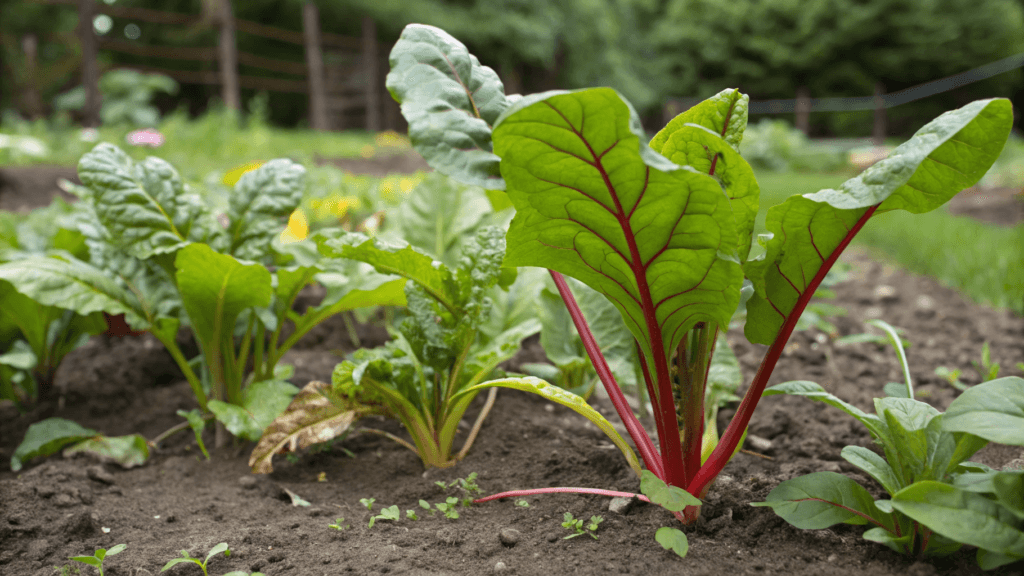
Plant small amounts every 2-3 weeks in spring and again in late summer. This prevents all plants from maturing at once.
Staggering Spring and Fall Plantings
- Early spring planting
- Late spring planting
- Late summer planting
This creates overlapping harvest windows.
Using Shade or Protection to Extend Seasons
Light shade cloth can reduce heat stress during summer establishment. Row covers can protect early spring or late fall plantings from frost.
These small adjustments widen your planting window without changing crop type.
Common Planting-Time Mistakes to Avoid
Most timing issues come from relying on calendar dates alone.
Avoid these common mistakes:
- Planting strictly by date instead of soil temperature
- Ignoring extreme heat forecasts
- Planting too densely early in cool conditions
- Assuming Swiss chard tolerates all temperatures equally
Adjust based on conditions, not habit.
Conclusion
Swiss chard is one of the most adaptable leafy greens you can grow, but planting at the right time improves everything: germination, growth speed, leaf tenderness, and harvest length.
In most climates, early spring and late summer are ideal planting windows. Fall often produces the highest-quality leaves. Summer planting is possible with attention to heat. The key is watching soil temperature for germination and air temperature for early growth.
Once established in mild conditions, Swiss chard produces steadily for months with minimal intervention.

Leave a Reply