
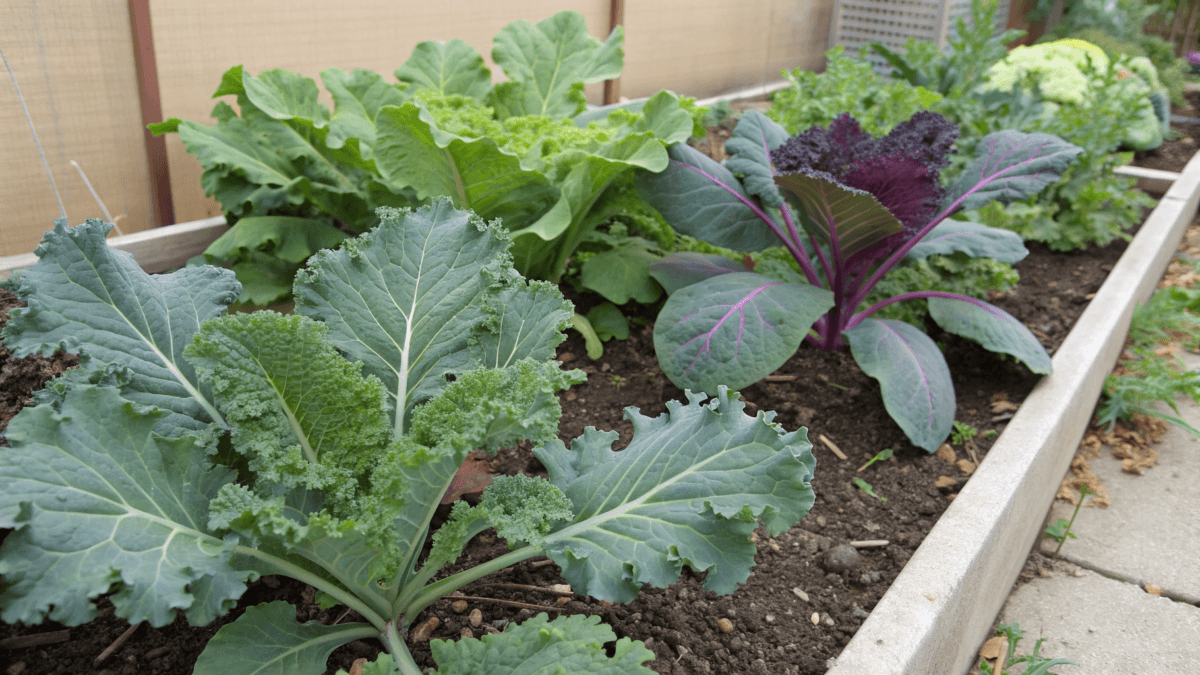
If you’re wondering which kale varieties are the “best,” the real answer is that the best kale variety is the one that matches your climate, your cooking style, and how much effort you want to put in.
Most people don’t realize how much the variety affects bitterness, texture, and how often you’ll actually want to cook with it.
Curly kale is the toughest and easiest for beginners, Lacinato (Dinosaur/Tuscan) is the top pick for cooking and silky soups, and Red Russian is a cold-loving, sweeter salad kale that stays tender longer.
Below you’ll find a quick pick guide, deeper breakdowns of the most popular types, plus extra varieties worth growing, climate-based picks, and a comparison table you can use to decide in minutes.
Once you’ve chosen a variety, our How to Grow Kale guide covers planting, care, and harvesting so you can get the best results from your plants.
Quick Pick Guide
These picks are based on how the plants actually perform in home gardens, not just seed catalog descriptions:
- Want the easiest option: Curly kale (like Winterbor or Dwarf Blue Curled)
- Best for soups, sautéing, chips: Lacinato (Dinosaur/Tuscan)
- Best for salads with sweet, tender leaves: Red Russian
- Coldest climates: Siberian or Red Russian
- Better heat tolerance: Lacinato or Premier
- Small garden/containers: Dwarf Curly types
- Want something beautiful and edible: Redbor (purple curly kale)
If you’re still unsure, go with one curly and one Lacinato. That combo covers most kitchens and most weather.
What to Consider Before Choosing Kale Varieties
A little planning here makes the difference between loving your harvest and forcing yourself to eat it.

Before you buy seeds, take 60 seconds to think about these factors. They’ll save you a whole season of “why is my kale bitter?” frustration.
How You Plan to Eat It
This is where most gardeners get disappointed, growing salad kale when they mostly cook.
- Salads: Look for tender, flatter leaves (Red Russian, baby Lacinato, Premier).
- Cooking: Look for thicker, sturdy leaves (Lacinato, curly types).
- Chips: Curly kale usually wins because the ruffled edges get crisp.
- Smoothies: Mild varieties matter more than texture (because you’re blending).
Climate and Season Length
In warm climates, kale that looks fine can still turn bitter quickly if it’s stressed.
- Cold climates: Prioritize cold tolerance and fast regrowth
- Warm climates: Choose varieties known to bolt slower and handle heat better
Leaf Texture and Bitterness
Some kale is ruffled and sturdy. Some is soft and almost “spinach-like” when young. If you hate tough greens, pick a tender type or commit to harvesting it young.
Kale bitterness is mostly about:
- Variety
- Temperature (cool makes it sweeter)
- Plant age (older leaves are tougher)
If you want a mild kale, choose Red Russian or harvest baby leaves early.
Space and Growth Habit
Some kale grows tall with a main stem. Some stays compact. If you’re growing in pots, raised beds, or tight rows, pick compact varieties.
- Compact plants work well in containers
- Tall varieties can produce for a long time if you harvest from the bottom up
- Some are best as baby leaf crops you cut and regrow
Pest Pressure
In many gardens, kale attracts cabbage-family pests like aphids and caterpillars. Healthy, fast-growing varieties help, and so does harvesting often (it keeps plants producing fresh, less-damaged leaves).
Curly Kale: The Hardiest, Most Forgiving Choice
Curly kale is the classic kale. It has ruffled leaves, strong growth, and great cold tolerance. If you’re a beginner, curly kale is the one most likely to thrive even when your watering schedule is… not perfect.

What it’s Like
- Texture: Crisp and ruffled, sometimes a bit chewy when mature
- Flavor: Earthy, can be slightly bitter (frost sweetens it)
- Best for: Kale chips, soups, stir-fries, smoothies (if you blend well)
Why Gardeners Love It
- Fast regrowth: You can harvest lower leaves and keep the plant producing
- Cold tolerant: Many curly types stand up well in late fall
- Reliable yields: Even in average soil, it keeps going
- Very hardy: Handles cold, wind, and inconsistent watering better than many types
Popular Curly Kale Varieties
- Winterbor: Very cold-hardy, strong plant structure, great for winter gardens
- Dwarf Blue Curled: Compact and productive, great for containers
- Vates (Blue Curled Scotch): Dependable, good for multiple harvests
- Starbor: Known for strong plants and good texture
If curly kale tastes too bitter, harvest younger leaves and pick after cool nights. A light frost often improves flavor.
Curly kale is also the variety I recommend for dependable harvests without needing to babysit the plants.
Lacinato Kale: Tender Leaves for Cooking
Lacinato is also called Dinosaur kale, Tuscan kale, or black kale. It has long, dark blue-green leaves with a bumpy, “savoyed” texture. Many cooks prefer it because it softens beautifully when sautéed or simmered.

What it’s Like
- Texture: Tender when young, sturdy but not rough when mature
- Flavor: Rich and slightly sweet, less sharp than many curly types
- Best for: Sautéing, soups, pasta, braises, roasting
Why it’s Worth Growing
- Kitchen-friendly: It cooks down quickly without turning mushy
- Great for batch cooking: Holds texture in soups and stews
- Good for warm-ish seasons: Generally handles mild warmth better than some curly types
Lacinato is excellent for “cut-and-come-again” harvests. Start picking outer leaves once plants are 10-12 inches tall.
In regular cooking, this is the kale most people end up preferring once they try it side by side with curly types.
Red Russian Kale: Extra Cold-Tolerant
Red Russian kale is known for soft, flat leaves and purple-red veins. It’s one of the best options for people who want kale they’ll actually enjoy raw.

What it’s like
- Texture: Tender, especially as baby greens
- Flavor: Mild, slightly sweet, often less bitter than curly kale
- Best for: Salads, sandwiches, quick sautés, pesto
Why gardeners choose it
- Excellent cold tolerance: Flavor improves in cool weather
- Fast growth: Great for early spring and fall planting
- Pretty in the garden: The leaf color stands out among greens
Red Russian is at its best when you harvest leaves smaller and younger. Mature leaves can still be tasty, but younger leaves are the reason this variety gets so much hype.
This is often the variety that changes people’s minds about eating kale raw.
More Kale Varieties Worth Growing (And What They’re Best For)
Once you’ve grown the “big three,” these varieties are fun upgrades that solve specific needs.
Redbor (Purple Curly Kale)
- Best for: Ornamental gardens, cold-weather color, kale chips
- Why grow it: Deep purple leaves that look stunning in beds and containers
- Note: Color intensifies in cold weather
Siberian Kale
- Best for: Very cold climates, quick harvests, tender leaves
- Why grow it: Extremely hardy, often milder than curly kale
- Note: Some “Siberian” strains are actually closer to kale-collard hybrids in toughness
Premier Kale
- Best for: Warmer climates, spring-to-summer transitions
- Why grow it: Known for early harvests and decent heat tolerance
Walking Stick Kale (Jersey Kale)
- Best for: Novelty gardens, tall plants, long-season growing
- Why grow it: Can grow very tall with proper conditions
- Note: More of a conversation piece than a salad kale
Scarlet Kale
- Best for: Colorful salads and fall gardens
- Why grow it: Ruffled purple-red leaves, looks amazing and tastes better after cool nights
Best Kale Varieties for Cold Climates (Early Spring and Late Fall)
If your nights are cold, your growing season is short, or you want kale that survives surprise frosts, these are strong picks:
- Red Russian: Tender leaves and improved sweetness in cold
- Winterbor (Curly): Classic cold-weather performer
- Siberian: Extremely tough and productive
- Dwarf Blue Curled: Compact and hardy, good for windy spots too
Cold-climate tip: Kale can handle frost, but small seedlings need protection. Start under cover or use row cover until plants are established.
Best Kale Varieties for Warm Climates
Kale isn’t a true summer crop, but you can grow it in warm areas by choosing the right variety and timing.
- Lacinato: Often a better warm-season performer than curly types
- Premier: Early and relatively heat-tolerant
- Dwarf Curly types: Can do well if shaded and watered consistently
Warm-climate tip: Grow kale in late winter, early spring, and fall. For summer, use afternoon shade, mulch heavily, and harvest small leaves often to keep plants from stressing.
Pest Resistance Kale Varieties
In most home gardens, pest pressure is highest when plants are young and growth is slow.
Kale attracts a few common pests, especially in warm seasons. No variety is totally immune, but some are more forgiving.
- Curly kale is often the most forgiving because it grows vigorously and regrows quickly after damage.
- Lacinato has tougher leaves, which can help a bit, but pests still show up.
- Red Russian is tender, great for salads, but more likely to show damage quickly.
Low-effort prevention: Use lightweight row cover early in the season, check undersides of leaves weekly, and pick off worms when you see them. Keeping plants healthy matters just as much as variety.
Kale Variety Comparison Table
| Kale Variety | Leaf Texture | Flavor | Cold Tolerance | Heat Tolerance | Best Uses |
|---|---|---|---|---|---|
| Curly (Winterbor, Vates) | Ruffled, crisp, sometimes chewy | Earthy, can be bitter | High | Medium–Low | Chips, soups, sauté, smoothies |
| Lacinato (Dinosaur/Tuscan) | Long, bumpy, tender when young | Rich, slightly sweet | Medium–High | Medium | Cooking, soups, roasting |
| Red Russian | Flat, soft, tender | Mild, sweet in cold | Very High | Medium | Salads, quick sautés, pesto |
| Redbor (Purple Curly) | Curly, slightly thicker | Earthy, similar to curly | High | Medium–Low | Chips, garnish, cold gardens |
| Siberian | Often flatter, sturdy | Mild, less sharp | Very High | Medium | Cold-season harvests, cooking |
| Premier | Medium texture | Mild to moderate | Medium | Medium–High | Warm-climate gardens, early crops |
Where to Buy Kale Seeds And How to Choose Good Packets
Reputable seed companies usually list variety names, testing dates, and growing notes clearly.
You can find kale seeds in garden centers, online seed shops, and sometimes at local farm stores. The key is not where you buy them, it’s how you choose the packet.
Look for These Details on The Packet
- Clear variety name (not just “kale”): “Curly kale” is a type, but the named variety matters.
- Days to maturity: Useful for planning (especially short seasons).
- Germination info and planting instructions: Fresher seeds usually germinate better.
- Growing notes: Some companies note cold tolerance or best seasons.
- Lot number or quality tracking (a good sign of a serious supplier).
Smart Buying Tips
- Buy from a seller who lists the variety clearly
- Avoid packets with no date or unclear labeling
- If ordering online, choose sellers that store seeds properly (cool, dry)
- If you’re new, avoid mystery mixes until you’ve grown one or two types successfully
Bonus tip: If you want continuous harvests, buy two varieties with different strengths (example: Winterbor for toughness and Red Russian for salads).
How Many Seeds Do You Actually Need?
Kale seeds usually germinate well, and plants can get big. For most home gardens, one packet is enough for:
- A small bed of kale
- Repeated sowings of baby greens
- A mix of a few varieties, if you don’t plant them all at once
How Long Does Kale Keep Producing
Most kale varieties will keep producing for months if you harvest outer leaves regularly and leave the growing center intact.
Curly and lacinato types tend to last the longest, especially in cool weather. Growth slows in heat, but plants often rebound once temperatures drop again.
Consistent harvesting encourages fresh, tender leaves instead of tough, oversized ones.
Conclusion
Choosing the right kale variety doesn’t have to be complicated. Once you understand how different types grow and taste, the decision usually comes down to how you plan to use the leaves and what kind of weather you’re growing in.
If you’re unsure, growing more than one type is often the best approach. It gives you flexibility in the kitchen and helps you see which variety performs best in your own garden. Over time, your climate, soil, and cooking habits will make the choice clear.
Kale is forgiving, productive, and well worth the space it takes up. Start with a variety that matches your needs, harvest it regularly, and you’ll get months of fresh greens with very little work.
What works best often becomes obvious after a single growing season.

Leave a Reply