
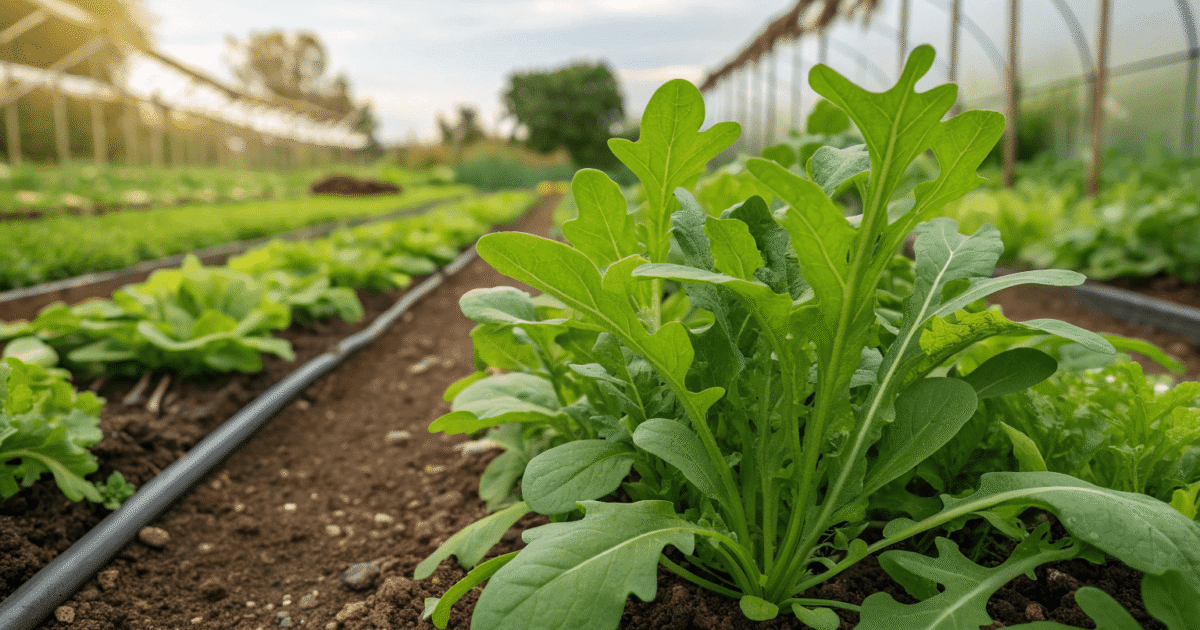
Arugula is a favorite for beginners and small-space growers. It doesn’t need deep soil, it grows well in containers, and it tolerates a bit of imperfection.
If you’ve ever wondered how to grow arugula that’s tender, flavorful, and not overly spicy, the answer comes down to three things: cool weather, consistent watering, and regular harvesting.
Get those right, and arugula practically grows itself.
With the right setup, you can harvest fresh arugula in as little as three to four weeks.
In this guide, you’ll learn exactly which types of arugula to grow, how to plant it properly, and how to control its flavor so it stays mild and fresh.
Arugula is one of the easiest leafy vegetables to grow, especially for beginners learning the basics of vegetable gardening.
Arugula Plant Profile
| Factor | Arugula Profile |
|---|---|
| Plant Type | Leafy green (annual) |
| Planting Time | Early spring or late summer |
| Sun Requirements | Full sun to partial shade |
| Soil Requirements | Loose, well-drained, rich soil |
| Watering | Consistent, even moisture |
| Climate Tolerance | Frost-tolerant; low to moderate heat tolerance |
| Time to Harvest | 20–40 days after planting |
| Common Pests/Diseases | Flea beetles, yellowing leaves, bitter leaves |
| Companion Plants | Lettuce, spinach, carrots, onions |
Best Types of Arugula
Not all arugula tastes the same. Choosing the right variety plays a big role in flavor, growth speed, and heat tolerance.
1. Common Arugula (Eruca sativa)
This is the classic grocery-store arugula with broad, soft leaves. It has a mild peppery flavor and grows quickly. It’s ideal for salads, sandwiches, and wraps. This type is best for beginners because it matures fast and is easy to manage.
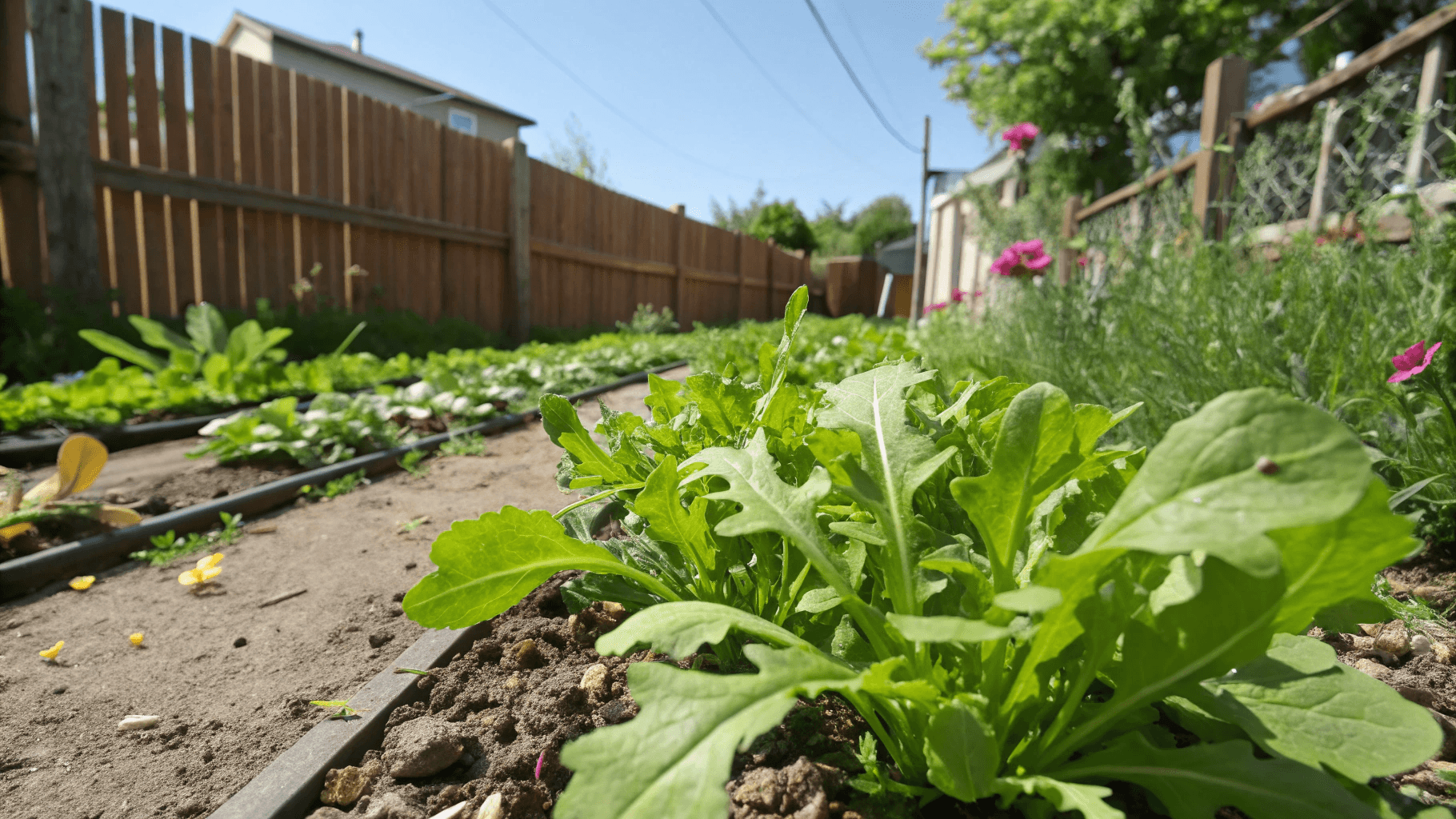
2. Wild Arugula (Diplotaxis tenuifolia)
Wild arugula has narrow, jagged leaves and a stronger, spicier flavor. It grows more slowly but is more heat-tolerant and bolts less quickly. It’s great for warm climates and cooked dishes.
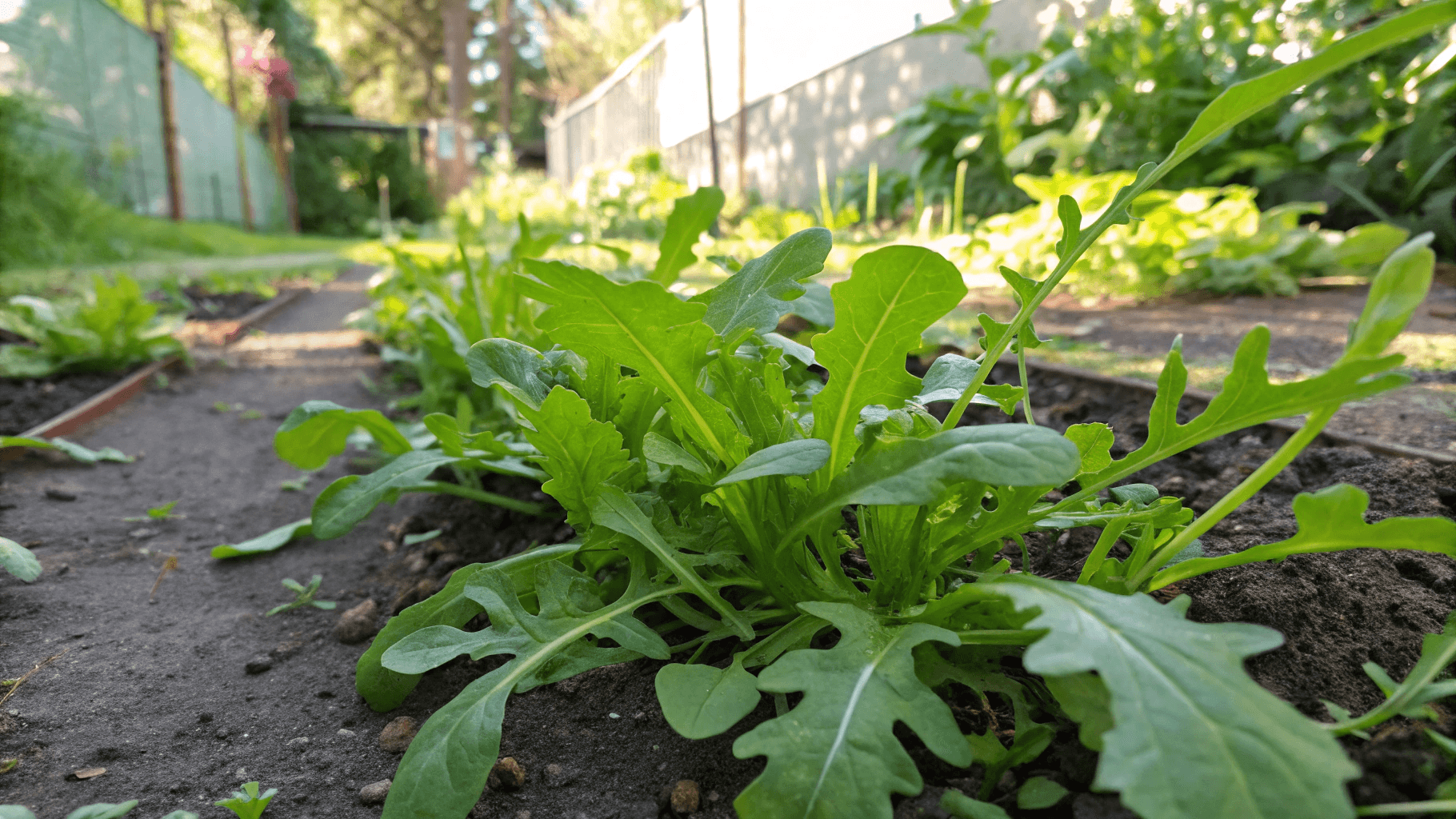
3. Astro Arugula
Known for its uniform growth and mild taste, Astro arugula is popular with home gardeners. It grows evenly, making it easier to harvest consistently and well-suited for containers.
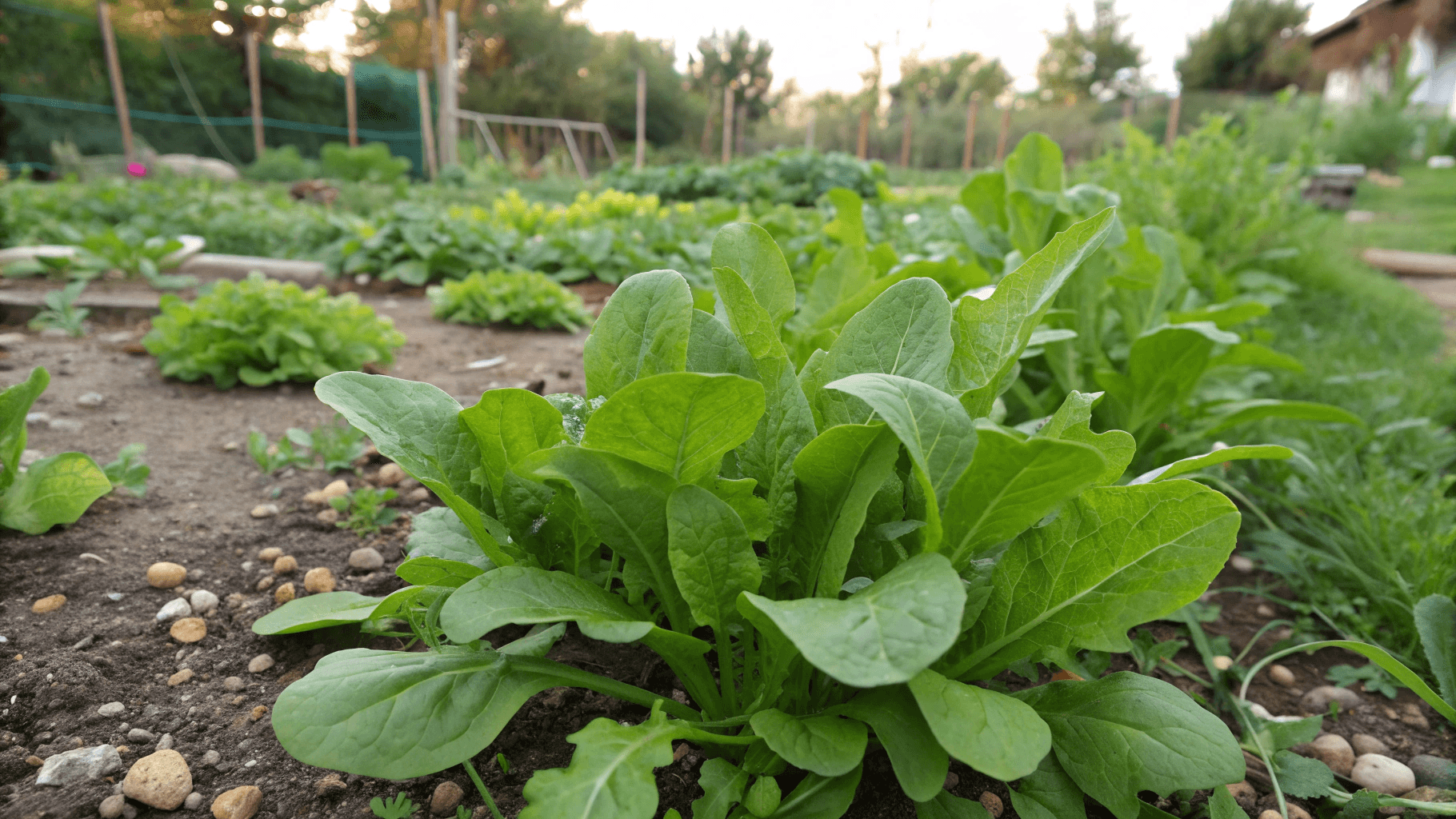
4. Rocket Arugula
Rocket varieties are fast-growing and slightly more peppery than standard arugula. They tend to bolt faster in heat, so they’re best grown in cool weather.
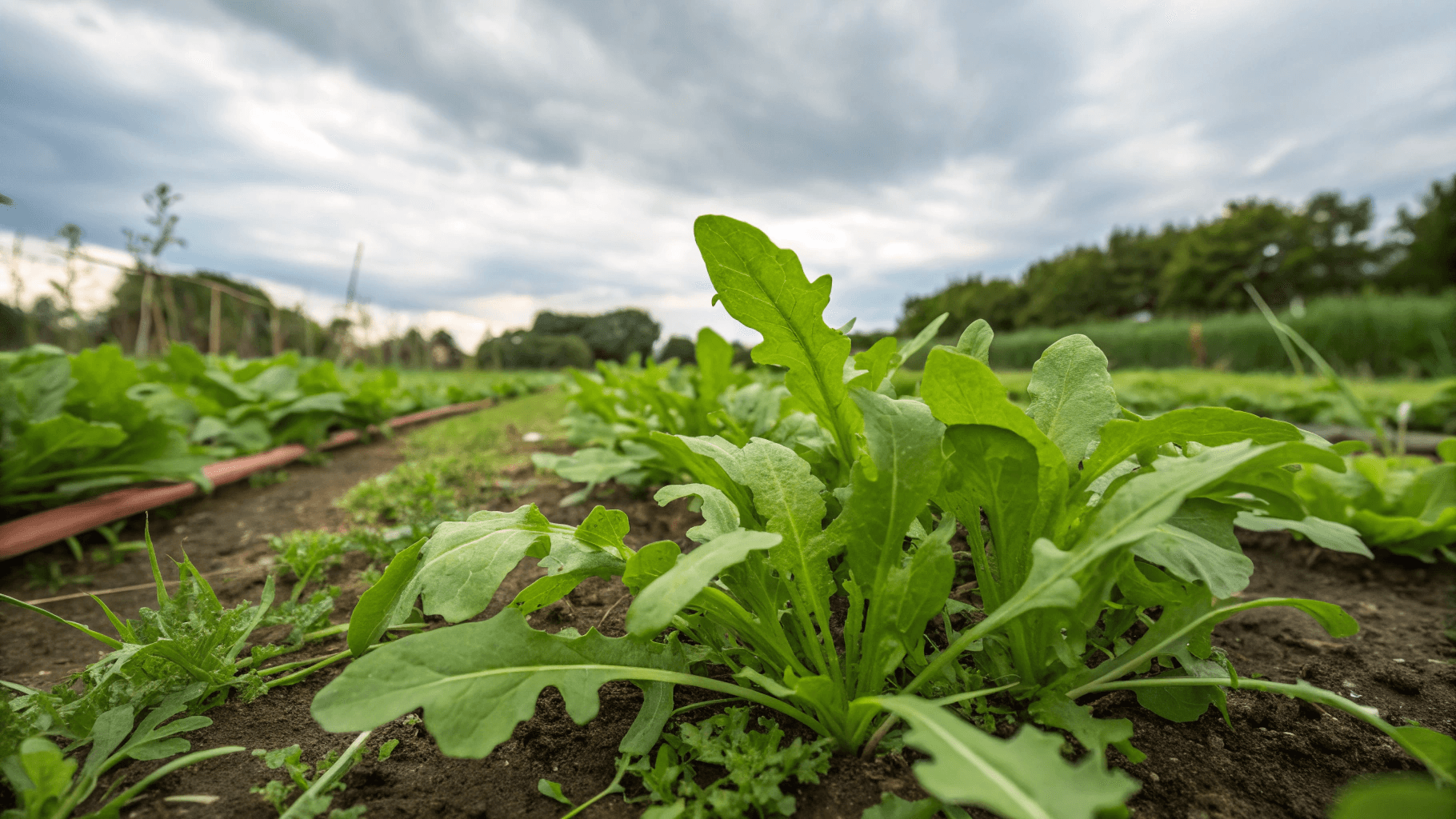
Tip: If you’re growing arugula for fresh salads, choose a mild variety. For cooking or mixing with other greens, spicier types work well.
Best Climate for Arugula
Arugula is a cool-season crop that performs best when temperatures are mild.
Ideal Growing Temperatures
- Optimal range: 50-65°F (10-18°C)
- Tolerates light frost
- Struggles in sustained heat
Arugula grows fastest in spring and fall. This is why arugula often tastes better from home gardens than from summer-grown store produce.
In hot climates, it can still be grown with partial shade and careful watering, but summer heat increases bitterness and bolting.
Climate Tips
- Cool climates: Full sun is fine
- Warm climates: Morning sun and afternoon shade
- Hot regions: Grow in fall, winter, or early spring
If your summers are hot, think of arugula as a seasonal crop, not a year-round one.
Soil and Container Requirements for Arugula
Arugula isn’t picky, but the right soil makes a noticeable difference in taste and texture.
Best Soil for Arugula
Arugula prefers loose, well-draining soil rich in organic matter that holds moisture without becoming soggy. A light, fertile soil helps produce tender leaves instead of tough ones.
Because arugula grows so quickly, it reacts immediately to poor soil conditions, especially compaction and dryness.
- Ideal soil pH: 6.0-7.0
- Add compost to improve nutrients and water retention
- Avoid heavy clay soil unless amended
Growing Arugula in Containers
Arugula grows extremely well in containers, which also helps control temperature and moisture.
- Minimum container depth: 6-8 inches
- Ensure good drainage holes
- Use high-quality potting mix, not garden soil
Containers are especially useful in hot climates because you can move them into partial shade during warm afternoons.
For a detailed breakdown of soil texture, pH, and compost ratios, see the complete guide on the best soil for arugula.
When to Plant Arugula (Season-by-Season Guide)
In most gardens, planting early and often matters more than variety choice.
Spring Planting
Spring is the easiest and most reliable time to grow arugula.
- Plant as soon as the soil can be worked and is no longer frozen
- Light frosts won’t harm young plants
- Cool weather produces the mildest, most tender leaves
Fall Planting
- Sow seeds 6-8 weeks before the first expected frost
- Cooler nights slow bolting and improve flavor
- Pest pressure is usually lower than in spring
- Plants grow more compact and leafy
Summer Planting
Summer planting is possible, but it requires extra care.
- Only recommended with shade protection
- Morning sun and afternoon shade work best
- Water consistently to prevent stress
- Expect a stronger, more peppery flavor and faster bolting
Sow new seeds every 2-3 weeks during cool weather. This ensures a steady harvest rather than a single big crop that finishes all at once.
For a full breakdown of planting windows by season and climate, see this guide on when to plant arugula.
How to Plant Arugula (Seeds and Seedlings)
Most gardeners grow arugula from seed; it’s cheaper, easier, and faster than starting with seedlings.
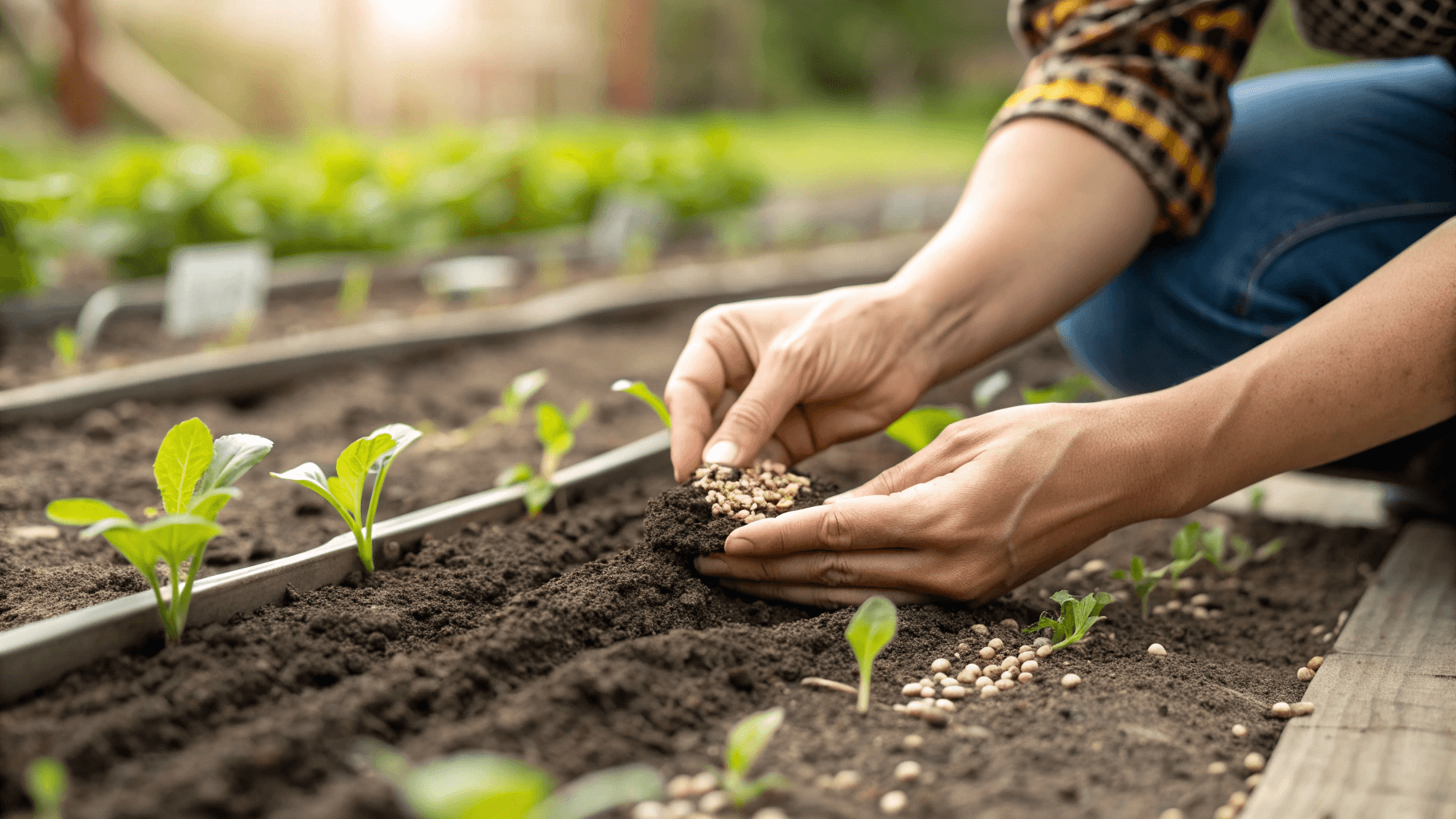
Planting Arugula Seeds
- Sow seeds directly into soil about ¼ inch deep
- Space seeds 1 inch apart (thin later if needed)
- Rows should be 8-10 inches apart
- Lightly cover with soil and water gently
- Keep the soil moist until germination
Seeds typically germinate in 5-10 days, sometimes sooner in warm soil.
Planting Seedlings
If you’re transplanting seedlings:
- Handle roots gently
- Plant at the same depth as the original container
- Water immediately after planting
Seedlings are useful if you want an early start, but direct sowing is still preferred for best results.
Best Planting Time
- Spring: 2-4 weeks before last frost
- Fall: 6-8 weeks before first frost
- Warm climates: Late fall through early spring
- Ideal soil temperature: 45-65°F (7-18°C)
Watering Schedule
Watering is one of the most important factors affecting arugula’s flavor.
But there’s no single watering schedule that works for everyone, because temperature, soil type, and containers all dry out at different speeds. That’s why the best practice is to check the soil with your finger, not just follow a calendar.
How Often to Water Arugula
- Water 2-3 times per week (depending on temperature and weather)
- Increase frequency during dry or hot weather
- Keep soil consistently moist, not soaked
When arugula becomes stressed from lack of water, it produces more intense, spicy oils, which can make leaves bitter.
Best Watering Tips
- Water in the morning
- Avoid overhead watering if possible
- Mulch lightly to retain moisture
Consistent moisture equals milder, more tender leaves.
Best Practice (most important)
- Stick your finger 1-2 inches into the soil
- If it feels dry at that depth, it’s time to water
- If it still feels slightly moist, wait another day
This simple finger test works better than any fixed schedule because it adjusts to your specific growing conditions.
Signs of Underwatering
- Drooping leaves
- Slow growth
- Strong, spicy flavor
Signs of Overwatering
- Yellowing leaves
- Soggy soil
Sunlight Needs and Heat Protection Tips
Arugula doesn’t need heavy feeding, but light nutrition improves leaf production.
Sun Requirements
- 4-6 hours of sun per day
- Morning sun preferred
- Partial shade in the afternoon helps prevent bolting
Protecting Arugula From Heat
- Use shade cloth during hot weather
- Plant near taller crops for natural shade
- Grow in containers that can be moved
Reducing heat stress slows bolting and keeps leaves tender. Once temperatures regularly exceed 75°F (24°C), arugula starts to struggle unless protected.
Arugula thrives in cool, moderate sunlight.
Feeding and Fertilizing Arugula
Arugula is a light feeder, which means it doesn’t need heavy fertilization to grow well. In fact, too much fertilizer, especially nitrogen, often causes more problems than it solves, leading to fast, weak growth and bland or overly strong flavor.
The goal is steady, balanced growth, not speed.
Best Fertilizer Options
- Compost or worm castings
- Balanced organic fertilizer (once or twice)
- Fish emulsion (diluted)
Avoid high-nitrogen fertilizers designed for lawns or heavy-feeding crops, as they push excessive leaf growth at the expense of flavor.
When to Fertilize
- Before planting: Mix compost into the soil to provide a nutrient base from the start.
- After the first harvest (optional): Apply a light feeding only if growth slows or leaves appear pale.
Too much nitrogen can cause overly fast growth and weak flavor, so keep it light.
Preventing Bolting and Excessive Spiciness
Bolting happens when arugula sends up a flower stalk, signaling the end of leaf production.
Why Arugula Bolts
- High temperatures
- Long daylight hours
- Water stress
How to Prevent It
- Plant in early spring or fall
- Harvest leaves frequently
- Keep soil consistently moist
- Choose bolt-resistant varieties
If you see a flower stalk forming, harvest immediately. Once bolting starts, leaf quality declines fast.
Common Problems When Growing Arugula
Even though arugula is easy, a few issues can pop up.
Flea Beetles
Tiny holes in leaves are a sign of flea beetles.
- Use row covers
- Grow arugula in containers
- Harvest young leaves regularly
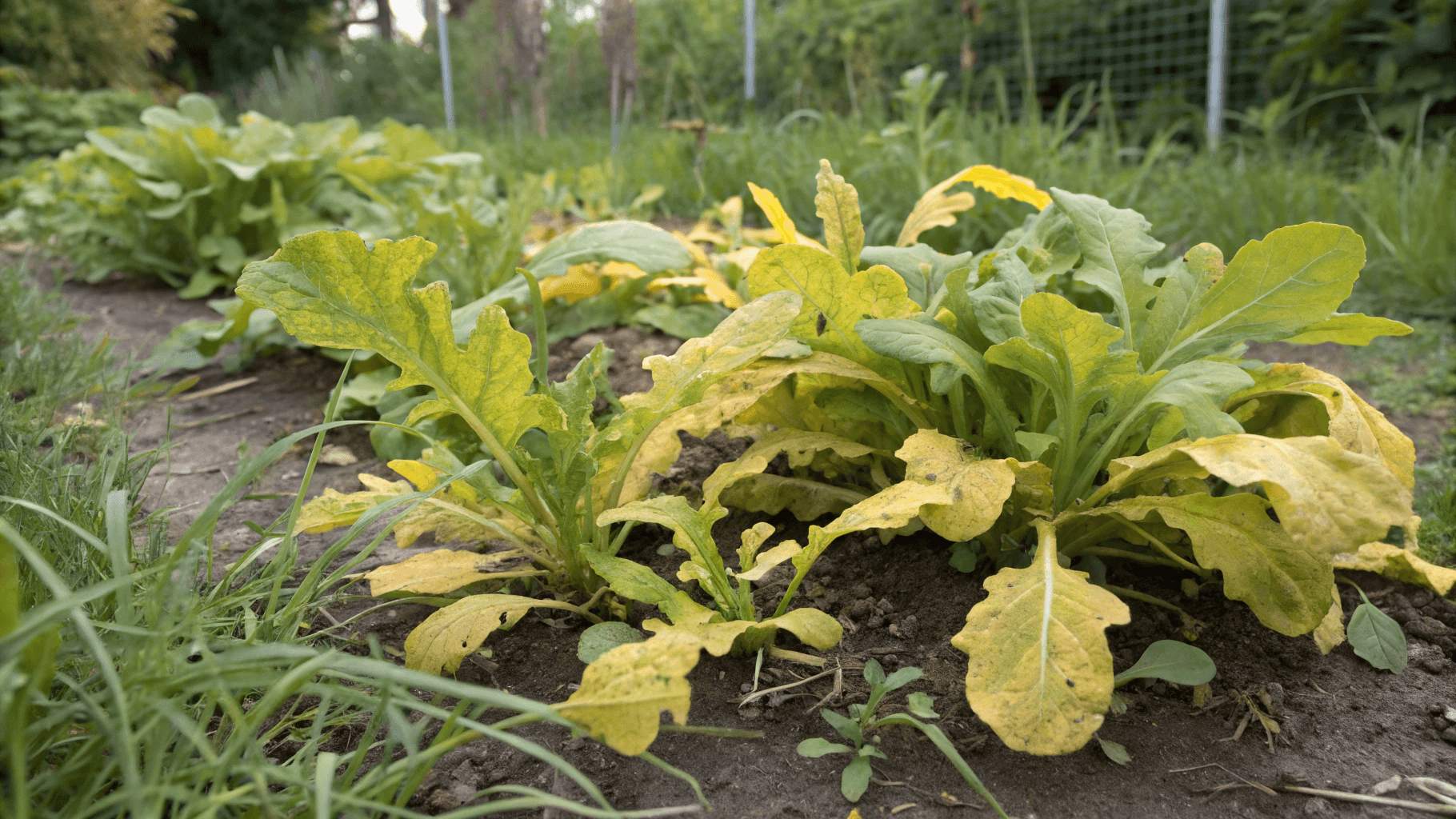
Yellowing Leaves
Usually caused by:
- Overwatering
- Poor drainage
- Nutrient deficiency
Improve drainage and add compost if needed.
Slow Growth
Often due to:
- Cold soil
- Lack of nutrients
- Overcrowding
Thin plants to improve airflow and growth.
Bitter or Overly Spicy Leaves
- Heat stress
- Dry soil
Improve watering and provide shade to fix this.
Best Companion Plants for Arugula
Companion planting helps arugula grow better by reducing pest pressure, improving space efficiency, and matching plants with similar needs.
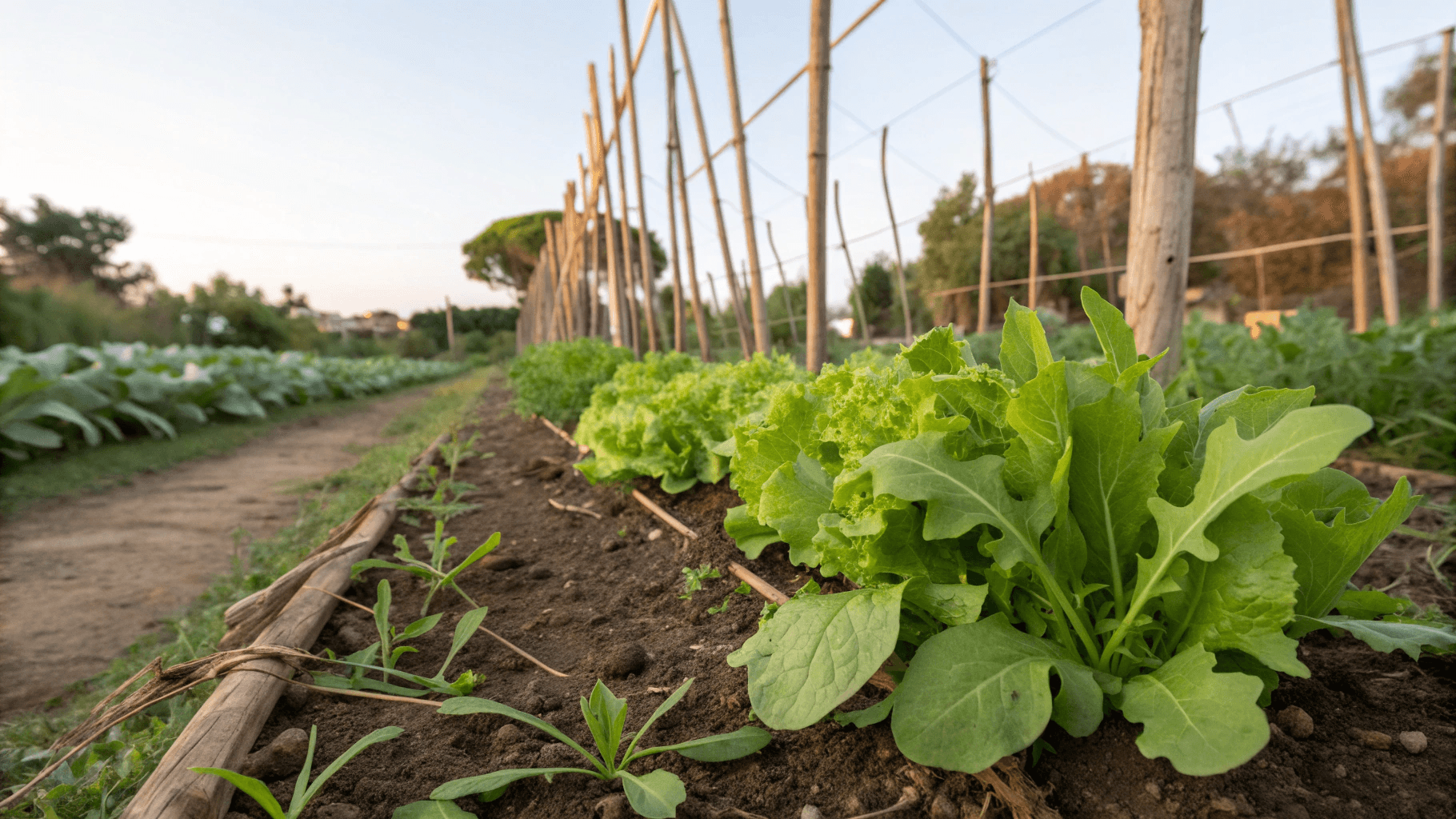
Good Companion Plants
- Lettuce
- Spinach
- Radishes
- Beets
- Carrots
- Bush beans
Plants to Avoid
- Large brassicas (such as broccoli or cauliflower) that compete for nutrients
- Plants that heavily shade arugula in cool climates
Arugula works extremely well as a filler or intercropping plant. Because it matures quickly, you can sow it between slower-growing vegetables and harvest it before those plants need the space.
It pairs especially well with lettuce and spinach, which share similar growing conditions.
How to Harvest Arugula
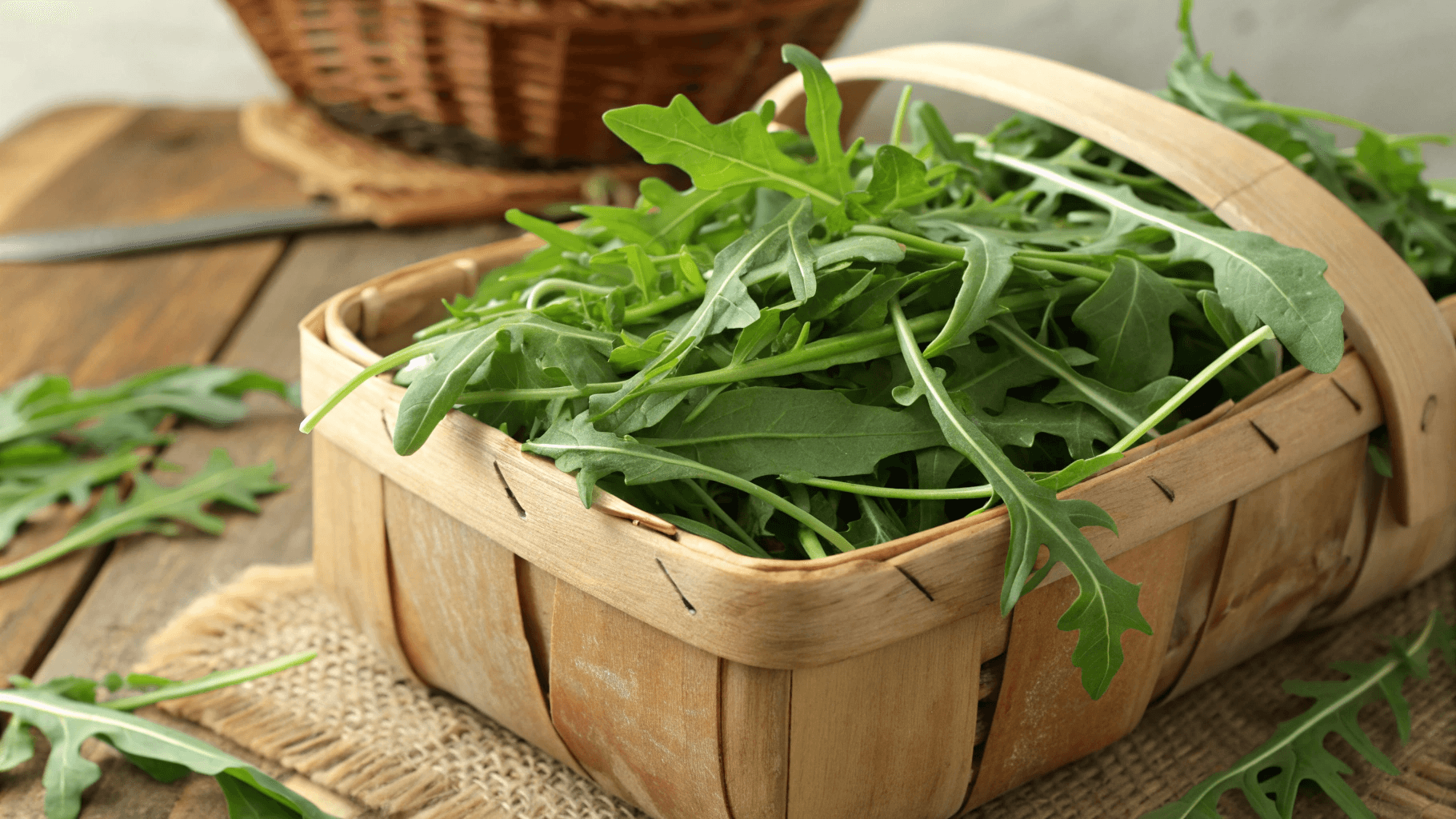
Harvesting arugula the right way is the key to getting multiple harvests from the same plant. When harvested regularly, arugula stays tender, flavorful, and productive for weeks instead of finishing after one cut.
When to Harvest
- Begin harvesting when leaves are 3-4 inches long
- Younger leaves taste milder
- Don’t wait for full size older leaves become tougher and more bitter
Cut-and-Come-Again Method
- Use clean scissors or garden snips to avoid damaging the plant
- Cut outer leaves first, working your way around the plant
- Always leave the center growing point intact
- Never remove more than one-third of the plant at a time
You can harvest every 7-10 days, depending on growth speed. This method allows multiple harvests over several weeks.
Regular harvesting improves flavor and slows bolting, making this one of the most productive leafy greens you can grow.
How Long Does Arugula Take to Grow?
Arugula is one of the fastest-growing vegetables.
- Germination: 5-10 days
- First harvest: 20-30 days
- Full maturity: 40-50 days
Because it grows so fast, many gardeners plant arugula every 2-3 weeks for a continuous harvest.
Conclusion
Arugula is one of the most beginner-friendly leafy greens you can grow at home. When planted at the right time and grown in cool conditions with consistent moisture, it rewards you with tender, flavorful leaves in just a few weeks.
The key is timing. Plant too late or let the soil dry out, and arugula turns bitter and bolts quickly. Plant early, water regularly, harvest often, and you’ll enjoy steady harvests with minimal effort.
Once you master arugula, you’ll likely find yourself planting it again and again not because you have to, but because it’s one of the most satisfying greens you can grow.
Try growing arugula alongside lettuce, spinach, and other leafy greens for a steady supply of fresh, homegrown salads.

Leave a Reply