
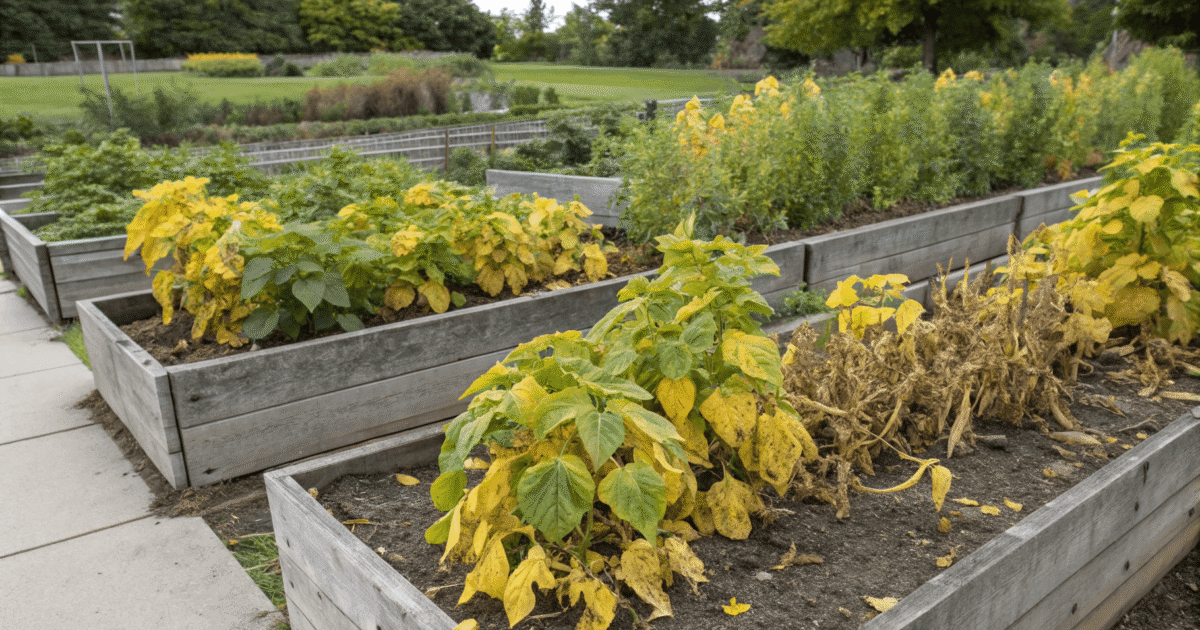
Few things are more frustrating than watching plants wilt, yellow, or collapse in a raised garden bed – especially when you swear you did everything right.
I’ve run into most of these issues myself, especially in my first few raised beds. I learned pretty quickly that while raised beds solve many problems, they can also create new ones if you’re not careful.
This guide breaks down the most common raised bed problems using a clear symptom → cause → solution format so you can stop guessing and start growing confidently.
Soil Drying Out Too Fast
When soil in a raised bed dries out quicker than expected, plants become stressed even if you water daily. Because raised beds sit above ground level, they naturally drain faster than in-ground gardens, but extreme dryness usually means something is off.
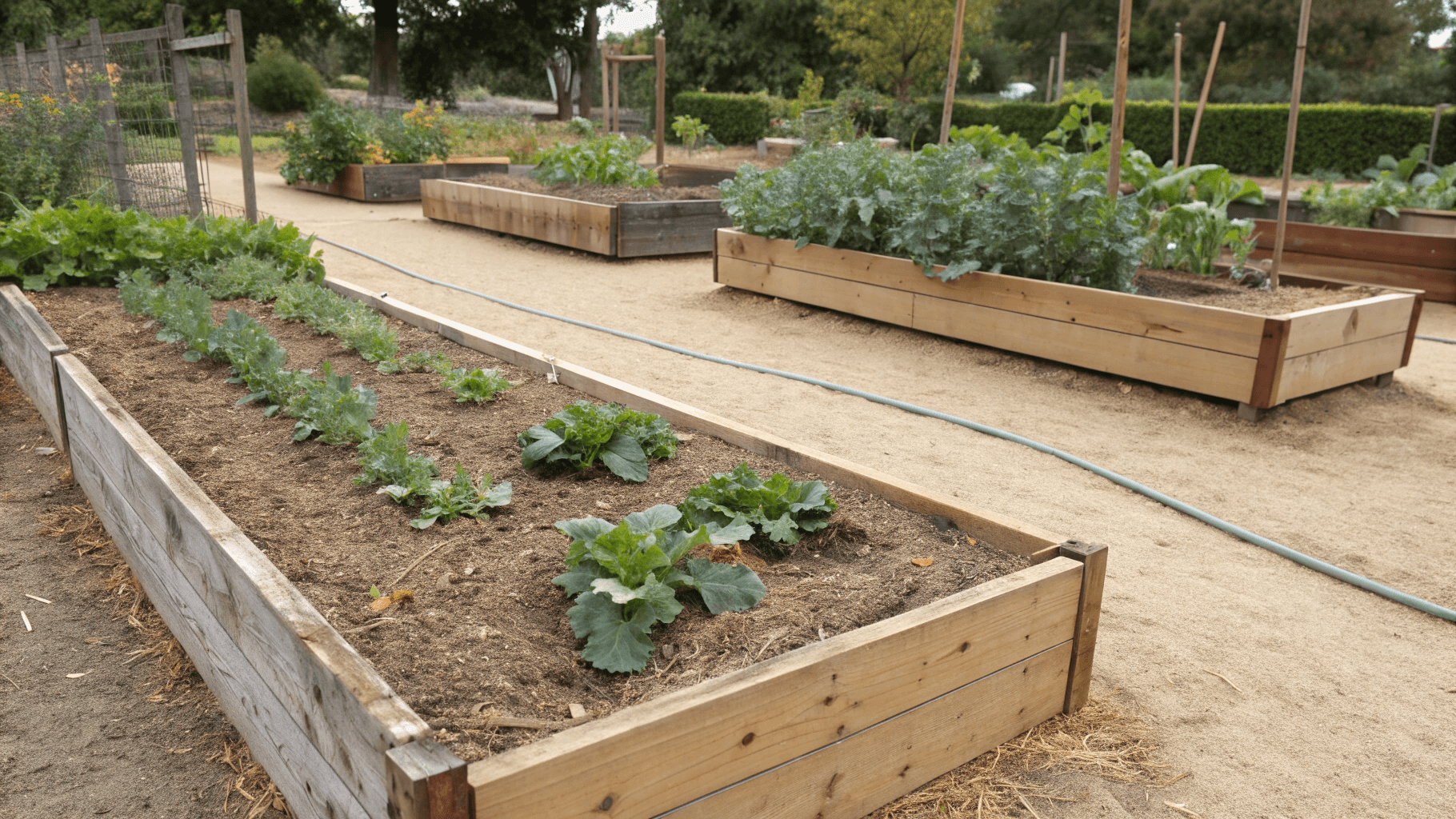
Common Causes
- Too much sand or light soil mix. High-drainage blends lose moisture rapidly.
- Beds made from heat-retaining materials. Metal, for instance, accelerates evaporation.
- Shallow soil depth. Less soil equals less water-holding capacity.
- No mulch layer. Exposed soil bakes in the sun.
This was one of the first problems I ran into, especially in beds filled with overly “light” mixes that drained faster than I expected.
Fixes
- Add organic matter. Compost, aged manure, and coconut coir increase water retention.
- Improve soil structure. A 40/40/20 mix of compost/topsoil/aeration material works well.
- Mulch heavily. Use straw, wood chips, or shredded leaves to reduce evaporation by up to 70%.
- Water deeply, not frequently. Slow soaks penetrate better than daily surface watering.
- Consider drip irrigation. Consistent moisture prevents stress cycles.
Quick Diagnostic Table
| Symptom | Likely Cause | Simple Fix |
|---|---|---|
| Soil crusts or cracks | Low organic matter | Mix in compost and coconut coir |
| Plants wilt midday even with watering | Fast evaporation | Add mulch and switch to deep watering |
| Water runs straight through | Too much sand or perlite | Rebalance the soil blend with compost or topsoil |
Drainage Problems (Soil Staying Too Wet)
Even though drying out is common, the opposite, poor drainage, can be just as damaging. Waterlogged soil suffocates roots, leading to yellowing, stunted plants, and root rot.

I’ve seen this happen most often in beds filled with heavy compost mixes or placed on compacted ground.
Signs of Poor Drainage
- Soil feels soggy long after watering or rain
- Mushy stems or collapsing plants
- Foul smell (anaerobic soil conditions)
- Algae or mold on the soil surface
Solutions
- Avoid compacting soil. Don’t press down after filling; let it stay loose and airy.
- Add aeration amendments. Pumice, perlite, or coarse bark provide air pockets.
- Raise the soil level. Beds with low spots trap water.
- Install drainage holes (for containers or metal beds). Extra exit points help prevent pooling.
- Create a false bottom for tall beds. Use coarse gravel or sticks to improve water flow.
Quick Diagnostic Table
| Symptom | Cause | Fix |
|---|---|---|
| Soil stays wet for multiple days | Heavy, clay-rich soil mix | Add pumice or coarse perlite to improve drainage |
| Plants yellow from the bottom up | Root oxygen shortage | Loosen soil structure and reduce watering frequency |
| Bed floods after heavy rain | Poor elevation or low spots | Add topsoil and raise the bed height to improve runoff |
Pest Issues
Raised beds help reduce pest pressure, but they don’t eliminate it entirely. Some pests thrive because of the improved soil conditions.
In my experience, pests become a problem most often when moisture, mulch, and plant density get out of balance.
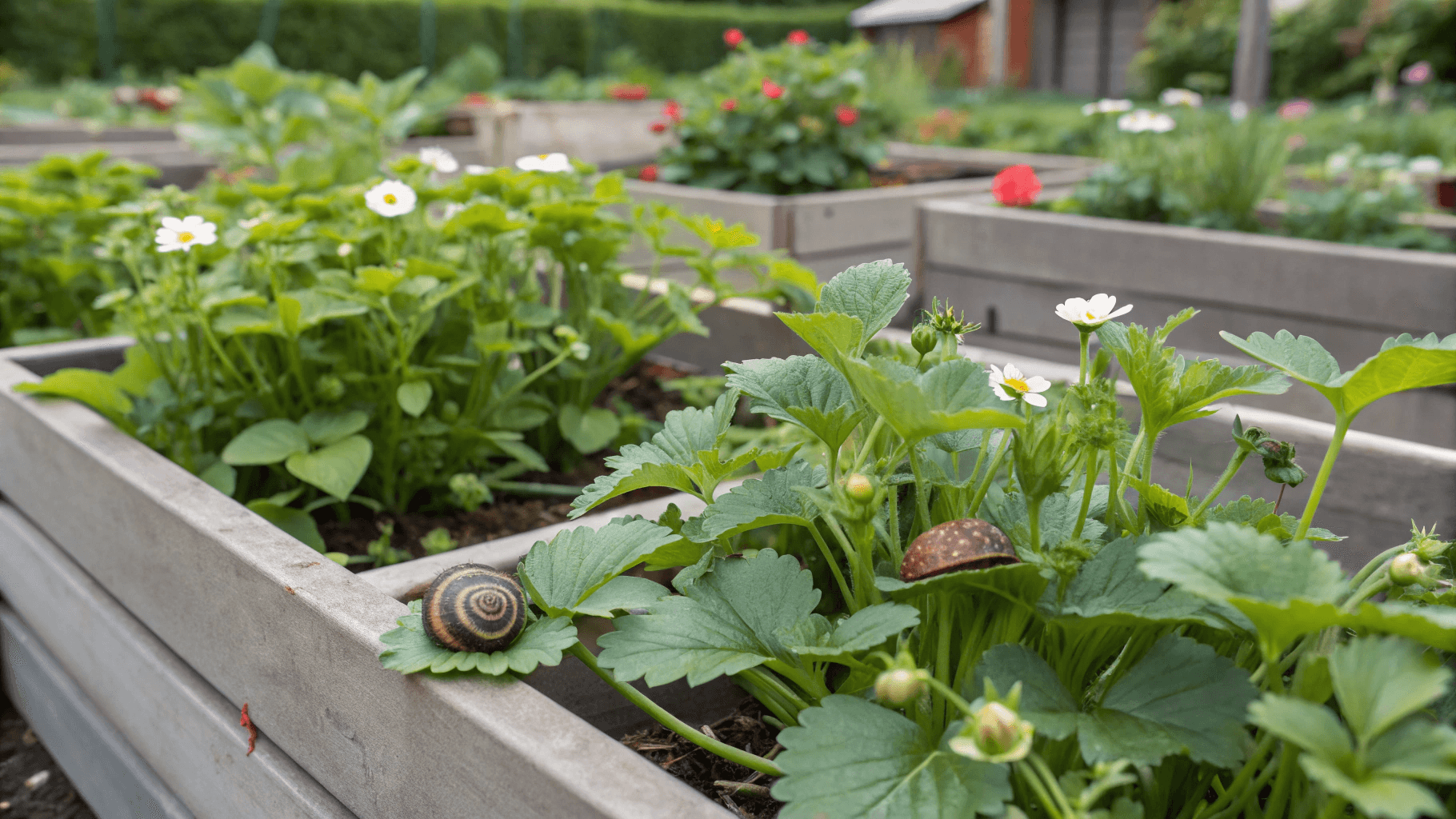
Slugs and Snails
These pests love raised beds for one simple reason: moisture and fresh growth.
Signs:
- Chewed leaf edges
- Irregular holes
- Mucus trails on soil or boards
How to Fix It:
- Use copper tape around bed edges (natural deterrent).
- Lay beer traps to attract and drown slugs.
- Remove hiding spots, like damp boards or thick debris nearby.
- Apply iron phosphate pellets, which are safe for pets and wildlife.
Root Pests (grubs, wireworms, root maggots)
Plants affected by root pests show symptoms that look like nutrient deficiencies or overwatering, so this category often goes unnoticed.
Signs:
- Plants stunted from day one
- Easy to pull from soil due to damaged roots
- Sudden wilting despite adequate watering
Solutions:
- Inspect roots of struggling plants; look for larvae.
- Add beneficial nematodes, a natural predator of soil-dwelling pests.
- Rotate crops every season; pests follow the same families.
- Cover soil with row fabric early in the season to block egg-laying insects.
Prevention Tips That Make the Biggest Difference
- Keep mulch layers moderate, not overly thick.
- Water in the morning to reduce night moisture.
- Maintain clean garden edges, pests hide in clutter.
- Encourage beneficial wildlife (frogs, birds, beetles).
Pest prevention is usually easier than pest removal, especially in the early season, so building good habits pays off quickly.
Nutrient Deficiencies
Even the best-looking raised bed soil can become depleted. Because raised beds drain faster and get more airflow, they often lose nutrients quicker than in-ground gardens.
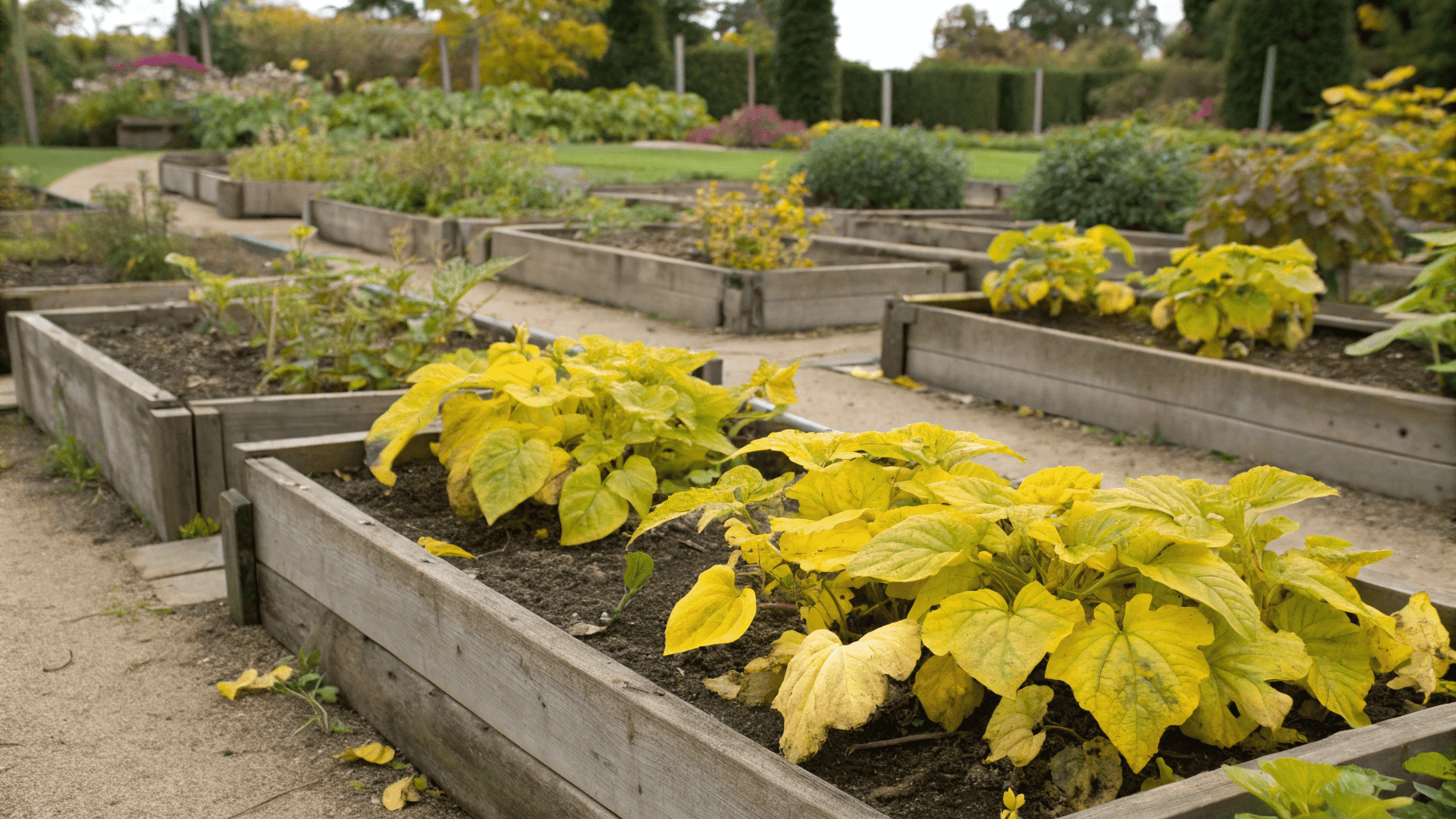
Common Symptoms
Yellow Leaves
Yellowing can indicate:
- Nitrogen deficiency
- Overwatering
- Magnesium shortage
- Iron deficiency (especially in alkaline soil)
Stunted Growth
If plants simply refuse to take off:
- Soil may lack phosphorus or potassium
- pH might be out of range
- Roots may be restricted due to shallow depth
Quick Nutrient Fix Table
| Symptom | Likely Nutrient Issue | What to Add |
|---|---|---|
| General yellowing | Nitrogen deficiency | Blood meal, fish emulsion, finished compost |
| Yellowing between leaf veins | Magnesium deficiency | Epsom salt (use sparingly) |
| Purple-tinged leaves | Phosphorus deficiency | Bone meal or rock phosphate |
| Poor fruiting or weak stems | Potassium deficiency | Greensand or organic potash |
| Pale new leaves with green veins | Iron deficiency | Chelated iron or soil acidifier |
Tips to Prevent Deficiencies
- Raised beds thrive with slow-release organic fertilizers that don’t wash out quickly.
- A twice-yearly compost top-up keeps micronutrients steady.
- Aim for a soil pH of 6.0-7.0 for most vegetables; test annually.
- Avoid over-fertilizing, which can burn roots and create fast growth with weak yields.
Weeds in Raised Beds
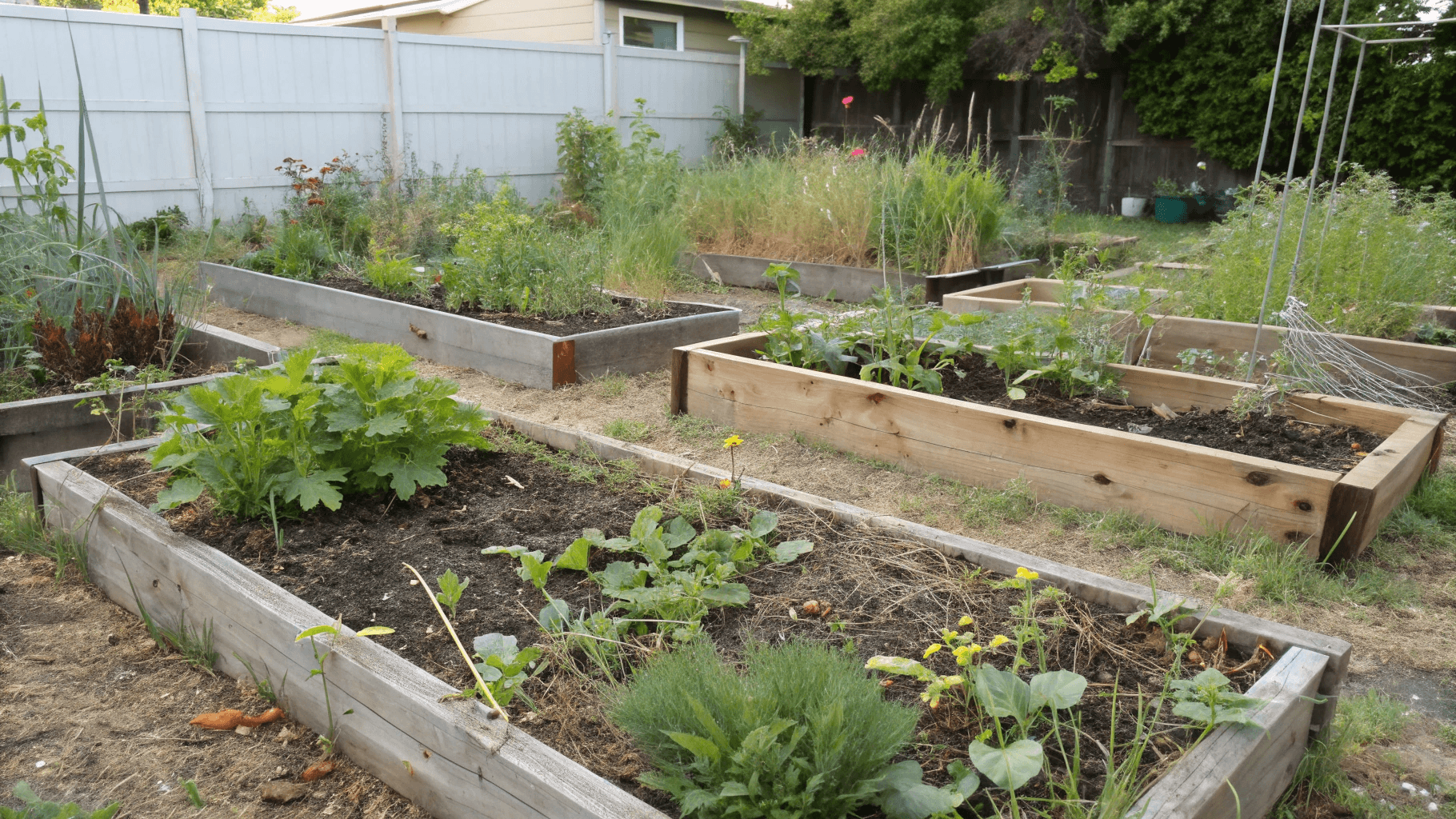
Many gardeners assume raised beds will be weed-free. Unfortunately, weeds are determined little survivors, and they always find a way in.
How Weeds Get Into Raised Beds
- Wind-blown seeds
- Birds dropping seeds
- Contaminated soil or compost
- Weedy mulch or straw
- Roots sneaking in from below if no barrier exists
Barriers That Work
- Landscape fabric under the bed: prevents deep-rooted weeds from accessing the soil.
- Cardboard layer: cheaper and composts down slowly while smothering weeds.
- Hardware cloth: necessary if you also need protection from burrowing animals.
Mulching for Weed Control
Mulch is one of the simplest ways to maintain a clean raised bed.
Use:
- Straw
- Compost
- Wood chips (for perennials)
- Leaf mold
Keep mulch 1-2 inches deep for veggies; deeper layers can attract pests or restrict water flow.
Weed Prevention Table
| Problem | Cause | Prevention |
|---|---|---|
| Weeds suddenly appear | Seeds blown in by wind or birds | Add mulch and remove weeds early |
| Same weeds keep reappearing | Roots growing up from beneath the bed | Install a proper bottom barrier (cardboard or fabric) |
| Weedy seedlings everywhere | Contaminated soil or compost | Source compost from trusted, weed-free suppliers |
Poor Yields
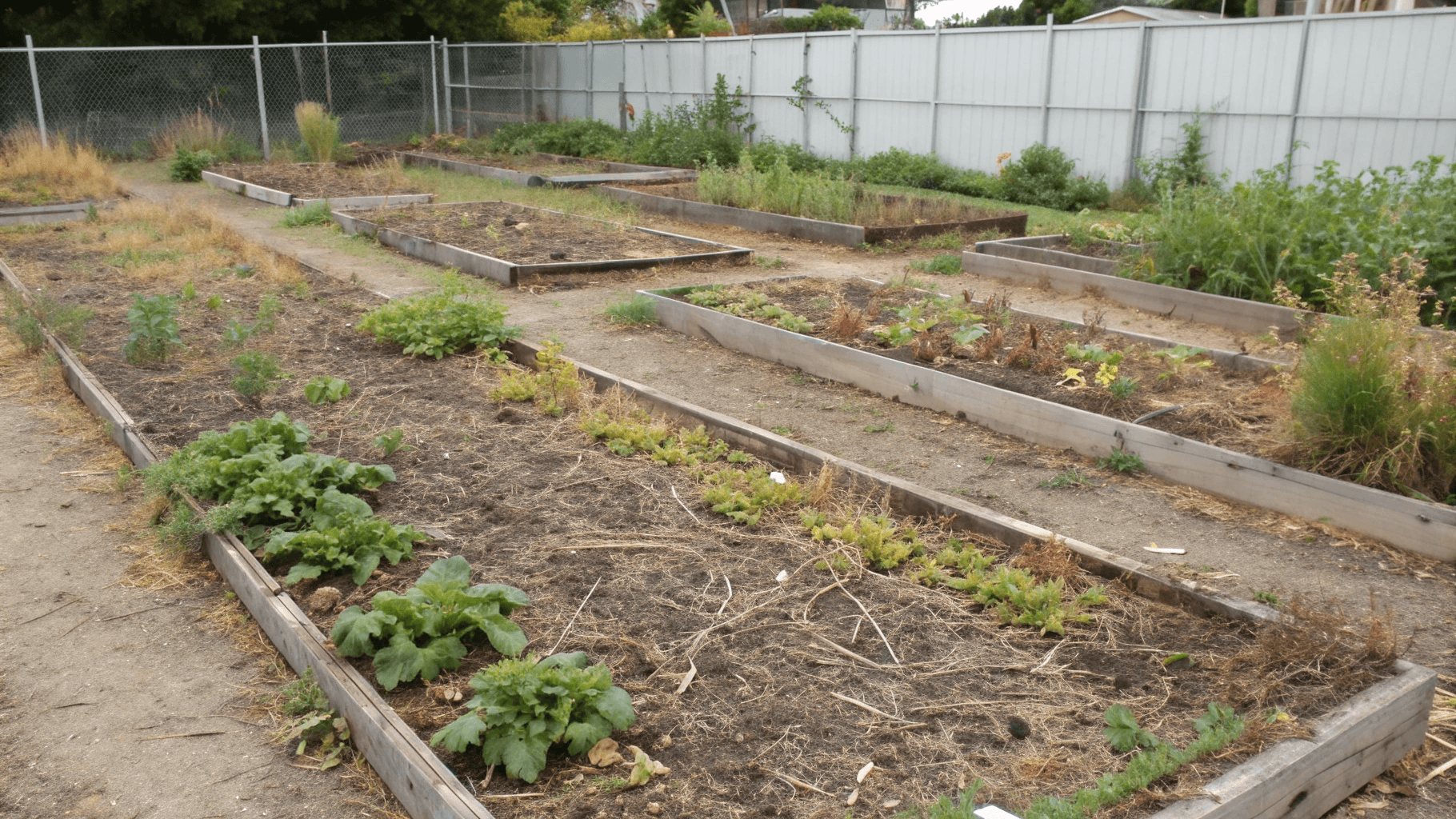
Nothing feels worse than investing in a raised bed garden only to harvest a few tiny tomatoes or a handful of lettuce. Poor yields are usually tied to just three core issues: poor spacing, insufficient soil depth, or planting the wrong things for your conditions.
Spacing Problems
When plants compete, they produce fewer fruits and become more susceptible to disease.
Fix:
- Use spacing guides on seed packets.
- Try square-foot gardening to simplify layout.
- Thin seedlings early, crowded roots cannot recover later.
Soil Depth Issues
Many popular crops need more depth than beginner gardeners expect.
If your bed is shallow, choose shallow-rooted crops or add height to the frame. I learned this the hard way after planting too densely in my early beds and wondering why everything stayed small.
| Crop | Minimum Soil Depth |
|---|---|
| Carrots | 12 inches |
| Tomatoes | 18–24 inches |
| Potatoes | 12–15 inches |
| Lettuce | 6–8 inches |
| Peppers | 12 inches |
Plant Selection Mistakes
Not all plants thrive in all climates or light conditions.
Tips
- Choose varieties bred for containers or raised beds.
- Ensure 6-8 hours of sun for fruiting crops like tomatoes and peppers.
- In partial shade, focus on leafy greens and herbs.
- Avoid planting nutrient-hungry crops in already depleted soils.
Yield Boosting Tips
- Rotate crops each year.
- Top-dress with compost mid-season.
- Keep consistent watering growth stalls during drought stress.
- Use trellises to free space and improve airflow.
Conclusion
By observing symptoms and matching them to their root causes, you can troubleshoot quickly and confidently. With a few adjustments, better soil structure, consistent mulching, pest prevention habits, or improved plant spacing, your raised beds can bounce back stronger than ever.
Most of these problems are ones I’ve had to correct myself, and once you recognize the pattern, raised bed gardening becomes far more predictable and rewarding.
Once you master these fundamentals, you’ll spend less time guessing and more time harvesting.

Leave a Reply