
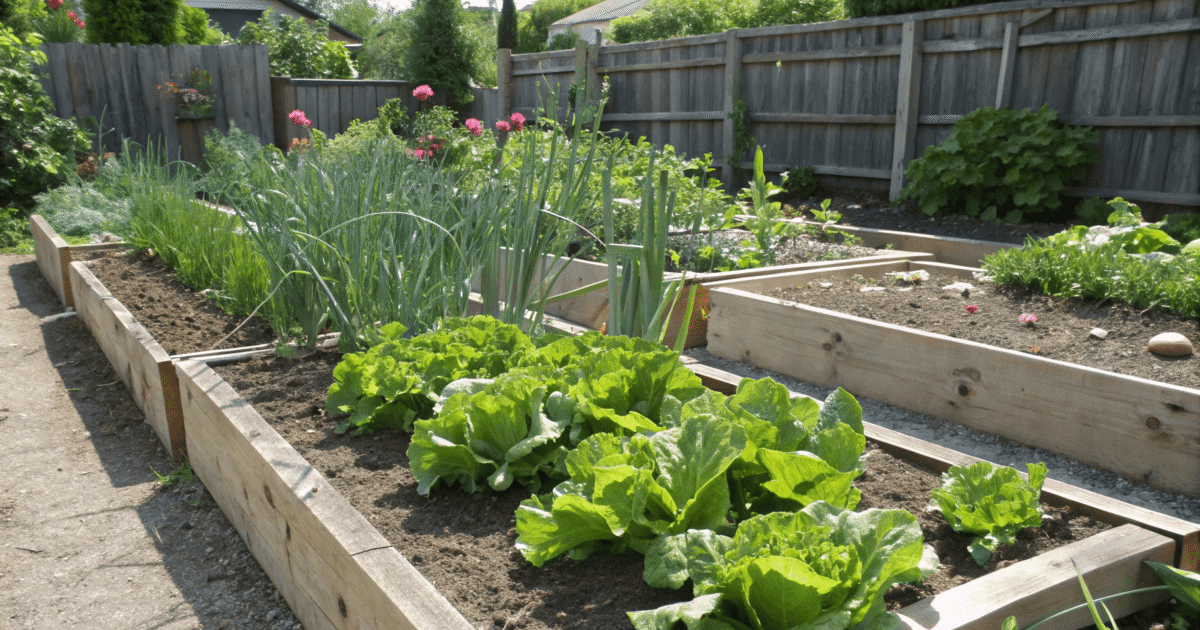
If you’re wondering what to plant in a raised garden bed, choose crops with compact roots, fast growth, and high productivity, such as leafy greens, bush tomatoes, herbs, and pollinator-friendly flowers. These plants naturally benefit from the loose soil, good drainage, and warmth that raised beds provide.
From my own raised beds, I’ve found that compact vegetables and herbs consistently outperform larger crops, especially in limited space.
But while raised beds make gardening easier, not every plant thrives in them. Some have deep roots, sprawling vines, or require more space than a typical bed can offer.
In this guide, you’ll learn exactly what to plant in a raised garden bed, including the best vegetables, herbs, and flowers for high yields and easy care.
If you want to learn more about raised beds for vegetables, read my full article – “Raised Bed Gardening for Vegetables“
Best Vegetables for Raised Beds
Raised beds shine when it comes to vegetables. Their loose, well-draining soil and improved aeration help roots establish quickly and deeply, which leads to better yields even in small spaces.
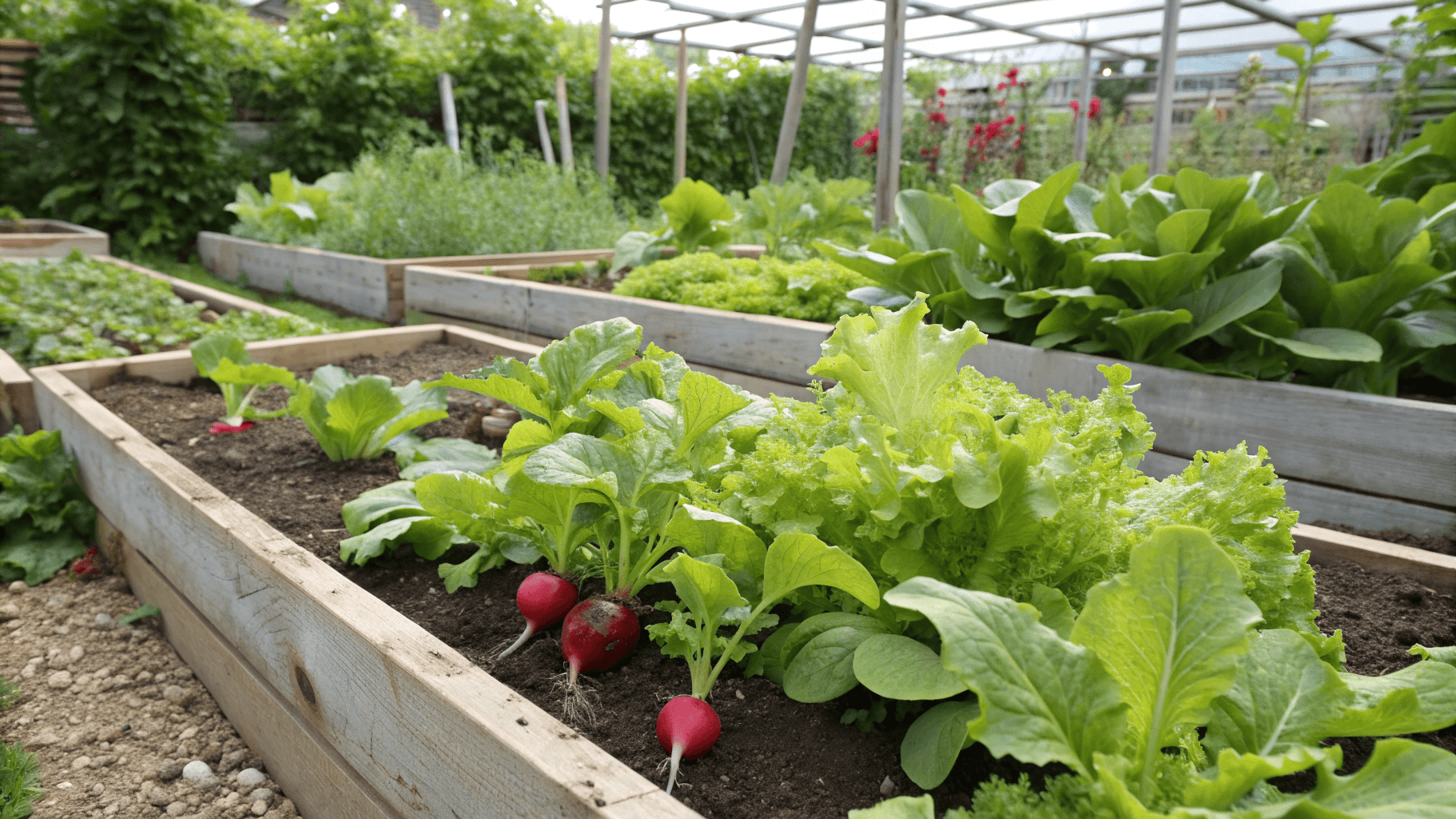
Leafy Greens
Leafy greens are practically made for raised beds. They grow quickly, don’t need deep soil, and appreciate the ability to stay cool and evenly moist.
Top vegetable options include:
- Lettuce (grows quickly and thrives in cool, loose soil)
- Spinach (prefers well-draining soil)
- Arugula
- Kale (extremely hardy and productive)
- Swiss chard
- Mustard greens
Why they do well: Their shallow roots and fast growth respond beautifully to raised bed soil, producing quick harvests that work perfectly for cut-and-come-again harvesting.
In my experience, lettuce and spinach stay cleaner and bolt later in raised beds than when I grew them directly in the ground.
Root Vegetables
Root crops demand loose, rock-free soil, something traditional ground beds don’t always offer. Raised beds allow roots to grow straight, long, and blemish-free.
- Carrots
- Radishes
- Beets
- Turnips
- Parsnips
Why they thrive:
- No soil compaction
- Adjustable depth for long varieties
- Consistent moisture helps even growth
Carrots, in particular, love deep raised beds, typically 10-12 inches or more. The improved drainage keeps roots from rotting and helps them develop better flavor and texture.
Before switching to raised beds, I struggled with forked carrots in compact soil; the difference was obvious after the first season.
Tip: Add sand or compost to make the soil even lighter. Root crops love it.
Compact or Bush-Style Vegetables
While vining vegetables can overwhelm a small raised bed, bush varieties stay tidy and productive. Many seed companies now offer compact cultivars bred specifically for container and raised-bed gardening.
Excellent bush-type vegetables include:
- Bush beans
- Peas
- Bush cucumbers
- Peppers (sweet or hot; thrive in the warmer soil temps)
- Bush zucchini or summer squash
Bush beans, for example, produce heavily and mature quickly.
Tomatoes (Especially Dwarf or Determinate Varieties)
Tomatoes are a raised-bed favorite because the soil warms quickly in spring.
Choose:
- Determinate tomatoes for limited space
- Cherry tomatoes for reliably high yields
Support them with cages or stakes and avoid overcrowding to reduce disease risk.
Why they thrive:
- Controlled size
- High yields in limited space
- Reduced need for extensive trellising
I’ve found determinate tomatoes much easier to manage in raised beds, especially when space is limited.
Zucchini and Summer Squash
While they can get large, they’re still great for raised beds if you:
- Plant just one per corner
- Guide the plant outward over the edge
- Choose compact or “bush” varieties
Onions and Garlic
Both take well to raised beds because drainage is key for bulb development. Plant garlic in the fall and onions in early spring for best results.
Broccoli, Cauliflower, Cabbage
Compact brassicas like broccoli, cabbage, and cauliflower can grow well in raised beds if spaced properly and given rich soil, though they require more nutrients than leafy greens.
Related: Raised Bed Gardening for Vegetables
Best Herbs for Raised Beds
Herbs thrive in raised beds because they love good drainage and don’t compete well with aggressive weeds found in ground-level soil.
They’re low-maintenance, fragrant, and incredibly productive, even in small spaces. Plus, many herbs improve neighboring vegetables through companion planting.
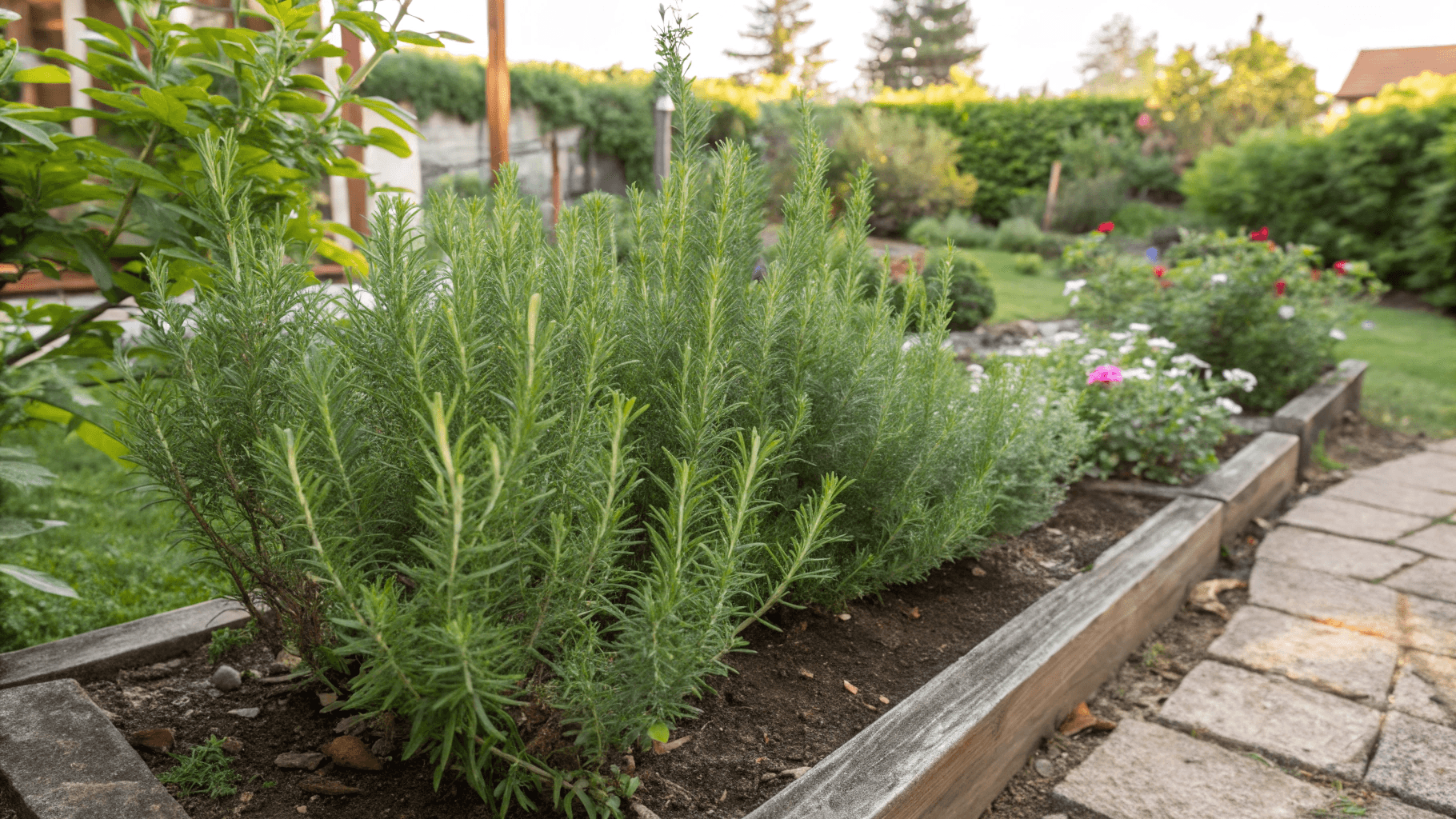
Mediterranean Herbs (Love the Warm, Dry Soil)
These prefer sunny, slightly dry conditions, well-drained soil perfect for raised beds that warm quickly:
- Rosemary (especially in climates with heavy rains or clay soil)
- Thyme
- Oregano
- Sage
They are perennial in many climates, so give them a dedicated corner.
Benefits:
- Drought-tolerant
- Can be shaped into a small hedge
- Resists pests
Soft-Stem Herbs
These prefer consistent moisture and rich soil:
- Basil: Loves the warm soil of raised beds, where drainage is excellent, and roots never sit in cold, soggy ground.
- Parsley: Grows almost year-round in mild climates; adaptable and easy to tuck into corners or borders of raised beds.
- Cilantro: Loves cool weather; great for spring and fall beds.
- Chives: Very hardy and regrows reliably.
Mint (Grow Only in a Container!)
Mint does well in raised beds, but only in a pot placed inside the bed. Otherwise, it spreads aggressively and takes over everything.
Why containerize it:
- Spreads aggressively through runners
- Can choke out vegetables and other herbs
- Containment keeps it manageable and healthy
Mint grown in a pot still benefits from the raised bed environment while staying controlled.
I learned this the hard way, planting mint directly once was enough to convince me it always needs a container.
Flowers That Improve Your Raised Bed Garden
Flowers aren’t just for beauty, they can improve pollination, repel pests, and aid vegetable health. Raised beds create the perfect environment for low-growing, beneficial companion flowers.
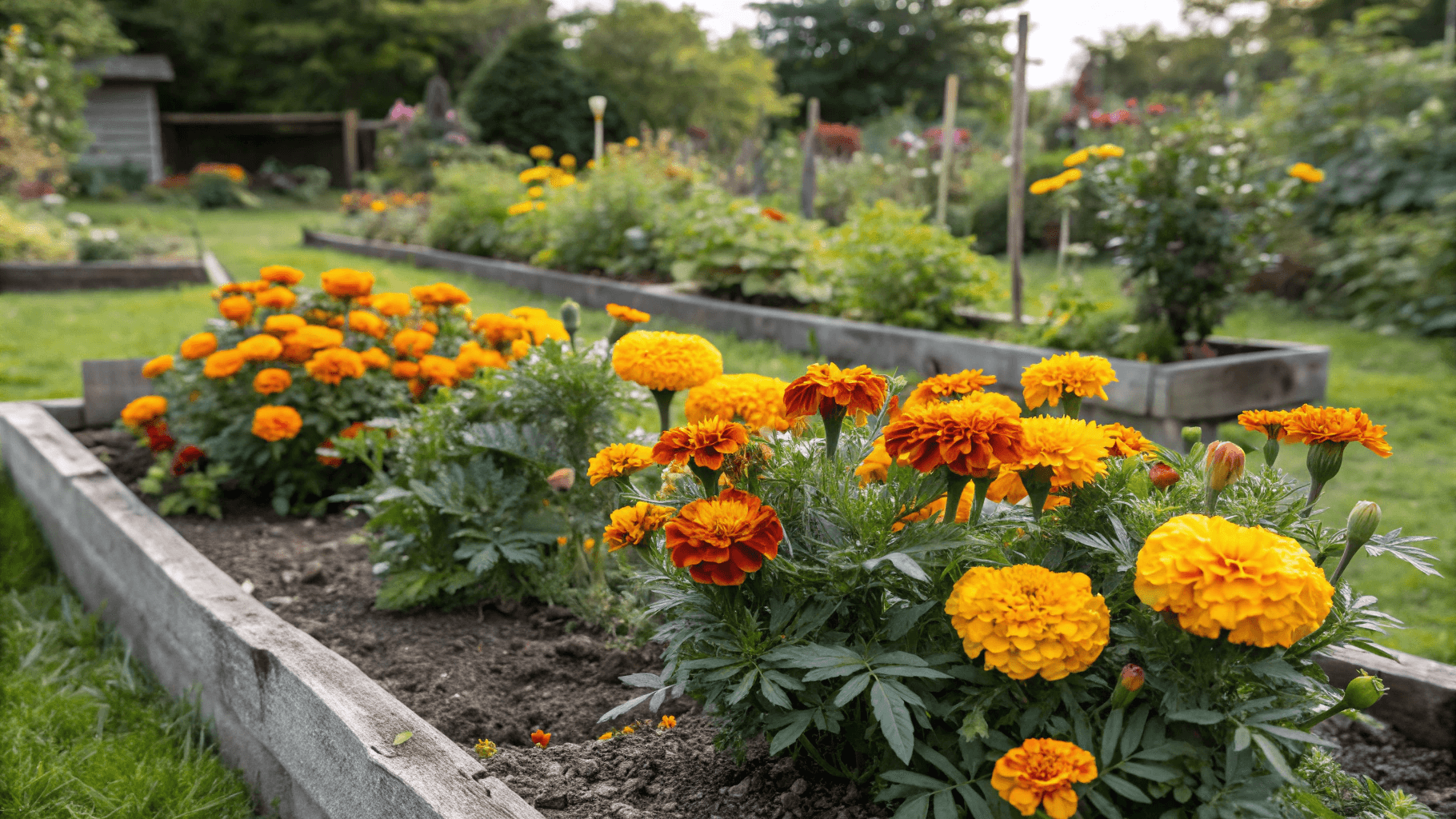
Compact Pollinator Flowers
These flowers attract bees, butterflies, and hoverflies that help vegetables set fruit. Compact varieties stay tidy and won’t overshadow your food plants.
Great pollinator options:
- Zinnias and Sunflowers (dwarf varieties; zinnias bring in bees and butterflies. Dwarf sunflowers work well in corners or along the backside of the bed for added height and pollinator support)
- Marigolds (deter pests like nematodes while attracting pollinators. Their strong scent also confuses unwanted insects)
- Calendula
- Cosmos (compact types)
- Alyssum (perfect for edging raised beds. Its tiny blooms attract hoverflies, essential for controlling aphids)
Benefits:
- Attract beneficial insects
- Add color and structure
- Improve pollination rates
Edible Flowers
Edible flowers are a wonderful dual-purpose addition, beautiful in the garden and delicious in salads, desserts, or drinks.
Top edible flower options:
- Nasturtiums
- Pansies and violas
- Borage (great for cocktails)
- Chive blossoms
- Calendula petals (attracting beneficial insects like ladybugs and parasitic wasps, which keep pest populations in check)
Nasturtiums, in particular, are raised-bed favorites. Their leaves and flowers are edible, slightly peppery, and visually stunning. They also act as a trap crop for aphids and other pests, protecting nearby vegetables.
Plants to Avoid Planting in Raised Beds
These plants aren’t “bad,” but I’ve learned they cause frustration in raised beds unless you plan for their size and growth habits.
Although raised beds are versatile, they’re not suited to every crop. Some plants require significantly more room, deeper root space, or specific conditions that raised beds don’t necessarily provide.
Large or Deep-Rooted Crops
Avoid planting the following in raised beds unless you have very large or specialized beds:
- Asparagus – A perennial that occupies space for decades
- Artichokes – Huge footprint, heavy feeders
- Rhubarb – Large leaves, deep roots
- Corn – Requires large planting areas and has strong roots that can stress bed walls
- Pumpkins and Winter Squash – Massive spreading vines and heavy fruit
- Watermelon and Cantaloupe – Long vines require yards of growing space, reduced airflow in small beds, and heavy fruit
Why avoid them:
- Massive spreading vines
- High nutrient demands
- Very heavy fruit
- Need ground-level space to roam
- Reduced airflow in small beds increases disease risk
Potatoes (With Caution)
You can grow potatoes in raised beds, but they take up a lot of space and require hilling. If you have limited room, use grow bags instead.
Invasive Herbs
- Mint
- Lemon balm
Unless contained, they spread aggressively.
Quick Rules for Choosing Raised Bed Plants
- Favor compact, shallow-rooted plants
- Choose bush or determinate varieties
- Limit one large plant per square foot
- Avoid aggressive spreaders unless contained
Companion Planting Chart for Raised Beds
Companion planting helps maximize nutrients, deter pests, and improve harvests.
Here’s a simple raised-bed-friendly guide:
| Vegetable | Best Companions | Avoid Planting With | Why |
|---|---|---|---|
| Tomatoes | Basil, marigolds, carrots, onions | Potatoes, fennel | Improves flavor and helps repel pests |
| Peppers | Basil, chives, carrots | Beans | Beans compete for nutrients |
| Carrots | Lettuce, radishes, onions | Dill | Dill can stunt carrot growth |
| Lettuce | Carrots, radishes, strawberries | Strong herbs like rosemary | Herbs can overshadow lettuce growth |
| Cucumbers | Nasturtiums, dill, sunflowers | Sage | Sage can slow cucumber development |
| Beans | Carrots, marigolds, cucumbers | Onions, garlic | Alliums can stunt bean growth |
| Beets | Lettuce, onions | Pole beans | Pole beans limit beet root growth |
| Zucchini | Nasturtiums, marigolds | Pumpkins | Prevents competition for space and nutrients |
Use this chart to plan logical groupings that help plants support one another.
Sample Raised Bed Layout (Easy Beginner-Friendly Plan)
This is similar to layouts I’ve used in a standard 4×8 raised bed. This layout balances productivity, accessibility, and companion planting principles.
Vegetable Section (Center & Back Rows)
Place your tallest crops along the north side of the bed to avoid shading shorter plants.
You can generate your own garden plan in my square foot gardening planner
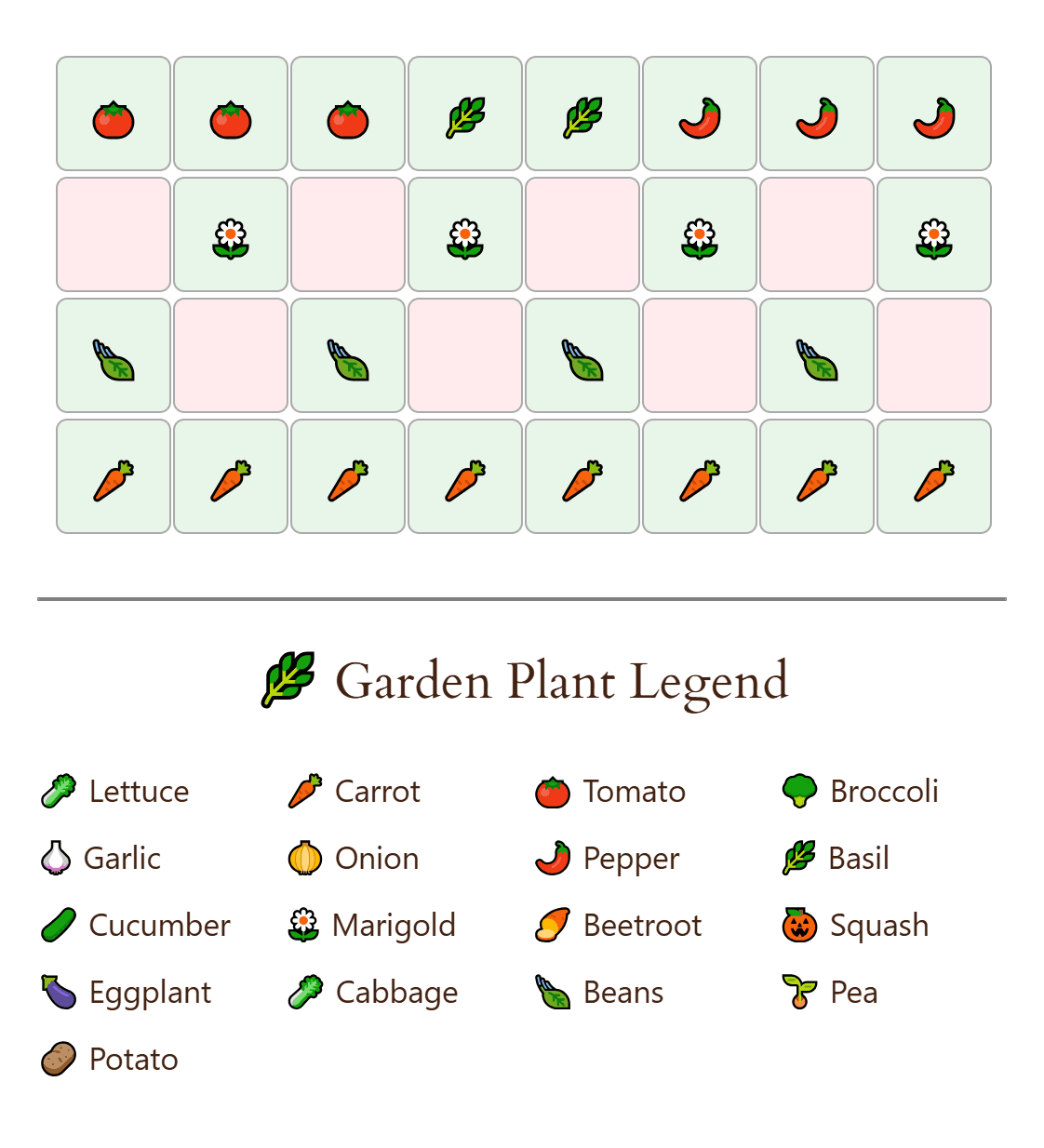
Back row (north side):
- 2-3 compact tomato plants (caged or staked)
- 2-3 pepper plants beside them
Center rows:
- One row of bush beans
- One row of carrots or beets
- Space between rows for airflow
This setup gives you a strong blend of leafy, fruiting, and root crops.
Herb Section (Corners & Borders)
Tuck herbs into places where they won’t compete with heavy feeders.
Corners:
- Basil near tomatoes
- Rosemary on a sunny corner
- Parsley along the shadier side
Mint:
Place a small pot of mint inside the bed near the edge, where it can get sun but not invade.
Flowers for Companion Planting
Integrate flowers to attract pollinators and protect crops naturally.
Edges or borders:
- Marigolds (help deter soil pests)
- Nasturtiums spilling over the sides
- Alyssum for ground cover and beneficial insects
This combination adds beauty, biodiversity, and natural pest resistance.
Related: How Deep Should a Raised Bed Garden Be
Seasonal Planting Guide (Spring/Fall)
Raised beds extend your growing season because the soil warms earlier in spring and drains better during wet periods. Here’s what to plant and when.
Spring Planting
Early Spring (Cool Season Crops):
- Lettuce
- Spinach
- Kale
- Carrots
- Radishes
- Beets
- Peas
- Broccoli
- Cilantro
- Chives
These crops prefer cool temperatures and won’t bolt as quickly in early spring.
Late Spring (Warm Season Crops):
- Tomatoes
- Peppers
- Basil
- Cucumbers
- Zucchini
- Beans
- Dill
- Parsley
Warm-weather plants thrive once nights stay above 50°F (10°C).
Fall Planting
Fall raised bed planting is similar to spring, but with an emphasis on cool-loving crops.
Best Fall Crops:
- Kale
- Spinach
- Arugula
- Radishes
- Carrots
- Beets
- Lettuce
- Garlic (planted in fall, harvested next summer)
- Cilantro
Tip: Start seeds indoors during late summer heat, then transplant into raised beds as temperatures cool.
How Many Plants Fit in a Raised Bed?
Overcrowding was one of the first mistakes I made with raised beds, and yields improved immediately once I spaced plants properly.
Raised beds make it tempting to plant too much in a small space. While the soil is richer and drainage is better, overcrowding is one of the most common mistakes beginners make.
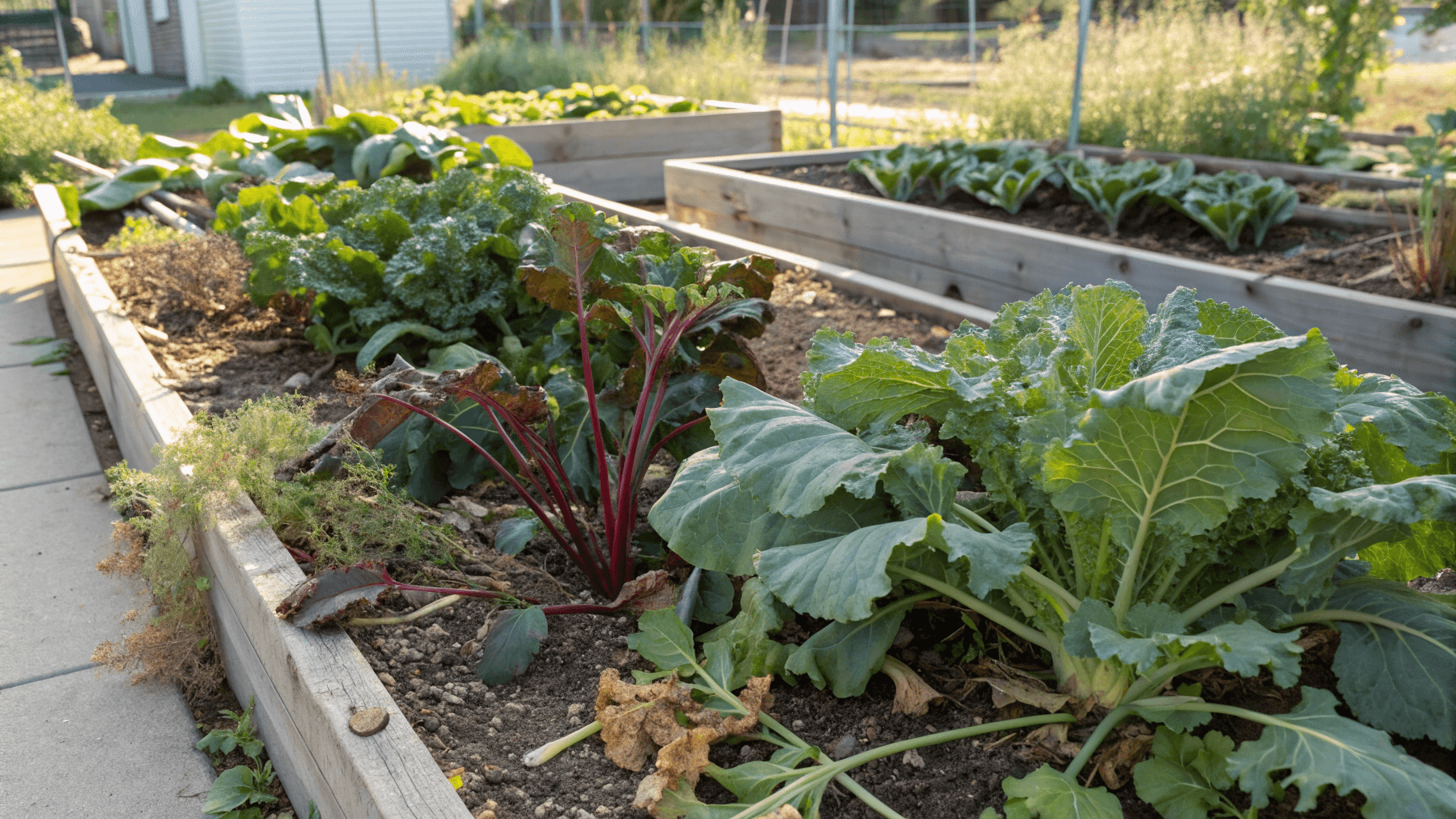
Proper spacing improves airflow, reduces disease, and leads to healthier harvests.
- Square-foot gardening as a guideline
Divide your bed into 1×1-foot sections. Each square supports a specific number of plants depending on size (for example, 1 tomato, 4 lettuce, or 16 carrots per square).
- Avoid overcrowding
Planting too closely causes competition for water and nutrients, weak growth, and smaller harvests.
- Airflow matters
Good spacing allows air to move between plants, reducing fungal diseases like mildew and blight, especially in raised beds.
Tip: When in doubt, leave more space. Plants grow bigger than they look at planting time.
Conclusion
Raised beds can become incredibly productive when filled with crops that thrive in loose, nutrient-rich soil and compact spaces. Leafy greens, root vegetables, and bush varieties are ideal choices for high-yield vegetable beds. Herbs like basil, parsley, and rosemary fit perfectly into raised-bed environments, while mint benefits from being contained.
Compact pollinator flowers and edible blooms enhance beauty and increase harvests at the same time.
Equally important is knowing what not to plant: overly large, deep-rooted, or sprawling vegetables can quickly overwhelm the limited space of a raised bed. Using companion planting strategies and seasonal planning ensures your garden remains productive year-round.
What’s worked best for me is starting with a few reliable crops, then expanding once I see how a raised bed behaves through the season.
If you’re just getting started, focus on a few reliable crops first, then expand your raised bed garden as you learn what thrives best in your space and climate.

Leave a Reply