
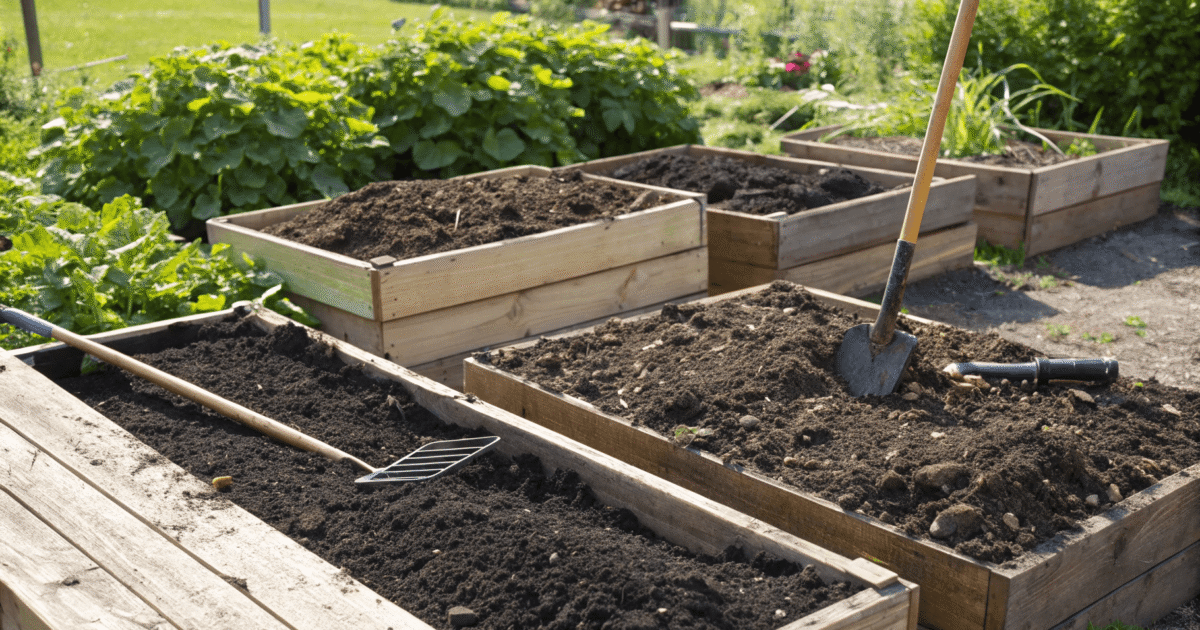
Most raised bed garden problems don’t come from pests, watering mistakes, or even weather, they come from poor soil. If the mix is too dense, roots suffocate. If it drains too fast, plants dry out. And if the nutrients aren’t balanced, growth simply stalls.
So, what is the best soil mix for raised beds? A balanced blend of 1/3 compost, 1/3 peat moss or coco coir, and 1/3 vermiculite or coarse perlite delivers excellent drainage, moisture retention, and long-term fertility for most vegetables in raised beds.
But that’s just the starting point. The best mix for you depends on your climate, budget, and what you want to grow.
Related content:
What Makes the Best Raised Bed Soil?
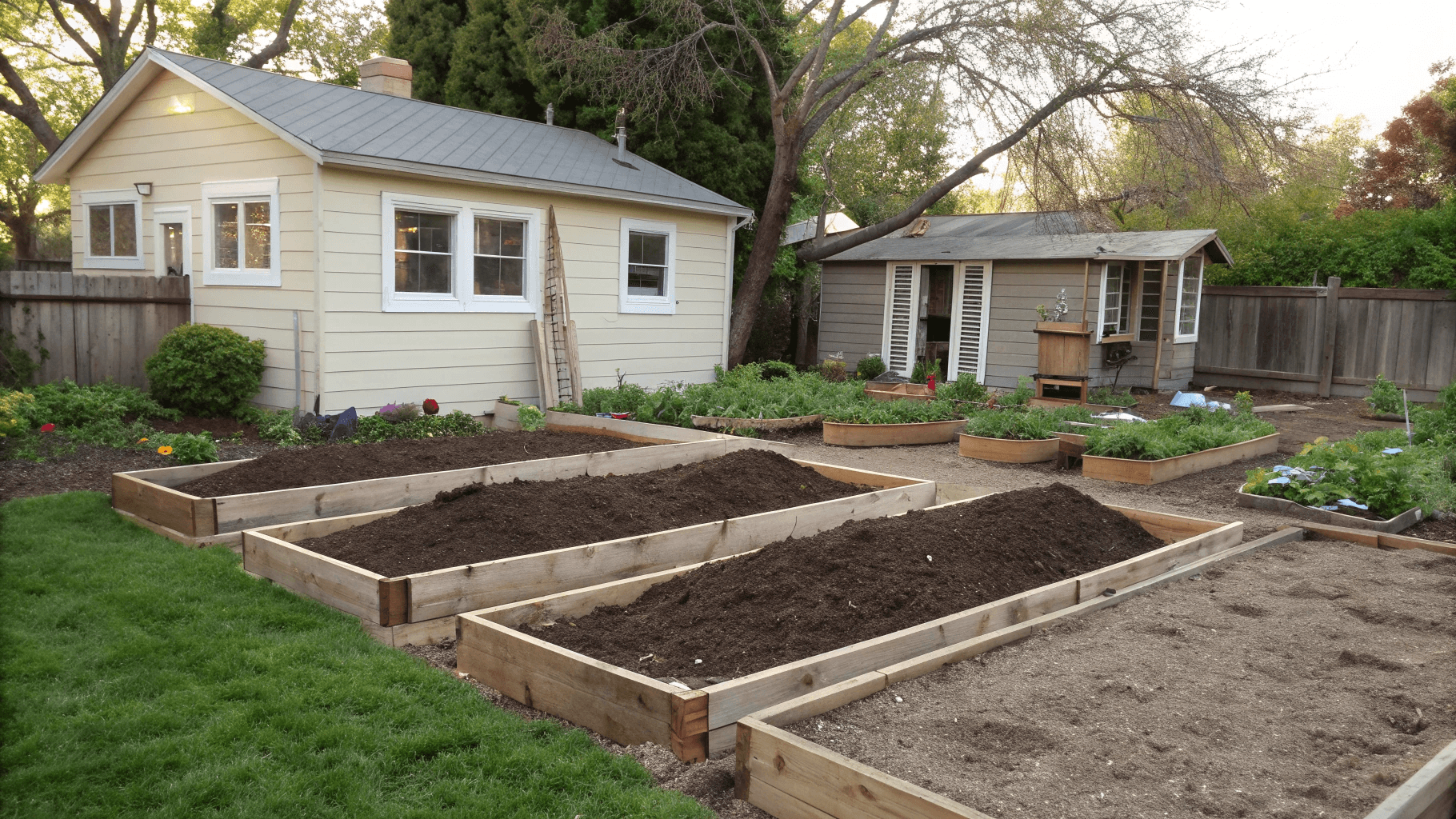
Raised beds behave differently from in-ground gardens. They warm up faster, drain faster, dry out quicker, and lose nutrients at a different rate. The ideal raised bed mix should feel light, crumbly, and slightly springy in your hands, never sticky, soggy, or sandy.
Because of that, the soil mix you use needs to balance four key qualities:
1. Good Drainage
Healthy plants need oxygen in the root zone. A soil that stays wet for too long suffocates roots, invites fungal diseases, and leads to wilting and yellowing.
Good drainage comes from:
- Coarse organic material (pine bark, shredded wood)
- Perlite or pumice
- Sand (use sparingly)
- Proper soil structure, not too much fine peat or compost
2. Aeration
Aerated soil allows roots to expand freely instead of fighting through dense, compacted material.
Aeration improves when you include:
- Perlite
- Pumice
- Biochar
- Pine bark fines
- Coarse compost
A good mix includes organic matter plus materials that create fluff and aeration.
A healthy soil structure:
- allows roots to spread easily
- prevents compaction
- holds moisture but not too much
- creates a living environment for worms and microbes
3. Organic Matter
Organic matter feeds soil microbes, retains moisture, and increases long-term fertility. But too much soft, wet compost can make the soil heavy and anaerobic.
Aim for a balance: around 30-40% compost in most climates.
4. Balanced Nutrients
Unlike ground soil, raised beds drain vertically, meaning nutrients can wash out faster. A great mix includes ingredients that hold onto nutrients instead of letting them wash away.
These include:
- Compost
- Coco coir
- Biochar
- Worm castings (small amounts)
When these four elements come together, you get a mix that’s loose, airy, fertile, and resilient through all seasons.
Best Soil Mix for Raised Beds #1: Beginner-Friendly Basic Mix
If you’re new to gardening or need a simple formula that works in almost any climate, this is the classic blend.
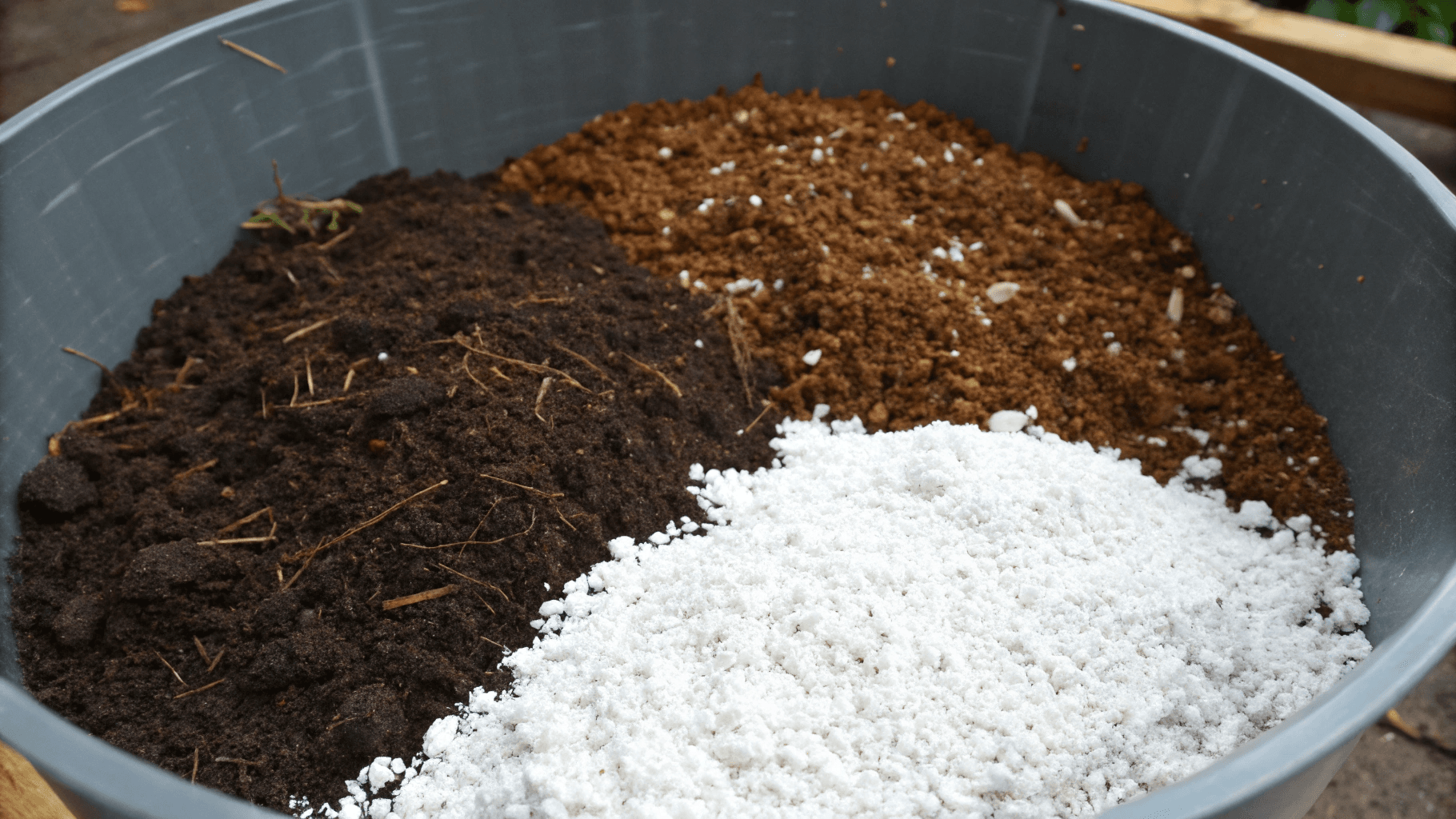
Basic Raised Bed Soil Mix (Compost + Peat/Coco + Vermiculite)
- Best for: beginners, vegetables, herbs
- Why it works: balanced drainage + moisture
- Watch out: don’t overdo compost
Use equal parts:
- 1/3 Compost
- 1/3 Coconut Coir or Peat Moss
- 1/3 Aeration material (perlite, vermiculite, pumice, or coarse sand)
This formula is often called the “classic 3-part raised bed mix”, and it’s perfect for most vegetables and herbs.
Here’s what each ingredient does:
Compost (1/3)
Compost is the powerhouse of the mix. It provides:
- slow-release nutrients
- beneficial microbes
- improved soil structure
- natural disease prevention
Mix several types of compost, such as mushroom compost, manure compost, and plant-based compost. Diversity gives a better nutrient balance.
Peat Moss or Coco Coir (1/3)
This part of the mix is for moisture retention. Raised beds dry out fast, so you need a material that acts like a sponge.
Peat moss:
- holds moisture extremely well
- lightweight
- slightly acidic
Coco coir:
- renewable and eco-friendly
- neutral pH
- Rehydrates more easily than peat
Either works, though coco coir is preferred for sustainability.
Vermiculite or Perlite (1/3)
This is the drainage/aeration component.
Vermiculite:
- holds moisture
- adds calcium and magnesium
- best for water-loving plants
Perlite:
- improves drainage
- prevents compaction
- best for dry climates or heavy clay compost
Most gardeners use coarse vermiculite because it balances water retention with drainage beautifully.
How to Measure Ratios
You don’t need to overthink this. Use:
- A 5-gallon bucket
- A wheelbarrow
- A scoop
- Anything that lets you measure in equal amounts
As long as your parts are consistent, the ratio will be correct.
How to Blend the Mix Properly
- Add your compost first. Break up any clumps.
- Mix in the coir/peat evenly until the blend looks uniform.
- Add your aeration component last and fold it in gently.
Avoid over-mixing; you want the ingredients distributed, not pulverized.
When This Mix Works Best
Choose this recipe if:
- You want a reliable, no-nonsense starting point
- You’re growing leafy greens, herbs, peppers, tomatoes, or root crops
- You want a forgiving blend that doesn’t “go bad” easily
- You need something budget-friendly
If you want higher yields, bigger plants, and better moisture balance, the next recipe is for you.
Best Soil Mix for Raised Beds #2: High-Yield Professional Mix
Professional growers rarely use the simple 3-part recipe. Their mixes are richer, better structured, and tailored for heavy-feeding crops. This next blend is designed for gardeners who want abundant harvests.
- Best for: heavy feeders, high yields
- Why it works: higher nutrient density + structure
- Watch out: needs seasonal top-ups
High-Yield Raised Bed Recipe
- 40% Compost (screened, high-quality)
- 30% Coconut Coir or Peat Moss
- 20% Aeration material (pumice, perlite, or pine bark fines)
- 10% Additives such as:
- Biochar (charged with compost tea)
- Worm castings
- A small amount of composted manure
- A mineral blend (azomite, basalt rock dust)
Why This Mix Produces Bigger Yields
- Higher compost = higher fertility
- Pine bark fines or biochar improve long-term structure
- Minerals help replace what vegetables remove each season
- Better moisture balance = less stress on plants
This is an excellent choice for:
- Tomatoes
- Squash and zucchini
- Cucumbers
- Melons
- Brassicas (broccoli, cabbage, cauliflower)
- Cut flowers
But depending on your climate, your soil may need adjustments. Let’s look at how to tweak mixes for where you live.
Soil Mix Recipe #3: Topsoil-Enhanced Garden Blend
If you prefer a more traditional, long-lasting soil texture in your raised beds, this topsoil-based mix is a great alternative. It gives your garden a sturdy structure while still keeping it rich and workable.
- 40% topsoil
- 40% compost
- 20% aeration material (perlite, pumice, or pine bark fines)
This mix works best when the topsoil is screened, weed-free, and mixed thoroughly with compost and aeration material.
This mix is:
- It’s heavier
- It holds nutrients longer
- It drains a bit slower
- It’s more “garden-like”
Fully Organic Variation (Peat-Free Option)
If you want to avoid peat and vermiculite/perlite:
40% compost
40% screened topsoil
20% shredded leaves or finished leaf mold
This mix is extremely eco-friendly and high in organic matter. The leaf mold creates natural aeration and behaves similarly to peat moss.
How Much Soil Do You Need?
Most gardeners underestimate how much soil a raised bed actually needs.
Here’s a quick way to calculate it:
Soil Formula
Length (ft) × Width (ft) × Depth (ft) = Cubic feet needed
If your measurements are in inches, convert first:
- 6 inches = 0.5 ft
- 12 inches = 1 ft
- 18 inches = 1.5 ft
Example
A 4×8 bed filled to 12 inches:
4 × 8 × 1 = 32 cubic feet
Most soil is sold in:
- 1.5 cu ft bags
- 2 cu ft bags
- by the cubic yard (27 cu ft)
32 cubic feet = 1.2 cubic yards
| Bed Size (ft) | Depth | Soil Needed |
|---|---|---|
| 4 × 4 | 12 in | 16 cu ft |
| 4 × 8 | 12 in | 32 cu ft |
| 4 × 8 | 18 in | 48 cu ft |
| 2 × 8 | 12 in | 16 cu ft |
| 3 × 6 | 12 in | 18 cu ft |
Climate-Specific Adjustments
The same soil mix can act very differently depending on temperature, humidity, rainfall, and wind. Here’s how to adapt your raised bed blend to match your local climate.
Hot, Dry Climates (Arizona, Texas, Southern California)
Your biggest issue: water evaporates too quickly.
You need a mix that holds moisture without turning into mud.
Add:
- Extra coco coir (+10-15%)
- Extra compost (+10%)
- A small amount of clay-based topsoil (5-10%)
Avoid:
- Too much perlite, it increases drying
- Fine bark mulch, it breaks down fast
If your summers are extremely hot, consider deep mulching with:
- Straw
- Wood chips
- Shredded leaves
This keeps moisture in and roots cool.
Humid or Rainy Climates (Pacific Northwest, Southeast)
Your biggest issue: the soil stays too wet.
You need more drainage to prevent rot and fungal diseases.
Add:
- More aeration material (+10-20%)
- Pine bark fines (amazing for drainage)
- Biochar (helps oxygen flow)
Avoid:
- Heavy compost mixes
- Excess coco coir (it holds moisture)
If your garden gets torrential rain, slightly raise the soil surface into a gentle mound to encourage runoff.
Cold or Short-Season Climates (Midwest, Northeast, Canada)
Your biggest issue: soil warms up slowly.
You need a mix that:
- Drains quickly
- Has dark material to absorb heat
- Isn’t too heavy
Add:
- Extra compost (for heat absorption)
- Deep brown topsoil (to retain warmth)
- Perlite or coarse sand (to improve drainage after snowmelt)
Also helpful:
- Black mulch or landscape fabric early in spring
- Warm-weather covers (low tunnels or row fabric)
Fast-warming soil = earlier planting and better yields.
Common Soil Problems and Fixes
Even with the best recipe, issues can happen, especially if compost quality varies or your climate shifts.
Here’s how to troubleshoot the most common raised bed soil problems.
1. Compaction
Symptoms: Hard soil, poor drainage, struggling roots
Fixes:
- Mix in more aeration material (perlite, pumice, pine bark fines)
- Add compost to reintroduce organic structure
- Avoid overwatering
- Never step in the beds
2. Water Pooling or Slow Drainage
Symptoms: Standing water, root rot, fungus, wilted plants
Fixes:
- Add 10-30% pine bark fines for structure
- Add coarse perlite
- Reduce peat/coco coir
- Ensure beds have no plastic lining at the bottom
3. Yellowing Leaves (Nutrient Deficiencies)
Common causes include:
- Too little compost
- Overwatering washes nutrients away
- Soil pH imbalance
Fixes:
- Add compost or worm castings
- Check pH (ideal range: 6.0-7.0)
- Add slow-release organic fertilizer
- Ensure the soil drains properly
4. Mushy, Sour-Smelling Soil
This means the soil has gone anaerobic, usually from too much compost or poor drainage.
Fixes:
- Add pine bark fines or perlite
- Stop adding soft, wet compost for the season
- Loosen soil by mixing gently (don’t overdo it)
Healthy garden soil should smell earthy, not swampy.
Refreshing Soil Each Season
Raised beds don’t need to be emptied every year. In fact, you should keep the soil in place and simply refresh it.
Here’s how to maintain it so it grows better over time.
1. Top-Dress With 1-2 Inches of Compost
Do this every spring. It replenishes nutrients and feeds the soil microbiome.
Use:
- shredded leaves
- straw
- grass clippings
- wood chips (only on top, not mixed in)
Avoid dumping giant amounts at once, too much compost creates heavy, wet soil.
2. Mix in Fresh Organic Matter
Once a year, add:
- A handful of biochar
- A small amount of worm castings
- Shredded leaves or fine bark
This keeps soil structure fluffy and alive.
3. Check and Adjust pH
Most vegetables include:
- Slightly acidic to neutral soil (6.0-7.0)
If pH is off:
- Add lime for acidic soil
- Add sulfur for alkaline soil
A simple $10 pH test kit will save you from dozens of gardening headaches.
4. Avoid tilling
Tilling disrupts worms and microbes. Instead, practice:
- top-dressing
- light fluffing with a hand fork
- surface composting
Related: How to Water Raised Beds the Right Way
Soil Additives: When and How to Use Them
A good soil mix doesn’t need many extras. But in certain cases, additives can correct imbalances or boost growth.
You can find a lot of different options on Amazon
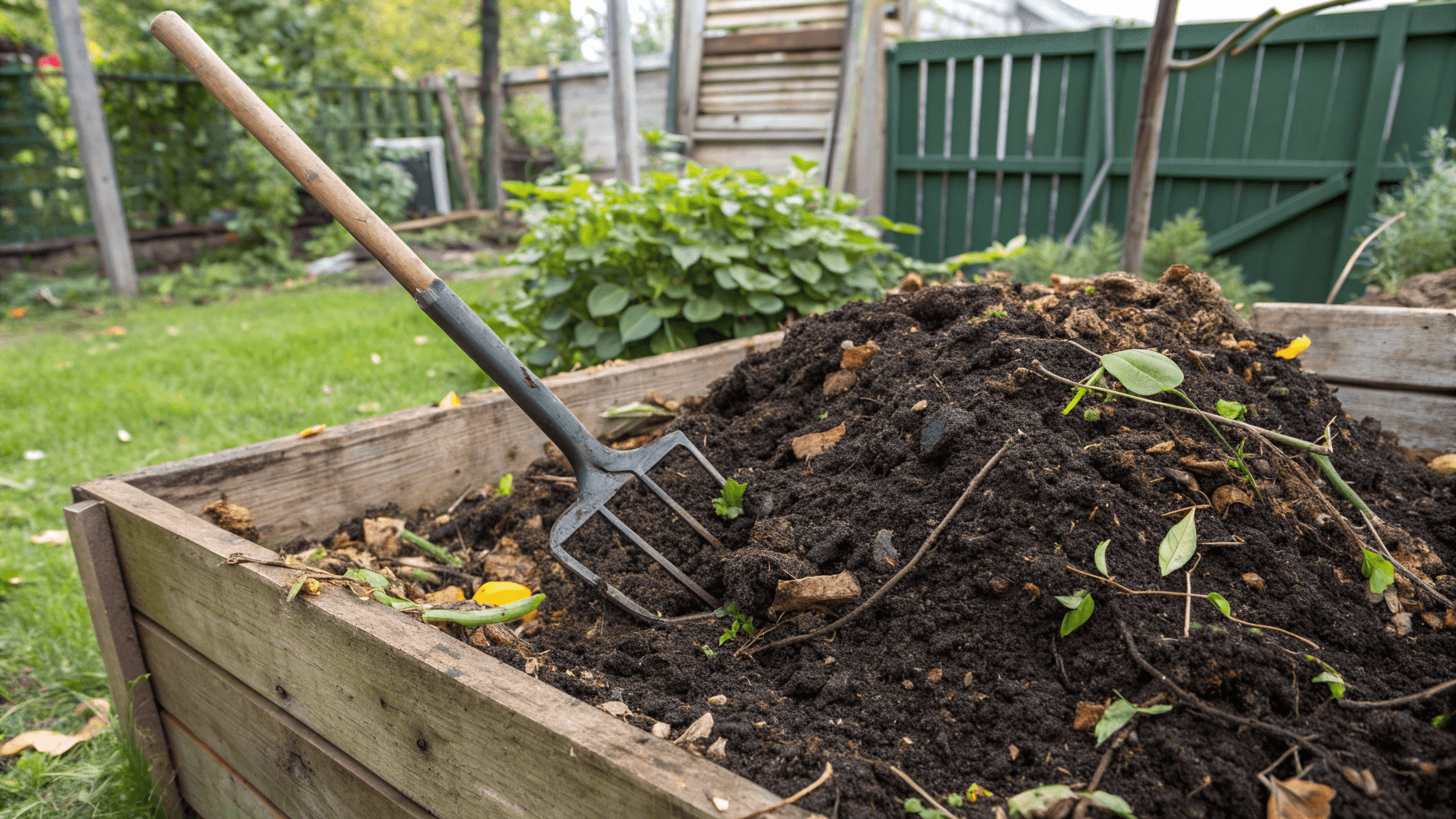
Compost
When to use:
- plants look pale or slow
- soil compacts easily
- spring bed prep
How much: Add 1-2 inches as a top layer yearly.
Biochar
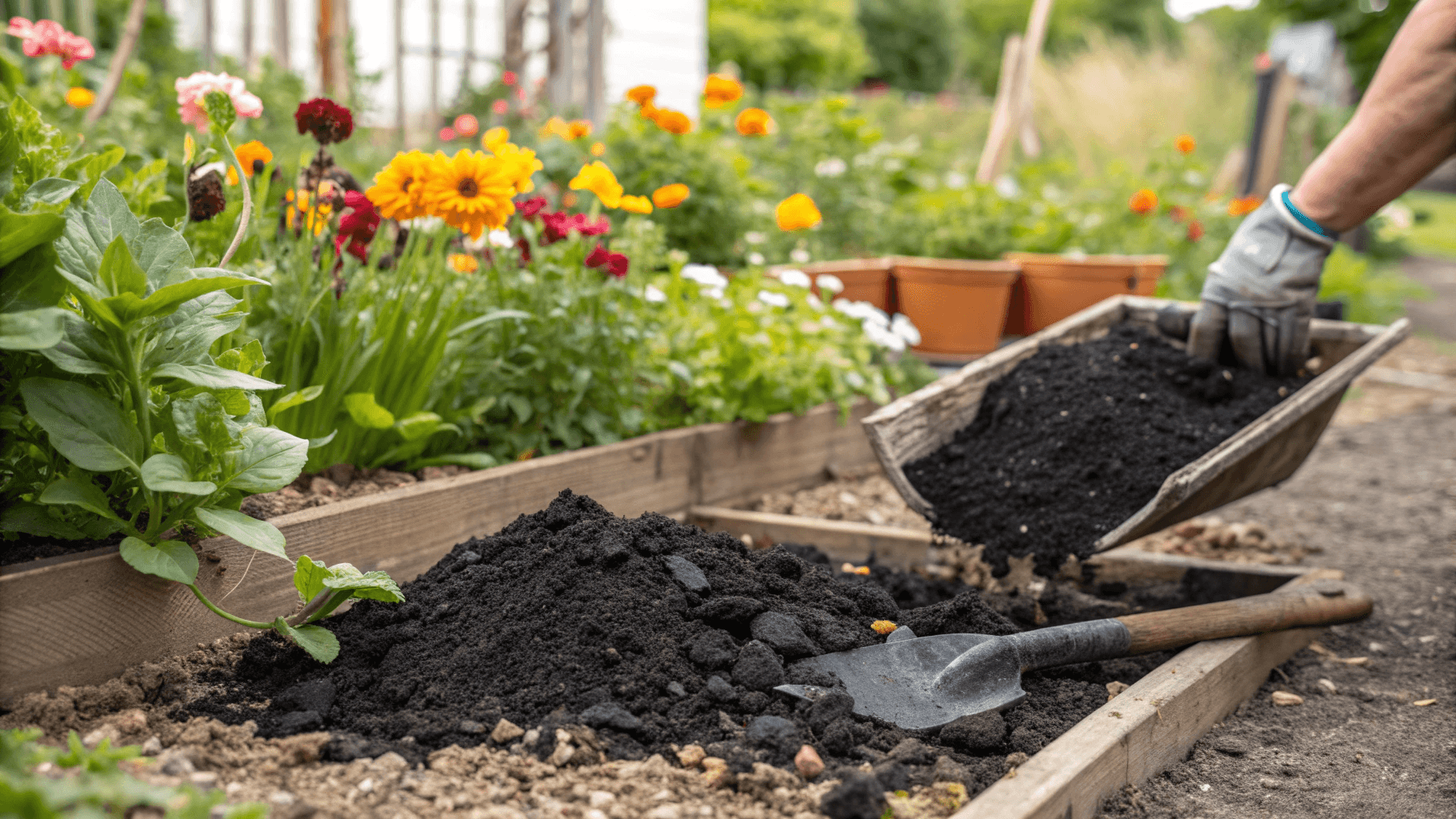
Biochar is charcoal made for soil use. It’s lightweight, long-lasting, and excellent for microbial activity.
You can find biochar on Amazon as well
Benefits:
- improves drainage
- holds nutrients
- boosts microbial life
Use at: 5-10% of your soil mix.
Important: Charge biochar first by soaking it in compost tea or mixing it with finished compost.
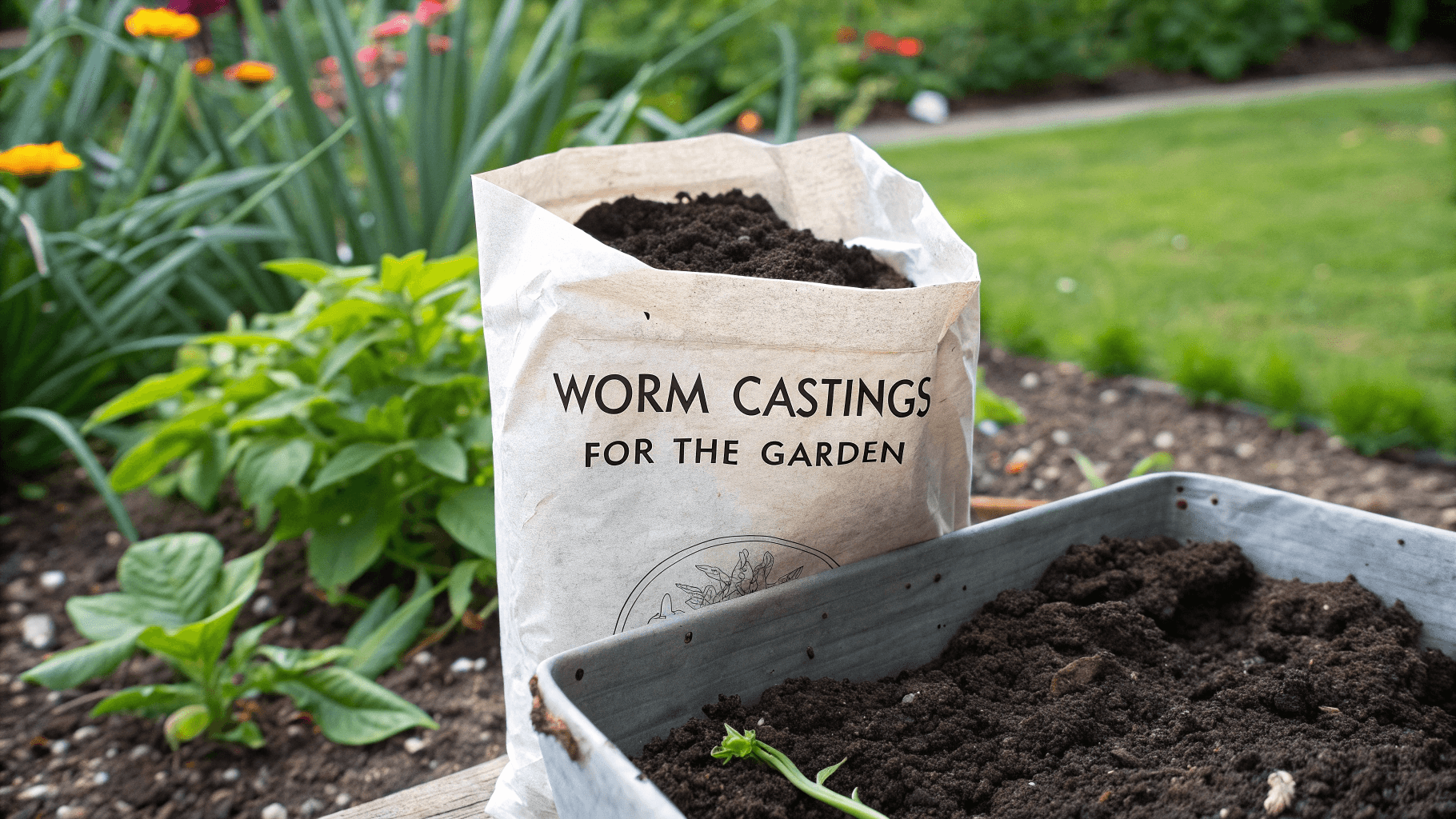
Worm Castings
Pure, gentle, organic fertilizer.
If you don’t have a home-made one, here you can search for the best that fits you.
When to add:
- seedlings
- tomatoes
- peppers
- root crops
Use rate: 2-4 cups per square foot mixed into the top few inches.
Slow-Release Organic Fertilizer
Good for heavy feeders or nutrient-poor compost.
I assume that you won’t have that one, either, so you can choose one of the slow-releasing organic fertilizers on Amazon
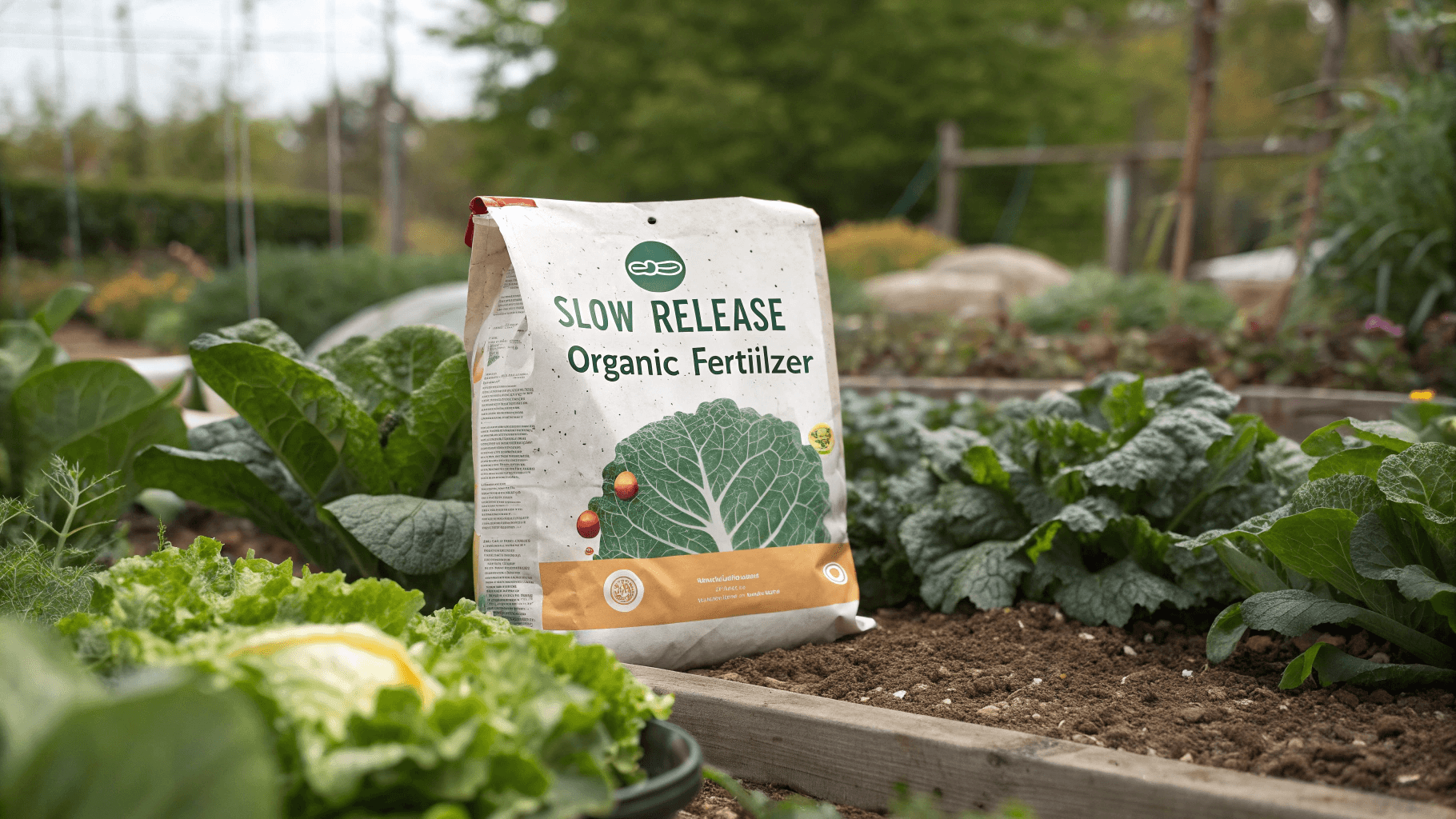
Choose organic fertilizers like:
- tomato-tone
- garden-tone
- fish meal
- bone meal
- kelp meal
Use sparingly; too much nitrogen creates leafy growth with few fruits.
Conclusion
Great gardening doesn’t start with fancy fertilizers, it starts with the right soil.
With the recipes in this guide, you now have the exact formulas professional growers rely on. Whether you want a simple beginner-friendly mix or a high-yield blend designed for heavy feeders, the key is understanding the balance of drainage, aeration, organic matter, moisture retention, and nutrient capacity.
When you adjust your soil mix to match your climate, raised beds become far more forgiving, and it all starts with what you put in them today.

Leave a Reply