
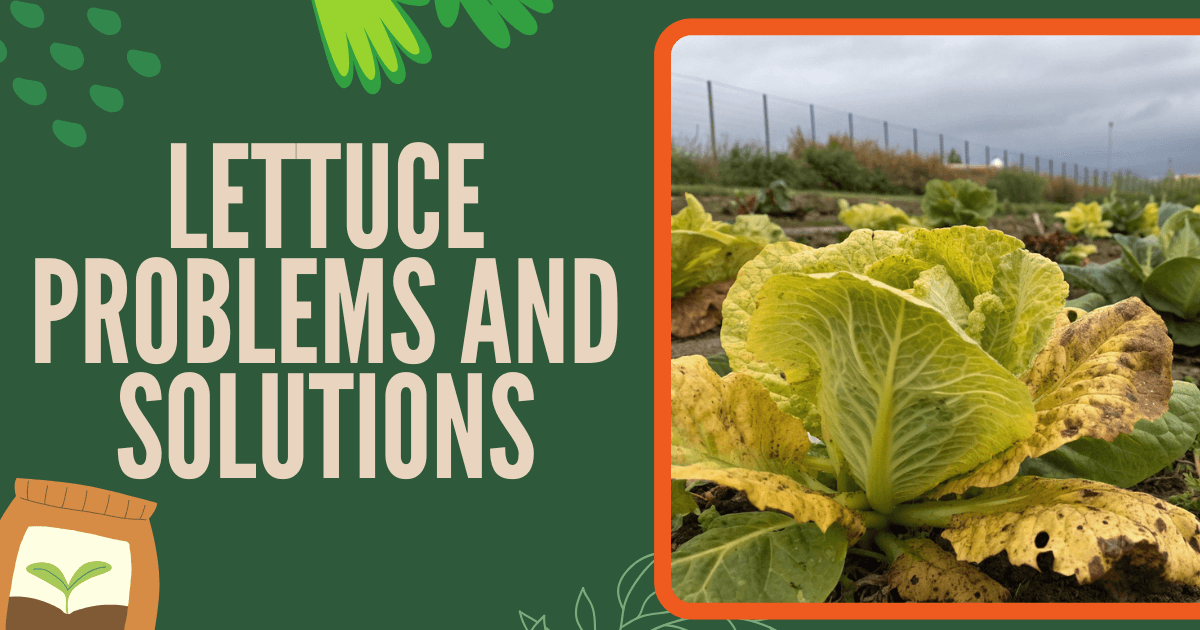
Few things are as disappointing as picking a fresh bowl of homegrown lettuce only to find leaves that taste bitter, look pale, or barely grew at all. While lettuce is often considered one of the easiest garden crops, it’s also one of the quickest to show stress.
Most lettuce problems come down to three things: heat, watering issues, or soil quality. When any of these get out of balance, the plant responds immediately with flavor changes, color shifts, stunted growth, or drooping leaves.
Common Lettuce Problems
Growing lettuce seems simple, but this cool-season crop can be surprisingly sensitive. When the weather heats up, watering isn’t consistent, or the soil isn’t quite right, lettuce responds fast often with bitter flavor, yellowing leaves, or slow growth.
Every one of these issues has a clear cause and an easy fix.
Bitter Lettuce Leaves
Bitter lettuce is by far the most common complaint among gardeners. When temperatures rise or plants experience stress, lettuce changes flavor rapidly. The leaves may look perfectly fine, but the taste becomes sharp or unpleasant.
Why Lettuce Turns Bitter
- Heat stress (temps above 80-85°F)
- Inconsistent watering
- Old leaves that sat too long on the plant
- Varieties prone to bitterness
- Plants beginning to bolt (go to seed)
Lettuce is a cool-season plant, so even a short warm spell can trigger chemical changes in the leaves.
How to Fix It
1. Keep plants consistently moist
Dry soil causes bitterness quickly. Water deeply, especially during warm weeks, keeping the soil evenly damp.
2. Provide shade during heatwaves
Use 30-40% shade cloth or plant lettuce where it gets afternoon shade from taller crops.
3. Harvest earlier
The larger and older lettuce becomes, the stronger the flavor. Cut heads young or pick outer leaves every 2-3 days.
4. Mulch heavily
Mulch helps cool the soil and maintains moisture, two things lettuce depends on.
5. Choose heat-tolerant varieties
Some lettuces naturally resist bitterness. ‘Buttercrunch,’ and ‘Summertime’ are reliable choices.
Yellow or Pale Lettuce
Yellowing lettuce leaves usually point to water or nutrient issues, but too much sun can also cause a washed-out appearance.
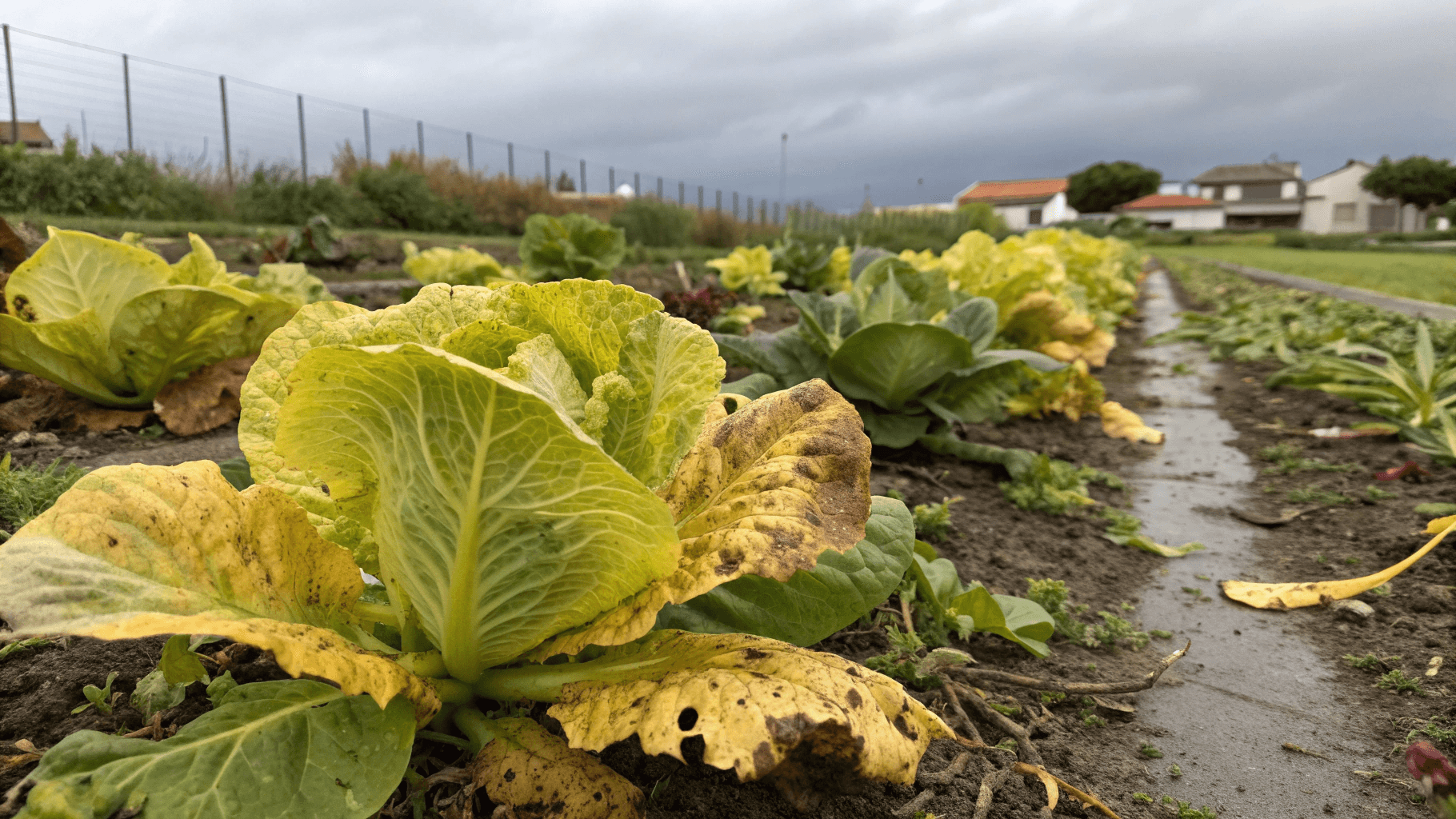
Why Lettuce Turns Yellow
- Overwatering
- Poor drainage
- Nitrogen deficiency
- Intense sunlight or sunscald
- Natural aging of lower leaves
Because lettuce has shallow roots, any disruption in water balance shows up quickly.
How to Fix It
1. Improve drainage
If water pools around your lettuce, loosen the soil with compost, perlite, or coarse sand.
2. Add nitrogen-rich fertilizer
Lettuce needs steady nitrogen for green growth. Use fish emulsion, compost tea, or a balanced organic blend.
3. Adjust watering habits
The top inch of soil should feel slightly damp, not soggy or bone dry.
4. Provide midday shade
This prevents bleaching in hot climates.
5. Remove old bottom leaves
These naturally yellow and don’t indicate a problem.
Slow Growth or Tiny Leaves
Slow-growing lettuce often signals poor soil preparation or environmental stress. Because lettuce grows fast, it quickly reacts when something isn’t right.
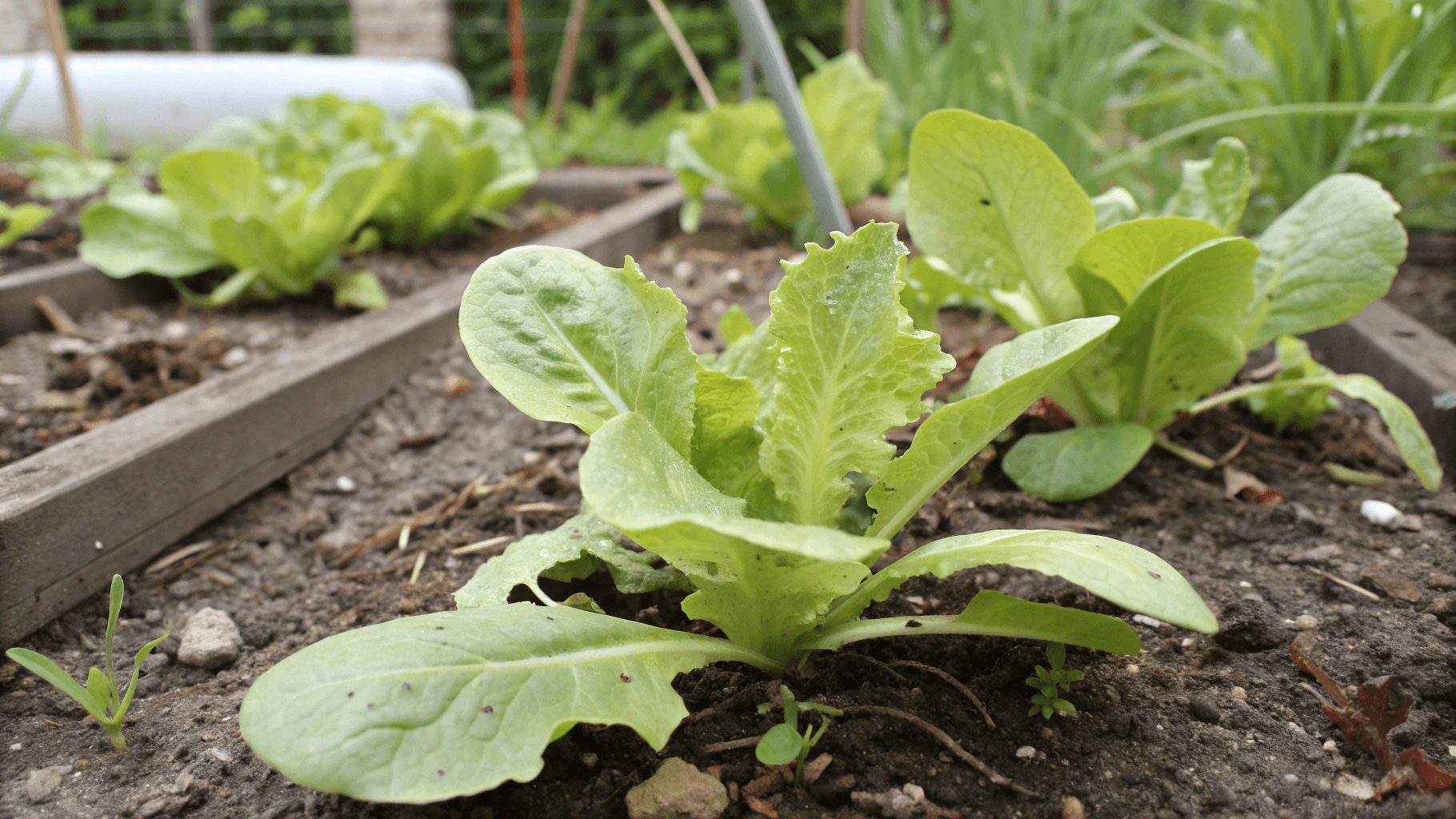
Common Causes
- Compacted soil
- Low nutrients
- Heat stress
- Not enough spacing
- Too much shade
Lettuce needs loose, nutrient-rich soil and cool temperatures to thrive.
How to Fix It
1. Prepare soil generously before planting
Mix in compost or aged manure to create a fluffy, fertile bed.
2. Space plants properly
Crowded plants stay small. Space looseleaf types 6-8 inches apart and romaine 10-12 inches apart.
3. Fertilize lightly but regularly
Use a mild fertilizer every 2-3 weeks during early growth.
4. Keep the soil cool
Grow in early spring, late fall, or under shade cloth in warm regions.
5. Ensure enough sunlight
Lettuce needs at least 5-6 hours of sun, but filtered light works best in hot climates.
Wilting or Sunburned Lettuce
Wilting lettuce doesn’t always mean the plant needs water. Sometimes it’s the opposite, too much water, too much heat, or transplant shock.

Signs of Stress
- Midday wilting that improves at night – heat stress
- White, papery patches – sunburn
- Constant drooping – overwatering or root problems
- Floppy leaves after transplanting – transplant shock
How to Fix It
1. Water deeply early in the day
Morning watering helps cool the soil before heat peaks.
2. Provide temporary shade
A simple shade cloth protects lettuce during extreme heat.
3. Improve air flow
Thin crowded beds to reduce trapped heat.
4. Avoid overwatering
If soil stays wet, let it dry slightly before the next watering.
5. Mulch immediately
It prevents both wilting and sunburn by stabilizing soil temperature.
Pests – Downy Mildew, Aphids, Slugs and Caterpillars
Lettuce attracts plenty of pests, but the good news is they’re easy to control naturally.
Downy Mildew
Downy mildew is one of the most common lettuce diseases, especially in cool, damp weather. It causes yellow patches and fuzzy mold under the leaves.
It spreads fast in cool, damp weather and can damage entire lettuce beds if not treated early.
How to Fix It
- Water at the soil level, not overhead
- Remove and discard infected leaves
- Apply organic sprays like neem oil or copper if the disease is spreading
- Avoid watering in the evening to keep leaves dry overnight
- Choose disease-resistant lettuce varieties when possible
Aphids
These tiny insects cluster under leaves, sucking sap and deforming new growth.
How to Fix It
- Spray with a strong burst of water
- Use neem oil or insecticidal soap
- Encourage ladybugs
- Remove heavily infested leaves
Slugs and Snails
They leave ragged holes and slime trails, especially in moist environments.

How to Fix It
- Beer traps
- Crushed eggshells or diatomaceous earth around plants
- Nighttime handpicking
- Remove mulch or debris where they hide
Caterpillars
Such as cabbage loopers or cutworms. They chew large holes in leaves.
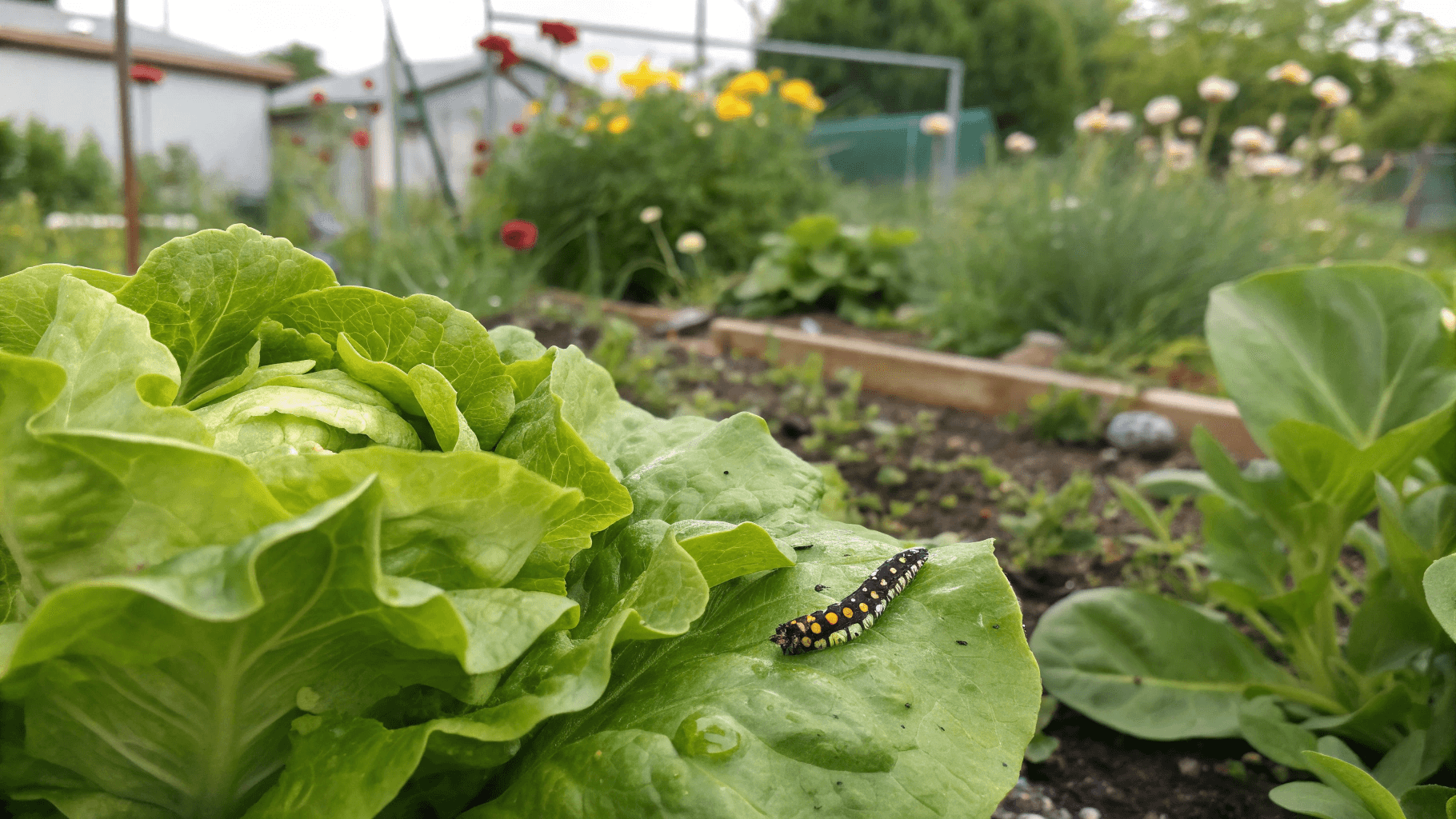
How to Fix It
- Handpick
- Use floating row covers
- Apply BT (Bacillus thuringiensis), an organic caterpillar control
How to Recover Stressed Lettuce
Lettuce bounces back quickly once its growing conditions improve. Even plants that look tired or bitter can recover with a bit of care.
What Stress Looks Like
- Bitter taste
- Drooping or wilting
- Pale leaves
- Slow growth
- Early bolting
How to Fix It
1. Trim damaged leaves
This redirects the plant’s energy into fresh growth.
2. Water deeply and consistently
Avoid shallow, frequent watering and aim for steady moisture.
3. Add light shade
Particularly useful for recovering plants in hot weather.
4. Feed lightly
Lettuce grows fast and needs steady nutrition, especially nitrogen. A half-strength liquid fertilizer helps the plant regain strength.
5. Mulch the base
Add 2 inches of mulch (straw, shredded leaves, or compost). Mulch protects the roots from temperature swings.
6. Reduce future stress
Avoid overhandling, overfertilizing, or overwatering during recovery.
Within about a week, new leaves should appear tender and mild.
Conclusion
Lettuce is one of the easiest vegetables to grow, but it’s also one of the most sensitive. But once you understand what causes bitterness, yellowing, slow growth, or wilting, the solutions become incredibly simple.
Most problems trace back to: too much heat, uneven watering or poor or compacted soil.
By keeping the soil cool and fertile, providing consistent moisture, and offering a little shade during heatwaves, you can grow crisp, sweet lettuce nearly year-round.

Leave a Reply